Field Note
There's something special about getting married outside, surrounded by trees, with a lake stretching out in front of you or open countryside in every direction. You're not confined to four walls, and the landscape becomes part of the experience. The light changes, the weather rolls through, and people naturally spread out, explore and find their own little corners of the day. Norfolk has plenty of opportunities for this kind of wedding, from private woodland and family gardens to lakeside settings, rural pubs, fields and countryside estates. Some couples want a fully outdoor celebration, while others prefer a mixture of indoor and outdoor spaces, with somewhere warm to retreat when the weather turns.
We've photographed weddings in all sorts of settings, and each has its own character. Woodland can feel intimate and almost otherworldly. A lakeside wedding can be wonderfully slow and relaxed. Countryside weddings can bring people together across villages, churches, pubs and open fields.
If you're still exploring what's possible, our Places: Norfolk guide brings together the landscapes and locations that make this part of the country special. But choosing a rural setting involves more than finding somewhere that looks beautiful. The space needs to work for your ceremony, your guests, your suppliers, and how you want to spend the day. A little thought beforehand can make the difference between a location you enjoy experiencing and one you spend the whole day trying to manage.
Woodland weddings, a world of their own.
Woodland weddings are probably my favourite to photograph. There's something about being surrounded by trees that changes the atmosphere of a day. The branches overhead, the textures beneath your feet, the sounds of the woods and the way the light filters through the leaves all contribute to the experience.
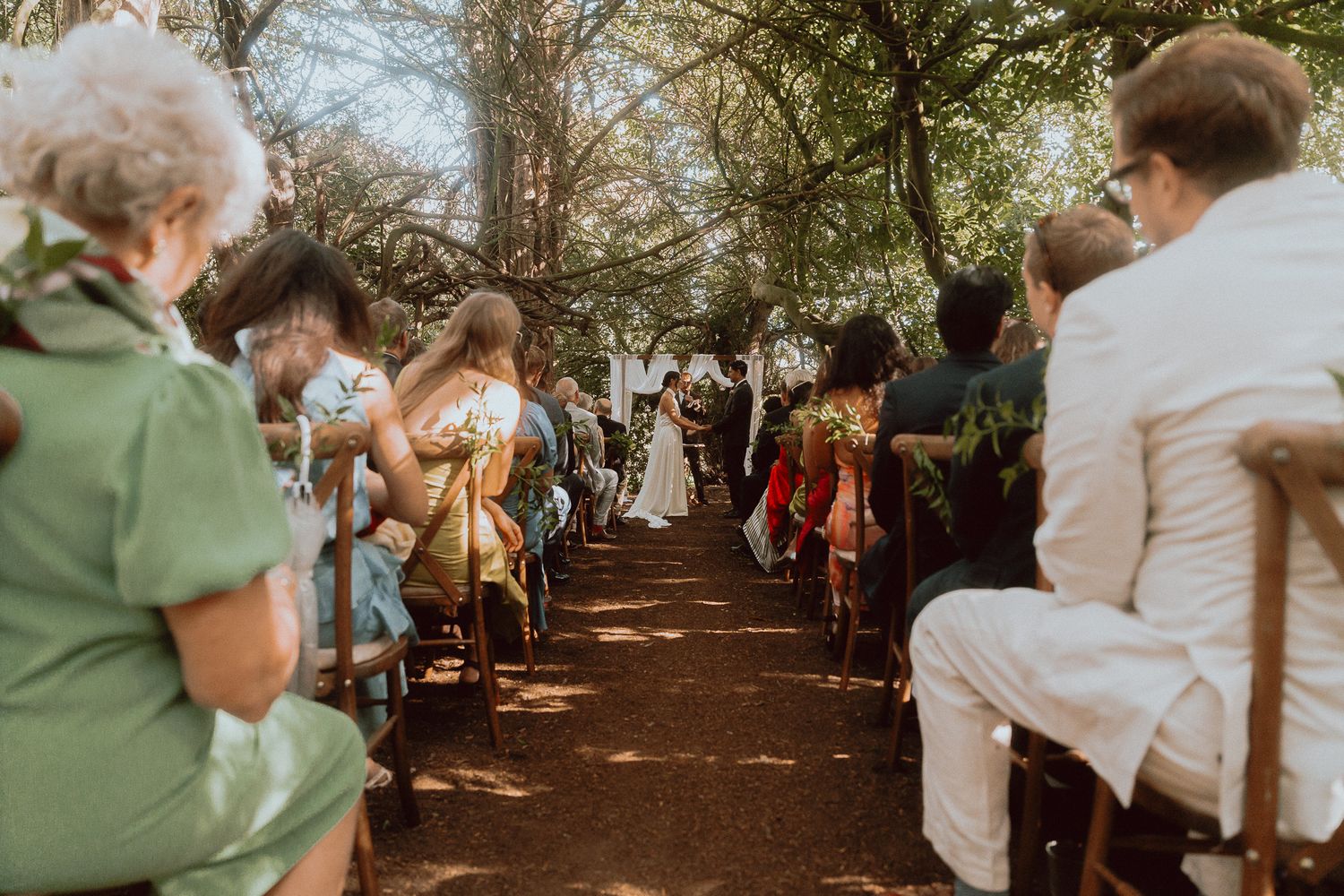
In September 2026, we photographed Emilie and Phil's wedding in woodland on Emilie's auntie's land in North Tuddenham. It was a beautiful, intimate setting, with the couple surrounded by nature rather than a conventional venue. What stood out to me was the light. Sunlight filtered through the branches, creating dappled patterns across the woodland floor, with occasional sun flares coming through the trees and into the lens. We shoot with Pro Mist filters, which give the brighter areas of the image a soft, blooming quality. When the sunlight catches the gaps between the branches, the effect can be breathtaking. The colours and textures were just as important. The oranges and browns of the trees, the twisting branches and limbs, and the dirt beneath our feet all worked together in a way that gave the photographs a rich, natural feel. Nothing needed to be constructed to make the surroundings interesting. The woodland already had its own character.
That's one of the things I love about photographing in a natural setting. You're working with what's already there. The light, the shapes of the trees, the changing colours and the textures of the landscape give you an enormous amount to work with, and no two spaces will look quite the same. Woodland can also provide some shelter from wind and rain, depending on the trees and the layout. The canopy can soften harsh sunlight, too, although conditions vary considerably between sites and throughout the day. I'm always adapting to whatever light and weather we have, so there's no need to expect a particular look for the photographs to work.
Another lovely thing about woodland is the freedom to make the space your own. You might add festoon lighting, fairy lights, bunting, candles or a ceremony arch, working with the natural surroundings rather than covering them up. Norfolk has suppliers who can help bring that kind of setting together, including Boomting Bunting and Smoke and Wild Wood, alongside suppliers such as Quirk Events and Epic Event Hire. Check their current services and availability when planning your wedding. There are no rules about what your woodland ceremony has to look like. Chairs can be arranged to suit the space, and your ceremony structure can be as simple or elaborate as you want it to be. The woodland provides the setting, and you decide how to use it.
The practical side of a woodland ceremony
The biggest thing I'd encourage couples to think about is space. A woodland might look enormous when you're walking through it, but the particular area you've chosen for the ceremony can be surprisingly tight. Unlike a purpose-built venue, the ground, trees and natural clearings dictate what is possible. You can't simply move a wall or widen an aisle to make everything fit.
Think about where your guests will sit and whether everyone will be able to see the ceremony. If the space is narrow, guests at the back might find themselves looking around branches or other people to see you. Roots and uneven ground can make walking down the aisle difficult, particularly for anyone wearing heels or anyone who needs extra support or a mobility aid.
It's worth considering the whole guest list, not just the couple and the wedding party. Can older relatives reach the ceremony area comfortably? Is there a stable route from the parking area? Will people have somewhere suitable to stand or sit if the ground is wet? The same consideration applies to your photographer and videographer.
Documentary coverage means we need to move around the edges of the ceremony quietly, without squeezing past guests or interrupting the moment. We want to capture wide shots showing the setting, closer images of your expressions, and important details such as the rings being exchanged, all without becoming a distraction. If there's no room to move around the ceremony area, some angles may simply be impossible to reach. We can adapt, but access and space do affect the coverage we're able to achieve.
It's much better to think about that beforehand than discover it when everyone is already seated. A woodland ceremony can be incredibly magical, but the right clearing is one that works for the people getting married, the guests and the team documenting it. You want everyone to feel immersed in the setting, not uncomfortable or worried about where they're going to put their feet.
Lakeside weddings, slowing down beside the water
If woodland feels intimate and enclosed, a lakeside wedding can offer a completely different experience. The water opens up the view, reflections change with the light, and there's often a natural invitation to slow down and spend time enjoying the surroundings.
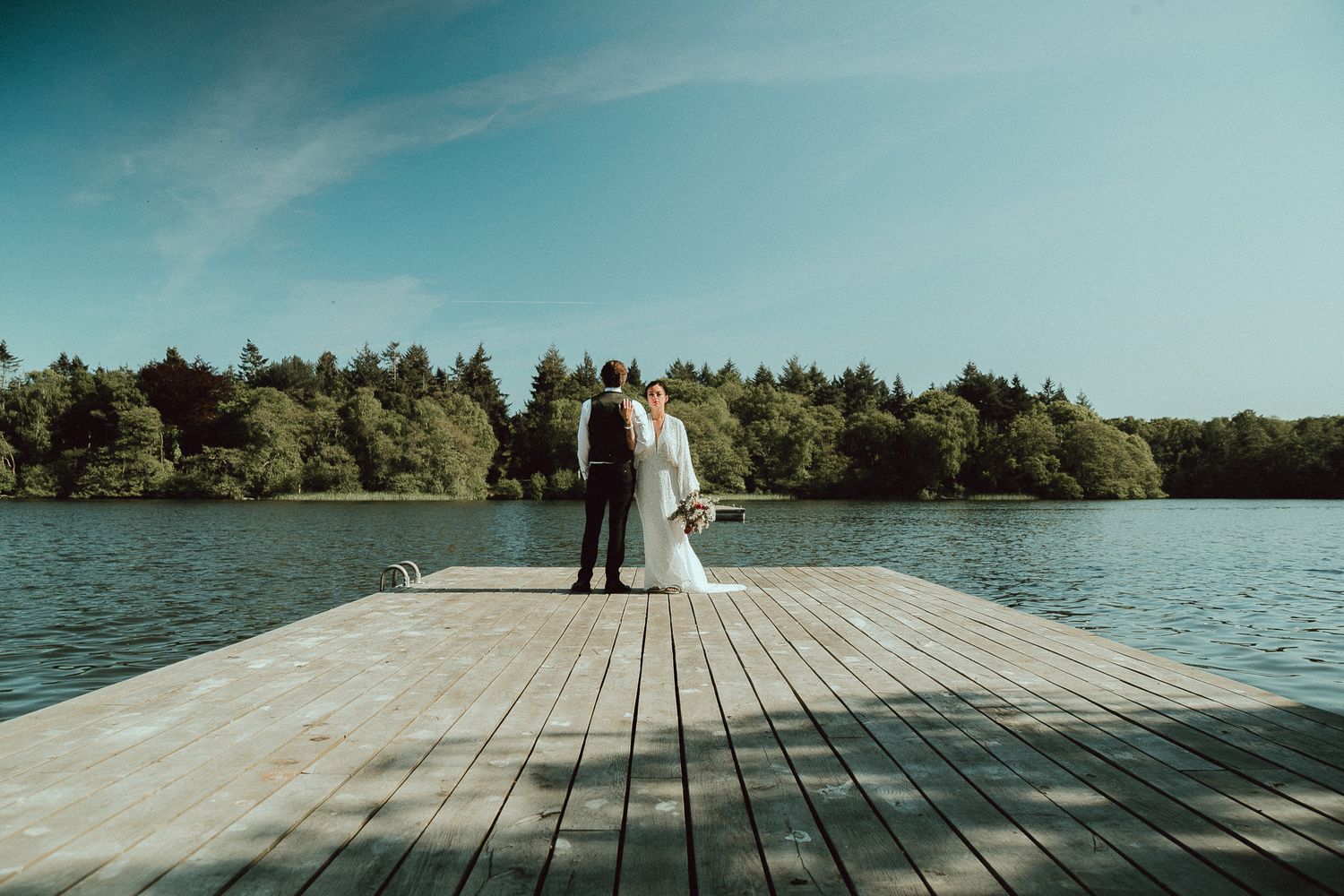
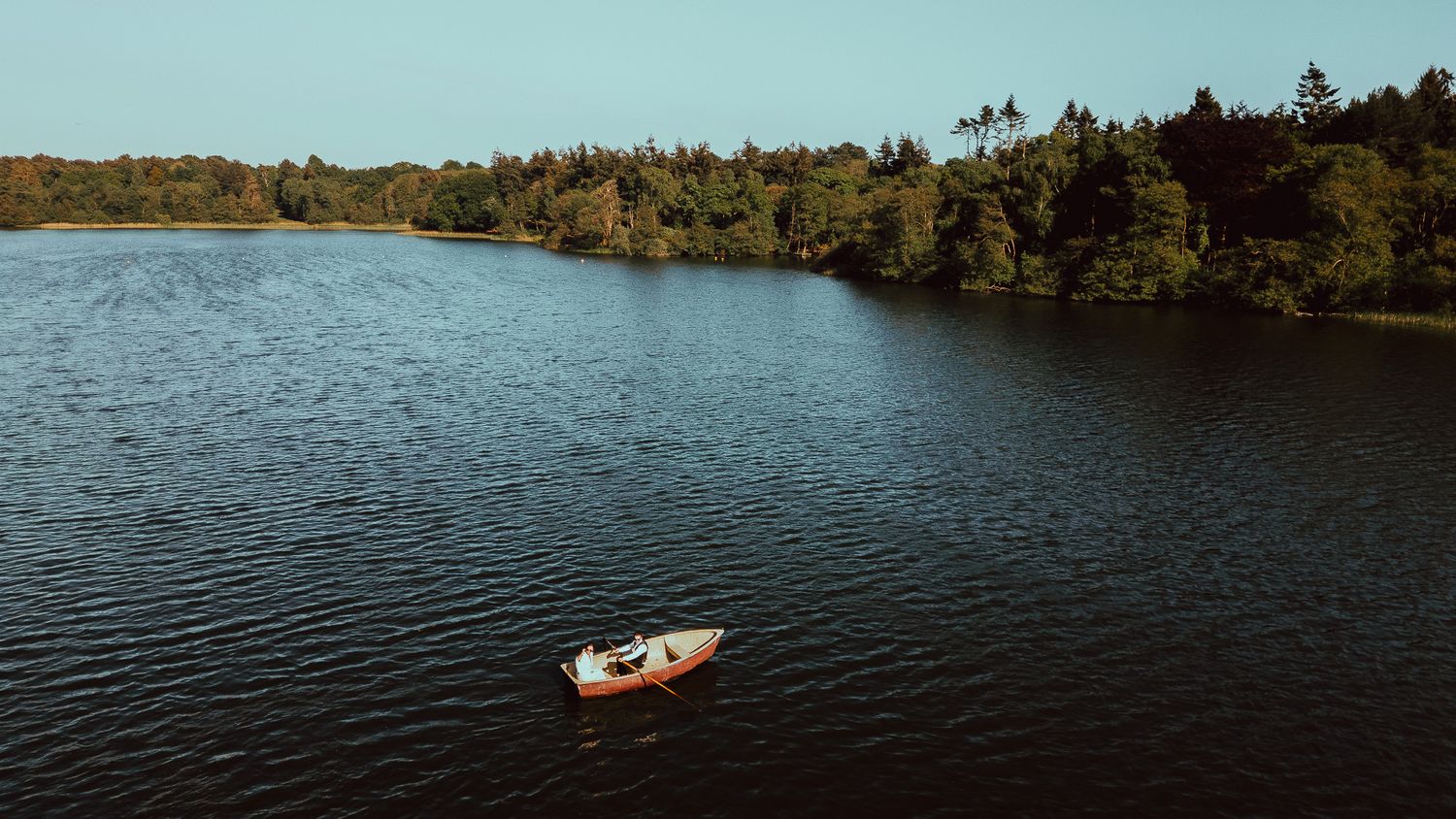
Poppy and James's wedding at Fritton Lake, on the Fritton Estate, in May 2025 is a lovely example. Their day began with a ceremony at Norwich Castle before moving to Fritton for the reception. They had an intimate reception in the pub, with a private room booked for their guests and access to the terrace for drinks and cigars. We spent time walking around the grounds and down to the lake, taking portraits along the way. We also spent a fair amount of time out on the jetty before Poppy and James climbed into a rowing boat and had some time to themselves while I got the drone up.
It was a hot summer's day, and the whole experience felt relaxed. There was time to sit by the water, enjoy a few pints and let the day unfold without rushing from one planned activity to the next. The guest numbers felt manageable, and the different spaces gave the celebration a natural rhythm. That is one of the things lakeside locations can offer.
The water and surrounding grounds become part of the day, rather than something you visit for a quick photograph before heading back inside. You might wander along the shore, sit together on a jetty, watch the reflections change or simply spend time with your guests outdoors. You don't need to fill every moment with an activity.
Sometimes the appeal of a lakeside wedding is having the freedom to enjoy the space without constantly watching the clock. Access to wedding settings at Fritton Lake is subject to the estate's current arrangements, so check the requirements directly if you're considering it.
Moving between spaces without losing the flow
One of the biggest differences between a rural wedding and a wedding where everything happens in one venue is how people move around.
You might have a ceremony in a church, drinks in a pub garden, a reception in a marquee and evening celebrations in a barn. Individually, each space might work perfectly. The challenge is making the transitions between them feel natural. Start by thinking about the route from the perspective of your guests. How far is the walk? Is the ground flat, muddy, uneven or exposed? Will people need to cross a road or walk along a country lane? Are there guests who might find the distance difficult, and is there an alternative way for them to get between locations? Footwear is a simple thing that can make a surprising difference. If your wedding involves walking through a field, woodland or muddy paths, high heels and polished dress shoes might not be the most comfortable choice. I've slipped over countless times on adventure weddings, even wearing the shoes I thought would work for the conditions. Guests can face the same problem, particularly if they've dressed for a formal event rather than an afternoon in the countryside. Let people know what to expect before the day.
A note on your invitations or wedding website explaining that there will be a walk, uneven ground or outdoor sections can help guests choose suitable footwear and clothing. If the route is difficult for some people, think about whether you can arrange transport or an easier alternative.
Signage matters, too. It's helpful for guests and suppliers to know where they're going, especially when a rural site has several entrances, buildings or paths.
A beautiful setting isn't always immediately obvious to someone visiting for the first time, and you don't want people wandering around trying to find the ceremony while everything else is happening. If your day involves several locations, Making Space for the Day to Unfold is worth considering alongside the venue itself. Realistic timings and a little breathing room can prevent one delayed transition from affecting everything that follows.
Countryside weddings, making the landscape part of the day
Countryside weddings can take many forms. You might get married in a village church and celebrate in the local pub, use a private house and garden, or hold a ceremony in a field before gathering under a marquee.
Some couples want a rural setting with all the practical facilities of a conventional venue, while others are happy to build their day around a more informal arrangement.
Jessie and Paul's wedding in Frettenham in March 2026 is a good example of how a countryside setting can bring different places together. It was early spring, and the weather was chilly. The plan involved walking between the local pub and the village church, with the ceremony taking place in the church before everyone returned to the pub for the reception. It was a lovely idea, using the village itself as part of the celebration rather than keeping everyone in one building for the entire day. The walk was part of the experience, but it also needed a little coordination. The best men had been tasked with leading the walk from the pub to the church. They left it late, and by the time they decided to set off, many guests had already driven up to the church. The group became a little fragmented, although the best men still made their walk and arrived just before the bride.
We had also arranged our own plan for covering the transition. Harriet, my partner and the other half of Wildkin Studios, was taking our van to the church to photograph the bride arriving and the groom waiting inside. I was supposed to walk up with the best men and guests, documenting that part of the experience. Because the walk started so late, I ended up hitching a lift with a guest to reach the church just in time for the bride's arrival.
It worked out, but it illustrates something worth thinking about when you plan a wedding across multiple spaces. The route might look simple on paper, yet everyone needs to understand what is happening and when. If some guests are walking while others drive, or suppliers need to get into position ahead of the couple, those arrangements need to be communicated clearly. That doesn't mean you need a military-style timetable for every part of the day. It means thinking through the transitions, giving people enough time and making sure the plan is clear enough that everyone can relax and enjoy it.
It's something we explore further in Making Space for the Day to Unfold, including how realistic timings and a little breathing room can help a wedding feel less rushed. Countryside weddings can feel wonderfully connected to the place where they're happening. A walk between the pub and church, a gathering in a village garden or a celebration in an open field can make the landscape part of the story. The key is to make sure the practical side supports the experience rather than getting in its way.
What to consider besides a lake
A lake can look wonderfully peaceful, but think about how people will actually use the space. Is the water close to the reception area, or does it require a walk? Is there a safe route down to the shore? Can guests enjoy the views without having to stand on uneven ground or navigate a narrow path? If you're considering a jetty, rowing boat or other activity on the water, check what the venue permits and what safety arrangements are in place. Don't assume that because something looks possible in a photograph, it will automatically be allowed on the day.
It's also worth thinking about how much of the wedding will happen indoors. A pub or reception room nearby can give guests somewhere comfortable to gather if it gets too hot, the weather turns or people simply want a break from being outside. A mixture of spaces can be particularly useful when you're bringing together guests with different needs and energy levels.
For photography, water can be beautiful in a wide variety of conditions. Reflections, changing skies and the open view give us different opportunities from a woodland or enclosed garden. But the light can also be exposed and bright, particularly on a hot summer's day, so don't expect the setting to look identical throughout the day.
And if you'd like aerial photographs, a drone can sometimes offer another perspective on the landscape. It isn't guaranteed, though. Weather, nearby obstacles, airspace restrictions, people and the layout of the site all affect whether a flight is possible. More on that later.
Norfolk weather, and learning to work with it
If you're planning an outdoor or rural wedding in Norfolk, it's worth accepting that the weather may have its own ideas. We're on the North Sea coast, and conditions can change quickly. A bright, warm afternoon can turn into heavy rain, and spring or autumn weddings can bring chilly wind, sleet or hail. Winter can be damp and icy, while summer can bring heat and strong sunshine.
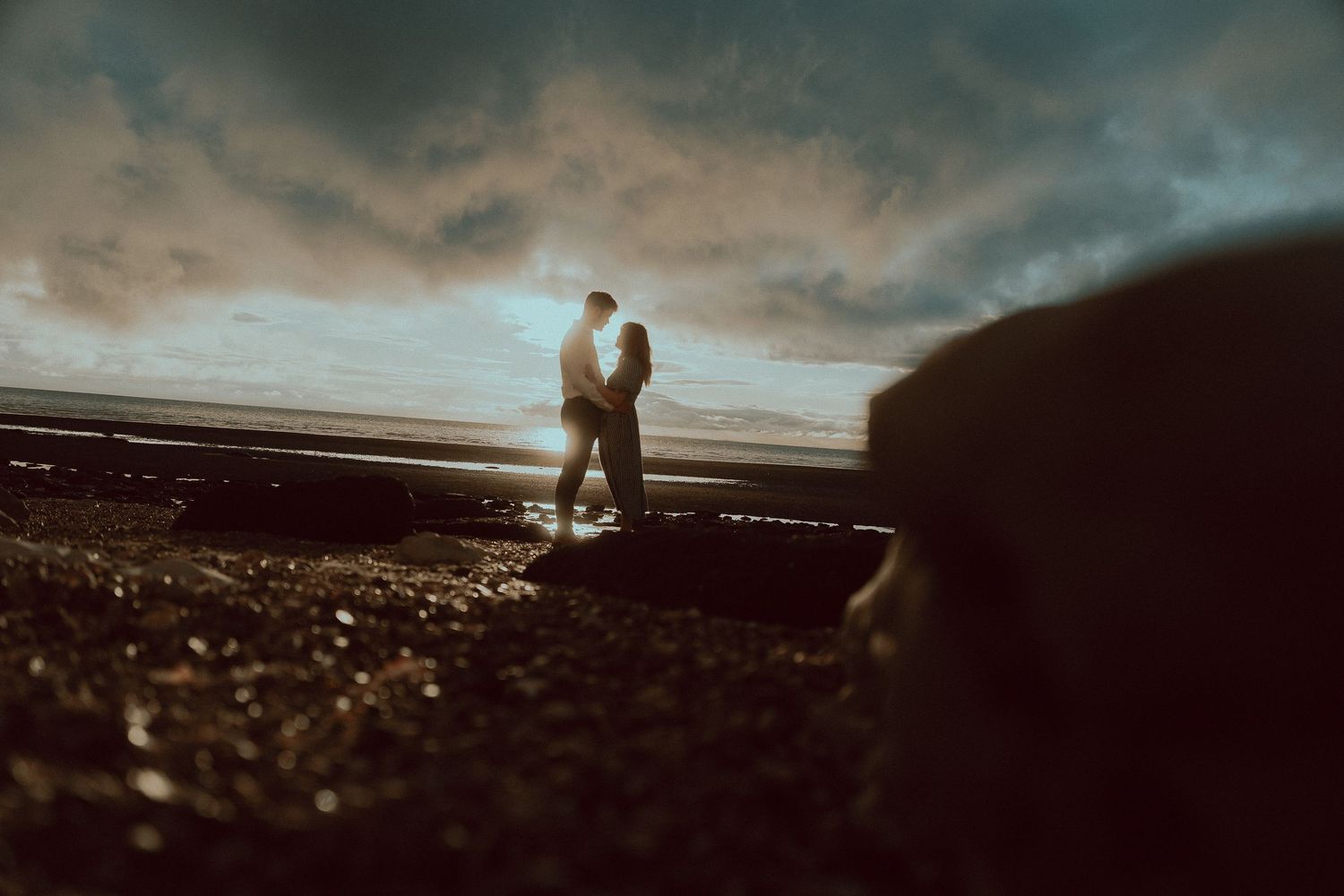
We've photographed weddings where the weather changed several times in a short period. Sometimes it means finding shelter and waiting for a shower to pass. Other times, the conditions create an opportunity for photographs we couldn't have planned in advance: a burst of light after rain, a dramatic sky, or a vivid double rainbow appearing as we head out for portraits. The landscape changes with the weather, and that can be part of the appeal of getting married outdoors. You might find guests huddled together under trees or umbrellas, or people gathering around a firepit to keep warm. Those shared experiences can make a wedding feel intimate and memorable, rather than simply interrupting the plan.
Some of my favourite weddings are the ones where couples and guests embrace what's happening around them. Instead of treating every shower as a disaster, they find a way to enjoy the day as it unfolds. A little rain doesn't automatically mean you need to abandon your plans, and a change in the light doesn't mean the photographs won't work. That said, there's a difference between being open to the weather and leaving everything to chance. Have a plan for where the ceremony or reception can move if conditions become unsuitable. Check whether there is adequate shelter, what the ground is likely to be like when wet, and whether the route between spaces remains safe.
If you're planning a woodland ceremony, think about how the site behaves in heavy rain. If you're using an open field, consider how exposed it is to wind and whether there is shelter nearby. For lakeside settings, make sure the areas close to the water remain safe and usable in the conditions you're expecting. You can have a Plan A and a Plan B, or decide to embrace an outdoor day with the understanding that some things might change. Either way, know what your options are before the wedding arrives. And remember that weather isn't something you can control, but your response to it can make a difference.
If you're prepared to adapt, you can spend less time worrying about whether the day looks exactly as planned and more time enjoying the experience. The same goes for weddings by the sea, where the weather and landscape can change the experience in their own way. Our Field Note on Coastal Weddings in Changing Weather explores how wind, rain and changing light can become part of the day, rather than something you need to fight against.
The practical details couples sometimes overlook
A rural setting can give you an enormous amount of freedom, but that freedom often comes with practical considerations that a fully equipped venue might handle for you. Parking, toilets, catering access, power, lighting after dark and access for suppliers are all worth thinking through.
If you're using private land or a family property, establish who is responsible for each part of the setup and make sure the relevant permissions and facilities are in place. Power is another consideration, particularly if you're planning a multi-day wedding or getting married somewhere remote. Your caterers, lighting team, band and other suppliers may all have different requirements, so it's worth checking what power is available on site and what needs to be brought in. If you're using private land or a woodland without permanent facilities, those conversations become even more important.
For us at Wildkin, we've got our own little advantage when it comes to weddings away from home. We often bring Big Grey, our 1988 vintage VW camper, along for multi-day weddings and trips further afield. She's set up for off-grid use, with our own solar power system, which helps us charge equipment, look after ourselves and have a little space of our own when we're working away from home. It means we can be a bit more self-sufficient, whether that's keeping our kit charged, sorting ourselves out with food or having somewhere to retreat to between parts of a multi-day wedding. It's also a natural extension of the travel and adventure side of Wildkin.
We love being out on the road, exploring places and finding ways to work in landscapes that aren't always set up like conventional wedding venues. That's our own setup, though, and not something every photographer or supplier will have. The important thing is to establish what your location provides and what your suppliers need before the day. Don't assume there's a convenient socket, somewhere to store equipment or a practical place for everyone to take a break. A little planning can make a big difference when you're working somewhere more remote.
Think about the experience of your guests as well as the appearance of the space. Where will people go if it rains? How will they find the toilets? Will paths be lit when the evening gets dark? Is there somewhere suitable for people who need to sit down or get away from the noise? It's also worth considering what will appear in the background of your photographs. Toilets, gas canisters, storage areas, catering equipment and backstage spaces are practical necessities, but their position can affect how the finished images look.
I've photographed a bride and groom arriving at their ceremony with a toilet block visible in the background. It was there because of the way the space had been arranged, and once you're documenting the arrival, you can't simply pretend it's not there. The same applies to other equipment or storage areas placed close to where guests gather. You don't need to hide every practical detail from view, and there's no reason to make the whole day feel staged. But if there's a choice about where something goes, think about how that area will look when it's full of people and how much of it will appear in photographs.
Choosing a rural setting that works for you
Woodland, countryside and lakeside weddings can all offer something different. Woodland can feel intimate and immersive, with filtered light and a sense of being tucked away from the rest of the world. Lakeside settings can create a slower pace, with open views and the chance to spend time beside the water. Countryside weddings can bring together villages, pubs, churches, private gardens and open landscapes in a way that makes the surrounding area part of the day.
There isn't one setting that's best for everyone. What matters is how the place fits the experience you want, the people you're inviting and the way you want to spend your time. Look beyond the photographs of the location and think about how it works when it's full of guests. Consider access, shelter, ground conditions, travel between spaces and what happens if the weather changes. Think about whether everyone can see the ceremony, whether guests can move around comfortably and whether your suppliers have the space they need to do their jobs.
Then think about the atmosphere. Do you want to feel surrounded by trees, spend a lazy afternoon beside a lake or walk between places in a village you love? Do you want everything in one place, or are you happy for the day to move through several different spaces?
If you're still deciding, our guide to choosing the right wedding location in Norfolk explores how to find somewhere that suits the atmosphere, scale and pace of your day. You can also explore Places: Norfolk for more ideas about the landscapes and locations that make this part of the country special.
The best rural wedding setting isn't necessarily the most remote or the most impressive. It's the one that lets you enjoy being there, with the people you love, without spending the day fighting the logistics.
Let the setting become part of the experience
The best thing about a rural wedding is that you can interact with the surroundings rather than simply admire them from a distance. You might walk through the woodland, spend time by the lake, explore the countryside or find yourself talking to someone you meet along the way.
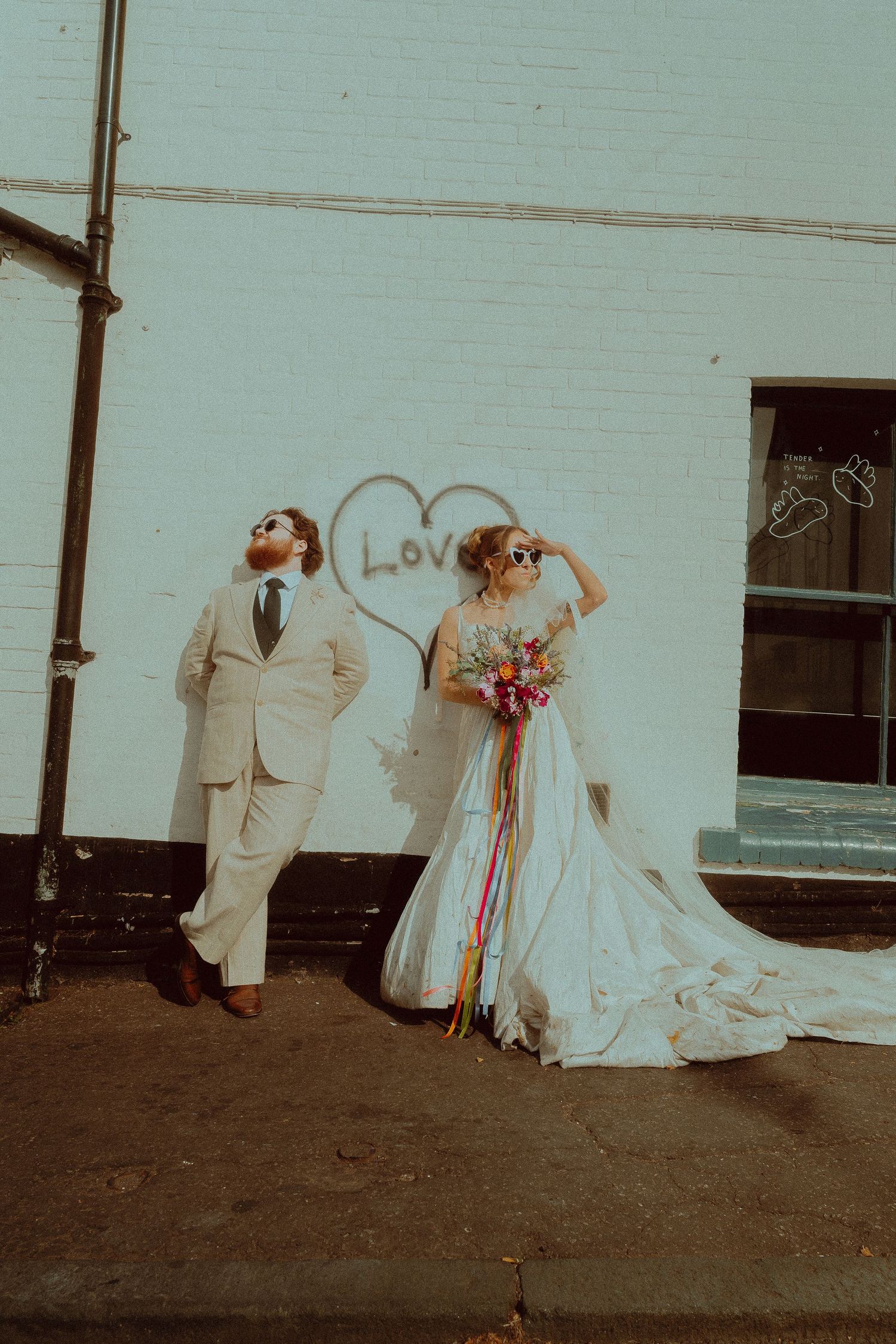
You can make the setting part of the celebration in whatever way feels natural to you. I photographed a wedding in Norwich where the couple came across people feeding pigeons and decided to join in. It was an unexpected moment, a little like the woman with the birds in Home Alone or Mary Poppins, and it was brilliant to photograph. They weren't following a schedule or doing something because they thought it would make a good picture. They simply saw something happening, joined in and enjoyed themselves. That openness is something I love to see at weddings. It doesn't have to mean doing anything particularly adventurous or unusual. It might be wandering away from the main group for a few minutes, chatting with a guest in the garden, stopping to look at something in the landscape or finding a quiet spot together. As a documentary photographer, I'm looking for those moments as much as the planned parts of the day. The setting gives people something to interact with, but the photographs come from what happens between them, the people around them and the world they're moving through.
In Meaningful Locations and Personal Wedding Photographs, we explore how the places connected to your life and relationship can add another layer of meaning to your images. If you're choosing a rural location, don't feel that you have to make the most of every corner or schedule a photograph in every spot. Give yourselves permission to enjoy the space. You might find that the moments you remember most are the ones you never planned.
A note on drones and rural locations
If aerial photographs are important to you, mention this during planning rather than assuming your photographer will be able to fly wherever you get married. Open fields and beaches can sometimes provide good conditions for drone photography, but a rural location isn't automatically suitable. Trees, buildings, overhead power cables, crowds, local airspace restrictions and the weather can all affect whether a flight is safe and permitted.
At one wedding this year, our drone wouldn't establish a reliable connection, and nearby power cables were a concern. It became too risky to continue trying, so we were unable to fly. That's the sort of decision a responsible operator needs to be prepared to make.
Wind can also make flying difficult, and drones cannot be flown in rain under the operating conditions we work to. Depending on the location, there may be additional restrictions to consider.
If a drone is part of the coverage you're hoping for, discuss the location and any known restrictions with your photographer in advance. Treat aerial photographs as a possible addition, not something the whole day depends on. The wedding itself should still work beautifully without them.
The Wildkin lens.
I love photographing weddings where the landscape becomes part of the experience. Woodland, open countryside and lakeside settings all give people room to interact with their surroundings, whether that's wandering between trees, spending time by the water or discovering something unexpected along the way. But the setting alone doesn't make the photographs. What matters is how people experience it.
We love to see couples who feel at home in the place they've chosen, who talk to their guests, explore a little, laugh at the unexpected and allow themselves to enjoy where they are. Sometimes that means embracing the weather. Sometimes it means doing absolutely nothing for a while and enjoying the space around them. That's where the documentary side of my work comes in. I'm watching for the little things that happen when people stop thinking about the camera and start experiencing the day. A look exchanged beneath the trees, a quiet moment beside the lake, or a couple joining in with something completely unexpected can tell you as much about a wedding as the planned portraits. I'm not there to make the day fit a particular photographic idea. I'm there to document the experience as it unfolds, finding the light, the compositions and the moments that bring the story together. The location matters because it's part of that experience, but it doesn't need to be perfect, and neither does the day.
If you're drawn to woodland, countryside or lakeside weddings, think about more than how the place will look in your photographs. Think about how you want to feel there, what you want to do and how you want your guests to experience it with you. Give the setting room to become part of your story. Make sensible plans, leave space for the unexpected, and let yourselves enjoy being there.
→ Explore Norfolk
Discover the coastlines, woodlands, villages and landscapes that can shape a wedding day in Norfolk.
→ Choosing your location
Find a place that suits the atmosphere, scale and pace of your wedding day.
→ Making Space for the day
Why realistic timings, fewer journeys and room for the unexpected can help your wedding day unfold naturally.
→ Meaninfgul locations
How familiar streets, favourite places and family history can become part of your wedding photographs.
→ Coastal Weddings in Changing Weather
Explore how wind, rain, tides and changing light can shape a wedding by the sea.
→ Tell us what you're planning
Have a place in mind, or still figuring it out? Tell Wildkin what matters to you and let's start there.