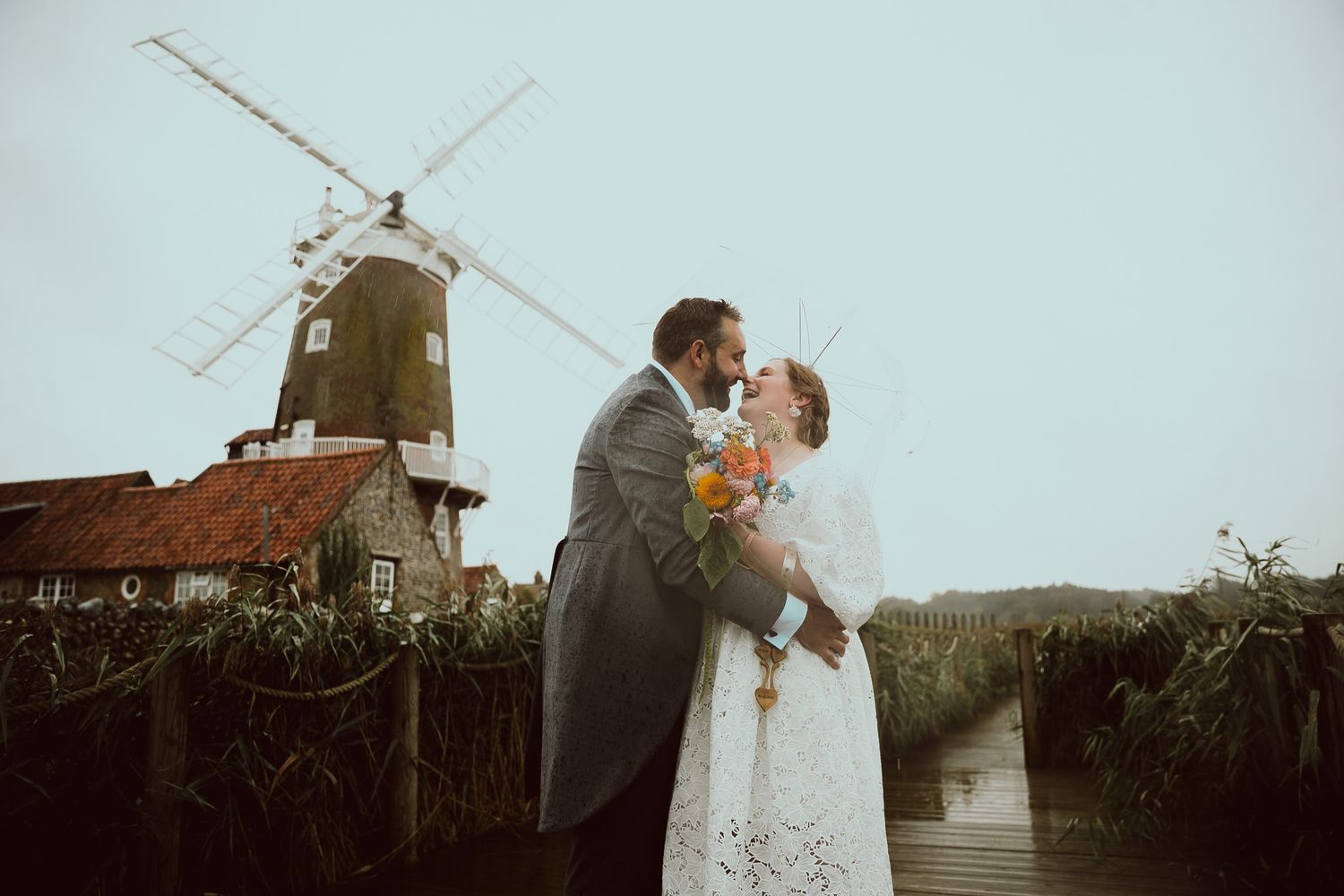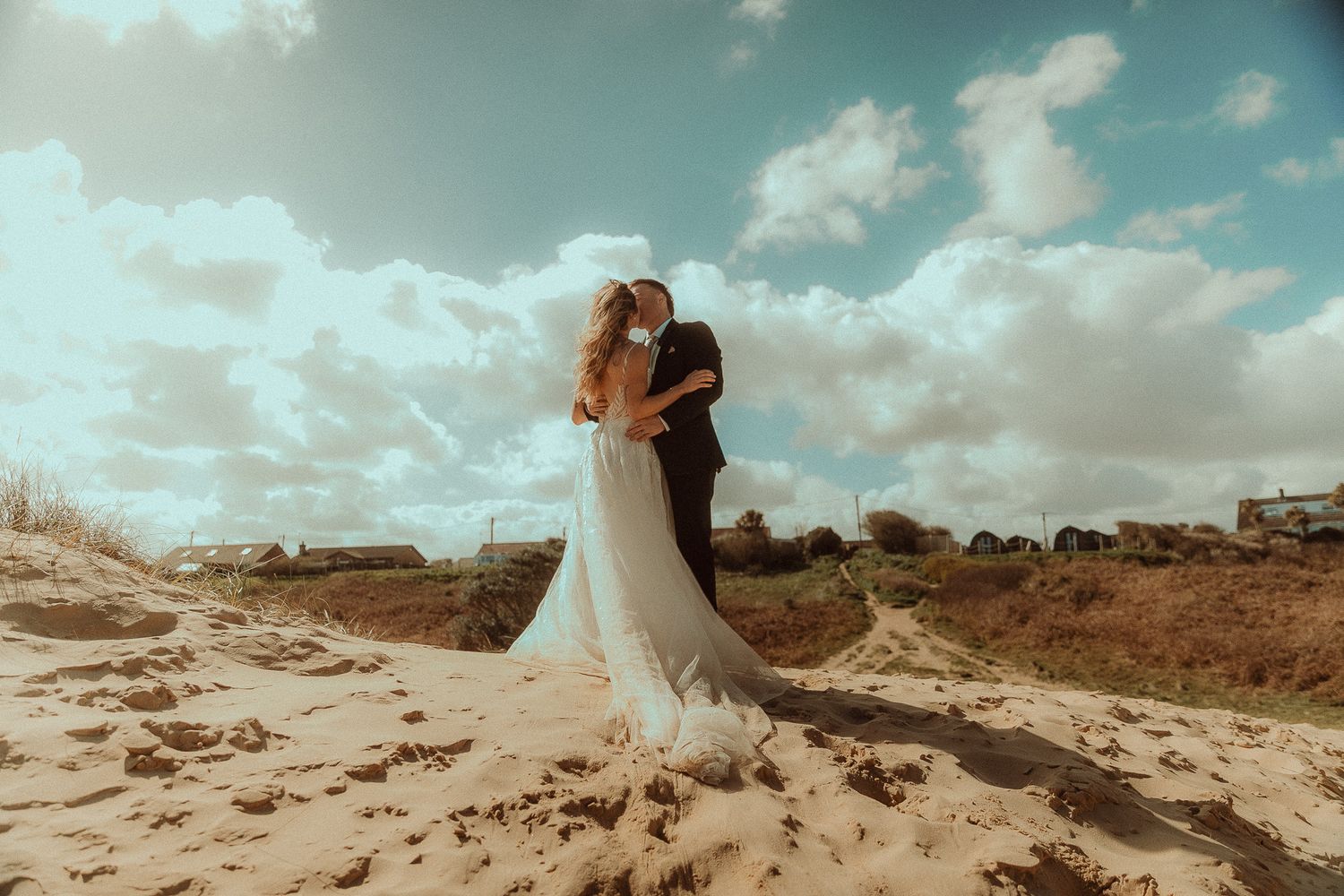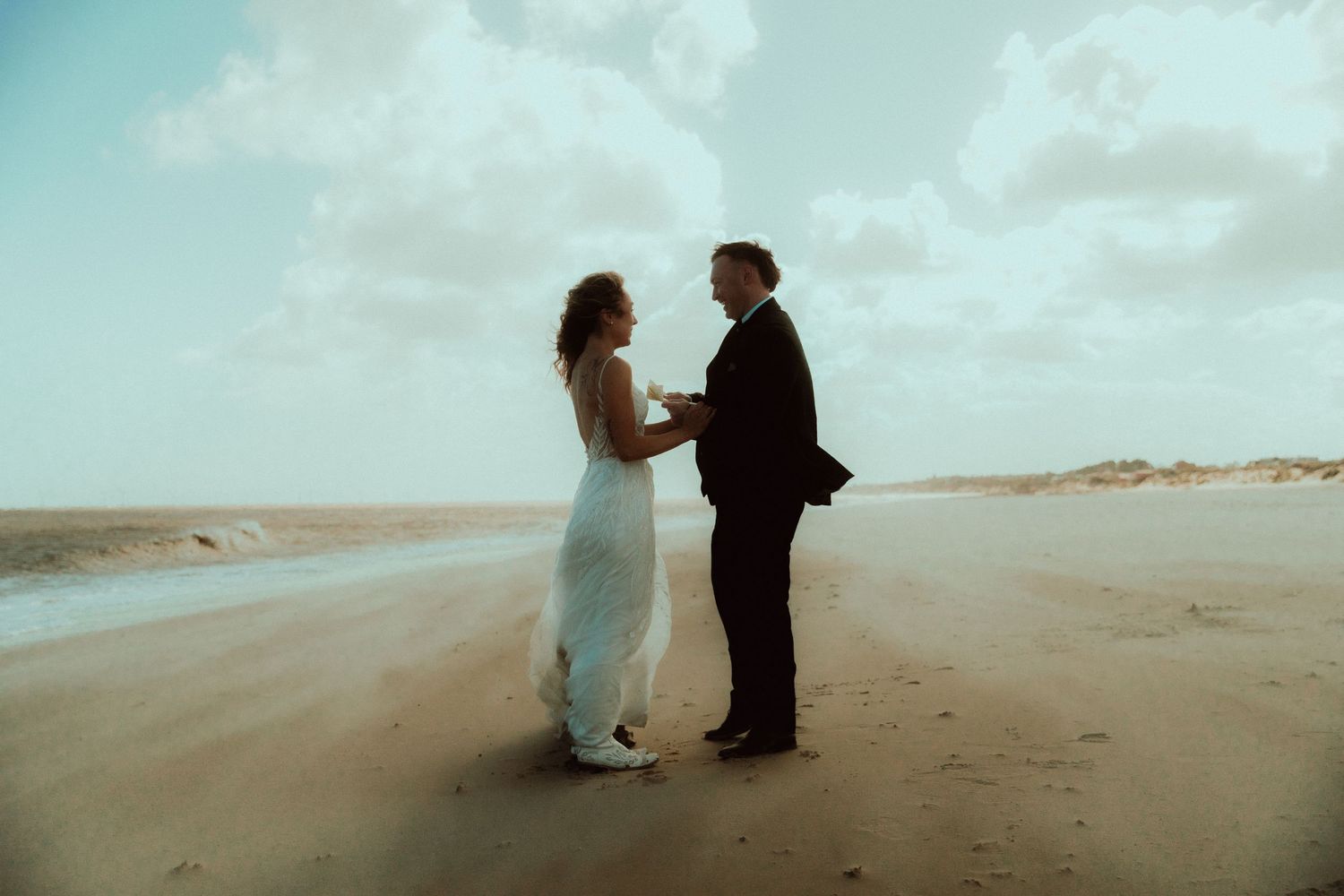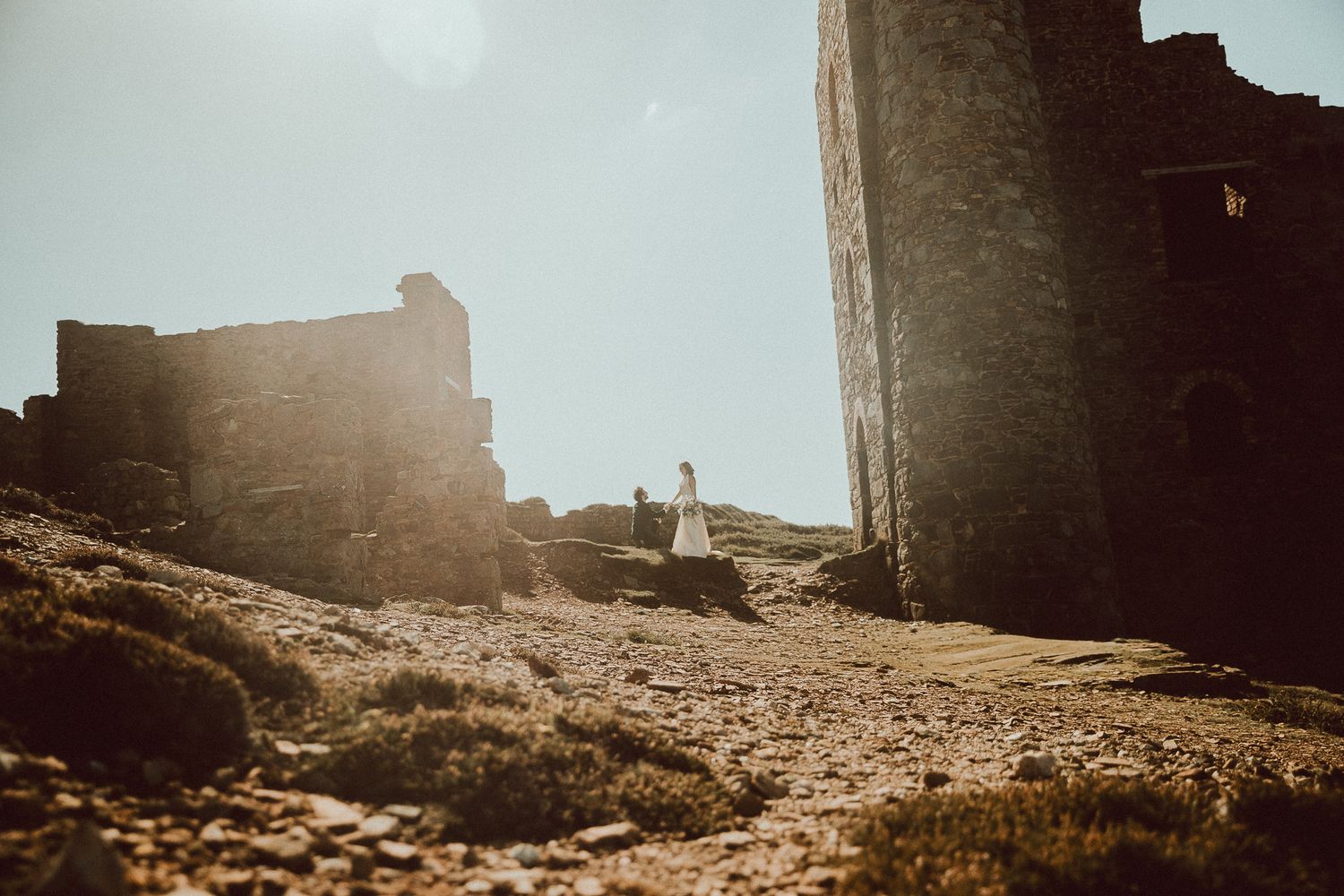
Scotland, Made For The Wild Heart
Every place has its own character, and Scotland offers an extraordinary range of settings for a wedding or elopement. From the mountains of Glencoe and the Highlands, the wide spaces of the Cairngorms, the shores of Loch Lomond, the rugged beauty of the Isle of Skye, the wild coastlines of the islands, to the historic streets of Edinburgh and the quiet charm of its smaller towns, every part of Scotland offers something different.
Scotland is a place of changing landscapes, dramatic weather and quiet, unforgettable moments. Some couples are drawn to remote places, where the mountains stretch into the distance and the weather becomes part of the experience. Others may feel more at home in a city, surrounded by old stone buildings, independent restaurants, lively streets and the atmosphere of somewhere with centuries of history.
For couples drawn to adventure, nature and a slower way of celebrating, Scotland offers the freedom to shape a wedding around the landscape rather than simply fitting the day into a traditional format.
This guide explores the places, landscapes and possibilities that make Scotland such a meaningful setting for a wedding that feels personal, relaxed and entirely your ownn.
Scotland, in it's own way.
Why Scotland?
Scotland has a way of making things feel larger. The mountains stretch beyond the horizon, the lochs seem to hold their own weather and the roads often lead somewhere unexpected. But its character is not found only in the wild places. It is also in the old stone streets of Edinburgh, the creative energy of Glasgow, the historic character of Stirling and the quiet charm of its smaller coastal towns.
For couples planning a wedding or elopement, this variety means Scotland can offer something very different from one celebration to the next. Your day might be rooted in the Highlands, shaped by the coastline, centred around a historic city or built around the journey between several places.
A landscape with room to breathe
The Scottish Highlands, national parks, lochs and coastlines offer a sense of space that can be difficult to find elsewhere. You can stand beneath a mountain range, beside a quiet loch or on a remote stretch of coastline and feel completely removed from everyday life.
That sense of space can change the pace of a wedding day. Instead of moving from one scheduled moment to the next, there can be time to walk, explore, stop for a view or simply be together without an audience. The landscape becomes more than a backdrop for photographs. It becomes part of the experience itself.
For some couples, that might mean a short walk to a viewpoint before exchanging vows. For others, it could be a quiet ceremony beside the water, a picnic in the heather or an evening spent watching the weather move across the hills.
The journey is part of the story
Scotland is made for exploring. A wedding does not have to begin and end in one location, particularly when the places you want to experience are part of what drew you there in the first place.
You might begin the day in a city apartment, travel through the Highlands and exchange vows beside a loch. You might combine a historic ceremony with a coastal walk, take a ferry to an island or spend several days travelling through the landscape with the people closest to you.
The journey between places can become part of the story, with changing landscapes, unexpected stops, good food, weather rolling through and quiet moments that were never written into the original plan.
A Place For Every Kind Of Celebration
There is no single way to get married in Scotland. Some couples may want an intimate elopement with only a few people, while others might imagine a larger wedding in a castle, estate or countryside venue.
You could exchange vows beside a loch, celebrate in a historic building, gather with family in a small coastal town or combine a legal ceremony in the city with an adventure in the mountains afterwards.
The beauty of Scotland is that these experiences do not have to be separate. With thoughtful planning, a wedding can bring together the places, people and experiences that matter most to you, creating a day that feels less like a fixed itinerary and more like your own story.
More Than Mountains
Scotland’s appeal is not limited to remote peaks and dramatic Highland scenery. Its cities and historic towns offer a different kind of atmosphere, with old stone buildings, winding streets, independent restaurants, atmospheric hotels and places full of character.
An Edinburgh wedding might begin with a quiet morning in the city, continue through historic streets and end with dinner somewhere intimate.
Glasgow offers a more creative, urban energy, while places such as Stirling, Inverness and St Andrews bring together history, architecture and access to the surrounding landscape.
For couples who love Scotland but do not want every part of the day to involve hiking, these places offer another way to experience the country.
A city celebration can still feel personal, adventurous and deeply connected to its setting.
A wedding that feels like your own
Scotland offers space for many different kinds of celebrations. You might want an adventurous elopement in the Highlands, an intimate city wedding in Edinburgh, a castle ceremony with time outdoors or a relaxed gathering somewhere overlooking the sea.
Outdoor ceremonies can also be part of the experience, with the appropriate planning and legal arrangements. What matters most is creating a day that reflects the two of you, rather than following a fixed idea of what a wedding should look like.
Scotland can be dramatic, quiet, wild, welcoming or all of these things at once. The best setting is often the one that feels most like you.
The Scottish landscape.
Scotland’s landscapes are incredibly varied, often changing dramatically within a short distance. Mountain ranges give way to wide glens, forests open onto lochs, and winding roads lead towards islands, beaches and remote stretches of coastline.
For couples planning a wedding or elopement, this variety means there is no single version of Scotland to choose from. You might be drawn to the drama of the Highlands, the quiet beauty of a lochside setting, the atmosphere of an island or the character of a historic city.
Mountain Ranges & National Parks
The mountains are one of Scotland’s greatest draws for adventurous couples. The Highlands offer vast views, rugged peaks, open moorland and valleys shaped by weather and time.
Places such as Glencoe, the Cairngorms and Loch Lomond & The Trossachs National Park provide opportunities for dramatic ceremonies, mountain walks and photographs that capture the scale of the landscape.
You do not necessarily need to climb a mountain to experience it. Some of the most meaningful locations can be reached through shorter walks, roadside viewpoints or quiet places just beyond the main routes.
Lochs, Glens & Forests
Scotland’s lochs, glens and forests offer a softer side to the landscape. The water can be still and reflective, the forests create a sense of shelter and the glens give the day room to unfold at a slower pace.
These settings can work beautifully for couples who want to spend time outdoors without planning a demanding hike. A lochside ceremony, woodland walk or quiet moment beneath the trees can feel just as personal as a mountainside adventure.
Islands & Wild Coastlines
Scotland’s islands and coastlines bring a different kind of atmosphere, shaped by sea, wind, beaches, cliffs and long stretches of open horizon.
The Isle of Skye, the west coast, the Hebrides and smaller islands offer opportunities for couples who want their wedding to feel remote, elemental and connected to the sea.
Reaching these places can become part of the experience, whether that involves a scenic drive, a ferry journey or several days exploring together.
Castles, Estates & Rural Settings
Scotland’s historic castles, estates and rural venues offer a balance between celebration and landscape. They can provide a place for family and friends to gather, while still giving couples access to gardens, woodland, hills and surrounding countryside.
These settings can work well for larger weddings, intimate gatherings and celebrations that combine a more traditional ceremony with time outdoors.
Whether your ideal setting is a mountain range, a quiet loch, a windswept coastline, a historic city or a country estate, Scotland offers plenty of ways to create a wedding that feels rooted in the place around you.
Cities & Historic Towns
Scotland’s cities and historic towns offer another way to experience the country. Edinburgh’s old streets and historic buildings, Glasgow’s creative energy, Stirling’s architecture and Inverness’s position near the Highlands all provide settings with their own distinct character.
A city wedding can be intimate, atmospheric and full of movement. Couples might get ready in a characterful hotel, exchange vows in a historic building, wander through the streets and finish the day with dinner somewhere memorable.
For others, a city may be the beginning of a wider Scottish adventure, with time spent exploring before travelling into the mountains, towards the coast or onwards to an island.
Places to get married in Scotland.
Scotland is not simply a collection of wedding venues. It is a landscape to move through, explore and experience together. A wedding here could begin in a small cabin beside a loch, continue along a forest footpath, stop at a waterfall, climb towards a mountain viewpoint and end with dinner in a village pub while rain moves across the hills.
You might exchange vows beneath a mountain, beside the sea, on a quiet beach, in a forest clearing or somewhere completely unexpected that you discovered along the way.
The places below are not intended to be a definitive list of ceremony venues. They are starting points for imagining what your own Scottish wedding adventure could look and feel like.
Viewpoints & Scenic Passes
The Rest and Be Thankful, Argyll
The Rest and Be Thankful is a dramatic viewpoint above Glen Croe, where the road rises through the hills and opens into a wide Highland panorama.
It is the kind of place that suits a road-trip elopement, a first look or a quiet stop between destinations. You could arrive with the windows open, pull over beneath the mountains and take a moment to appreciate the landscape before continuing towards the coast or the Highlands.
This is best treated as a scenic stop rather than an assumed ceremony location. Parking, road conditions and visitor safety should always be checked before planning to spend time here.
Queen’s View, Pitlochry
Overlooking Loch Tummel, Queen’s View offers a gentler but equally atmospheric perspective on the Scottish landscape. The view brings together water, woodland and distant hills, with nearby paths and villages offering opportunities to explore further.
It could form part of a relaxed Perthshire wedding weekend, with a viewpoint visit, lunch in Pitlochry and an evening spent in a country inn or rural cottage.
The viewpoint is a popular visitor destination, so an early visit or quieter time of day may offer a more peaceful experience.
Suidhe Viewpoint, Loch Ness
Suidhe Viewpoint looks across the Highlands towards lochs, hills and open countryside. It is well suited to couples who want to experience several different landscapes during a scenic drive rather than spending the entire day on one demanding route.
Sometimes the most meaningful part of an elopement is not the planned destination, but the moment you stop beside the road because the view is too good to ignore.
Peaks & Mountain Adventures
Buachaille Etive Mòr, Glencoe
Buachaille Etive Mòr rises above the landscape near Glencoe and is one of the most recognisable mountain forms in Scotland. Its presence can be felt from the valley floor, where the surrounding roads, rivers and open ground create dramatic views without requiring a summit attempt.
For experienced mountain-going couples, the mountain could become part of a longer hike. For others, the valley, lower paths and surrounding viewpoints offer a more relaxed way to experience the same atmosphere.
The appeal is not only the mountain itself, but the entire setting: open ground, changing weather, winding roads and the sense of being surrounded by the Highlands.
Ben Nevis, Fort William
Ben Nevis has an obvious appeal for couples who love mountains, but reaching the summit is a serious undertaking and should not be treated as a casual wedding-day activity.
The mountain can still be part of your story without climbing it. Nearby glens, lower viewpoints and scenic routes offer ways to experience its scale while leaving time for the ceremony, photographs, food and everything else that makes the day yours.
If a mountain walk is part of your plans, allow enough time for proper preparation, suitable equipment and changing conditions.
The Cuillin, Isle of Skye
The Cuillin mountains offer some of Scotland’s most rugged scenery, with dark ridges, steep slopes and exposed terrain. They are particularly suited to couples who are experienced in the mountains and want a more demanding adventure.
There are also lower-level viewpoints and walking routes around Skye that offer the drama of the Cuillin without requiring technical mountain skills.
The best location is not necessarily the highest point. It is the one that allows you to enjoy the experience safely and fully.
Forests & Woodlands
Glen Affric
Glen Affric combines ancient woodland, lochs, mountains and walking routes that lead through some of the most atmospheric scenery in the Highlands.
The forest creates a sense of shelter and privacy, making it a good option for couples who want to spend time outdoors without being entirely exposed to the elements. A day here could include a woodland walk, a lochside stop, a picnic and photographs among the trees.
It is also a place where preparation matters. Roads can be narrow, mobile reception may be limited and there are few opportunities to buy food once you are deep into the glen.
Rothiemurchus Forest
Rothiemurchus offers pinewoods, rivers, lochs and views towards the Cairngorm mountains. It provides a softer alternative to exposed mountain terrain while still feeling unmistakably wild.
Couples could combine a forest walk with time beside the water, lunch in the surrounding area and a comfortable rural stay nearby.
The forest is well suited to a flexible elopement day, where the route can change according to the weather, energy levels and the places that catch your attention.
Glenmore Forest Park
Glenmore Forest Park offers woodland paths and access to Loch Morlich, with opportunities for both gentle walks and longer routes.
It could suit couples who want an adventurous atmosphere but prefer to keep the day flexible.
There is room for walking, exploring, stopping for photographs and returning somewhere warm without turning the wedding into an endurance challenge.
The combination of forest, loch and mountain views also makes it useful for groups with different interests or abilities.
Lochs & Lakes
Loch Etive
Loch Etive stretches through a remote landscape of mountains, water and winding roads. Its sense of distance makes it appealing for couples who want to get away from busy locations and spend time somewhere that feels expansive and quiet.
A day here could include a scenic drive, a waterside walk, a picnic, a boat journey or a small ceremony followed by time simply watching the weather change across the loch.
Its remoteness also means that food, fuel, mobile reception and accommodation should be considered in advance.
Loch Lomond
Loch Lomond offers an accessible combination of water, woodland, hills, islands and walking routes. It can work well for couples who want a strong Scottish landscape experience without travelling deep into the Highlands.
The area allows for a flexible day, with opportunities for lochside walks, boat trips, forest trails, nearby villages, good food and comfortable places to stay.
It can be particularly useful for couples bringing family or friends, as there are several ways to experience the landscape without everyone needing to complete the same walk.
Loch Morar
Loch Morar has a quieter and more remote character, surrounded by mountains and open Highland scenery. Reaching it requires more planning, but that sense of distance can be exactly what draws adventurous couples to the area.
It is a place for those who want the journey to matter as much as the destination, with time to travel slowly, explore on foot and experience a landscape that feels far removed from everyday life.
Waterfalls, Rivers & Rapids
Plodda Falls, near Tomich
Plodda Falls sits within woodland, with paths leading through the trees towards viewpoints above the waterfall. The setting feels intimate and immersive, with rushing water, mossy ground and the shelter of the forest.
It could become part of a woodland elopement, a short adventure between larger destinations or a portrait walk for couples who want movement and natural sound in their photographs and film.
There are limited facilities within Glen Affric itself, so plan food, fuel and other essentials before travelling into the glen.
Falls of Foyers, Loch Ness
The Falls of Foyers are reached by a woodland path leading down towards the river. The combination of trees, steep ground and moving water gives the walk a strong sense of atmosphere, particularly after rainfall.
This could be a beautiful stop during a wider Loch Ness itinerary, followed by lunch, coffee or dinner somewhere nearby.
The path includes uneven and sloping sections, so it is worth considering footwear, weather and mobility before making it part of the day.
Rogie Falls, near Contin
Rogie Falls offers forest paths, river views and bridges crossing the water. It is a good example of how a relatively short walk can still feel adventurous and visually varied.
The setting could suit couples who want a day of smaller discoveries rather than one major hike, with time to explore the woods, stop beside the river and continue along the road.
The area has short and longer walking options, but some routes include steep, uneven or muddy sections. Check current trail information before setting out.
Unexpected Places
The Hermitage, Dunkeld
The Hermitage offers towering trees, woodland paths, the River Braan and a dramatic waterfall viewed from the historic bridge. It has a fairytale quality, but it remains accessible enough to form part of a relaxed day in Perthshire. The nearby town of Dunkeld also offers cafés, pubs, places to eat and characterful accommodation. This is a lovely option for couples who want woodland atmosphere without committing to a full day in the mountains.
Glenfinnan Viaduct
The Glenfinnan Viaduct is a striking historic structure set within a wide Highland landscape. The surrounding paths provide different views across the valley and towards the loch. It is a popular location, so timing and visitor numbers matter. It may work best as one part of a wider adventure rather than the sole focus of the day. Consider visiting early, allowing time for parking and walking, and treating the viaduct as a scenic stop rather than assuming privacy.
The Small Places Between
Some of the most memorable locations will not have a famous name. They might be an old stone bridge, a wooden footbridge over a river, a path through the heather, a gate into a field or a track disappearing into the trees.
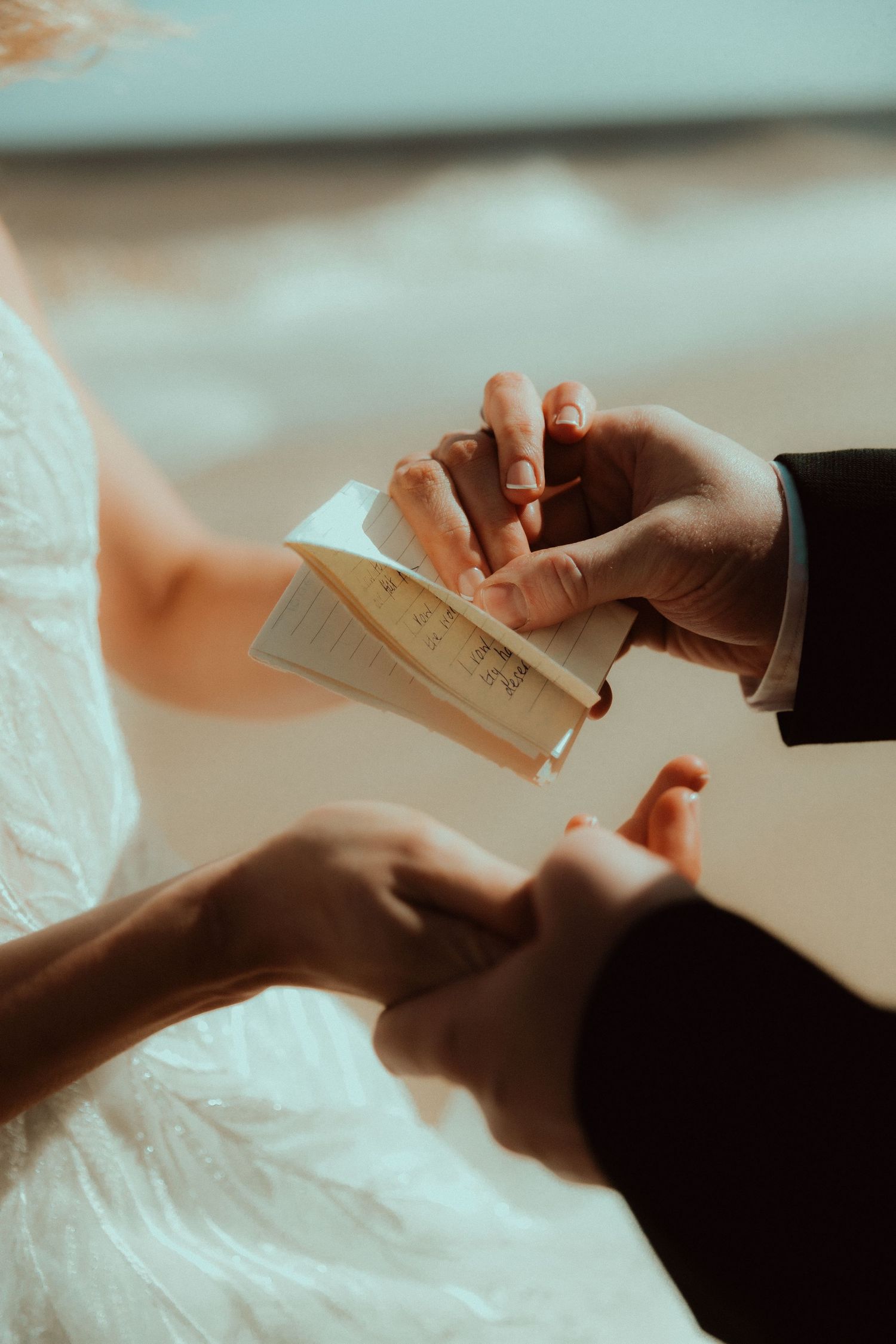
These places can create space for the moments that do not need an audience. You could read letters, exchange personal vows as part of your ceremony, stop for a photograph or simply walk together without following a schedule.
Scotland rewards couples who leave room for discovery.
Bothies, Cabins & Places To Stay
The place you stay can be just as important as the place where you exchange vows.
Scotland offers historic hotels, country estates, village inns, cottages, lodges, cabins, shepherd’s huts, campsites and bothies. Each creates a different kind of experience.
A bothy may offer simplicity, limited facilities and the satisfaction of carrying what you need. A cabin might provide a wood-burning stove, a hot shower and somewhere warm to return to after a day outside. A Highland inn can offer local food, conversation and a comfortable base between adventures.
The right stay depends on the experience you want. A remote bothy might suit a couple who enjoys carrying everything they need and waking up far from other people.
A comfortable lodge may be better for couples who want adventure during the day and warmth, food and a proper bed at night.
Accommodation can become part of the narrative: waking before sunrise, making coffee in a small kitchen, pulling on damp boots, returning after a long walk and sharing dinner somewhere cosy.
Always check access, parking, heating, cooking facilities, mobile reception and the distance to the nearest shop or restaurant before booking somewhere remote.
Beaches, Cliffs & Islands
Neist Point, Isle of Skye
Neist Point offers cliffs, sea views and a lighthouse above the Atlantic. It is dramatic, exposed and shaped by the wind, making it a powerful setting for couples drawn to the coast.
The walk and cliff edges require care, particularly in poor weather. It may be better suited to portraits and exploration than a ceremony, depending on conditions, visitor numbers and the level of privacy you want.
Luskentyre Beach, Harris
Luskentyre is known for wide sands, pale water and views towards the surrounding mountains. It can feel peaceful in calm weather, but the beach becomes more elemental when the wind arrives.
A day here could include a long coastal walk, time among the dunes, photographs beside the water and a quiet meal or overnight stay elsewhere on Harris.
Beach conditions can change quickly, so avoid treating the shoreline as a fixed stage. Leave room to move inland or change plans if the weather becomes uncomfortable.
The Beaches of Arisaig
The coastline around Arisaig offers small beaches, rocky shores, islands and views across the water. It is a beautiful option for couples who want coastal scenery as part of a mainland road trip. The area lends itself to a slower kind of elopement, with time to stop at different beaches, explore footpaths, find a quiet viewpoint and discover somewhere local to eat or stay.
The Isle of Mull
Mull offers coastline, woodland, hills, beaches, small communities and the experience of travelling by ferry. The crossing itself can become part of the story, marking the transition from ordinary life into something slower and more remote.
It could suit couples who want to spend several days exploring rather than arriving for a single ceremony and leaving immediately afterwards.
Island travel requires additional planning around ferry times, accommodation, fuel and weather. Building in flexibility will make the experience much more enjoyable.
A Wedding Built Around Exploration
The most meaningful Scottish elopements are not always the ones that take place at the highest summit or the most famous viewpoint. They are the ones that allow the couple to experience the country properly.
That might mean a sunrise walk through Glen Affric, a quiet ceremony beside Loch Etive, a waterfall near Loch Ness, a forest trail in the Cairngorms, a ferry crossing to Mull, a coastal walk on Skye, a scenic drive through Glencoe or a night in a remote cabin.
It might mean finding an old bridge, stopping beside a river, eating lunch in a village pub, getting caught in the rain or changing the plan because the mountains have disappeared into cloud.
Scotland gives you the freedom to make the wedding feel like your own adventure. You can choose the places that matter to you, move at your own pace and let the landscape, weather and unexpected moments become part of the story.
For us at Wildkin, that is where the most meaningful photographs and films often begin: not with a perfect pose or a fixed schedule, but with the two of you fully present in the place you have chosen.
Pubs, Cafés & Places To Eat
Food can be one of the most grounding parts of an adventurous wedding.
A village pub, seafood restaurant, bakery, roadside café or small hotel dining room can give the day a stronger sense of place. After a wet walk, there is something particularly satisfying about finding somewhere warm, ordering food and watching the rain against the windows.
Your wedding breakfast does not have to be formal. It could be fish and chips by the coast, soup and bread after a hike, lunch in a village café or dinner in a country inn.
When planning a remote elopement, food should be part of the route. Rural places may have limited opening hours, particularly outside the main season, so check ahead and leave enough time to eat properly.
The best itinerary is not only the one with the finest view. It is the one that leaves room for a good meal.
Wind, Rain & Snow
Scotland’s weather is not background scenery. It is part of the place.
Rain deepens the colour of the hills and gives waterfalls new energy. Mist can hide the mountains and make a familiar landscape feel entirely different. Wind brings movement to clothing, grasses and waves, while snow can transform roads, forests and peaks into something quieter and more remote.
An adventurous wedding needs to be planned with the weather rather than against it. Bring layers, waterproofs and footwear that can handle mud, rocks and wet paths. Allow more time than the map suggests, and have a sheltered alternative when conditions change.
A viewpoint may disappear into cloud. A coastal walk may become too exposed. A mountain route may no longer be sensible. Changing the plan is not a failure. It is part of respecting the landscape.
The most memorable Scottish wedding stories are not necessarily the ones with perfect weather. They are the ones where the couple experienced the place as it was, whether that meant sunshine, rain, wind, mist or snow.
Getting Married in Scotland
Scotland offers couples the freedom to create a ceremony that feels personal, meaningful and connected to the landscape. You might exchange vows beside a loch, in a forest, at a historic venue or somewhere with deep personal significance.
There are several ceremony options, and the right choice depends on whether you want a legally recognised marriage, a religious or belief ceremony, or a symbolic celebration that forms part of a wider elopement.
The legal process is manageable, but it needs to be planned carefully, particularly if you are travelling from outside Scotland or hoping to marry somewhere remote.
Outdoor ceremonies
One of the wonderful things about getting married in Scotland is that ceremonies can take place in indoor or outdoor locations, provided the location is accessible to the registrar or authorised celebrant conducting the ceremony.
That could mean a formal outdoor ceremony at an agreed venue, a quiet setting beside a loch, a woodland clearing, a private estate or a meaningful place within the landscape.
Outdoor ceremonies still require the same legal preparation as indoor ceremonies. You will need to agree the location, date and time with the person conducting the ceremony, and make sure that the setting is practical and accessible.
When choosing an outdoor location, think beyond the view. Consider parking, walking distance, uneven ground, shelter, toilets, privacy, weather, mobile reception and what you will do if the conditions change.
A beautiful location does not need to be complicated. Sometimes a short walk from a car park to a quiet viewpoint can create a more enjoyable experience than planning a demanding hike in wedding clothes.
Marriage Paperwork
If you are legally marrying in Scotland, both parties must submit the appropriate marriage notice forms to the registrar in the area where the ceremony will take place.
You will also need to provide supporting documents, which may include birth or adoption certificates, evidence of usual residence and a valid passport or other evidence of nationality.
The exact documents required can vary depending on your circumstances, particularly if either of you has been married before, is not ordinarily resident in the UK or has a different nationality.
The current National Records of Scotland guidance states that the notice fee is £45 per person. Your registrar or celebrant will be able to confirm the relevant fees for conducting the ceremony.
Do not leave the paperwork until the last minute. Contact the registration office and your chosen celebrant early, especially if you are planning a popular date, an outdoor ceremony or a wedding involving international travel.
You can find the official guidance through the National Records of Scotland.
The Ceremony Itself
A legal marriage ceremony in Scotland must include the required legal declarations and take place in the presence of the couple, the celebrant and two witnesses.
The ceremony can otherwise be shaped in many different ways. You may choose readings, music, personal promises, cultural traditions, symbolic gestures and words that feel natural to you.
The ceremony can be conducted in English, Gaelic, Scots or another language, provided everyone involved can understand the language. Translation support may be needed where appropriate.
There are no legally prescribed words for marriage vows in Scotland, which means you can work with your celebrant to create wording that feels personal rather than formal or unfamiliar.
Your ceremony might be short and intimate, or it might include several readings, stories and rituals. The most important thing is that it reflects the two people standing together.
Registrars & Celebrants
In Scotland, a legal marriage can be conducted by a registrar or an authorised religious or belief celebrant.
A registrar conducts civil marriage ceremonies through the local authority. If you are planning a civil ceremony, you should contact the registration office in the area where you intend to marry.
An authorised religious or belief celebrant may conduct a religious or belief ceremony, provided they have the appropriate legal authorisation. This can include celebrants connected with humanist, spiritual, interfaith and other recognised belief organisations.
It is important to check that your chosen celebrant is authorised to conduct a legal ceremony in Scotland. An independent or private celebrant who does not hold the required authorisation cannot solemnise a legal marriage.
An independent celebrant can still be a wonderful choice for a symbolic ceremony, personal vows or a celebration after the legal marriage has already taken place.
The important distinction is whether the ceremony itself is legally recognised.
Humanist & Religious Ceremonies
Scotland allows couples to choose a ceremony that reflects their beliefs, values and relationship.
A civil ceremony can be personal and non-religious, while a religious or belief ceremony may include prayers, readings, rituals, music or traditions that are important to you.
Humanist ceremonies are popular with couples who want a meaningful, non-religious celebration focused on their relationship, values and the promises they wish to make. An authorised humanist celebrant may be able to conduct the legal ceremony, subject to their authorisation and the arrangements agreed with the registrar.
Religious and belief ceremonies can vary considerably. Some couples may want a traditional service, while others may prefer a smaller ceremony with selected readings, music and personal elements.
There is no requirement for every part of the ceremony to follow a fixed format. Many details can be shaped around you, provided the necessary legal elements are included.
Witnesses
You will need two witnesses to be present during the legal ceremony. They do not need to be family members, and they can be friends, guests or other people you have arranged to witness the marriage. If you are eloping without guests, speak to your registrar or celebrant in advance about how to arrange witnesses.
Your witnesses will also need to sign the marriage schedule alongside you and the person conducting the ceremony.
This is worth considering early when planning a small elopement, particularly if you are travelling alone as a couple.
Handfasting & Scottish Wedding Traditions
Scottish weddings can include a range of traditions, from subtle personal details to larger elements involving family and guests.
Handfasting is a symbolic ritual in which the couple’s hands are bound together, traditionally representing their commitment and the joining of two lives. It can be incorporated into a ceremony where the celebrant agrees that it fits the structure and meaning of the day.
Other traditions and details you might consider include:
- Tartan clothing or accessories
- A family tartan or meaningful fabric
- Bagpipe music
- Scottish readings, poetry or Gaelic phrases
- A cèilidh or traditional dancing
- A quaich, sometimes known as a loving cup
- Local food and whisky traditions
- Family blessings or personal speeches
You do not need to include every tradition. Choosing one or two meaningful details can feel more authentic than trying to recreate a complete traditional Scottish wedding.
The best traditions are the ones that connect to your family, heritage, beliefs or shared interests.
Legal Ceremony Or Symbolic Celebration?
Some couples choose to complete the legal paperwork separately and then hold a symbolic ceremony somewhere more remote or personal.
This can be useful if your dream location is difficult to access, if you want complete flexibility with the ceremony wording or if you would like to exchange personal vows without the structure of a legal registration.
A symbolic ceremony might take place on a mountain viewpoint, beside a waterfall, on a beach, in a forest or at a place discovered during the trip. It could include personal vows, readings, handfasting, letters or a small ritual that represents your relationship.
If you want the ceremony itself to be legally recognised, make sure the person conducting it is authorised and that all paperwork has been completed correctly. If it is symbolic, you have more freedom over the location and format, but it should not be presented as the legal marriage ceremony.
Both approaches can be meaningful. The choice depends on what matters most to you and the kind of experience you want to create.
Gaelic, Scots & The Language Of Place
Scotland’s languages can add another layer of meaning to a wedding, particularly when a couple feels connected to the history, culture or landscape of the place they have chosen.
You might include a Gaelic reading, learn a short phrase together, choose a song with Scottish roots or use a place name whose meaning has personal significance. Scots poetry and literature can also offer beautiful material for readings, especially for couples who want something rooted in the character of Scotland.
Gaelic is still spoken in parts of the Highlands and Islands, while Scots has its own rich history across Scotland. Both languages are part of the country’s cultural identity, and using them thoughtfully can make a ceremony feel more connected to its setting.
You do not need to speak Gaelic or Scots fluently to include a few meaningful words.
A celebrant, translator, family member or local cultural organisation may be able to help with pronunciation, context and appropriate wording.
The most important thing is to understand what you are including and why. A single phrase, song or reading chosen with care can carry meaning.
Planning Around the Landscape
Scotland’s landscape can make a ceremony feel extraordinary, but it also requires thoughtful planning.
Before choosing a location, consider:
- How far you will need to walk
- Whether the ground is uneven, steep or exposed
- Whether the location is accessible to your registrar or celebrant
- Whether there is shelter nearby
- What happens if the weather changes
- Whether the location is publicly accessible or privately managed
- Whether photography, music, seating or decorations are permitted
- Where guests can park and wait
- Whether there are toilets, food and accommodation nearby
- You may also need permission from a landowner, venue or site manager, depending on the location and what you plan to do there.
A ceremony in the landscape should feel freeing, not stressful. Keeping the setup simple and allowing plenty of time will help you enjoy the place rather than spend the day managing logistics.
A Scottish Ceremony That Feels Like You
There is no single way to get married in Scotland.
You might choose a civil ceremony with family, a humanist ceremony in the Highlands, a religious service in a historic building or a symbolic exchange of vows during a multi-day elopement.
You might wear formal clothing, hiking boots, tartan, something vintage or a combination of all four. You might include traditional music, write your own vows, bring a handful of guests or spend most of the day alone together.
The legal details matter, but they do not need to define the feeling of the day. With the right planning, the ceremony can be personal, relaxed and rooted in the landscape around you.
For us at Wildkin, the most meaningful celebrations are often the ones where the formal moments sit naturally alongside everything else: the walk beforehand, the nerves, the laughter, the weather, the people you bring with you and the quiet moments after you have said your vows.
Planning For Different Abilities
An adventure wedding should be accessible to the people taking part.
Not everyone will want to hike, and not everyone will be comfortable on steep, exposed or uneven ground. A thoughtful itinerary can include different options so that guests can share the experience without being expected to complete the same route. You might choose a location with a short walk from parking, arrange a ceremony at an accessible venue and plan a separate portrait adventure for the couple. Alternatively, some guests could enjoy a café, garden or nearby village while you take a longer walk.
The important thing is to avoid treating difficulty as a measure of meaning. A short walk, a beautiful view and time together can be every bit as significant as a demanding mountain route.
Let The Day Unfold
Scotland gives couples plenty of opportunities to plan an extraordinary wedding, but the experience does not need to be complicated.
Choose a place that means something to you. Make space for the journey. Allow the weather to be part of the landscape. Leave time for food, rest, laughter and unexpected discoveries.
The day might not unfold exactly as you imagined, and that is often where the best memories begin.
An adventurous Scottish wedding is not about completing a perfect itinerary. It is about being together somewhere meaningful and allowing the place, the weather and the moments in between to become part of your story.
Photography & Film Along The Way
When the wedding is built around exploration, the photographs and film can document more than the ceremony itself.
The journey becomes part of the story: packing the car, fastening boots, walking through the trees, watching the weather arrive, sharing food, laughing at the wrong turn and taking a quiet moment beside the water.
There is room for photographs that feel unposed and connected to the place. There can be movement, distance, atmosphere and small details, alongside the portraits and family photographs you may also want.
For us at Wildkin, this kind of coverage is about preserving the feeling of the day rather than simply recording its order. The landscape matters, but so do the in-between moments that make the experience yours.
Choosing The Right Kind Of Adventure
The right Scottish elopement is not necessarily the most remote, difficult or dramatic option.
It might be a gentle walk through a forest, a day beside a loch, a scenic drive through the Highlands, a city celebration followed by dinner, or a week spent exploring the islands.
Think about what you genuinely enjoy doing together. Do you love walking, food, history, wild swimming, photography, road trips, cosy accommodation or finding places that are quiet and unfamiliar?
Build the day around those interests. Choose a location that excites you, but also gives you enough time, comfort and flexibility to enjoy it.
Adventures weddings & elopements in Scotland.
A Scottish elopement does not have to mean climbing a mountain before breakfast or spending the entire day walking with a heavy pack. Adventure can be as simple as travelling somewhere new together, taking the scenic route, stopping when the landscape catches your attention and allowing the day to unfold without rushing from one appointment to the next.
You might plan a short walk to a loch, a full mountain adventure, a coastal road trip, a city escape or several days exploring the Highlands and islands. The best approach is to choose an experience that feels exciting to you, while leaving enough space to enjoy it properly.
Hiking Routes & Mountain Walks
For some couples, walking is an important part of the wedding day. It creates time to talk, take in the landscape and enjoy the anticipation before the ceremony.
A hike does not need to be long or technically difficult to feel meaningful. A woodland path, lochside trail or short climb to a viewpoint can offer plenty of atmosphere without turning the day into an endurance challenge.
If you are planning a longer mountain route, be realistic about your fitness, experience, equipment and the time required. Wedding clothing, changing weather and photography equipment can all affect how comfortable the walk feels.
Before choosing a route, consider:
- Distance and total walking time
- Elevation gain and steep sections
- Ground conditions and exposure
- Weather forecasts and daylight hours
- Navigation and mobile reception
- Suitable footwear and additional layers
- Whether you have enough time to return safely
- A lower-level alternative if conditions change
The ceremony does not have to take place at the furthest point of the walk. Sometimes the most beautiful moment happens beside the path, at a quiet viewpoint or somewhere you stop simply because it feels right.
Scenic Drives & Road-Trip Elopements
Scotland is particularly well suited to couples who want the journey to be part of the wedding.
A scenic drive can connect several different experiences in one day: a morning coffee in a village, a viewpoint above the mountains, a walk beside a loch, a stop at the coast and dinner somewhere cosy in the evening.
Routes through Glencoe, the Cairngorms, the west coast and the North Coast 500 offer opportunities to experience changing landscapes, but it is important not to underestimate driving times. Roads can be narrow, winding and slower than they appear on a map.
A good road-trip itinerary should include:
- Fewer destinations, with more time at each
- Regular breaks for food, fuel and photographs
- Flexibility around weather and road conditions
- Accommodation that reduces unnecessary driving
- Time to enjoy unexpected stops
- A plan for returning before dark where appropriate
You do not need to cover huge distances to make a road trip feel adventurous. A short route with time to stop, explore and enjoy one another’s company can be far more rewarding than trying to see everything.
A Day With Room To Breathe
The most enjoyable adventure weddings usually have a loose structure rather than a minute-by-minute itinerary.
You may have a ceremony time, a meal reservation or a ferry to catch, but the rest of the day can remain open. That space allows for slower mornings, unexpected views, extra photographs, weather changes and moments that could never have been planned.
A relaxed elopement might look
something like this:
- A slow morning in your accommodation
- Coffee, breakfast and getting ready together
- A short walk or scenic drive
- Your ceremony or personal vows
- Time to explore and take photographs
- A picnic, café stop or relaxed lunch
- A second location if the weather and energy allow
- Dinner somewhere local
- A quiet evening back at your accommodation
There is no requirement to fill every hour. Doing less can give the day more meaning.
City Wandering
Adventure can also be found in Scotland’s cities.
An elopement in Edinburgh, Glasgow, Stirling or Inverness might involve getting ready in a characterful hotel, walking through historic streets, visiting a gallery, finding a quiet courtyard, stopping for coffee and ending the day with dinner or live music.
City celebrations offer a different pace from remote mountain weddings. They can be easier for guests to access, provide more choice when the weather changes and offer plenty of opportunities for photographs that feel candid and lived-in.
You might choose a city because it has personal meaning, because you love architecture and food, or because it gives you a comfortable starting point before heading into the surrounding landscape.
A city does not have to be the opposite of adventure. Exploring somewhere unfamiliar together, without a strict schedule, can be just as memorable as reaching a remote viewpoint.
Island Adventures
Scotland’s islands offer the feeling of going somewhere properly away from everyday life.
Travelling by ferry, staying in a small village, exploring beaches and walking along the coast can make an elopement feel like a complete escape rather than a single event.
The Isle of Skye, Mull, Harris, Lewis and other Scottish islands each have their own character, landscapes and practical considerations. Ferry times, accommodation availability, fuel, food and weather can all affect the experience.
If you are planning an island elopement, consider staying for several nights rather than trying to fit everything into one day. This gives you time to settle into the place, adapt to the weather and explore without constantly watching the clock.
The ferry crossing itself can become part of the story. So can the small details afterwards: unpacking in a cottage, walking along an empty beach, finding a local café or watching the light change across the water.
Can you legally get married outdoors in Scotland?
Yes. Outdoor wedding ceremonies in Scotland can take place in a wide range of locations, provided the necessary legal requirements are met and the registrar or authorised celebrant agrees to conduct the ceremony there.
The location must be accessible to the person conducting the ceremony. Before choosing a remote setting, consider parking, walking distance, uneven ground, shelter, privacy, weather and what you will do if conditions change.
Not every viewpoint, beach, mountain or waterfall is automatically suitable for a legal ceremony. Always confirm the arrangements with your registrar or celebrant.
For the latest official guidance, visit the National Records of Scotland.
Can we get married without booking a traditional wedding venue?
Yes. Scotland allows couples to choose from a wide variety of settings, including historic buildings, private estates, outdoor locations and other agreed places.
You will need to confirm that the location permits ceremonies and whether permission is required from a landowner, venue or site manager.
A remote location may be ideal for photographs, personal vows or part of an elopement adventure, even if the legal ceremony takes place elsewhere.
Do we need two witnesses?
Yes. A legal marriage ceremony in Scotland requires two witnesses.
They can be friends, family members or other people you have arranged to be present. If you are eloping alone, discuss this with your registrar or celebrant before the day.
Your witnesses will need to be present during the ceremony and sign the marriage schedule.
Can non-Scottish residence get married in Scotland?
Couples from outside Scotland may be able to marry in Scotland, but the paperwork and documentation can vary depending on nationality, immigration status, previous marriages and usual residence.
Both parties must submit the appropriate marriage notices and supporting documents to the relevant registrar. Additional documentation may be required for some international couples.
Start the process early and confirm the requirements directly with the registration office where you intend to marry. The official National Records of Scotland marriage guidance is the best place to begin.
How far in advance should we give notice to marry in Scotland?
You should contact the relevant registrar well before your planned wedding date, particularly if you are arranging an outdoor ceremony, travelling internationally or choosing a popular location.
Both parties must submit marriage notice forms and supporting documents. The registrar will then process the notices and prepare the marriage schedule when the legal requirements have been met.
The notice process can take longer if documents are missing or if further checks are required, so avoid leaving it until the last minute.
Can we have a humanist wedding in Scotland?
Yes. Humanist ceremonies are a popular choice for couples who want a personal, non-religious ceremony focused on their relationship, values and promises.
An authorised humanist celebrant may be able to conduct the legal ceremony. If you choose an independent celebrant who is not legally authorised, the ceremony may be symbolic rather than legally recognised.
Always confirm the celebrant’s authorisation and the legal arrangements before booking.
What is the difference between a registrar and a celebrant?
A registrar conducts civil marriage ceremonies through the local authority.
An authorised religious or belief celebrant can conduct a legally recognised religious or belief ceremony, provided they hold the necessary authorisation.
An independent celebrant can create a personal and meaningful ceremony, but they cannot legally solemnise a marriage unless they have the required authorisation. Their ceremony may instead be symbolic.
The National Records of Scotland guidance on celebrants explains the different options.
Can we include Scottish wedding traditions?
Absolutely. You might include tartan, bagpipes, Gaelic or Scots readings, a cèilidh, a quaich ceremony, handfasting or family traditions.
You do not need to include everything. Choosing a small number of details that have genuine meaning to you will often feel more personal than trying to recreate a complete traditional Scottish wedding.
What is handfasting?
Handfasting is a symbolic ritual in which the couple’s hands are bound together, representing commitment and the joining of two lives.
It can be included as part of a wider ceremony if your celebrant agrees. Handfasting itself should not be assumed to make a marriage legally recognised.
Can we get married on a mountain, beach or beside a loch?
It may be possible to hold a ceremony in an outdoor setting, but the legal and practical arrangements must be confirmed in advance.
Consider access, terrain, weather, privacy, permissions, visitor numbers and whether the registrar or authorised celebrant is willing and able to conduct the ceremony there.
Some Scottish elopement locations may be better suited to personal vows, portraits, a picnic or part of the wider adventure than to the legal ceremony itself.
Where are the best places to elope in Scotland?
The right location depends on the experience you want.
You might be drawn to the mountains and glens of Glencoe, the lochs and forests of the Cairngorms, the coastline of the west Highlands, the landscapes of Skye and Mull, or the historic streets of Edinburgh and Stirling.
Rather than choosing a location only because it is famous, consider the kind of day you want to have. Think about walking, privacy, accommodation, food, travel time, weather and whether the landscape feels connected to you.
What is the best time of year for a Scotland elopement?
Every season offers something different.
Spring brings longer days, fresh colour and changing weather. Summer offers extended daylight and easier access to many outdoor locations, although popular places can be busy. Autumn brings softer light, woodland colour and a quieter atmosphere in some areas. Winter can offer dramatic conditions, snow-covered landscapes and a more secluded feeling, but daylight is shorter and mountain or road conditions can be challenging.
There is no single best season. The right choice depends on your priorities, the location and how comfortable you are with changing weather.
What happens if it rains?
You make a flexible plan.
Bring layers, waterproof clothing and footwear suitable for mud, rocks and wet paths. Have a sheltered alternative where possible, such as your accommodation, a nearby venue, a forested area or an indoor location.
Rain does not have to spoil the experience. It can bring atmosphere, movement and depth to Scottish wedding photography and film. The important thing is making sure you are comfortable and have enough time to respond to the conditions.
Do we need to hike for our photographs?
Not at all.
Many beautiful locations can be reached with a short walk, and an adventurous wedding does not need to involve a difficult hike. We can create photographs in forests, beside lochs, around historic towns, near the coast or at viewpoints close to the road.
The experience should suit your interests, abilities and comfort level. Adventure is not measured by distance or elevation.
Can we bring our dog?
Often, yes, but it depends on the location, accommodation, land access and ceremony arrangements.
Some venues and accommodation welcome dogs, while others do not. Certain nature reserves, beaches, estates and walking routes may have seasonal restrictions or livestock considerations.
If your dog is part of the day, we can help you think through locations and timings that make the experience comfortable and practical for everyone.
Can we invite guests to an elopement?
Of course. An elopement can include just the two of you, a handful of close family members or a small group of friends.
If you are planning a legal ceremony, remember that two witnesses must be present. You should also consider guest access, walking distances, seating, weather and whether everyone will be comfortable with the planned adventure.
Can we combine a city wedding with a Highland adventure?
Yes. Scotland’s cities can work beautifully as part of a wider wedding or elopement trip.
You might begin in Edinburgh or Glasgow, explore the city, enjoy a meal and then travel into the Highlands or towards the coast. Alternatively, you could hold the legal ceremony in the city and spend the following day exploring somewhere more remote.
This approach can offer a balance of history, food, architecture, landscape and adventure.
How long should a Scottish elopement last?
That depends on how much of Scotland you want to experience.
A single-day elopement can work well if you choose one main area and keep the itinerary simple. A multi-day trip gives you more time to explore, adapt to the weather and enjoy the journey without rushing.
If you are travelling to an island or planning a longer road trip, allow additional time for ferries, driving, food, rest and unexpected changes.
How much does it cost to elope in Scotland?
The cost depends on the number of people, the location, the ceremony arrangements, travel, accommodation, food and photography or film coverage.
A simple elopement close to one base will usually involve fewer logistical costs than a multi-day adventure involving remote travel, ferries or several locations.
When creating your budget, allow for:
Marriage notice and ceremony fees
Travel and accommodation
Food and drinks
Clothing and footwear
Location or venue fees, where applicable
Photography and videography
Additional activities or transport
A contingency for weather-related changes
The best starting point is to decide what matters most to you, then build the experience around those priorities.
Can you help us choose a Scottish elopement location?
Yes. You do not need to arrive with every detail decided.
We can talk through the kind of experience you want, the landscapes you are drawn to, how much walking you enjoy, whether you prefer mountains, lochs, coastline or cities, and how remote you would like the day to feel.
From there, we can begin shaping an itinerary around the places and experiences that feel most meaningful to you.
Can you photograph and film the whole adventure?
Yes. Coverage can include much more than the ceremony.
We can document the morning, getting ready, the journey, scenic stops, walking, personal vows, family and friends, food, quiet moments and the landscape itself.
The aim is to preserve the feeling of the experience, not simply record a sequence of formal events. You can explore Scottish wedding photography, Scottish wedding videography and Scotland elopement coverage to see how Wildkin can document the day.
Do you travel throughout Scotland?
Yes. Wildkin Weddings is available for weddings and elopements across Scotland, from the Highlands and islands to cities, coastlines and rural locations.
Travel, accommodation and any additional logistical requirements will depend on the location and length of coverage. These details can be discussed when planning your day.
How far in advance should we book Wildkin?
It is worth enquiring as early as possible, particularly if you have a specific date, popular location or multi-day itinerary in mind.
Some locations and accommodation become busy during the main travel season, while remote areas may have limited availability. Booking early gives you more time to organise the ceremony, travel, accommodation and any permissions that may be needed.
You can enquire about your Scottish wedding or elopement to start the conversation.
What if we do not know exactly where we want to get married?
That is completely fine.
You do not need to arrive with every detail decided. We can talk through the kind of experience you want, the landscapes you are drawn to, how much walking you enjoy and whether you prefer a remote setting, a city, the coast or a combination.
From there, you can begin shaping a day around the places and experiences that feel most meaningful to you.
More Notes
Planning a wedding or elopement in Scotland is about more than choosing a beautiful view. The details around the day can shape how relaxed, personal and enjoyable the whole experience feels. A little preparation gives you more freedom once you arrive. It means you can spend less time worrying about logistics and more time exploring, being present and enjoying the people you have brought with you.
You might enjoy exploring:
- Scotland wedding photography: what to look for in a photographer
- How to plan a meaningful Scottish elopement
- Elopement photography vs traditional wedding photography
- How to choose the right location for your elopement
- What makes documentary wedding photography different?
- How much direction do you get from a documentary wedding photographer?
- How to include adventure in your wedding day
- Why the weather belongs in your wedding photographs
- Wedding photography for couples who feel awkward in front of the camera
- How wedding films preserve the voices, movement and atmosphere of the day
- Photography, videography or hybrid wedding coverage?
- What to expect from an elopement photographer
- How to plan a wedding day around the Scottish landscape
- Can you have a relaxed wedding without following a traditional schedule?
- Why the best wedding photographs are not always the perfectly planned ones?
Continue exploring
If Scotland has given you a taste for wild landscapes, meaningful places and weddings shaped by the journey, there are a few more places worth exploring.
Wales
From the mountains of Eryri to the coastlines of Pembrokeshire, discover a country filled with rugged landscapes, quiet valleys and places made for adventurous weddings and elopements.
→ Explore Wales
The Lake District
Explore the lakes, fells, woodland paths and stone villages of the Lake District, with plenty of opportunities for intimate celebrations surrounded by the landscape.
→ Explore The Lake District
The Peak District
Open moorland to winding country lanes and welcoming villages, explore the Peak District as a place for meaningful weddings and countryside elopements.
→ Explore The Peak District
ireland
Discover Ireland’s dramatic coastlines, historic castle ruins, mountain roads and atmospheric towns, offering a beautiful setting for weddings that feel relaxed, personal and full of character.
→ Explore Ireland