Field Note
A wedding day can take you through some beautiful places and still leave you with barely any time to enjoy them. You might get ready in a house full of people you love, marry beneath the trees, eat in a garden and dance beneath a marquee. Or you might travel between a family home, a church and a reception venue, watching the time disappear as you go. The difference isn't necessarily the number of guests, the budget or how carefully everything has been planned. Often, it comes down to how the pieces of the day fit together, and whether there's enough room for you to actually experience it. We photograph weddings across Norfolk and beyond, and I've seen both sides of this. I've watched a couple forget about the schedule, get back on the dance floor and make the most of every last minute. I've also filmed a wedding where the day ran behind, important moments were missed and the pressure of trying to get everywhere took over. The difference matters. Not just to how the day feels, but to the photographs and film that come out of it.
A wedding day needs room to breathe.
Norfolk gives you plenty of ways to bring a wedding day together. You might have a ceremony in a woodland, a reception in a marquee, a gathering in a village pub or a celebration at a private house with enough garden to make your own plans. You don't necessarily need a traditional venue with a prescribed running order. Equally, there's nothing wrong with choosing one if it gives you the setting and support you want.
What matters is whether the arrangements work together. A beautiful location can look perfect in photographs but become less appealing if getting everyone there is difficult, the schedule is too tight or you're spending the day travelling between places rather than enjoying them. It's easy to keep adding things when you're planning. Another location for photographs, another tradition, another stop on the way to the reception. Each idea might be lovely on its own, but the day has a finite amount of time. Before you add something else, ask yourself what it will give you, and what it will take away. Will it make the day more meaningful, or will it leave you rushing through the parts you already care about?
If you're still exploring the possibilities, start with Places: Norfolk. If you're deciding where to get married, our guide on How to Choose the Right Wedding Location in Norfolk looks more closely at finding a place that suits you.
When everything comes together
One of my favourite weddings of the 2026 season took place at the bride's auntie's old rectory in Norfolk. It had a huge garden, woodland on the other side of the house and enough space for a marquee in front of the property. Around 120 guests came together for the day. The bride got ready in an Airbnb right next to the big house. The ceremony took place in the woodland, with the reception and celebrations close by. The groom and his family were staying in a large rented house about 20 minutes away. When I arrived, they were still finishing breakfast around the Aga. There were different people getting ready in different places, suppliers to coordinate and a fairly large group of guests to bring together. But the day felt simple and lovely. A big part of that was the people. The guests clearly loved the couple and wanted to be there. The couple wanted to be there too, and you could feel it. At one point, the bride told me she wasn't stressing any more. She just wanted to enjoy it. And she did. You could see that attitude in the photographs. They weren't spending the day worrying about what came next or trying to make everything look a certain way. They were present with their friends and family, enjoying the wedding they'd brought everyone together for.
Towards the end of the evening, with about 20 minutes left, they turned to each other and said, “Come on then, let's get back on the dance floor and make the most of it.” That is what having room to breathe can look like. Not a perfectly controlled schedule, but a couple who are happy to be where they are, with the people they love, making the most of the time they've got.
The locations helped, of course. The preparations, ceremony and reception were close enough to work together without turning the day into a series of long journeys. But the couple's attitude mattered just as much. They gave themselves permission to enjoy their own wedding.
A relaxed day doesn't happen because you have fewer guests or spend more money. It's often the result of making choices that work for the day you actually want, then allowing yourself to be part of it.
When the schedule takes over
I've also shot weddings where the logistics worked against the couple. The bride was getting ready at the venue, then needed to travel to another location before heading to the church in a different part of the city during rush hour, and then back to the venue afterwards. By the time we reached the church, the schedule was already tight. Parking was very difficult and we only just managed a rushed first look outside. There was even a confrontation with a neighbour while trying to work around the parking situation
The wedding ran behind. Meanwhile, the reception venue had its own schedule to keep, with chefs, food service and a band all needing things to happen at particular times. The pressure was obvious. The couple were very stressed, and the day became difficult to manage. Trying to cover everything but physically being in all the places to capture it all within the time available was difficult for us too.
That's a difficult situation for everyone. And it shows why a wedding timeline isn't just a list of appointments for the couple and their suppliers. The timings affect one another. When one part slips, it can put pressure on everything that follows when it's too packed.
The problem wasn't that the couple wanted to visit their parents or marry in a chapel. Those things mattered to them. It was that too many separate movements had been packed into the day, with too little room for the reality of getting people from one place to another. It's worth thinking about that before the wedding, while you still have choices. A plan can look completely achievable on paper and feel very different when you're trying to live it.
You don't have to entertain everyone every minute
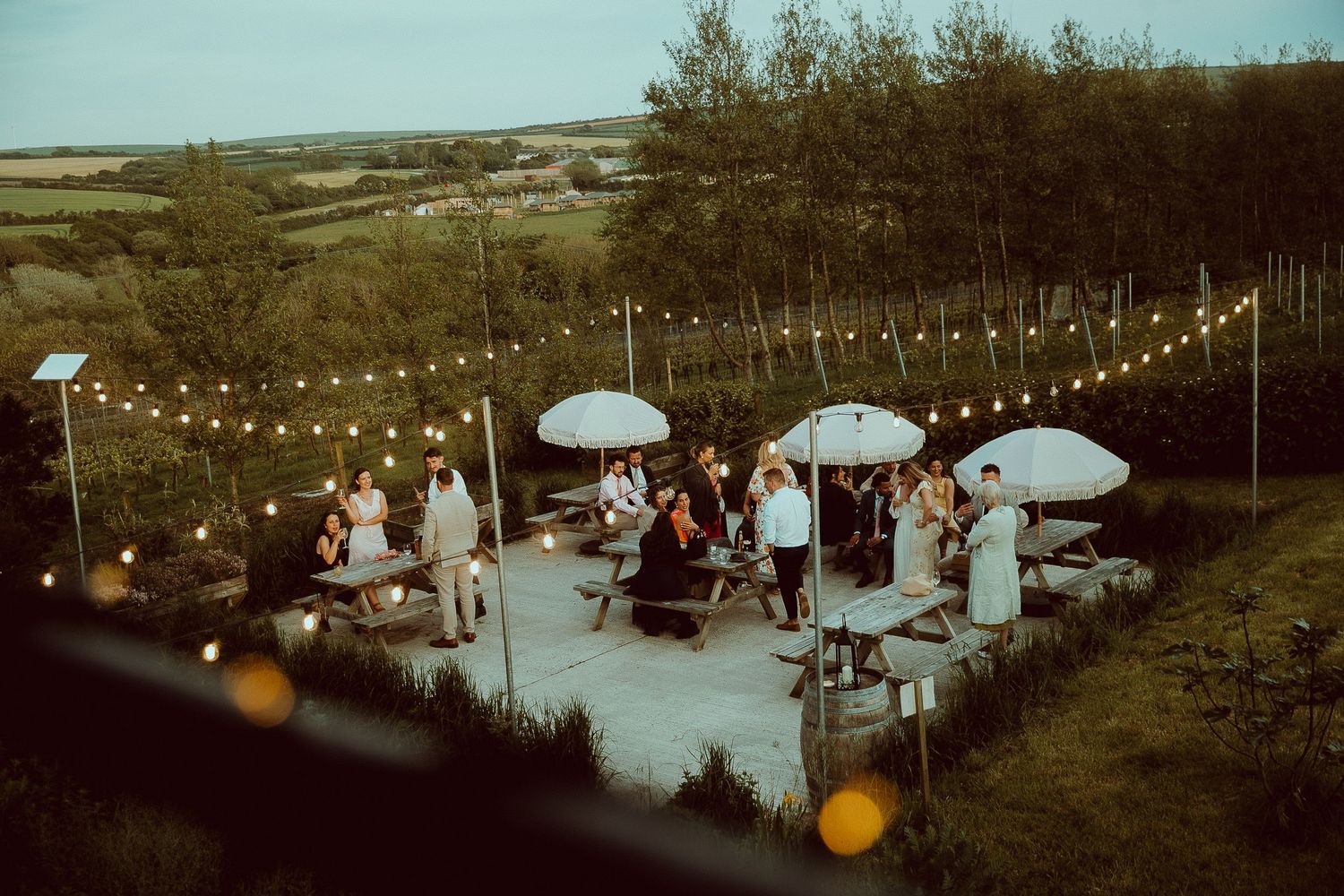
One reason couples can end up with overcomplicated schedules is the fear that guests will be bored. So they add activities, traditions, locations and things to do, trying to make sure everyone is entertained. But a wedding doesn't have to be a continuous programme of events.
Your guests are there to celebrate with you. Give them good company, food, somewhere comfortable to spend time and the chance to enjoy themselves. That doesn't mean doing away with traditions or activities you genuinely love. If you want them, make space for them. The question is whether you're including something because it matters to you, or because you feel you ought to.
I've seen how stressful it can become when a couple tries to fit too much in. I've even witnessed a couples tell their photographers that they didn't want any more photos because they needed to move on and get somewhere else. By that point, the schedule had become a source of tension rather than something helping the day along.
If you want time with your guests, protect it. If you want portraits, allow enough time for them without turning them into a marathon. If you want to spend an afternoon wandering around somewhere beautiful, don't fill every hour around it.
You don't have to make every minute productive. Sometimes the best thing you can do is let everyone enjoy being there.
Leave room for the moments you didn't plan
Some of the best photographs happen when nobody is trying to make a photograph happen. It's the conversation that carries on after the speeches. The friends who can't stop laughing. The couple who disappear onto the dance floor again because they're having too good a time to care what the schedule says.
Mell and Jack's wedding in Cornwall in 2026 is a good example. They held their ceremony at a separate location, around a ten-minute walk from the reception space. Beyond that, the day was straightforward. Everything ran smoothly, and there was time to enjoy being with their friends and family. Towards the end of the reception, things began to run behind just before the first dance. Not because there was a crisis, but because people were enjoying themselves and chatting. The couple were happy to be there, and the day felt wonderfully relaxed.
My team and I were shooting hybrid, covering both photography and video. That kind of atmosphere gives us opportunities to document the day as it actually happens, rather than constantly trying to move everyone towards the next scheduled event.
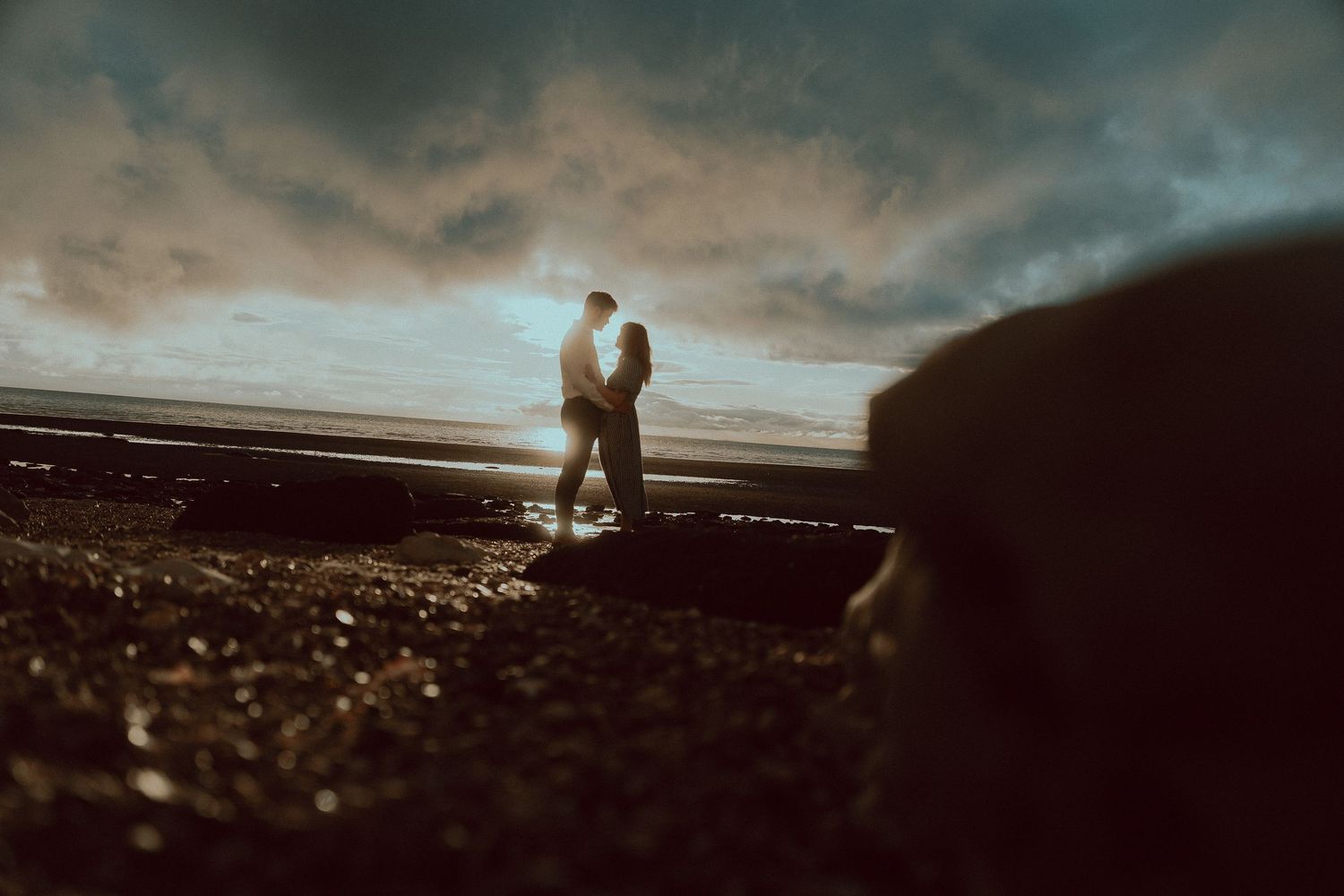
The same principle works especially well for adventure elopements. When a day is built around walking, hiking and exploring, the journey itself becomes part of the story. You don't necessarily know what you'll find, how the light will change or what will happen along the way. That's part of the appeal. Documentary photography needs room for life to happen. If every moment is squeezed between appointments, there's less freedom to stop, explore, talk, laugh or simply enjoy being together. You can't schedule an unexpected moment. You can, however, give it a better chance of happening by leaving space around the things that matter.
For more on the feeling you're hoping to create, read A Guide to Finding a Place That Suits the Atmosphere, Scale and Pace of Your Day. The location and schedule are part of the same decision: they should support the experience you want, not dictate it.
Think carefully about the space between places
When you're choosing locations, it's easy to focus on the places themselves. The ceremony spot, the reception space, the house where everyone will get ready. But the spaces between them matter too.
How far apart are they? How will everyone travel? Will older relatives or guests with mobility needs be comfortable? Is there somewhere to park? What happens if the weather changes or one part of the day runs late?
For a Norfolk wedding, that might mean travelling between a village, a country house and a coastal location. It might mean moving guests from a ceremony in a field to a reception elsewhere. Or it could mean walking from the house where you're getting ready to a woodland clearing just beyond the garden. There isn't one right answer.
Sometimes a longer journey is completely worth it because the location means something to you. The important thing is to make that choice deliberately, rather than discovering on the day how much time and energy it takes. Long walks or drives between a ceremony and reception can be particularly hard work when you're moving a large group. A country lane might look lovely on a map, but organising a hundred guests along it is another matter. Driving can mean navigating narrow roads and finding parking at the other end. Walking can turn into an exercise in getting everyone moving in the same direction.
If you're planning a more remote celebration, think about access and what your guests will need. If you're getting married on the coast, the tide, wind and changing weather may affect where you can go and how long you can stay. Our field note: 'Coastal Weddings in Changing Weather' explores some of those coastal considerations in more detail.
None of this means you should choose the easiest possible option. It means understanding the practicalities so that the places you've chosen add to the experience rather than making the day harder than it needs to be.
Give the day room to change
Even a thoughtful plan will meet reality eventually. Someone takes longer to get ready. A journey is slower than expected. The weather changes. A conversation runs on, or everyone is having such a good time that moving on feels premature. Not every delay is a problem that needs fixing.
Sometimes the best thing you can do is let the day unfold rather than treating the schedule as something that must be obeyed at all costs. That doesn't mean abandoning practical planning. Buffers matter. So does reducing unnecessary travel, allowing enough time for family photographs and portraits, and thinking through what happens if you need to change plans.
It's also worth being clear about what matters most. If the ceremony, a meal with your favourite people and a relaxed evening are the heart of the day, build around those priorities. Be more flexible about the things that matter less. The more you try to squeeze into a fixed window, the less room you have to respond when something changes. One delay can lead to another, leaving everyone trying to catch up. A little breathing room can prevent that domino effect.
This is especially important if you're planning a small wedding or elopement. Fewer guests and fewer formalities can offer more freedom, but a remote location still needs thought around access, weather, food and travel.
Our notes on Planning an Intimate Norfolk Elopement explore those considerations for couples planning a smaller, more personal celebration. The aim isn't to plan away every possibility. It's to know enough to feel comfortable adapting.
Let the photography fit around the day
As documentary wedding photographer and videographers, We're interested in the moments that happen naturally: the way people interact, the little things you might not notice at the time, and the feeling of being there with the people you love. That doesn't mean timing is irrelevant. Family photographs, portraits and filming all need some thought, particularly when there are several locations or a larger group of guests. Leaving no time for them can create pressure later in the day. But photography should be considered as part of the wider plan, rather than an extra schedule that competes with everything else.
Think about when you'd like to make time for portraits, whether there's somewhere nearby that suits you, and how much of the day you actually want to spend away from your guests. If you want photographs in a particular landscape, consider how long it takes to reach it and whether the experience will feel enjoyable rather than rushed. You don't need to build your entire wedding around perfect light or a long list of photographs.
It's our job to work with the conditions and find opportunities as the day unfolds. When there's time to breathe, we can pay attention to the things that make your wedding yours. The people, the atmosphere, the unexpected moments and all the little interactions that might otherwise get lost in the rush.
You can see more of this approach in our Documentary Weddings guide. The aim is to document the day as it feels, not turn it into a production that gets in the way of living it.
Make space for the day you actually want
There is no single way a wedding should look or feel. Some couples want a large celebration with everyone they know. Others want a handful of people, a walk somewhere beautiful and a meal afterwards. Some want a traditional venue; others would rather bring everyone together in a garden, a woodland or a place that means something to them. The right arrangements are the ones that support the kind of day you want to have.
Choose locations for more than how they look in photographs. Think about how they'll work for you and your guests, how much travelling is involved and whether the schedule leaves room to enjoy being there. Be realistic about what you can fit in, and don't be afraid to leave things out.
You can have a plan without needing to control every moment. You can make space for the people, places and experiences that matter, then allow the day to become what it becomes. The aim isn't to fit more into your wedding day. It's to give yourselves the time to be there for it.
The Wildkin lens.
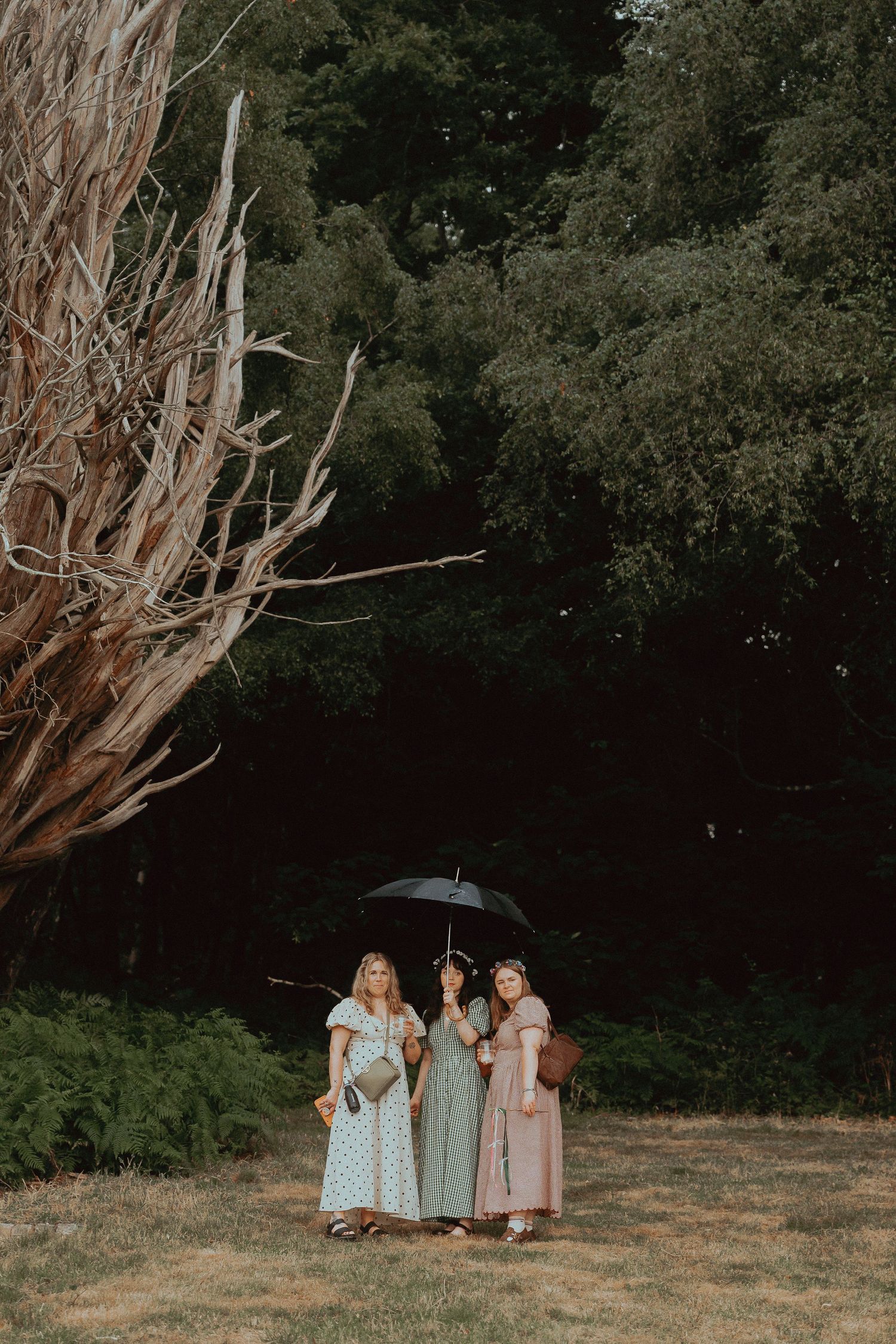
For us, the best photographs often happen in the gaps between the things you've planned. A conversation that carries on, a couple who forgets about the camera, friends making each other laugh or the decision to stay on the dance floor for one more song. Those moments aren't extras. They're part of the wedding, just as much as the ceremony or the first dance. My job is to pay attention to what's happening and document it honestly, while helping you make time for the photographs and film that matter to you. The more the day allows you to be present, the more space there is for the real story to emerge.
If you're planning a wedding in Norfolk and want photography or video that captures the people, the feeling and the things that happen naturally, get in touch with us. Tell me what you're imagining, and we'll work out how to make the day feel like yours.
→ Explore Norfolk
Discover the places, landscapes and possibilities that make Norfolk such a lovely place to get married.
→ Choosing your wedding location
A guide to finding a place that works for your plans, your people and the kind of day you want.
→ Finding your wedding day's place
Explore how atmosphere, scale and the rhythm of a day can shape the experience of your wedding.
→ Coastal Weddings in Changing Weather
For couples drawn to the Norfolk coast, with its shifting skies, open beaches and unpredictable weather.
→ Documentary Weddings with Wildkin
Photographs and videos that leave room for the real moments, the people and the feeling of being there.
→ Norfolk WEDDING PHOTOGRAPHY
If you're looking for a Norfolk wedding photographer for a coastal wedding, you can explore more about how we photograph weddings across Norfolk.
→ Planning an intimate Norfolk wedding
Ideas and practical considerations for making a smaller, more personal celebration your own.
→ Tell us what you're planning
If you're looking for a wedding photographer or videographer who'll document the day as it unfolds, we'd love to hear what you have in mind.