The Field Guide
Every Field Guide exists for one reason. To help you understand something before you make a decision.
This one begins with analogue. There are plenty of places that will tell you which film stock to choose, which camera to buy, or why film photographs look different. Slower Stories is interested in something else.
Analogue photography isn't simply about the way a photograph looks. It's about the way we make it. The limitations. The waiting. The uncertainty. The decision to press the shutter and move on. And sometimes, the freedom that comes from knowing we don't have to capture everything.
Not nostalgia. But intention.
The photographs between the photographs
The obvious moments at a wedding are easy to recognise.
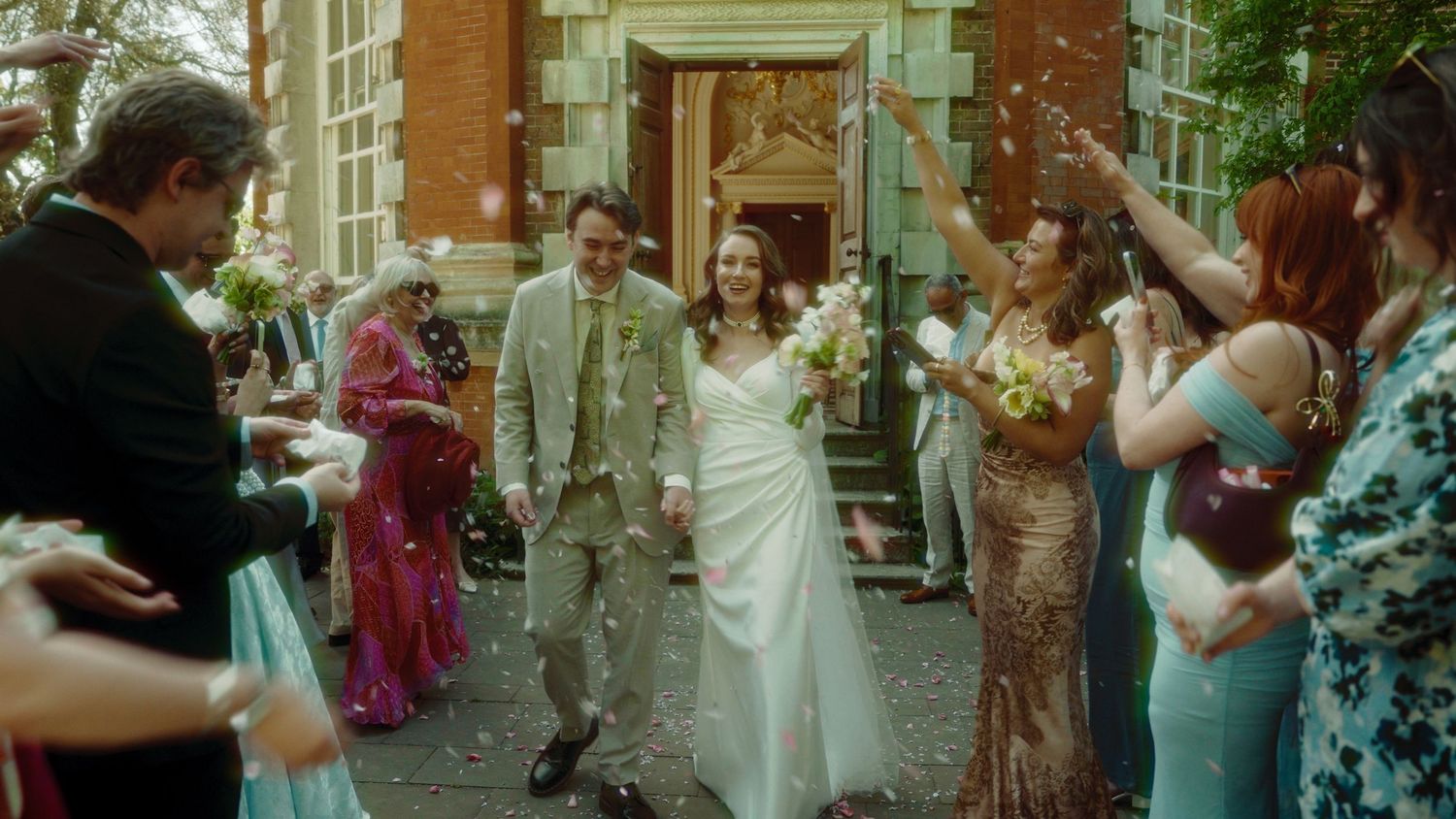
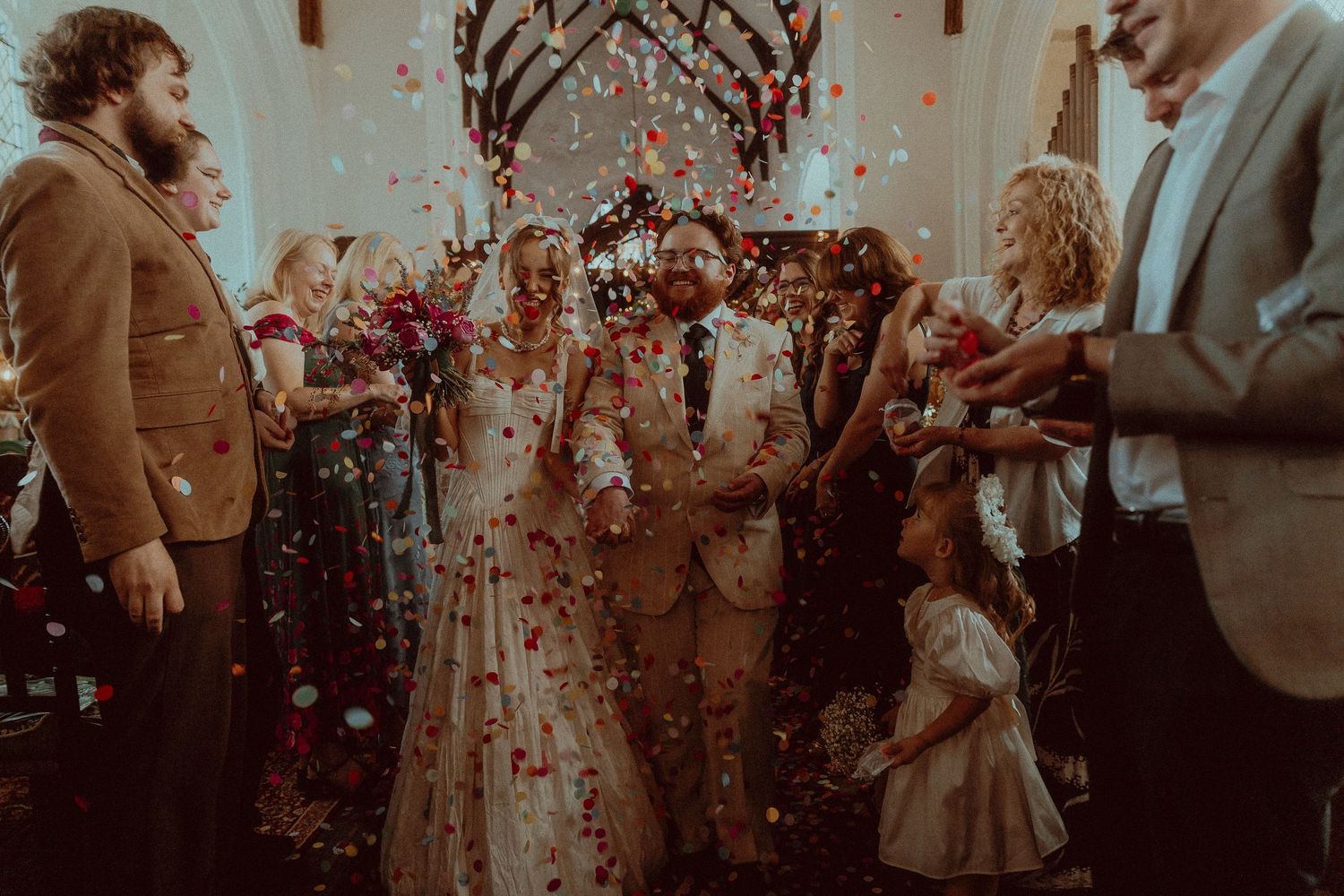
The ceremony. The first kiss. The speeches. The confetti. The dancing. They're important, and we'll be there for them. But weddings are full of smaller moments that don't announce themselves.
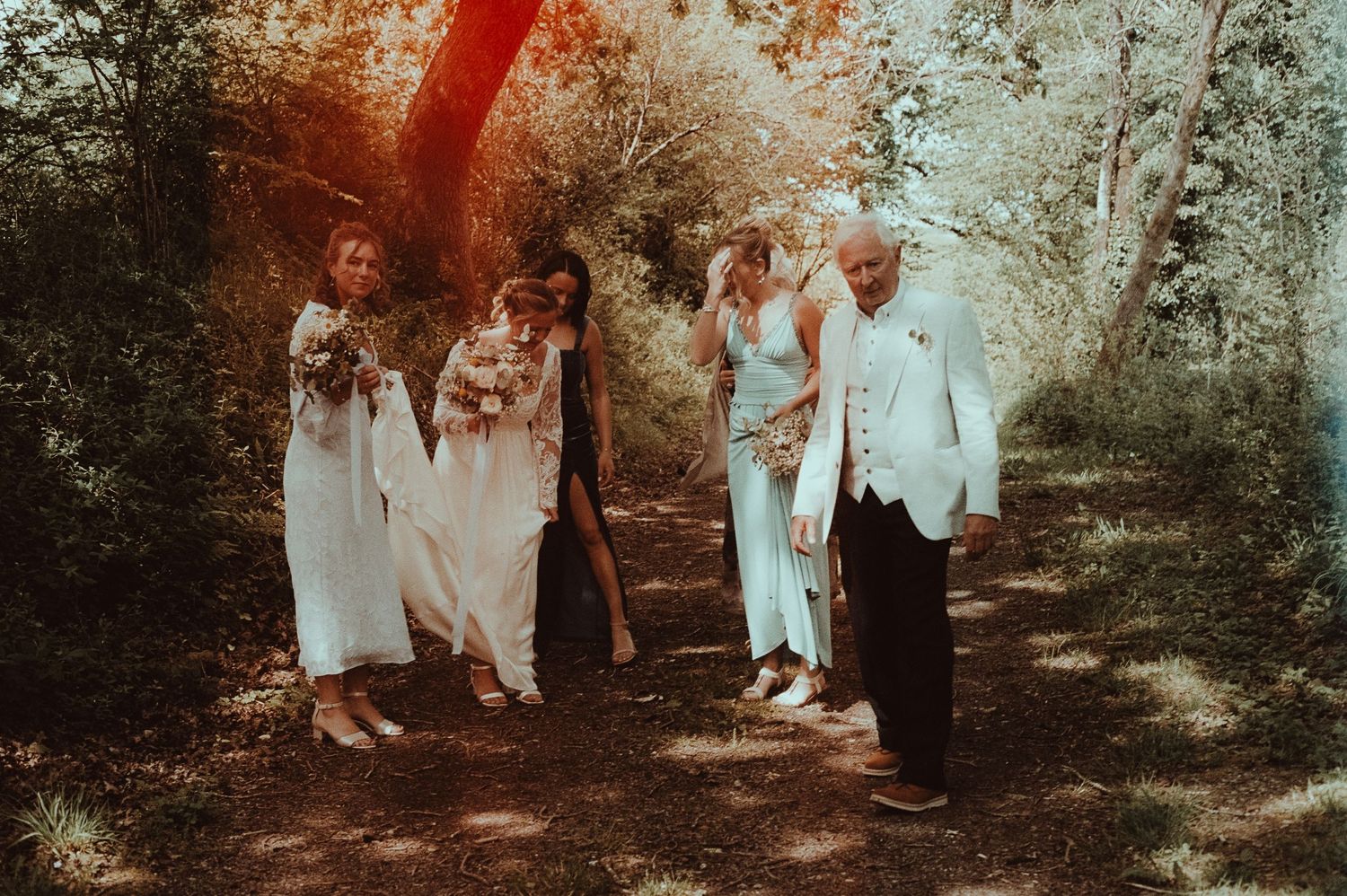
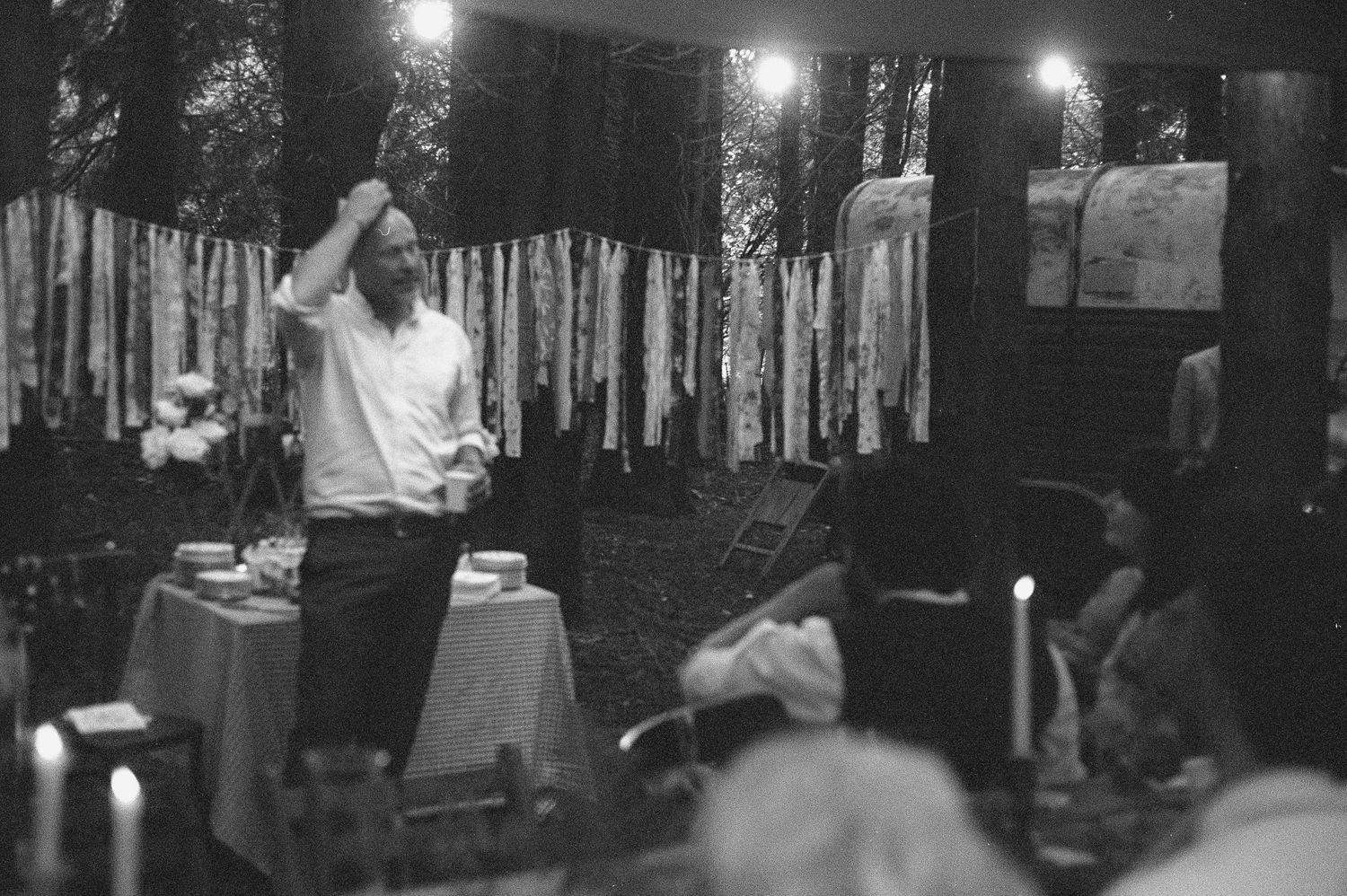
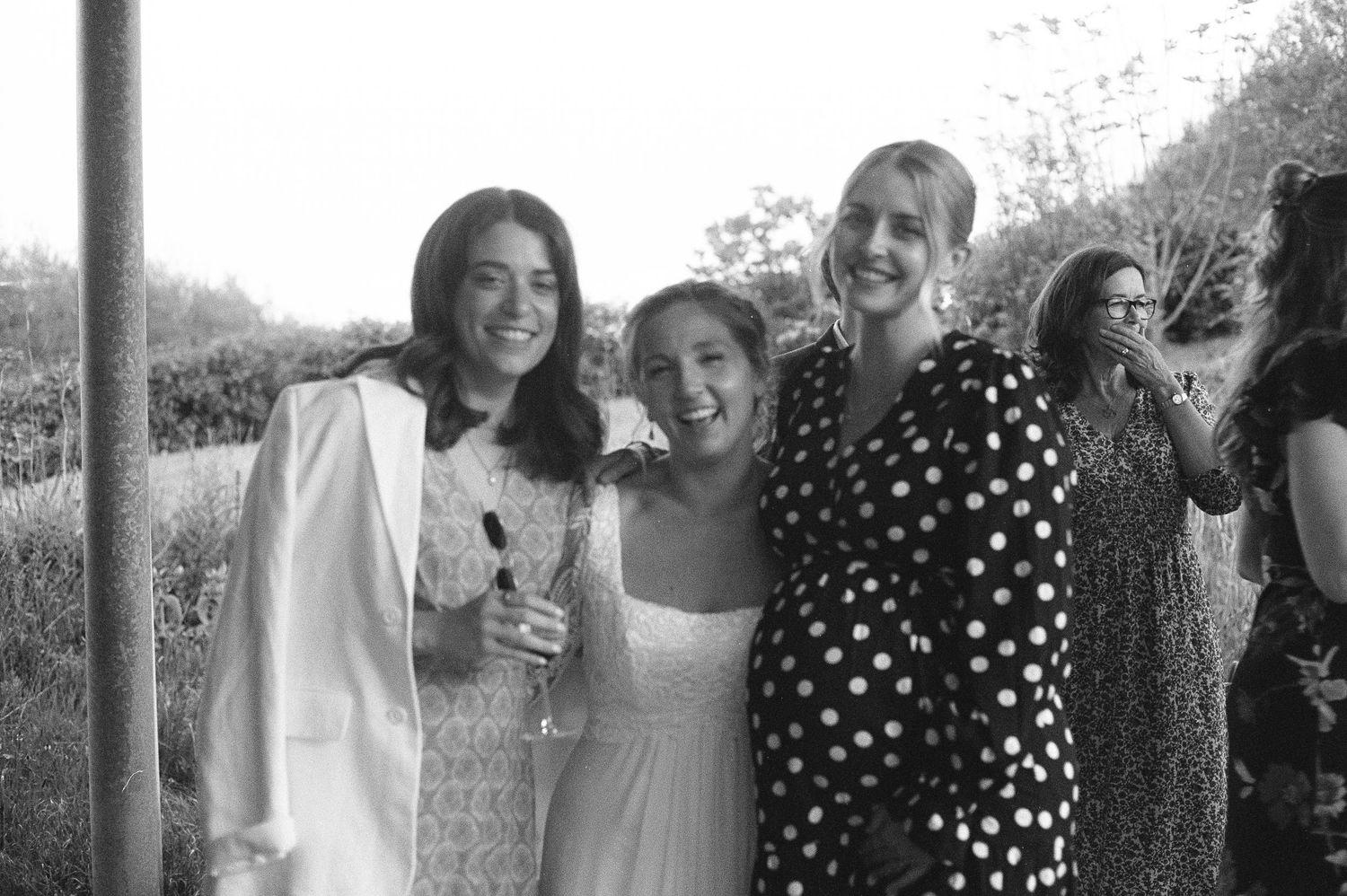
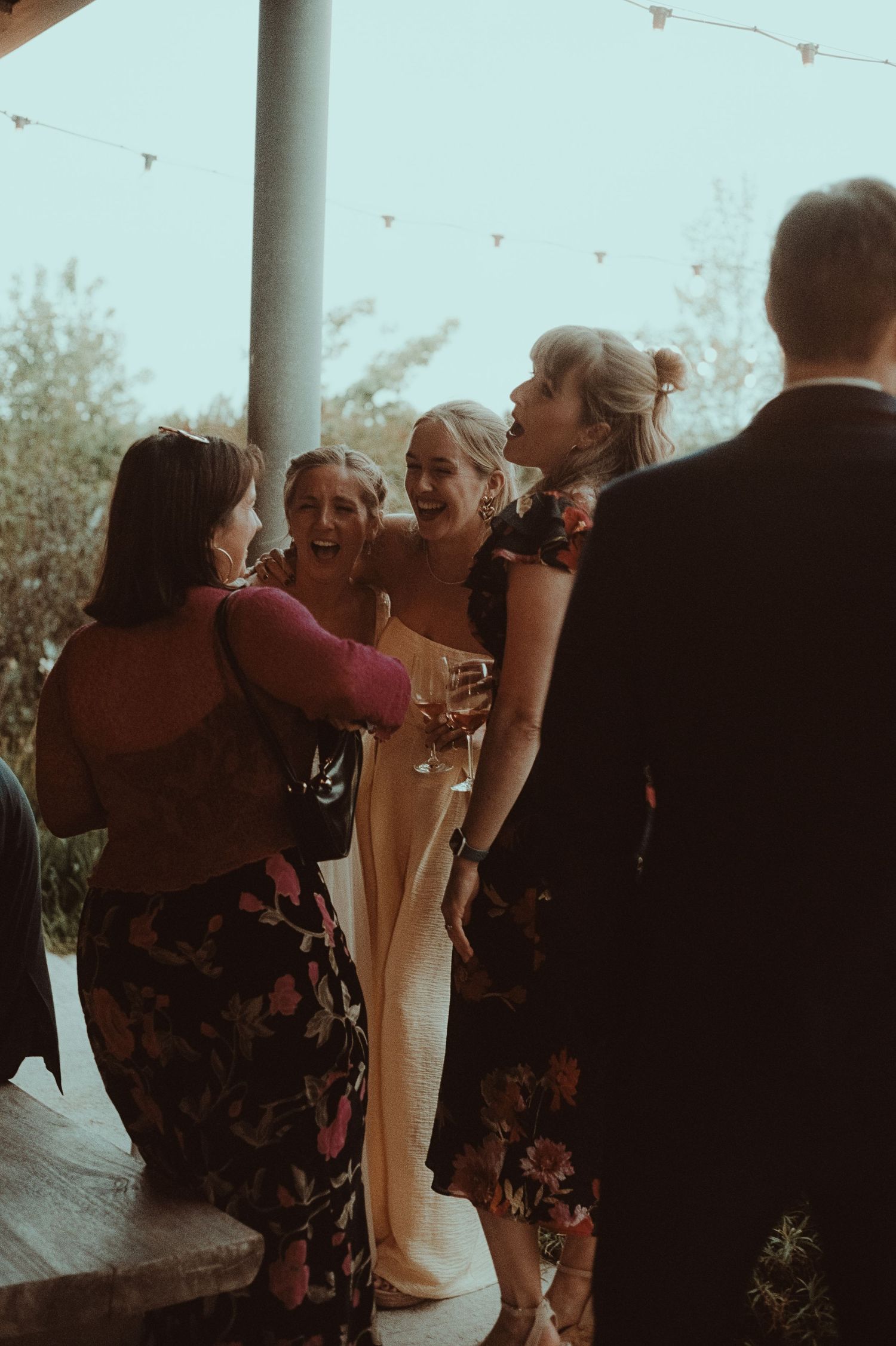
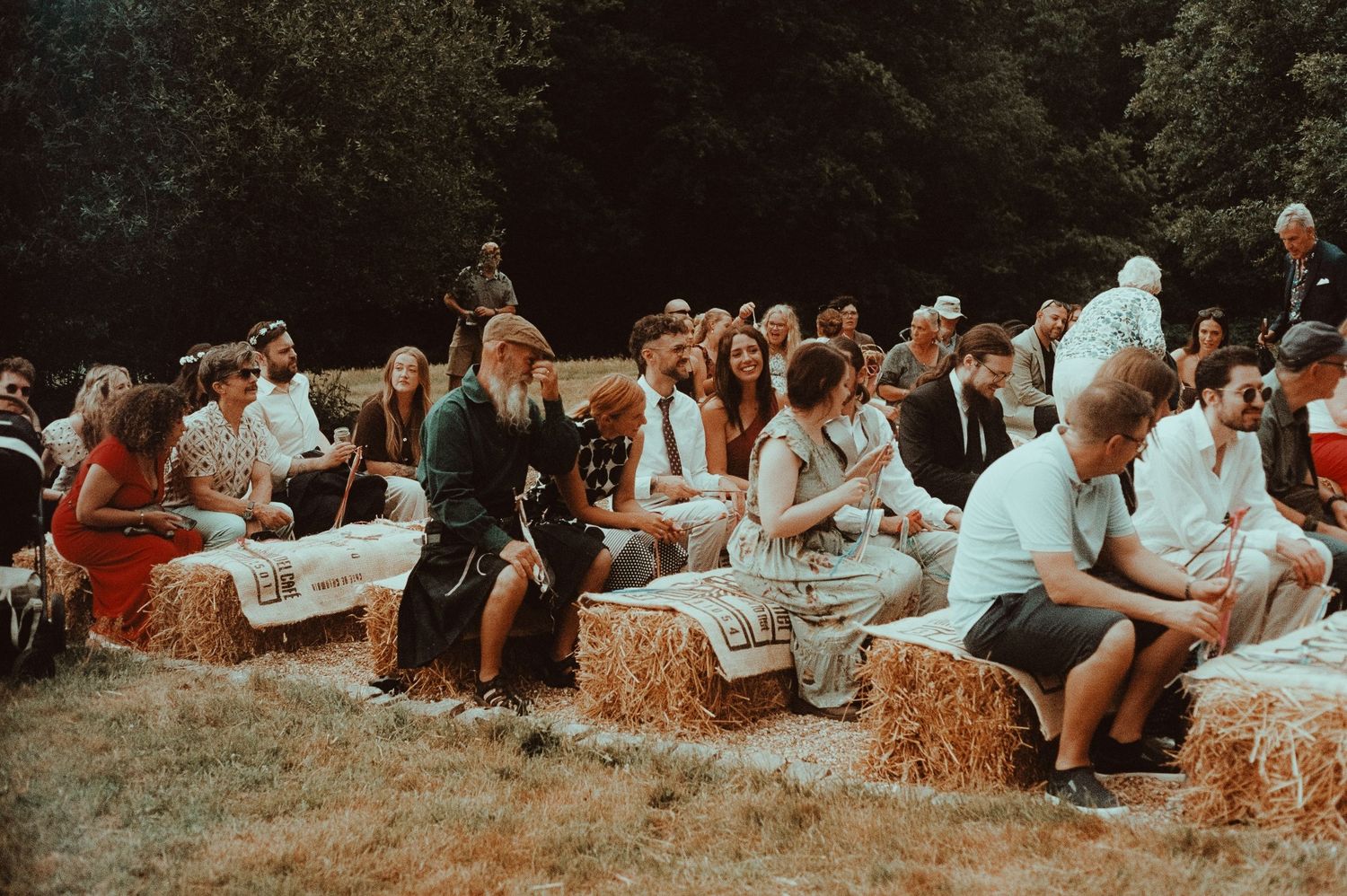
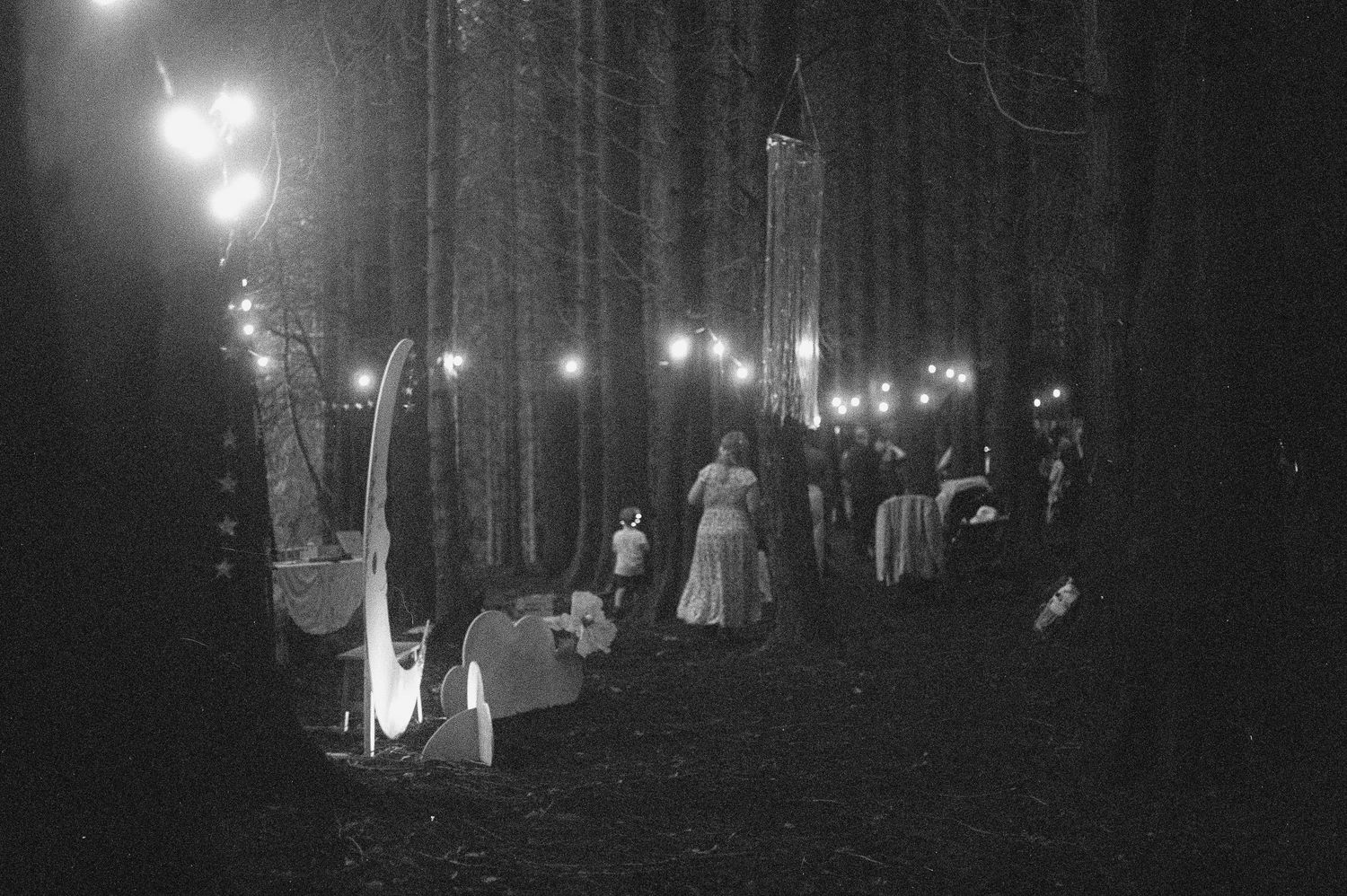
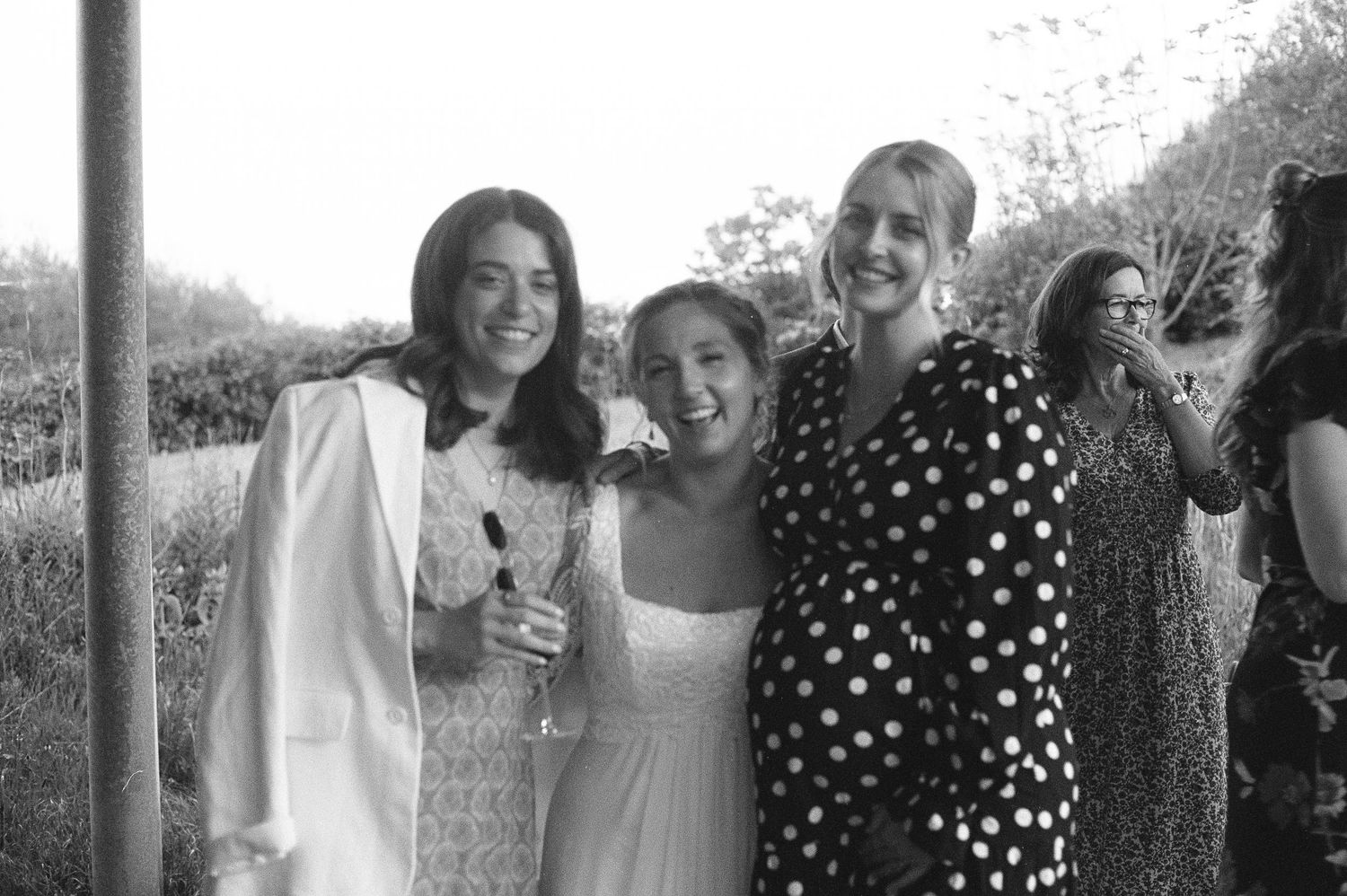
Someone fixing a friend's buttonhole. A parent watching from the back of the room. A hand reaching across a dinner table. Someone laughing before they realise they're being photographed.
The quiet few seconds after a ceremony, when everyone is still taking it in. Your friends talking in a corner.
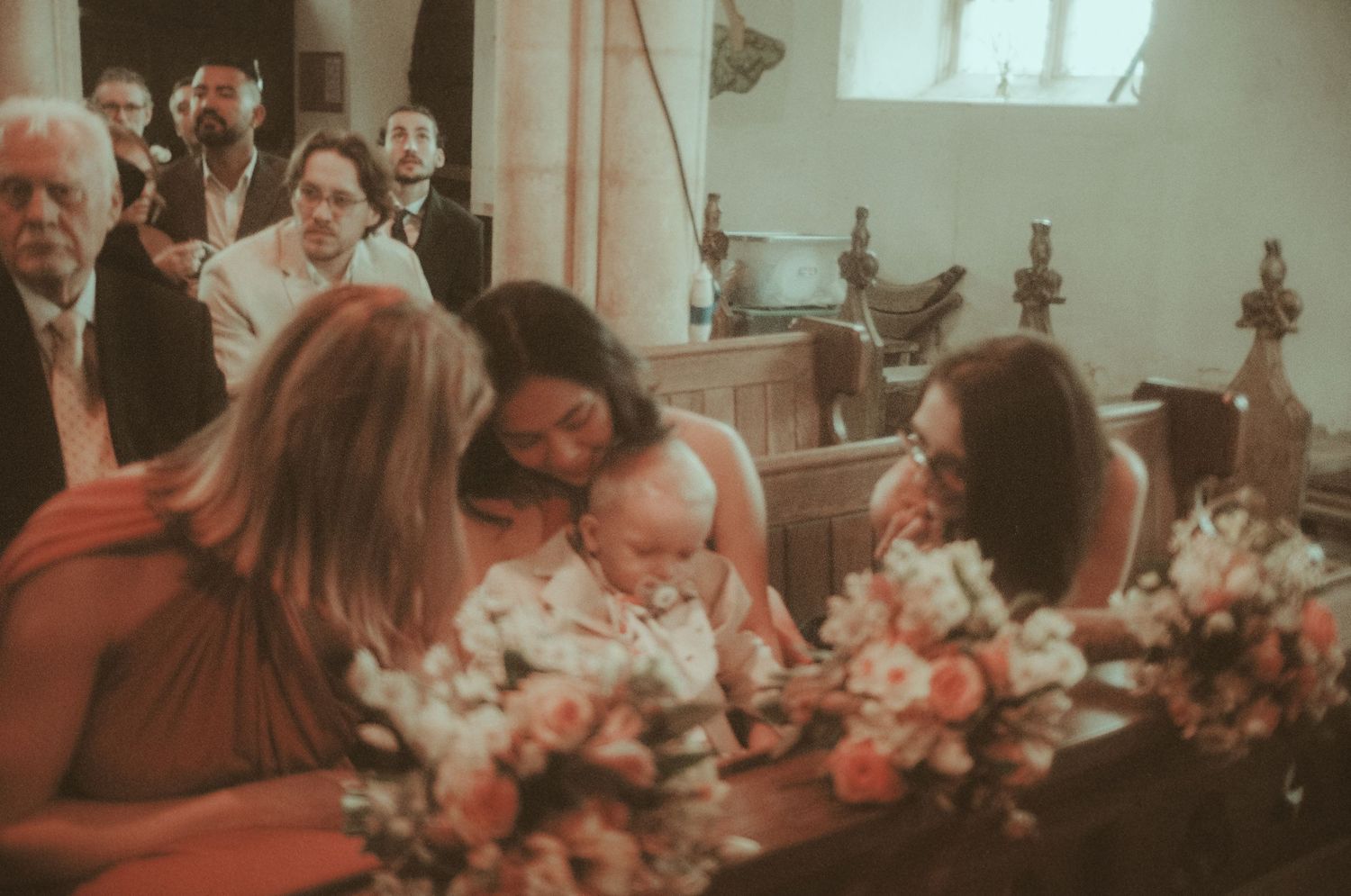
A child asleep against someone's shoulder. The person who has spent the whole day making sure everyone else is having a good time finally sitting down.
These things don't necessarily look important while they're happening. Years later, they can be some of the photographs you care about most. Film encourages us to look for them.
Why photograph a wedding on film?
A wedding can produce an enormous number of photographs.
Digital cameras can make hundreds of frames in an afternoon. Memory cards can hold thousands. A moment can be photographed, checked, photographed again and moved on from almost instantly.
Film asks for something different. A roll of 35mm might give us 36 exposures. Once those frames are gone, they're gone. There is no screen on the back of the camera telling us whether the last photograph worked.
No instant opportunity to make another version.
We have to look first. Then decide. Then press the shutter.
And that's where the slower part begins. Not because we're asking you to slow down. We're not. Your wedding should still move at its own pace. We're simply slowing ourselves down enough to pay attention to what is already happening.
Why this guide exists:
There is a lot of conversation around analogue photography.
Film stocks. Cameras. Grain. Colours. The return of 35mm. The difference between formats.
All of that can be interesting. But before any of those things matter, there is a much simpler question:
Why choose film for your wedding in the first place?
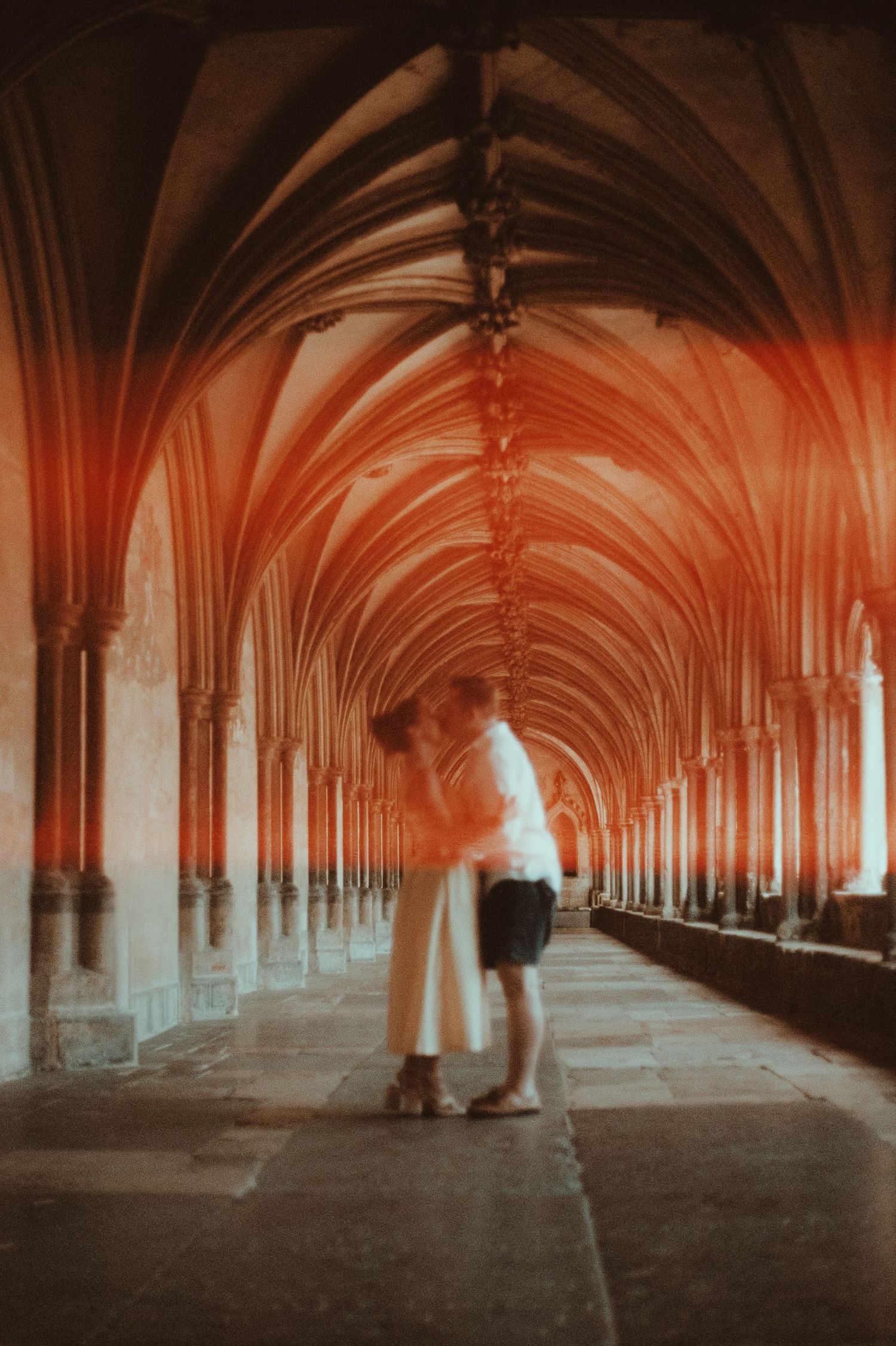
That's what this guide is here to explore. Because analogue wedding photography isn't simply a different way of making photographs. It changes the pace at which we make them.
It asks us to look before we press the shutter. To accept that we won't see everything immediately. To make fewer decisions, but make them with intention and sometimes, to accept a little uncertainty in exchange for something that feels more personal.
We don't think film is automatically better than digital. we don't think every wedding needs it. And we don't think choosing analogue should mean changing the way you experience your wedding. We simply think there is something worth understanding about a slower way of making photographs.
This guide explores:
What it actually means to photograph a wedding on film, and why couples choose it.
35mm
The format we use for moving through a wedding quietly, observing the moments between the obvious ones.
Medium format
A slower, more considered approach for portraits, people and places where we want to give the frame a little more room.
Polaroid
Photographs that don't just live in a gallery, but become something you can hold, share and keep.
Film and digital
Why we don't believe you have to choose between the two, and how they can work together to tell a fuller story.
The reality of film
Limited frames, no instant previews, developing, scanning, uncertainty and the occasional imperfect photograph.
The process
What happens to your film from the moment we press the shutter to the moment those photographs arrive with you.
Whether it's right for you
Because analogue isn't for everyone, and we think you should understand what you're choosing before you decide.
It changes the relationship with the photograph.
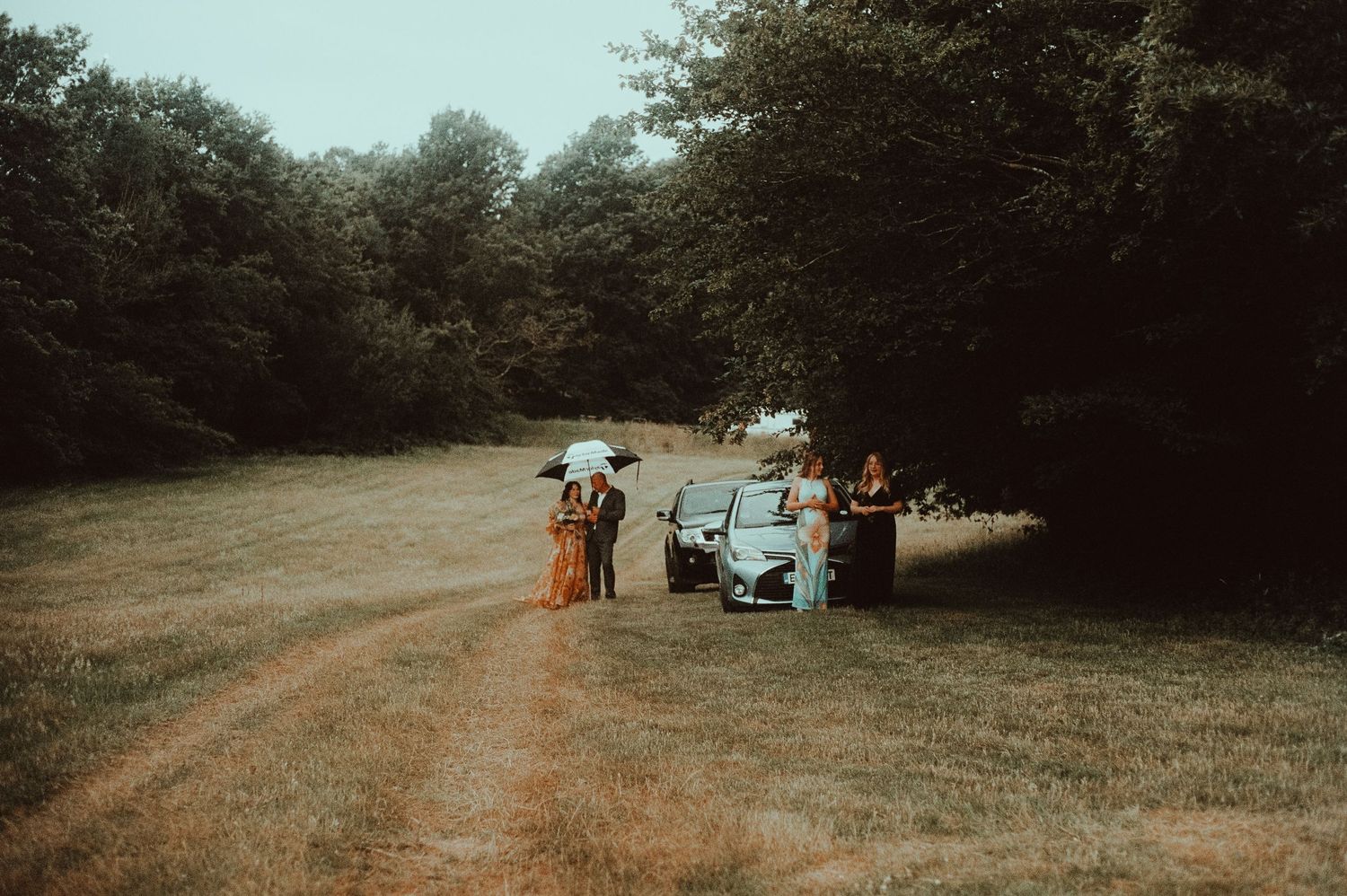
A digital photograph appears almost immediately. Film takes its time.
The roll has to be finished. The film has to be developed. The negatives have to be scanned or printed.
There is a gap between making the photograph and seeing the result.
We have to trust it.
And when the photographs eventually come back, there is something satisfying about seeing moments that have been waiting for you. Not because the wait makes them more valuable.
Because the photograph has had time to become a memory before you've seen exactly what it looks like.
It changes what we keep.
When there is no practical limit to the number of photographs you can make, it's easy to photograph everything. That can be useful.
It can also make everything feel equally important. Film introduces a little more selectivity. Not every moment needs to become a photograph. Some things can simply happen.
And because we aren't trying to record everything, the photographs we do make can feel more considered.
A smaller collection doesn't necessarily mean a smaller story.
Sometimes it means you can actually see the story.
What does analogue actually change?
It changes the pace.
Not the pace of your wedding. The pace of the person photographing it.
With digital, there is almost no reason not to take another photograph. With film, there is.
Every frame is finite. That doesn't mean we're standing around calculating the value of every shutter press.
It simply means we're paying attention before we make it. We notice the light. We notice the movement. We notice the expression.
We notice what is about to happen.
And sometimes we wait.
Analogue and digital don't have to compete
We don't believe choosing analogue means choosing against digital.
In fact, they can work beautifully together.
Digital gives us freedom. It allows us to respond quickly when something unexpected happens. It gives us flexibility in difficult light. It lets us make photographs without worrying about how many frames remain.
Film gives us limitation. It asks us to slow down. To choose. To wait. To trust.
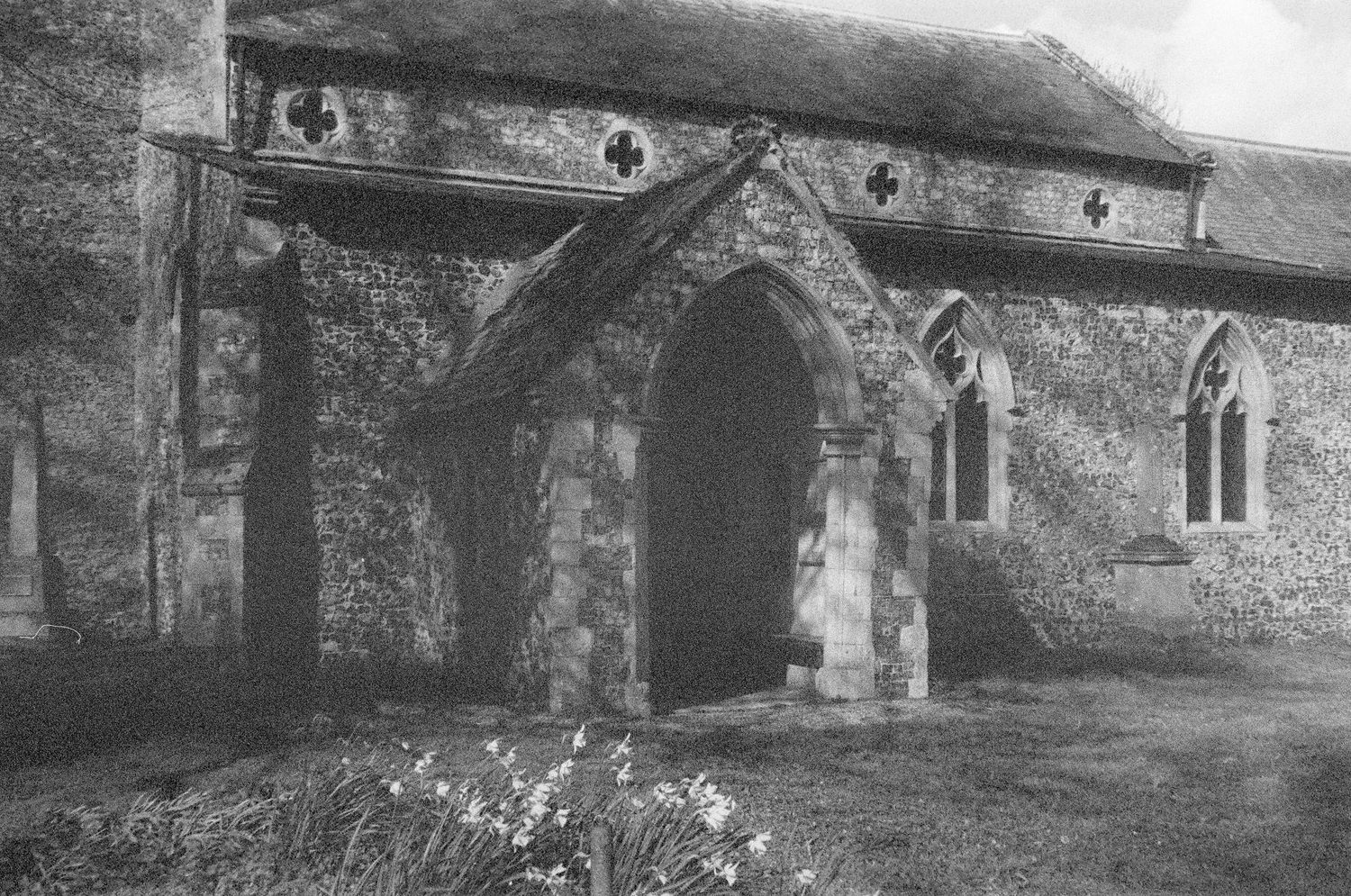
The two approaches can sit alongside each other without one cancelling out the other. A digital photograph might hold the whole scene. A film photograph might hold one small part of it. One isn't more important simply because it was made on film.
They are different ways of seeing the same day.
Analogue isn't about making things look old
This is probably the biggest misconception about analogue wedding photography.
Choosing film doesn't mean trying to make your wedding look like it happened decades ago.
We aren't photographing your wedding on film because we want to manufacture a vintage aesthetic.
And we don't think every photograph needs to have heavy grain, muted colours or a nostalgic feel.
Film can be colourful. It can be clean. It can be soft. It can be grainy. It can be imperfect. It can be quiet. It can be completely unexpected.
The point isn't to make your wedding look like somebody else's photographs. It's to use a different photographic medium to record your wedding.
The way the light actually fell. The way people actually moved. The things that happened when nobody was trying to make them happen.
Abalogue
Analogue isn't magic
Analogue doesn't automatically make a photograph meaningful. A roll of expensive film can't create a moment that wasn't there. Grain isn't emotion. A beautiful colour palette isn't connection.
And a technically imperfect photograph isn't automatically a good photograph just because it was made on film.
The important things still come first. The people. The place. The light. The timing. The observation.
The relationship between everything happening inside the frame.
Film is simply another way of paying attention to those things.
Sometimes it gives us something we couldn't have made in quite the same way digitally.
Sometimes digital is the better tool. Knowing the difference matters more to us than insisting that one is always better.
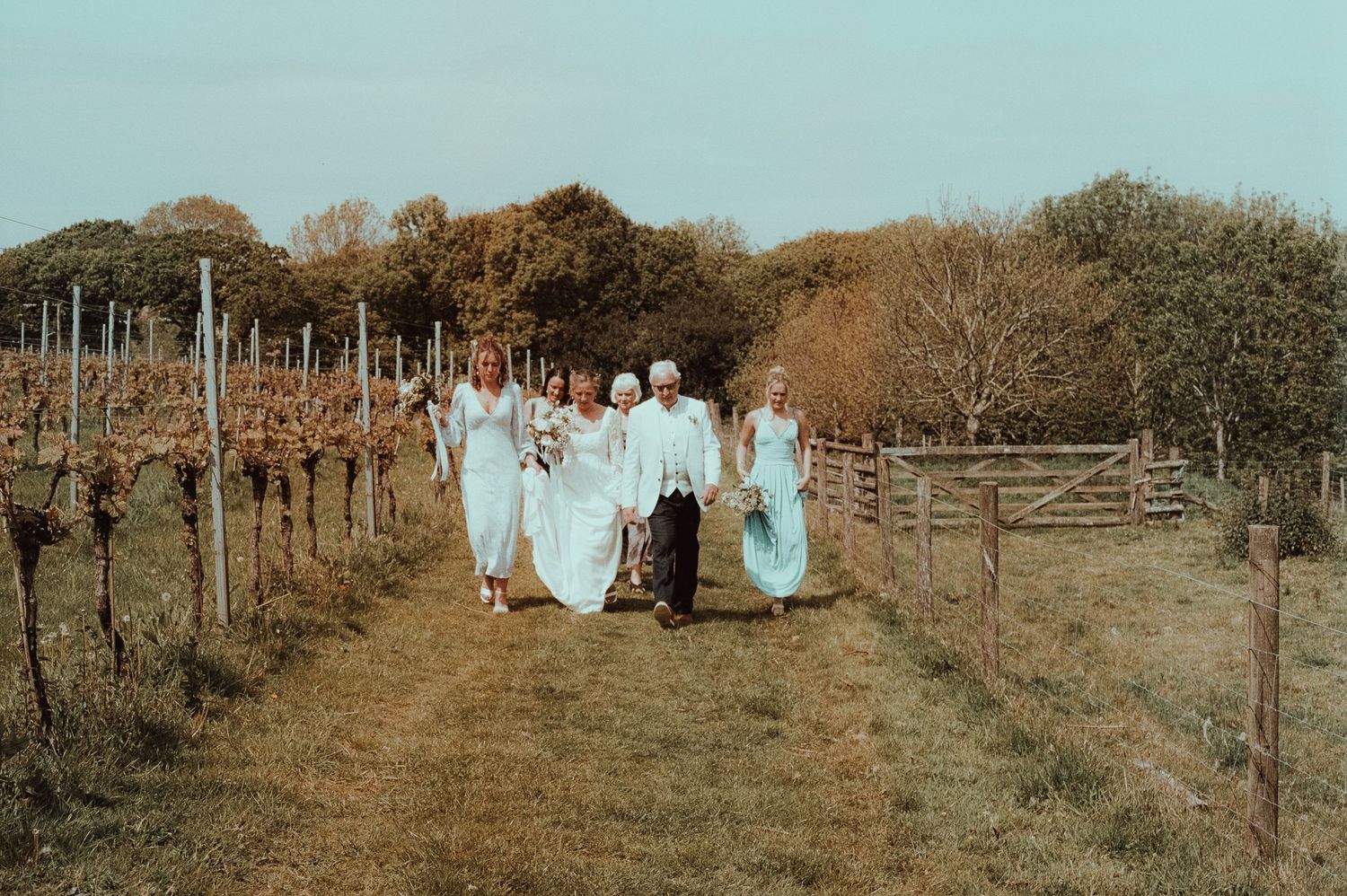
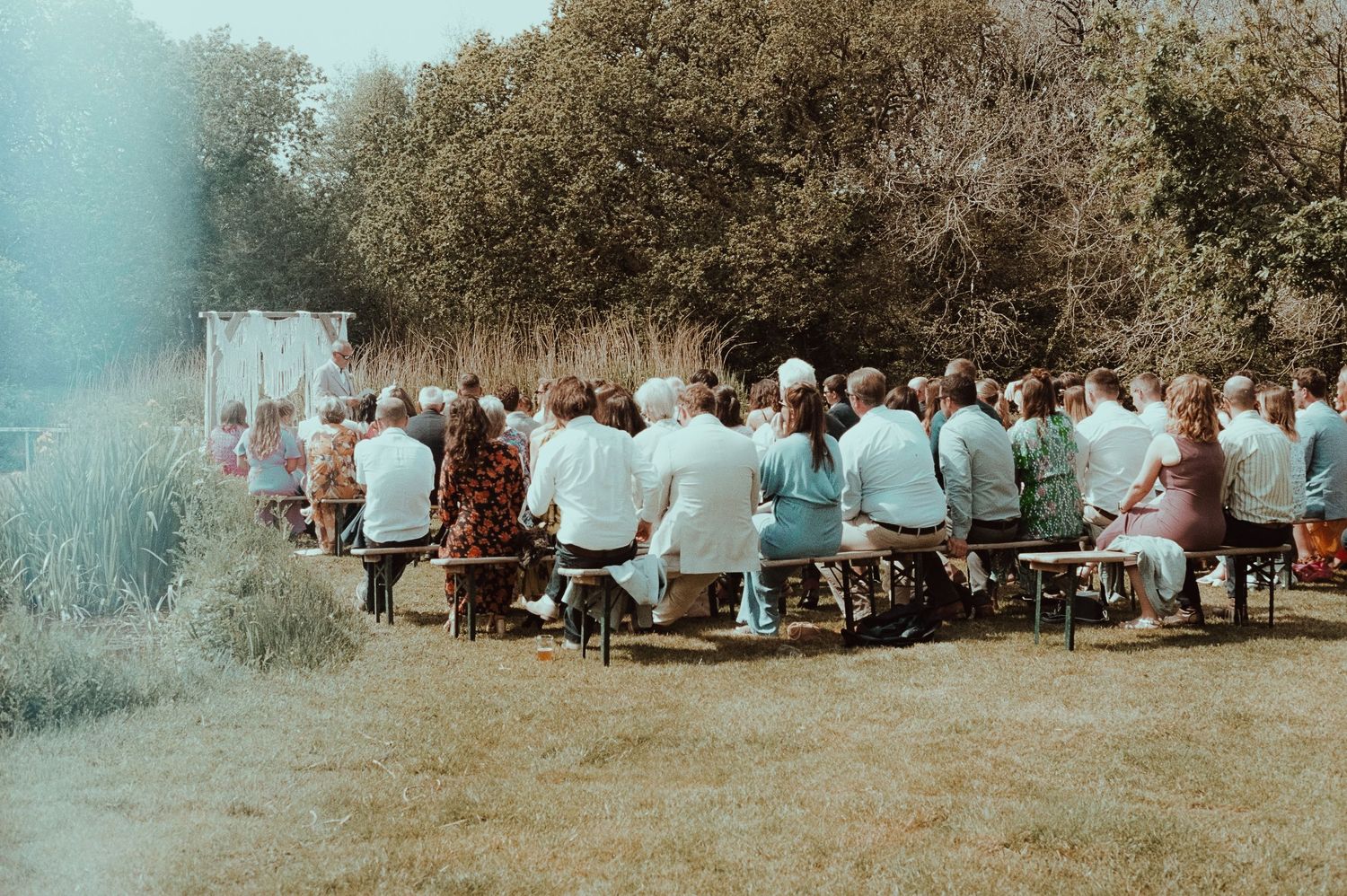
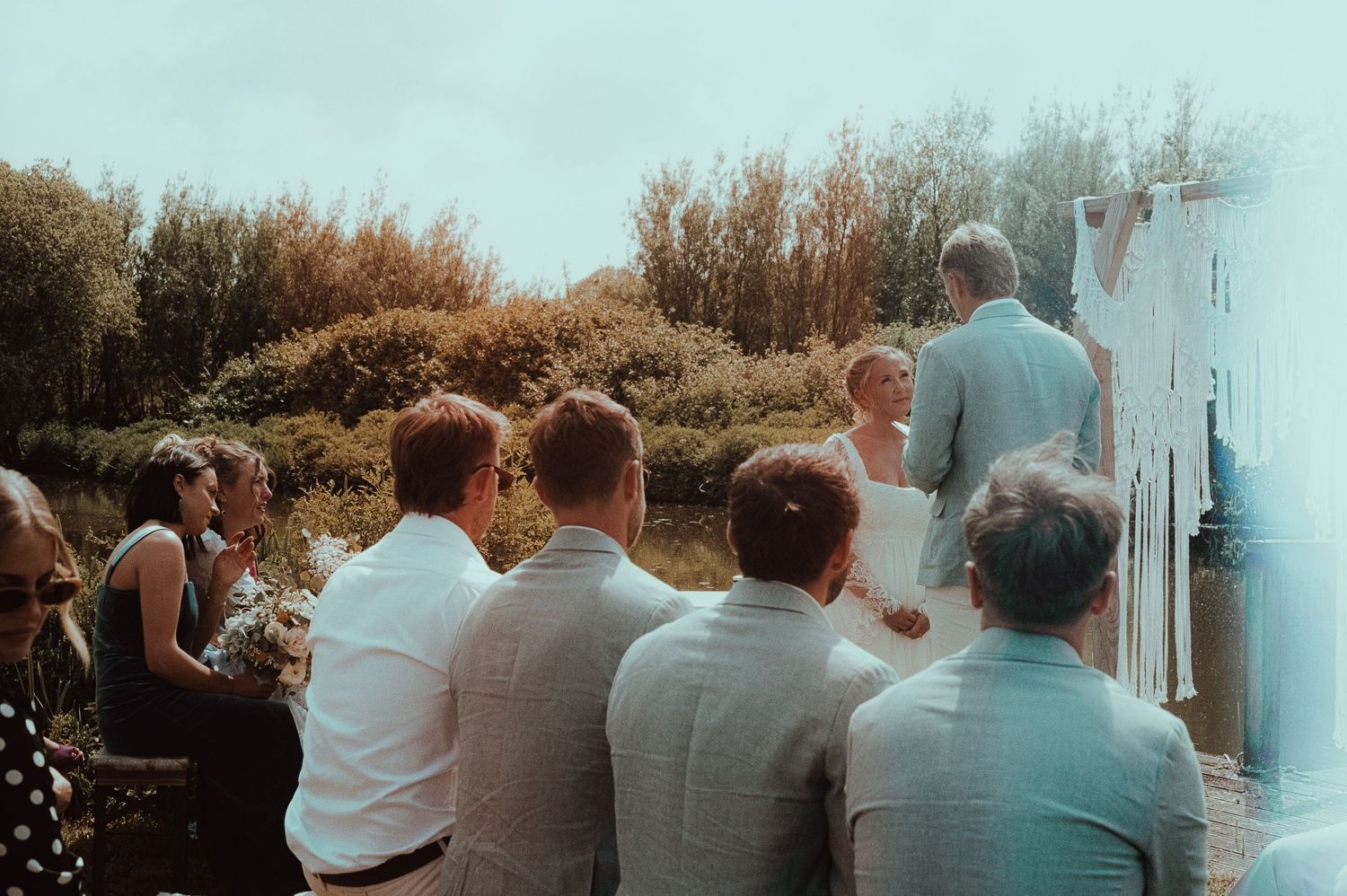
A slower story doesn't mean a slower wedding
This matters. Choosing analogue shouldn't turn your wedding into a photoshoot.
You shouldn't have to stop what you're doing because the photographer wants another frame. You shouldn't have to recreate a moment because the first photograph wasn't perfect. You shouldn't spend your wedding thinking about whether you're standing in the right light.
You should be getting married.
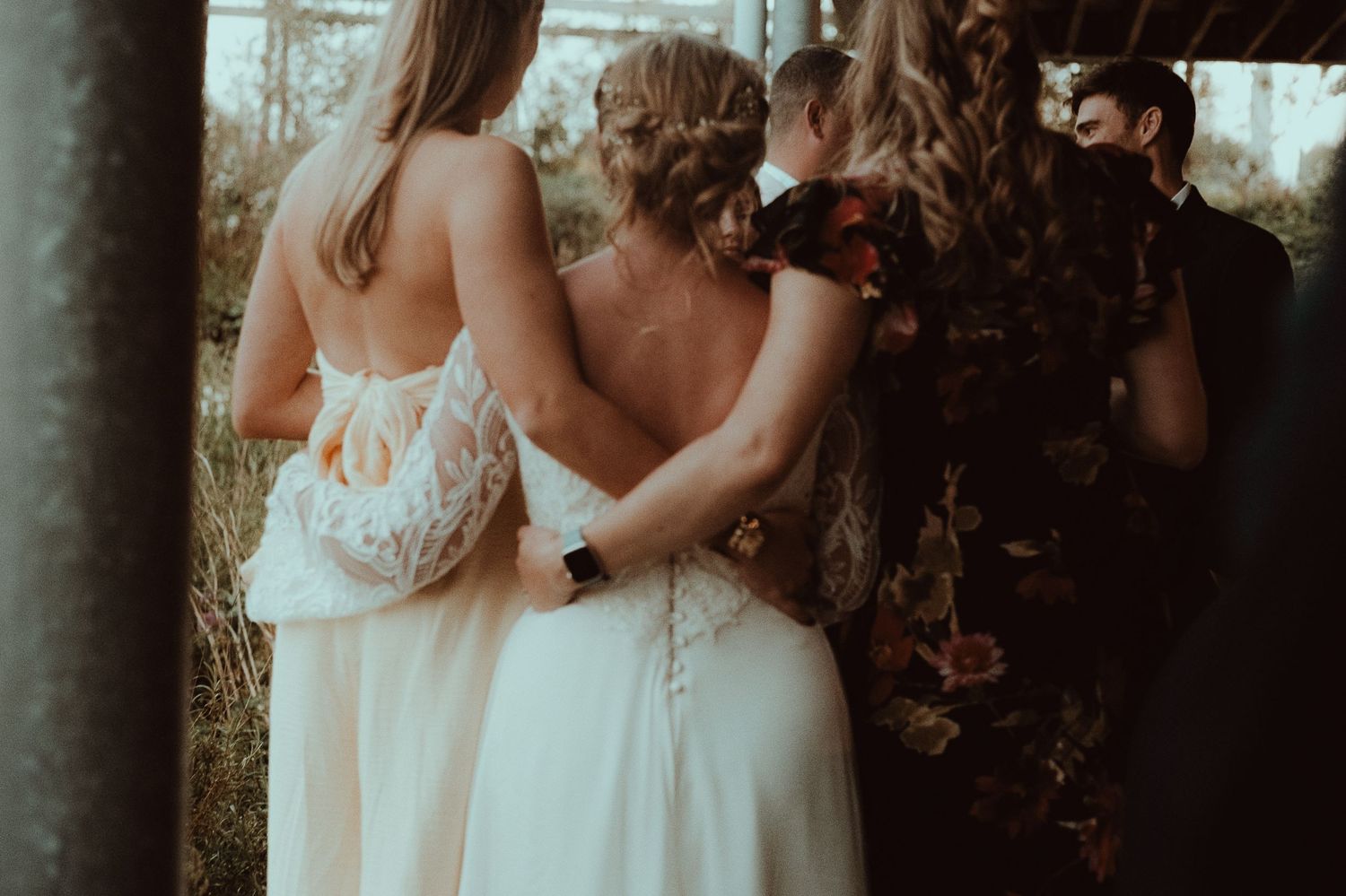
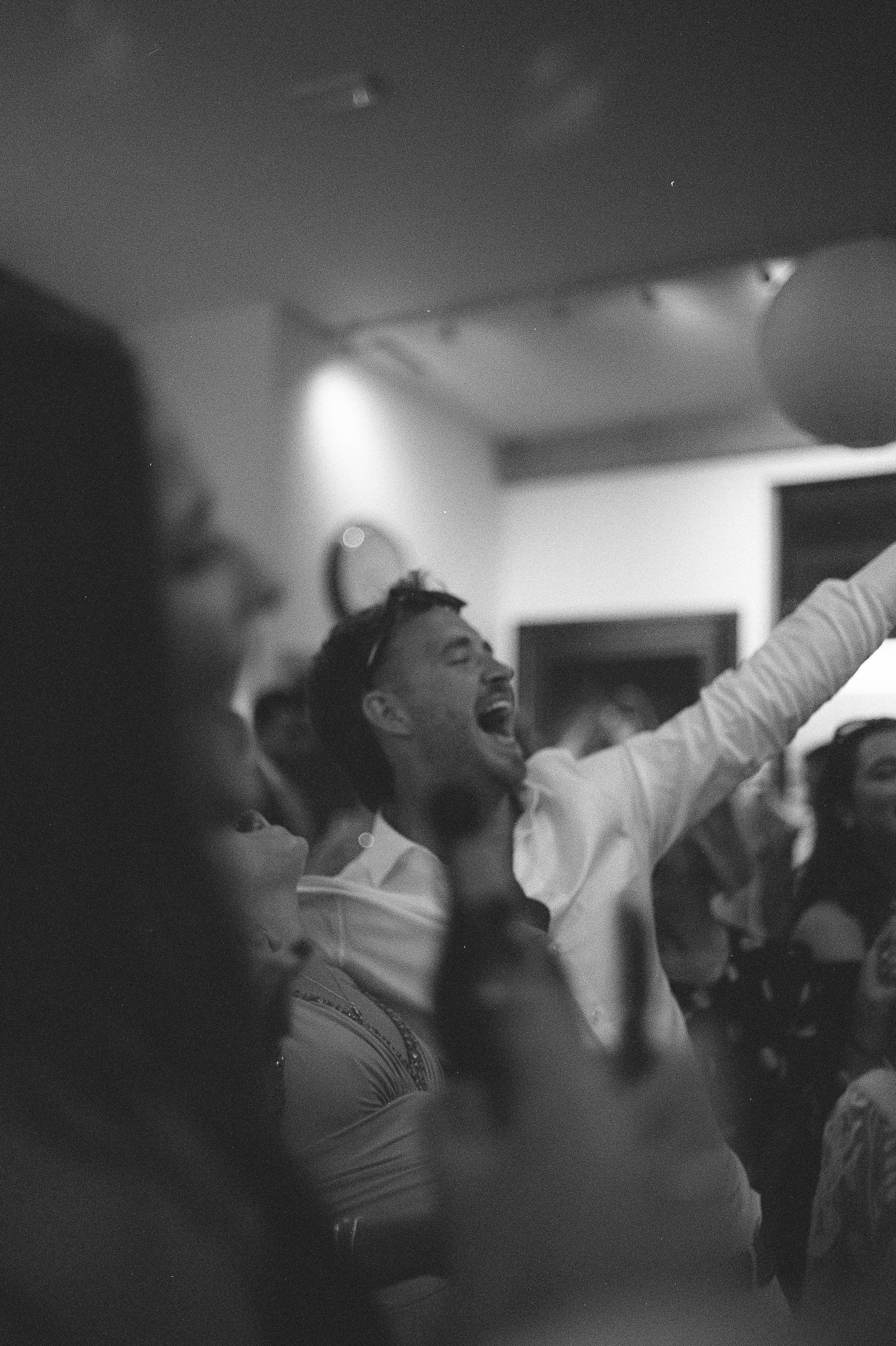
Seeing your people. Laughing too loudly. Getting rained on. Getting a little bit lost. Dancing. Being there.
Our job is to work within that.
The camera comes with us.
Your wedding doesn't have to come to the camera.
So why choose analogue?
Maybe you love the way film looks. That's enough.
Maybe you grew up looking through old family photographs and like the connection between those photographs and the ones being made now.
Maybe you like the idea of having something physical at the end of the process.
Maybe you don't want every photograph to feel perfectly polished.
Maybe you like the fact that there are only so many frames.
Maybe you simply notice something in a good film photograph that you don't quite notice in a digital one.
Or maybe you can't explain it at all. You just know that it feels different.
You don't need a technical reason to choose something that feels right.
The value of the imperfect frame
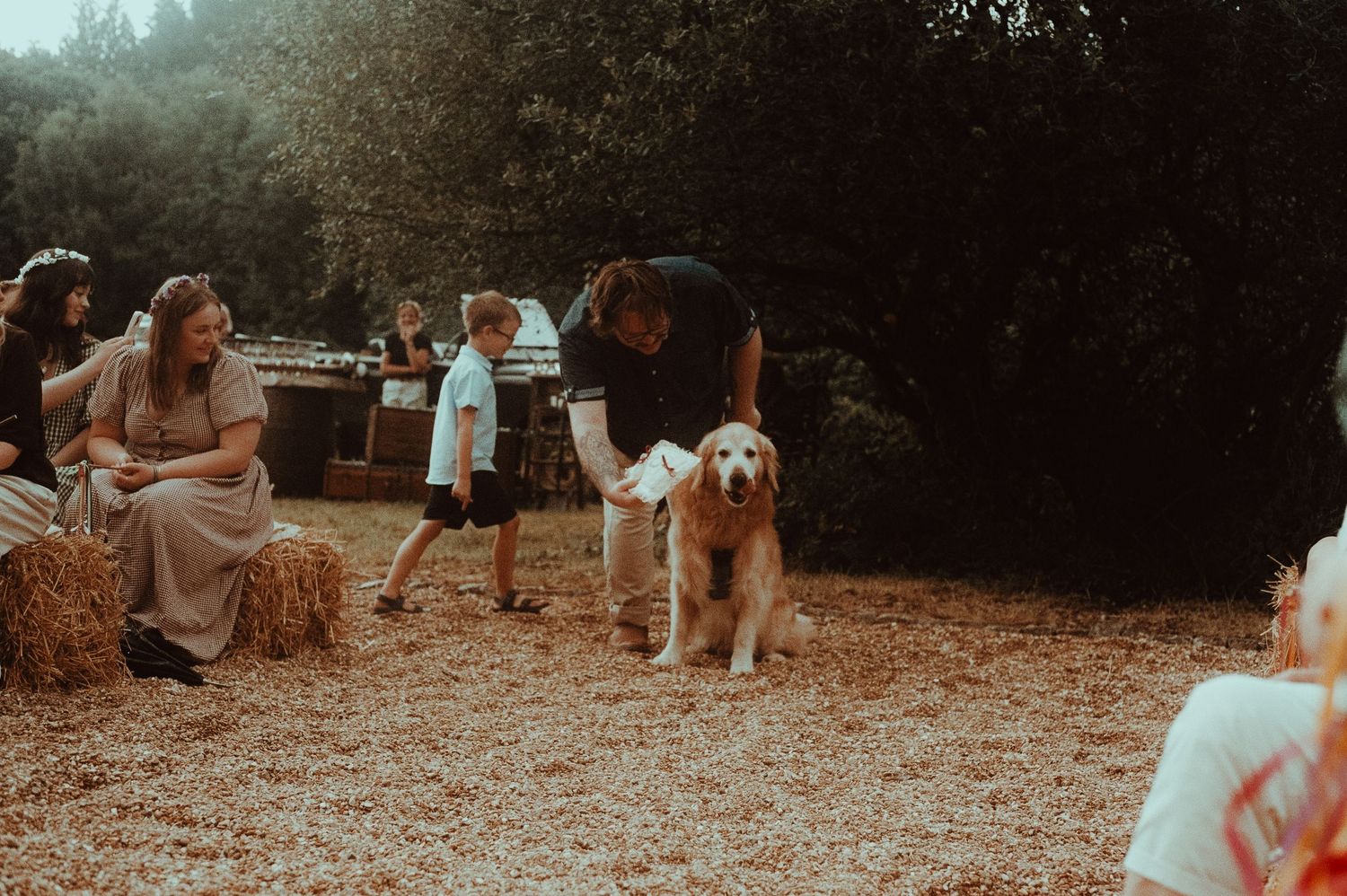
Sometimes the photograph isn't perfect.
Someone moves. The light changes. The frame isn't quite straight. There is a little grain. Someone walks into the edge of the photograph. The exposure isn't exactly what we expected.
And sometimes, somehow, that's the photograph.
Because memory doesn't happen in perfect frames.
We remember the photograph because of what it brings back, not because every technical detail was flawless.
That's one of the reasons we love film.
It leaves room for photographs to feel like memories rather than demonstrations of what a camera can do.
What we're really trying to preserve
The point of analogue isn't to preserve every second. No photograph can do that.
It's to preserve enough.
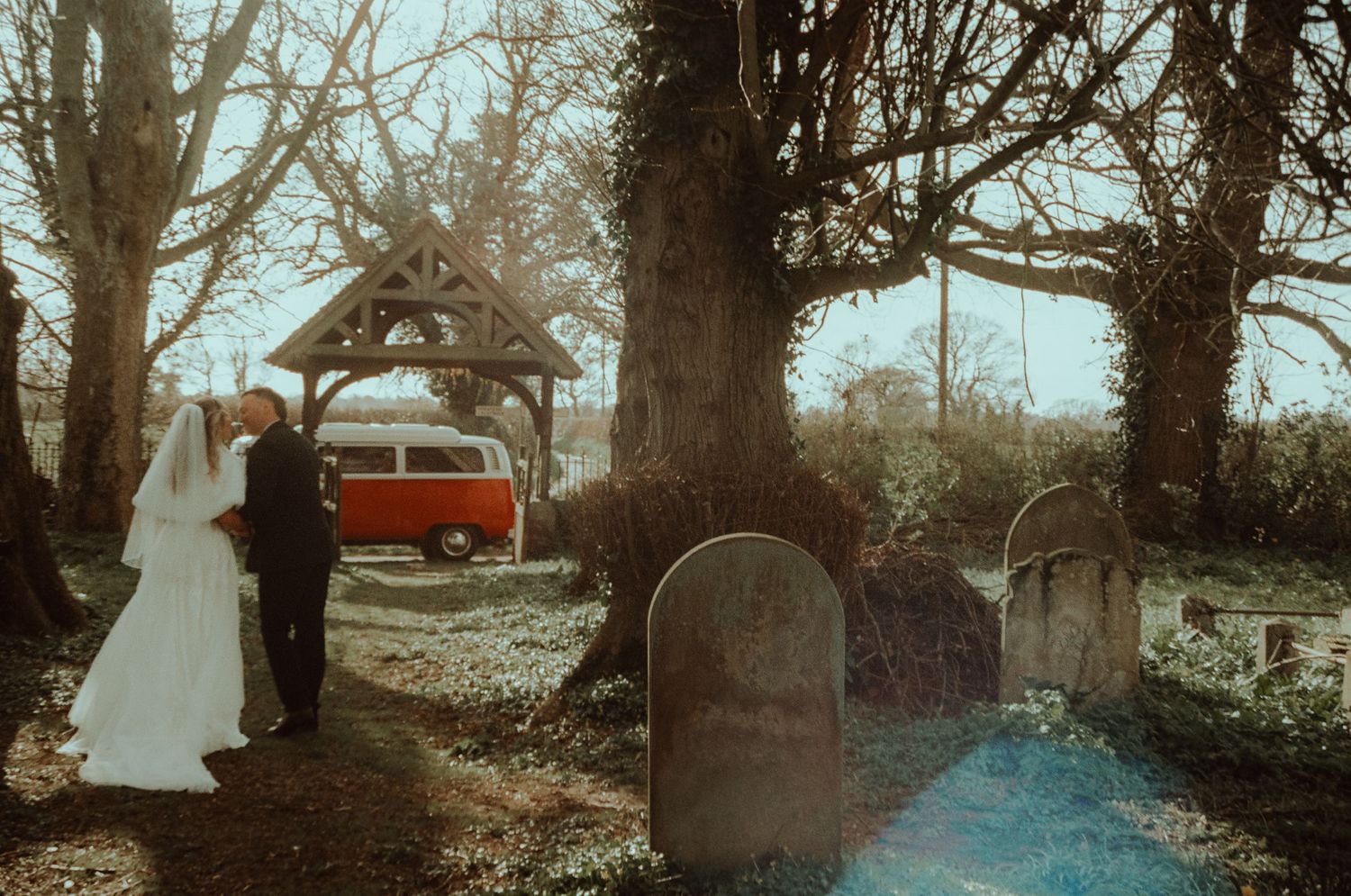
Enough of the place. Enough of the people. Enough of the atmosphere. Enough of the little things that might otherwise disappear.
Because years from now, you won't remember how many frames were taken. You probably won't remember which camera made them. You might not even remember what film stock was used.
You'll remember the photograph.
And hopefully, for a moment, you'll be back there.
A different way of remembering
That is what Slower Stories is really about. Not cameras. Not film stocks. Not nostalgia. Not making a wedding look a certain way.
Choosing to make some photographs slowly. Choosing to leave some moments alone. Choosing to trust that not everything needs to be seen immediately. And choosing a medium that reminds us that photographs don't have to be made at the speed of everything else.
There is still value in waiting. There is still value in uncertainty. There is still value in making something physical.
And there is still something quietly wonderful about pressing the shutter without knowing exactly what you'll get back.
Where we go next
There isn't just one kind of analogue photography.
35mm gives us one way of seeing. Medium format gives us another. Polaroid turns the photograph into something you can hold almost immediately. And Super 8 takes the idea further, adding movement and sound to the story.
Each has its own character.
Each asks something slightly different of the person making it. And none of them needs to take over your wedding.The next part explores what those different formats actually bring to a wedding, and why you might choose one over another. Because the question isn't really:
"Should we have film?"
It's:
"What do we want our photographs to feel like when we look back?"
That's where the slower stories begin.
35mm
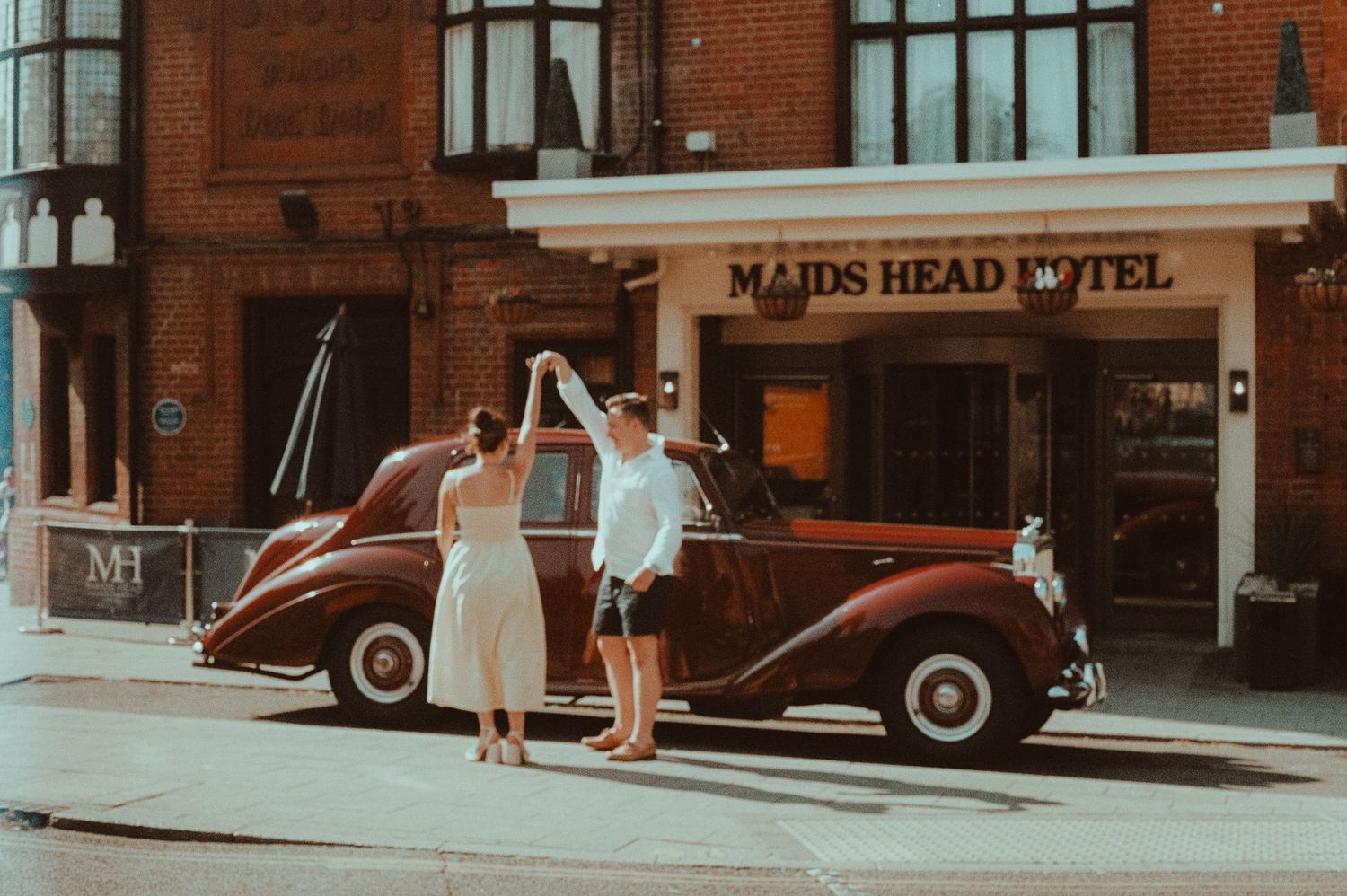
For the moments that happen around everything else.
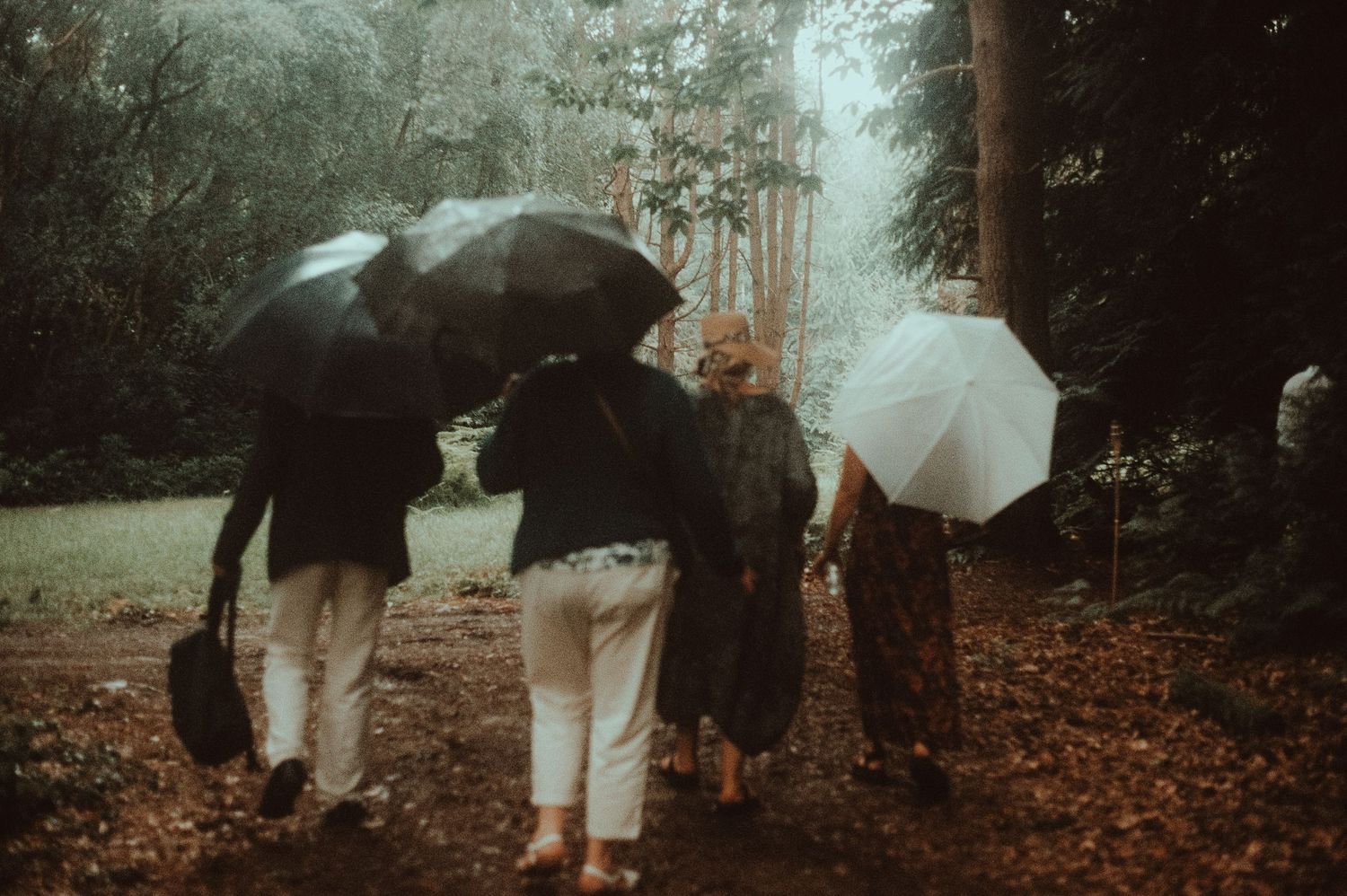
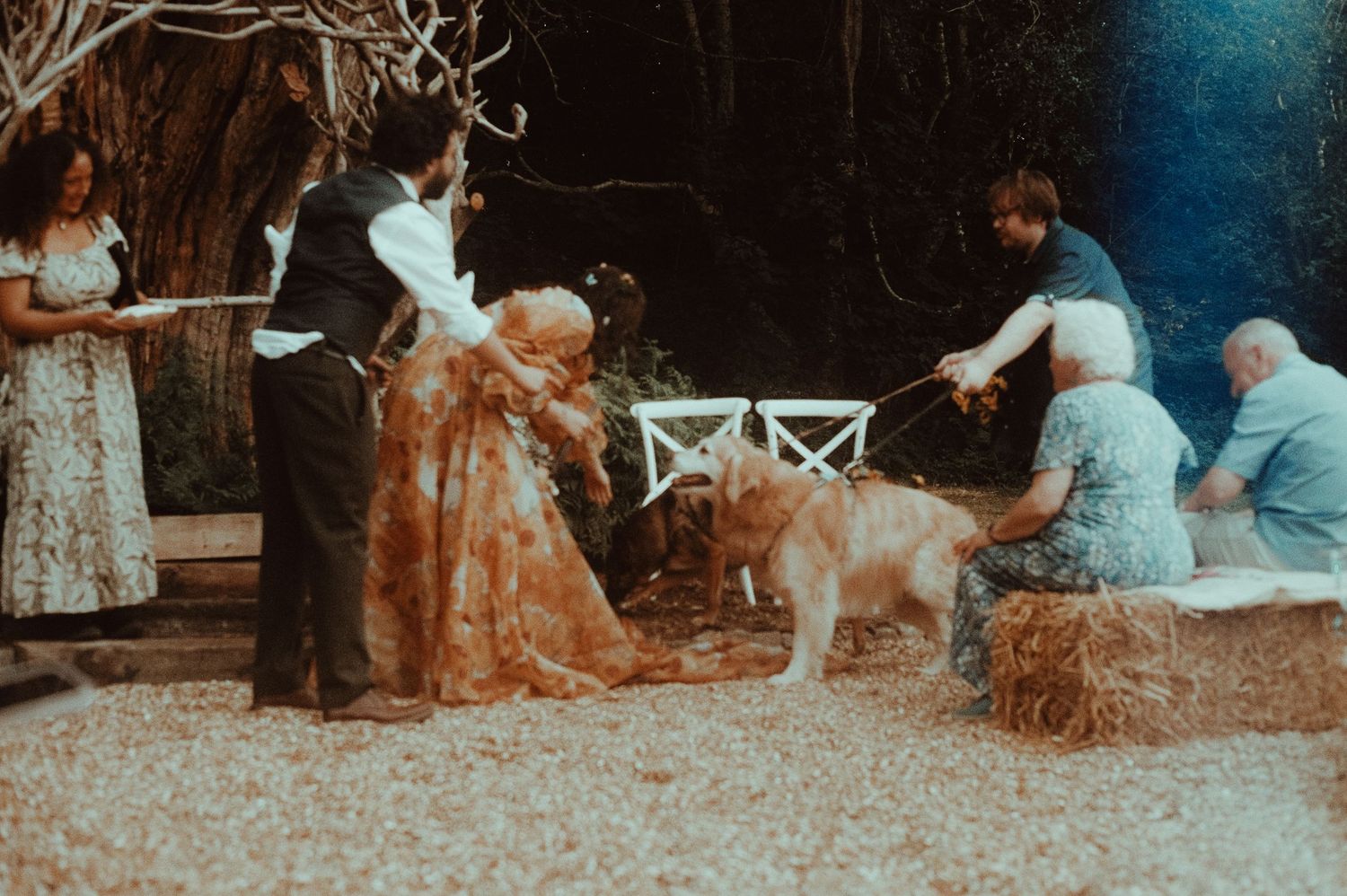
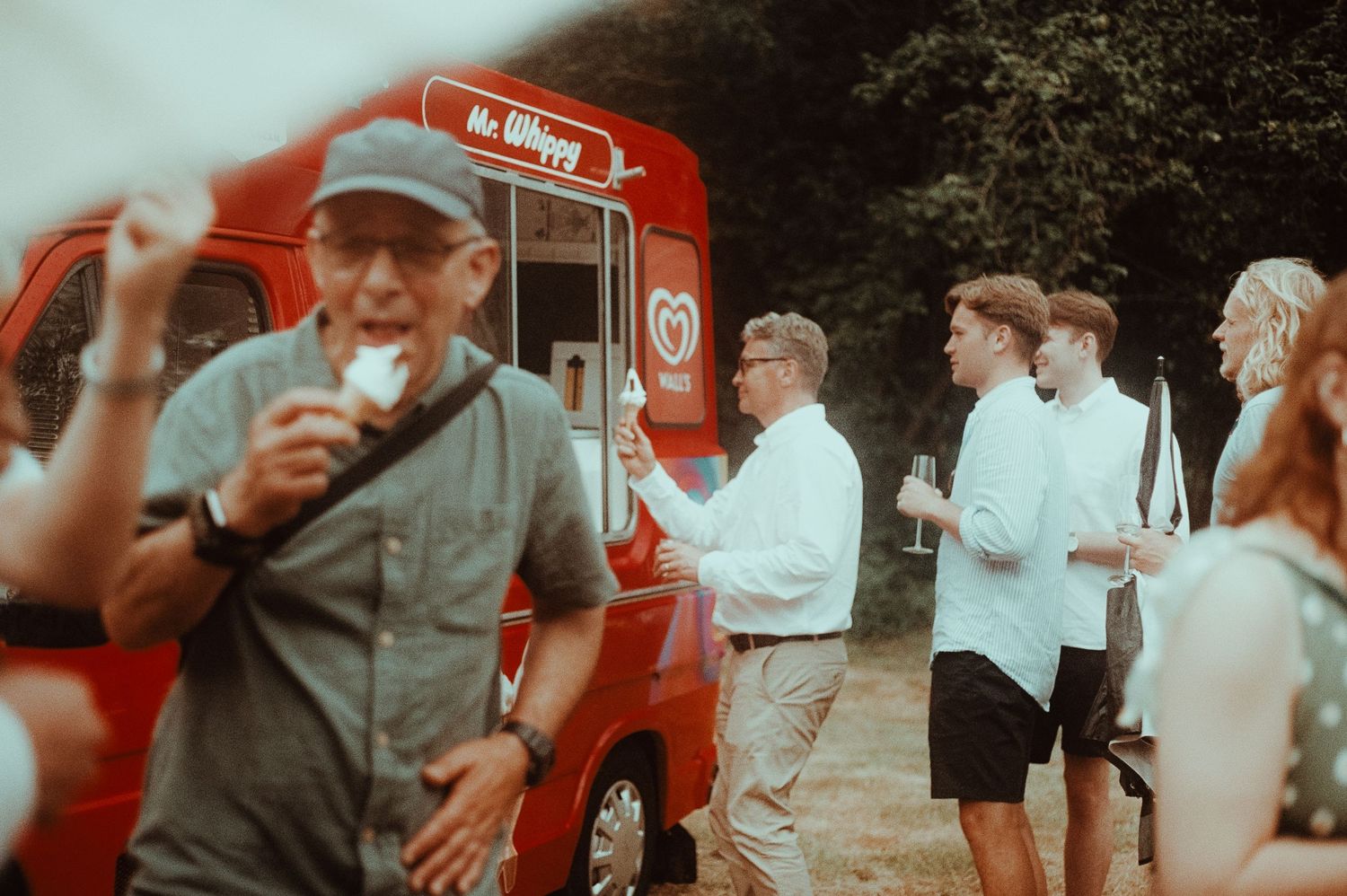
35mm is probably the format most people picture when they think about film photography. It's small, portable and easy to move with. That makes it particularly useful for weddings, where the best photograph might happen anywhere.
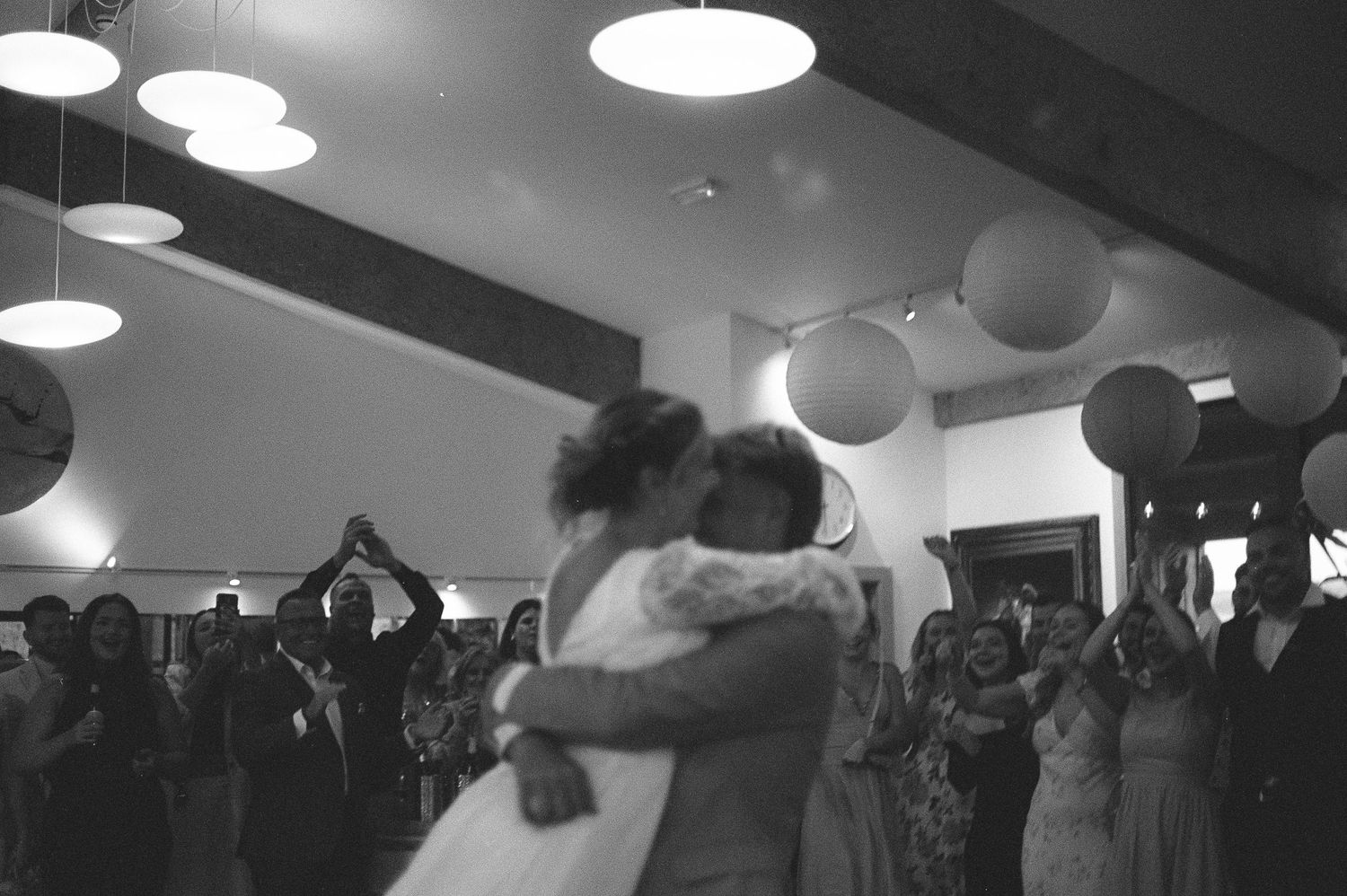
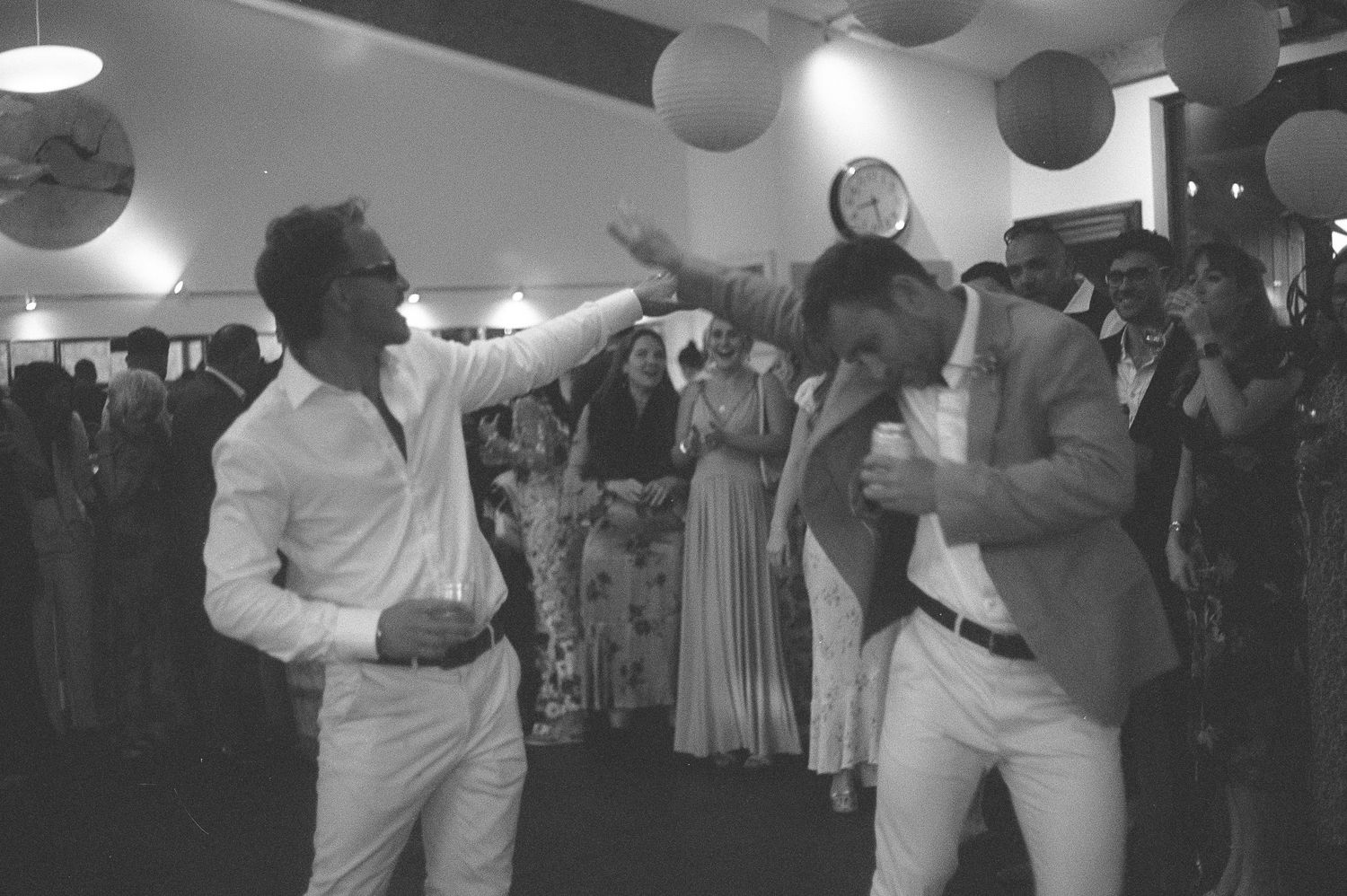
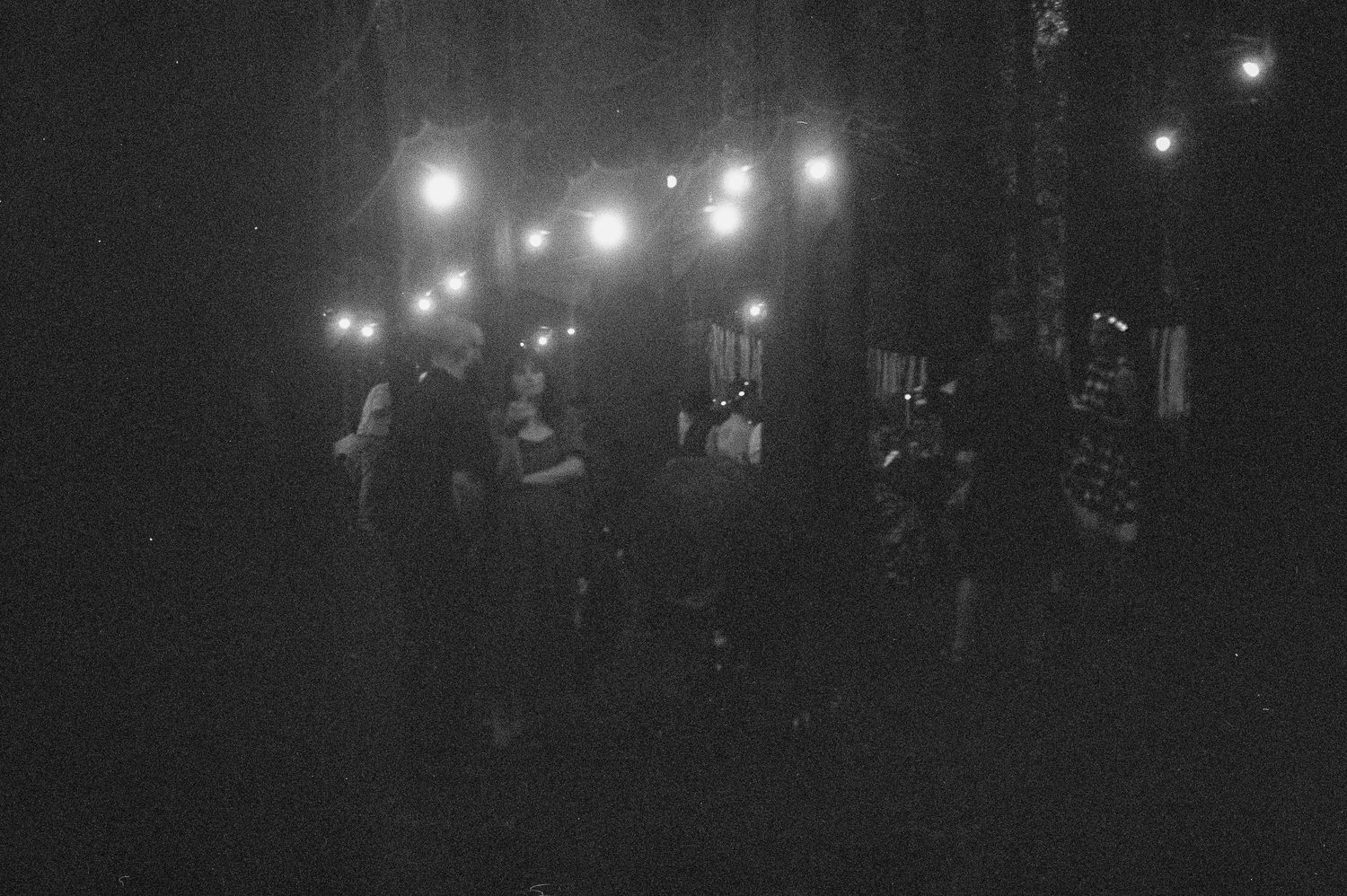
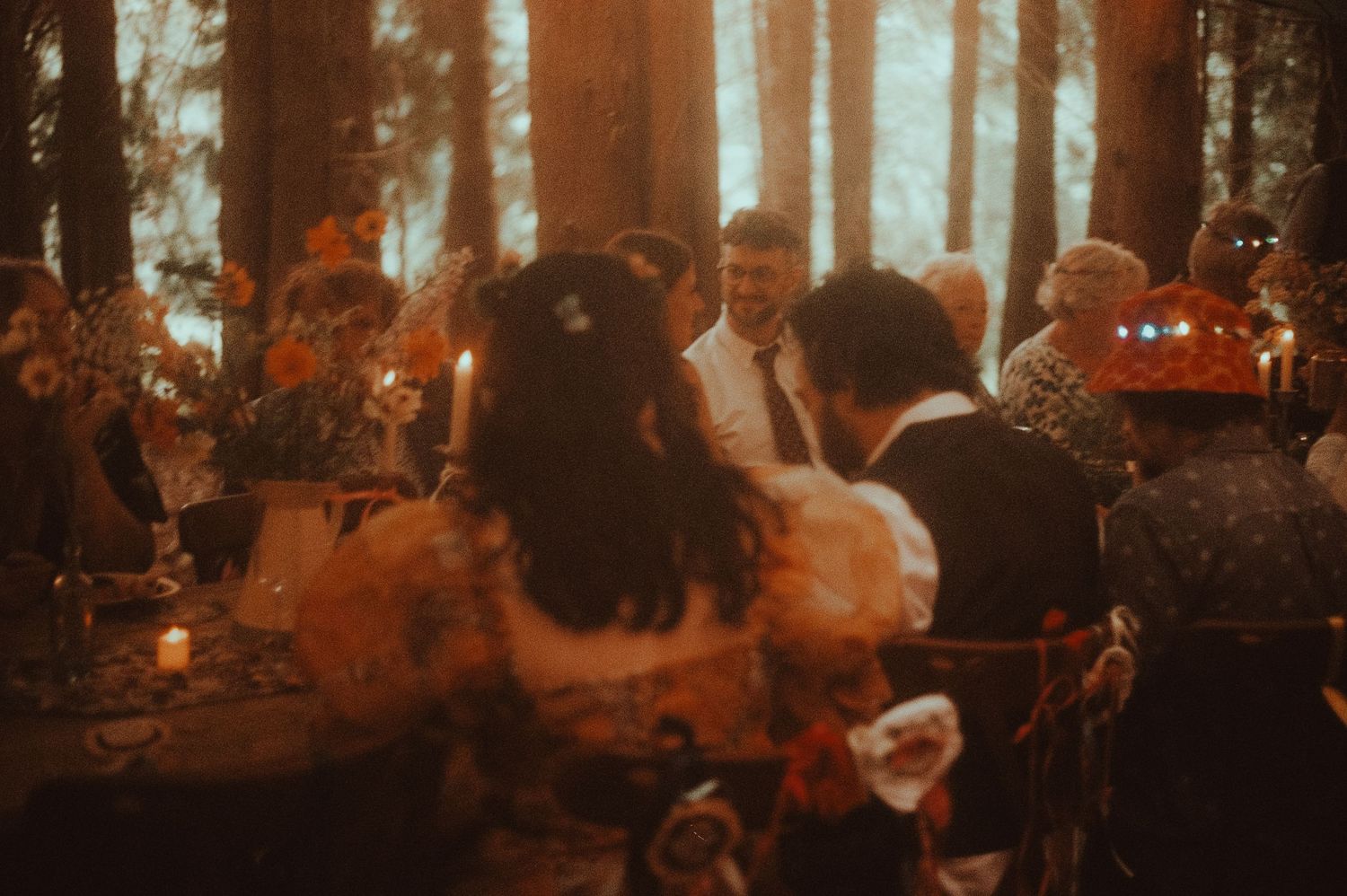
A crowded dance floor. Someone sitting alone for a moment. Friends gathered around a table. A quick glance between two people who don't realise anyone is watching.
35mm doesn't ask us to stop the day. It lets us move through it.
There is something naturally documentary about that. The frame can be imperfect. The movement can remain. The photograph can feel close to the moment rather than carefully separated from it.
That's one of the reasons 35mm sits so naturally within the Wildkin approach.
35mm, medium format, Polaroid and Super 8
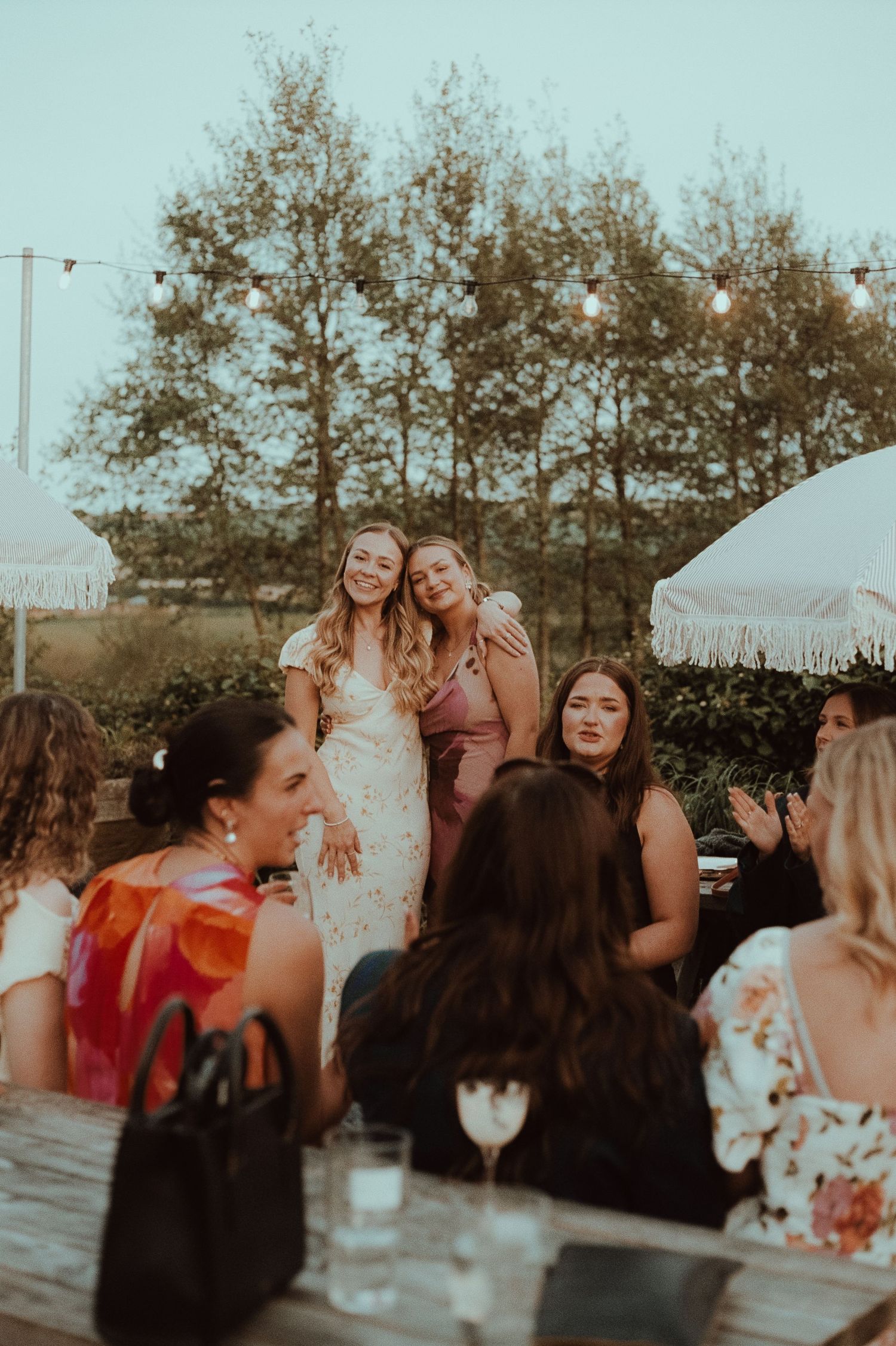
There isn't one way to photograph on film.
Different formats behave differently, ask different things of the person behind the camera, and can bring something completely different to a wedding.
You don't need to know the technical differences to choose analogue.
But understanding what each format brings can help you decide what feels right for your day.
Medium Format
When one moment deserves a little more space.
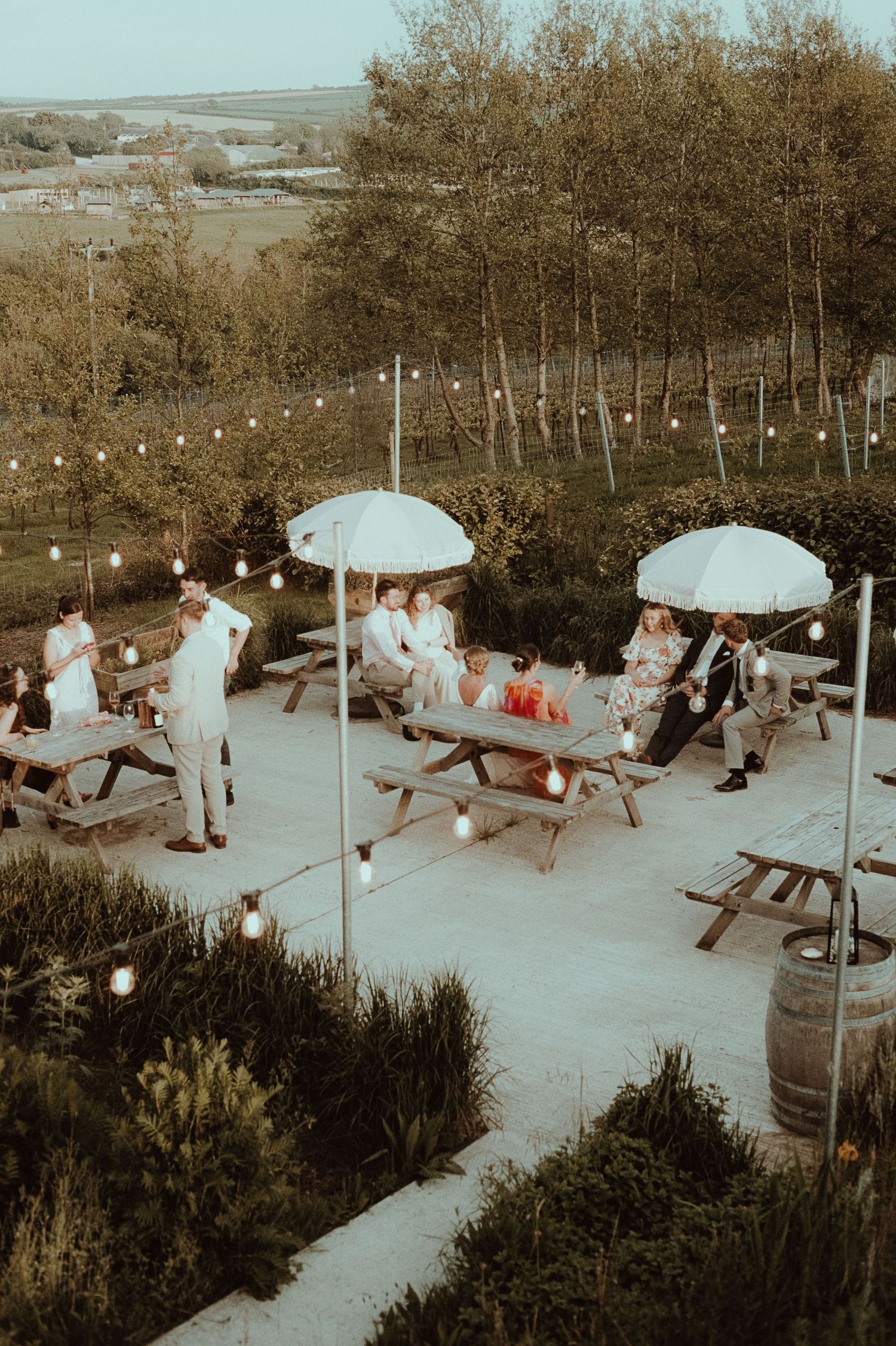
Medium format works differently. The cameras are often larger. The film is larger. And the way we approach the photograph can feel more considered.
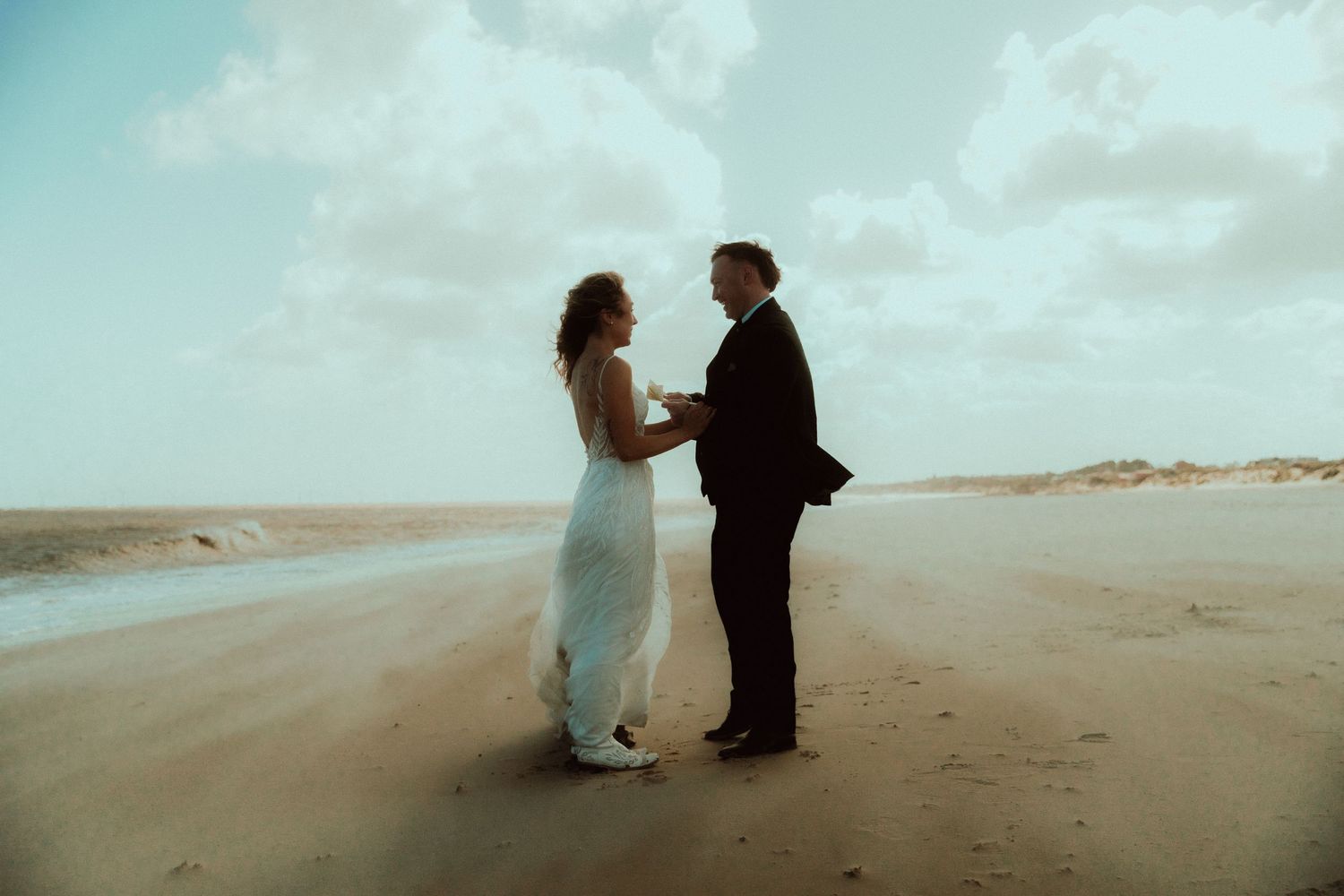
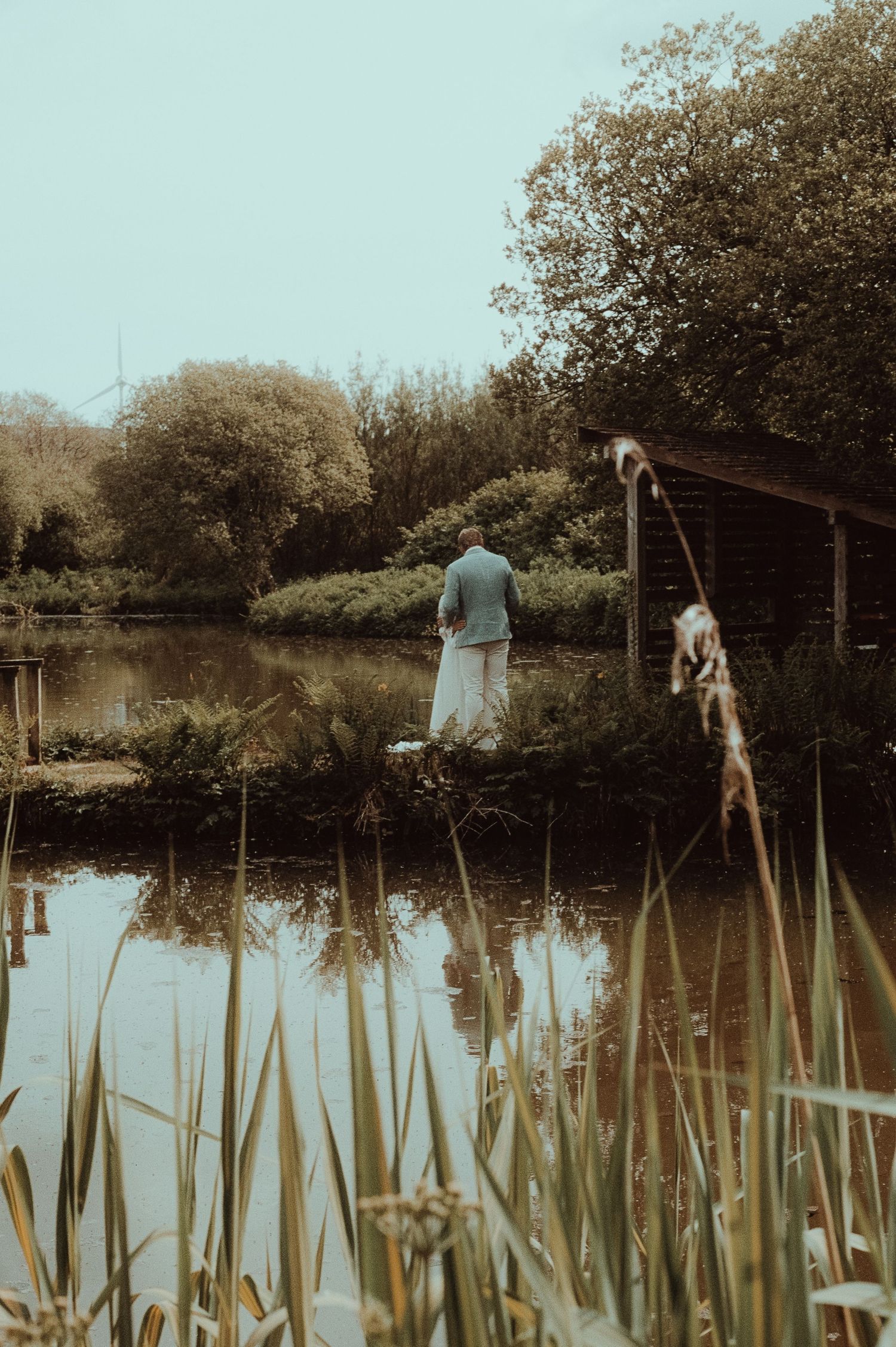
It can be particularly beautiful for portraits, landscapes and quieter moments where there is time to look properly. A couple standing somewhere in the landscape. A quiet moment before the ceremony.
The two of you walking together. A room full of people where the surroundings are part of the story.
Medium format isn't about making a photograph more important simply because the negative is larger.
It's about choosing moments where that way of working makes sense. Sometimes the photograph needs to move quickly. Sometimes it deserves a little more time.
Polaroid
A photograph you can hold. Polaroid is different again.
There is something immediate about watching a photograph appear in front of you. You don't have to wait for processing. You don't have to open a gallery. You don't have to scroll through hundreds of images. You simply hold it.
That makes Polaroid particularly lovely at weddings because the photograph can become part of the experience itself.
You might hand one to your parents. Give one to a friend. Leave one on the table. Put one in your pocket. Keep one somewhere that has nothing to do with your wedding gallery.
It becomes more than a digital file. It becomes a physical object that existed at the wedding.
And because every Polaroid is its own little original, there is an inherent unpredictability to it.
The colours. The exposure. The way it develops.
The tiny imperfections. You don't get exactly the same photograph twice. That's part of its charm.
Why we don't photograph everything on one format
A wedding changes constantly. The light changes. The pace changes. The people change. The atmosphere changes.
There are moments when we need to respond quickly. There are moments when we can wait. There are moments where a still photograph says everything. And there are moments where movement and sound tell the story better.
That's why we don't believe in a rigid formula.
The format should serve the moment.
Not the other way around.
Super 8
When the photograph starts moving.
Super 8 belongs to the same analogue world, but it tells stories differently.
A photograph gives you a moment.
Video gives you movement. You see the way someone walks. The way a dress moves in the wind. The way your friends dance. The expression that changes across someone's face.
And then there is sound. A laugh.
A speech. The noise of glasses being raised. Music from the dance floor. The voices of people you love.
That's what makes Super 8 so powerful.
It isn't simply analogue photography in motion. It's another way of remembering.
One format isn't better than another
It's tempting to ask which analogue format is best. But that's probably the wrong question.
35mm might be perfect for one moment and completely unnecessary for another.
Medium format might make sense when there's time to slow down.
A Polaroid might be the photograph everyone talks about because someone still has it in their wallet ten years later.
Super 8 might capture something that a still photograph or digital video simply can't.
They're different tools.
And the point isn't to use every one of them simply because we can.
It's to understand what each one can bring, and use it when it belongs.
There is no perfect format
You don't need to choose based on what sounds most impressive. You don't need to understand cameras.
And you certainly don't need to decide that your entire wedding has to be photographed on film.
The right format is simply the one that gives us the right tool for the moment. Sometimes that's 35mm. Sometimes medium format. Sometimes a Polaroid. Sometimes digital.
And sometimes, if the moment is moving and you want to remember how it sounded too, it's Super 8.
The character of film
Part of the appeal of analogue is that it doesn't always behave exactly as expected.
Different films respond differently to light. Grain can change. Colours can shift. Movement can remain in a frame.
A photograph can feel slightly imperfect. But we're not chasing imperfection for the sake of it. We're interested in photographs that feel alive.
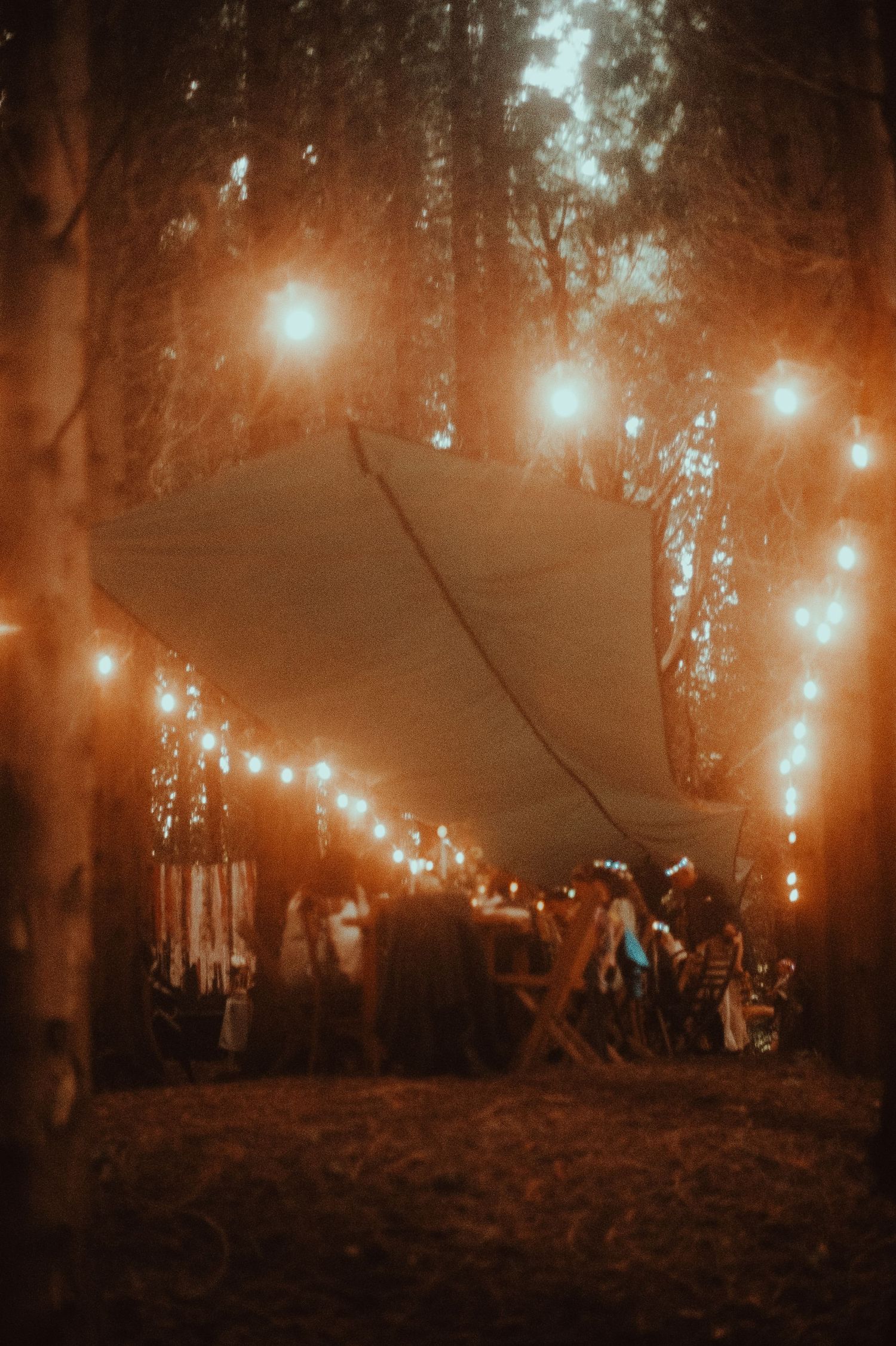
A photograph doesn't need to be technically flawless to make you stop. Sometimes the slight blur tells you that someone was moving. Sometimes the grain tells you how little light there was. Sometimes the colours take you straight back to a particular evening.
The character comes from the process.
But the meaning still comes from the moment.
Before we continue...
The format is only the beginning. Because choosing film doesn't mean choosing a particular aesthetic and hoping for the best.
There is a reality to working with analogue.
There are a limited number of frames.
There is no instant preview.
Film has to be processed.
Light matters.
Things occasionally don't work exactly as planned. And unlike digital, there is a period where you simply have to wait and trust that the photograph is there. That's not something we want to hide. It's part of what you're choosing.
So in the next part, we'll look at the reality of analogue.
What actually happens during a wedding. How many photographs you get. What happens when something goes wrong. Why analogue costs more. And what happens to your photographs once the wedding is over.
Is analogue right for you?
Analogue photography isn't something every couple needs. And that's completely fine.
We don't want you to choose film because you've been told it's more romantic, more authentic, or somehow more meaningful than digital.
We want you to understand what you're choosing, what it changes, and whether it feels like something you actually want to be part of your wedding.
Who tends to love analogue?
Analogue photography might be for you if you:
- Love the character of film photographs.
- Like photographs that aren't perfectly identical to one another.
- Value atmosphere and feeling as much as technical perfection.
- Have a soft spot for old family photographs.
- Like the idea of having physical negatives.
- Don't need to see every photograph immediately.
- Would rather have a considered collection than endless variations.
- Enjoy the idea of a slower, more intentional process.
- Want photographs that feel like memories rather than a polished record.
You don't need to be a photography enthusiast. You don't need to know anything about cameras. You just need to look at a film photograph and think:
I want some of my wedding to feel like this.
That's enough.
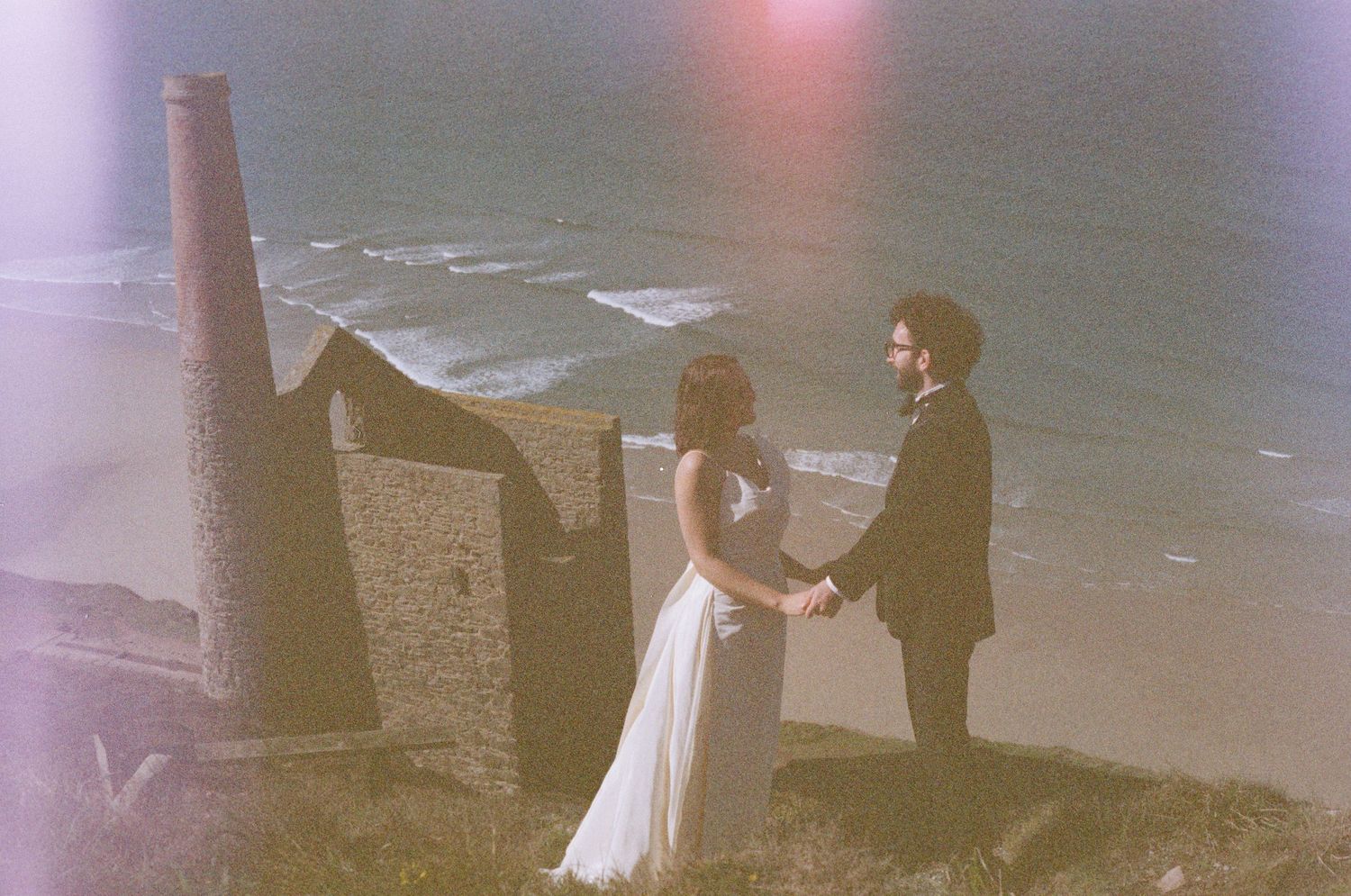
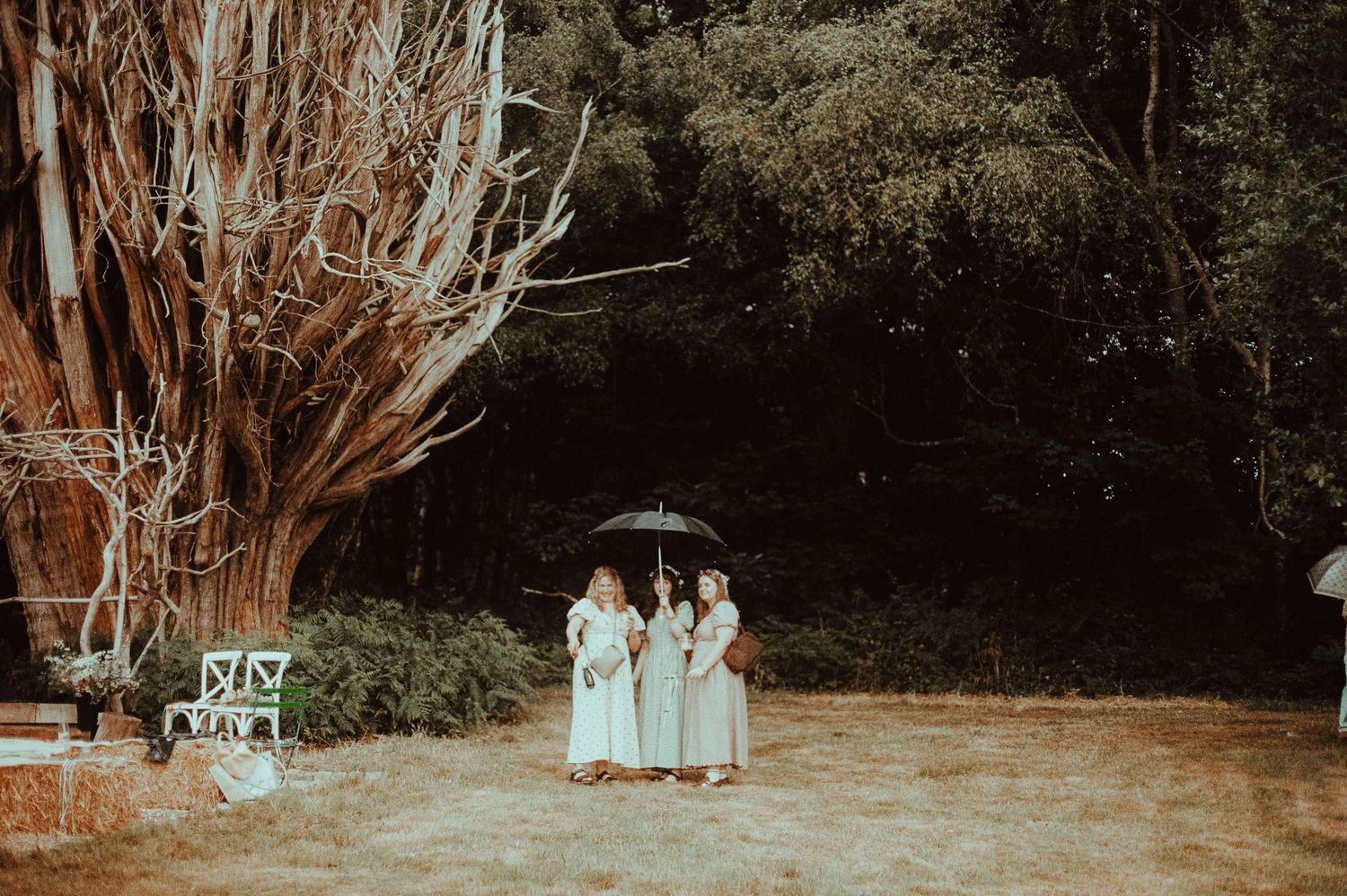
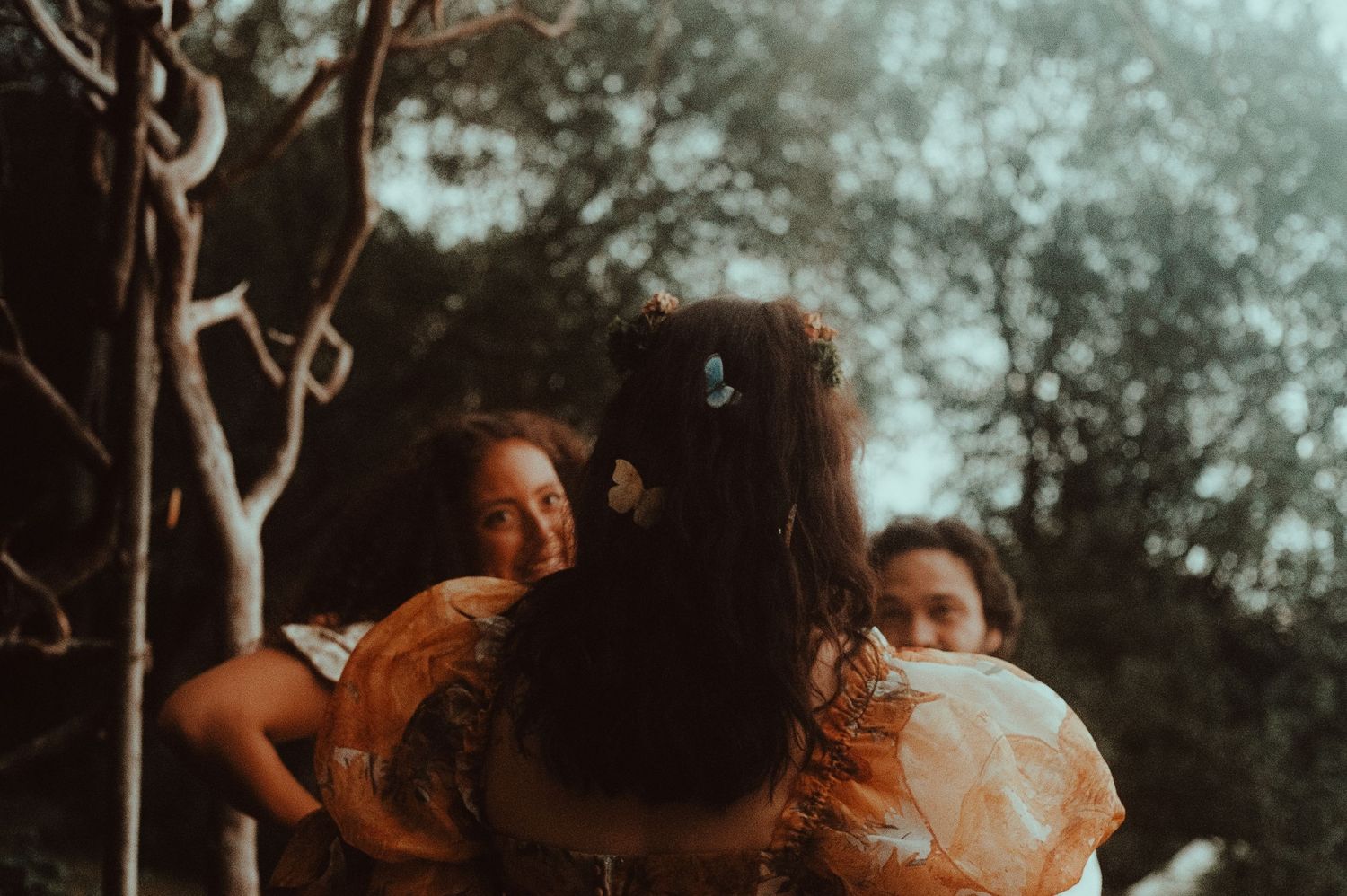
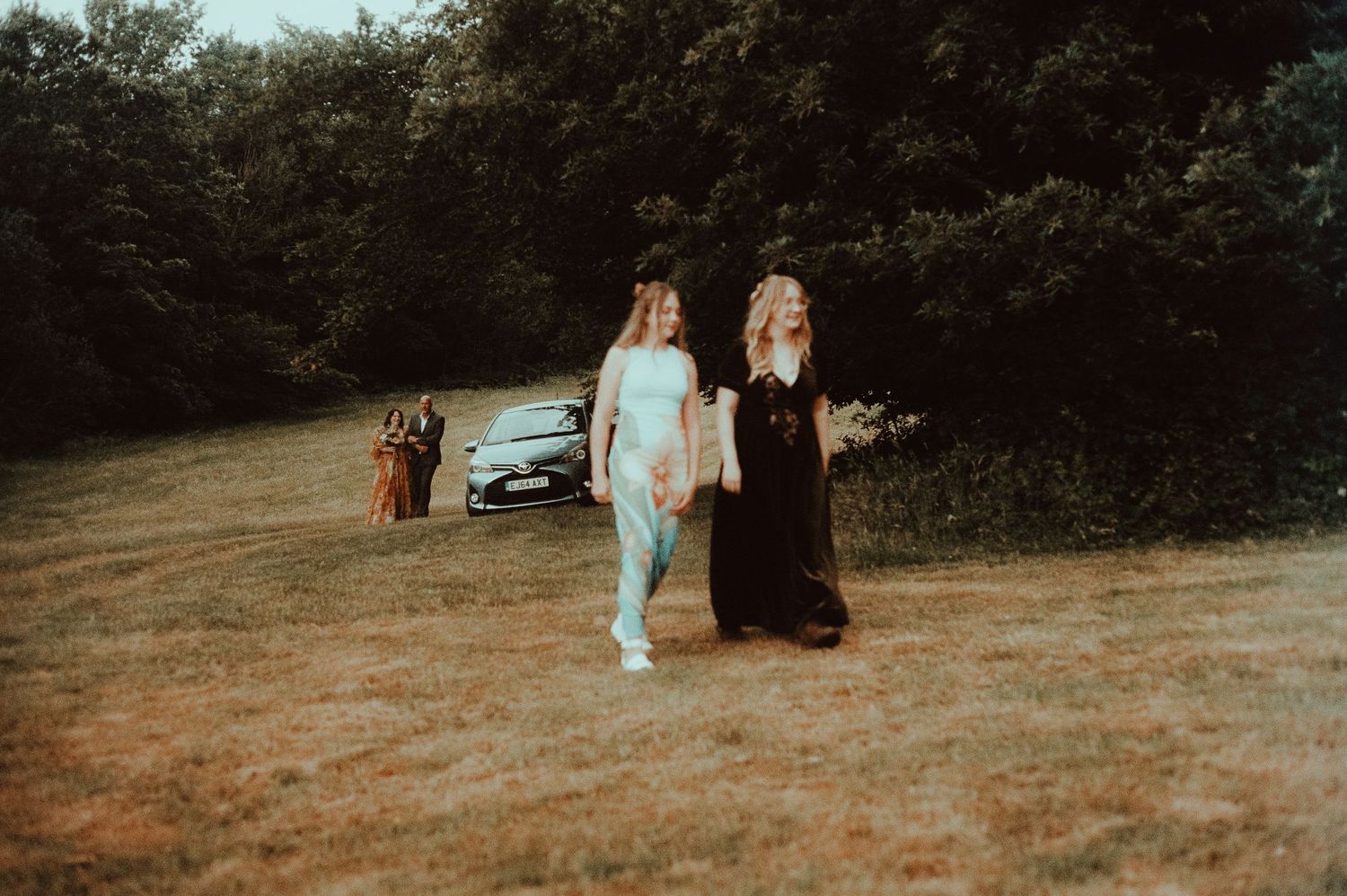
What are you actually paying for?
Film photography costs more than simply adding another digital camera to a wedding.
There is a physical cost every time we photograph. Film has to be bought. It has to be loaded. It has to be shot carefully. It has to be processed. It has to be scanned.
And the finished photographs still need to be selected and edited.
There is also the experience required to know when film is the right tool, how to expose it, when to change rolls, when to use another camera and when digital is the safer choice.
You're not simply paying for a different look. You're paying for a different process.
And for someone who understands how to work within its limitations without allowing those limitations to get in the way of your wedding.
Who might prefer digital?
There are also very good reasons to choose digital photography.
Digital might suit you better if you:
- Want the maximum number of photographs possible.
- Want to see photographs immediately.
- Prefer absolute consistency.
- Want lots of variations of the same moment.
- Don't particularly care about the analogue process.
- Want the flexibility of photographing everything without thinking about frames.
There's nothing wrong with that. Digital photography is incredibly capable. We use it for a reason.
The point of analogue isn't to replace something that works.
It's to offer something different.
Do we have to choose between analogue and digital?
This is probably one of the most important things to understand.
Choosing analogue doesn't mean your entire wedding suddenly has to be photographed on film.
In fact, combining the two can make a lot of sense. Digital gives us flexibility. Analogue gives us another way of seeing.
Digital can respond quickly to the unexpected. Analogue encourages us to slow down.
Digital can give you a comprehensive record of the day.
Analogue can give you a smaller collection of photographs with a very different character.
They don't need to compete. They can tell the same story from different perspectives. That's why analogue can work particularly well as part of hybrid wedding photography.
Do we get the negatives?
The negatives are the physical record created by the film process.
They're different from a digital file because they physically exist.
They're part of the history of the photograph.
For couples who love the idea of analogue, that's often part of the appeal.
The photograph isn't only something that lives on a screen. There is something tangible behind it.
Something that can outlast the technology used to display a digital file.
What happens if something goes wrong?
This is one of the realities of analogue photography.
Film isn't infallible.
A photograph can be underexposed. A moment can move too quickly. The light can change. A frame can be imperfect. And occasionally, a photograph simply doesn't work. We don't want to pretend otherwise.
The important thing is knowing how to work with that uncertainty.
We don't put the entire wedding at the mercy of one roll of film.
We don't rely on one photograph to tell an important part of your story.
And we don't use analogue simply because it sounds romantic. We use it where we know it can add something. That's also why digital can be valuable alongside analogue.
There are moments where reliability matters more than experimentation.
Knowing when to use each is part of the job.
What happens after your wedding?
The story doesn't finish when the camera goes back in the bag.
Your exposed film still has a journey ahead of it. It needs to be processed. The negatives are developed. The images are scanned. The photographs are reviewed and prepared. And eventually, they become part of your finished collection.
There's something lovely about that delay. You already remember the wedding. You've already lived it.
And then, later, photographs begin to arrive from moments that have been sitting quietly on a roll of film.
You see things you remember.
And sometimes you see things you didn't.
You don't need to choose the most analogue option
You don't need 35mm, medium format and Polaroid simply because they're available.
You might only want a little film throughout the day. You might want 35mm alongside your digital photography. You might want a handful of Polaroids for your family. You might love the idea of Super 8 but not want still photographs on film.
Or you might want to go all in.
There isn't a correct combination.
The right amount is the amount that feels meaningful to you.
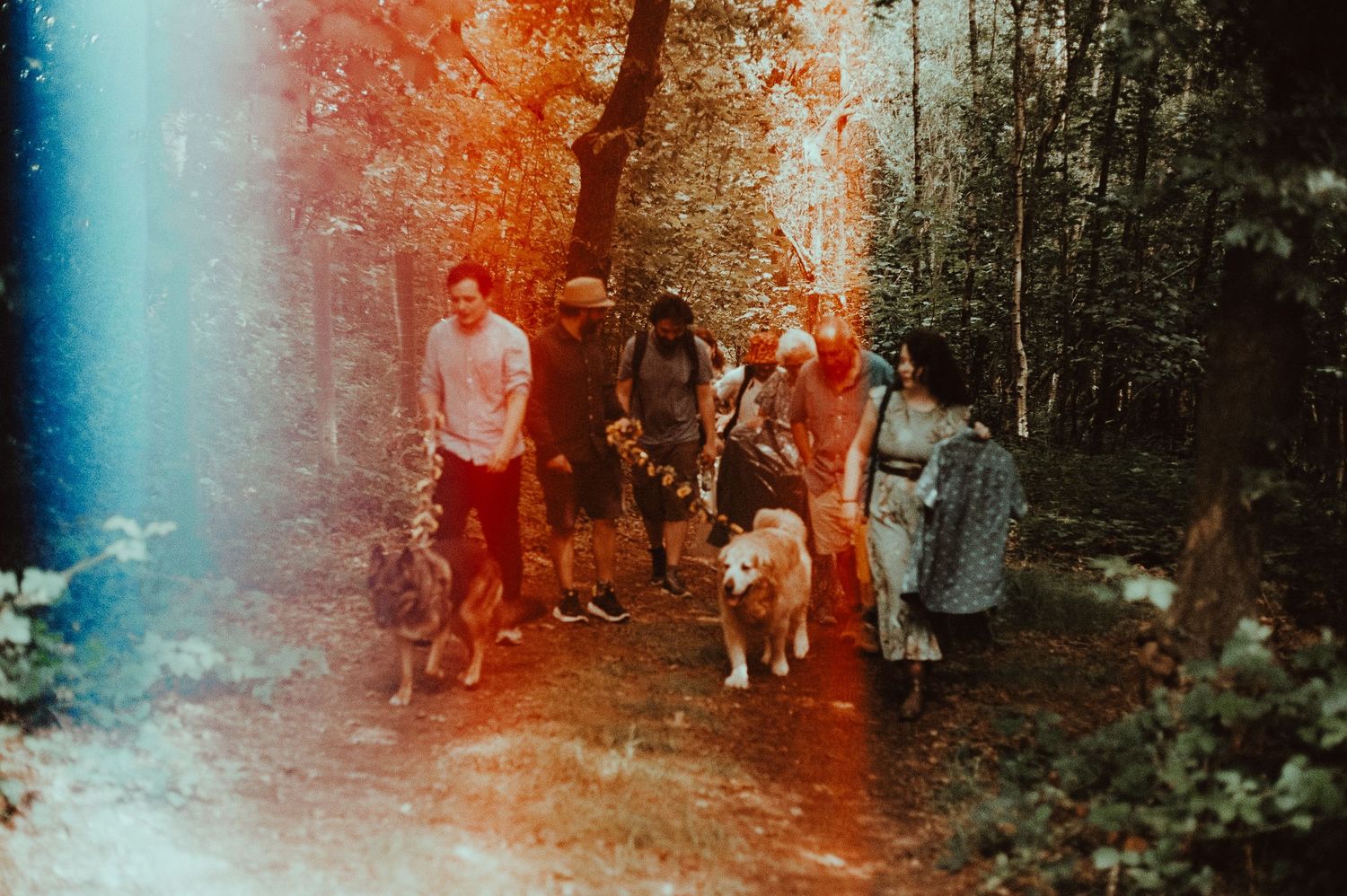
Is analogue worth it?
That's really the question.
And there isn't a universal answer.
If you simply want the most photographs possible, analogue may not be the priority. If you want immediate photographs, digital is better suited. If you want complete technical consistency, film's unpredictability may frustrate you.
But if you love the way analogue photographs feel...
If you like the idea of a slower process...
If you value the physicality of film...
If you don't mind not knowing exactly what every frame will look like...
And if you want some of your wedding memories to exist in a medium that feels a little more tangible and considered...
Then yes.
It might be worth it.
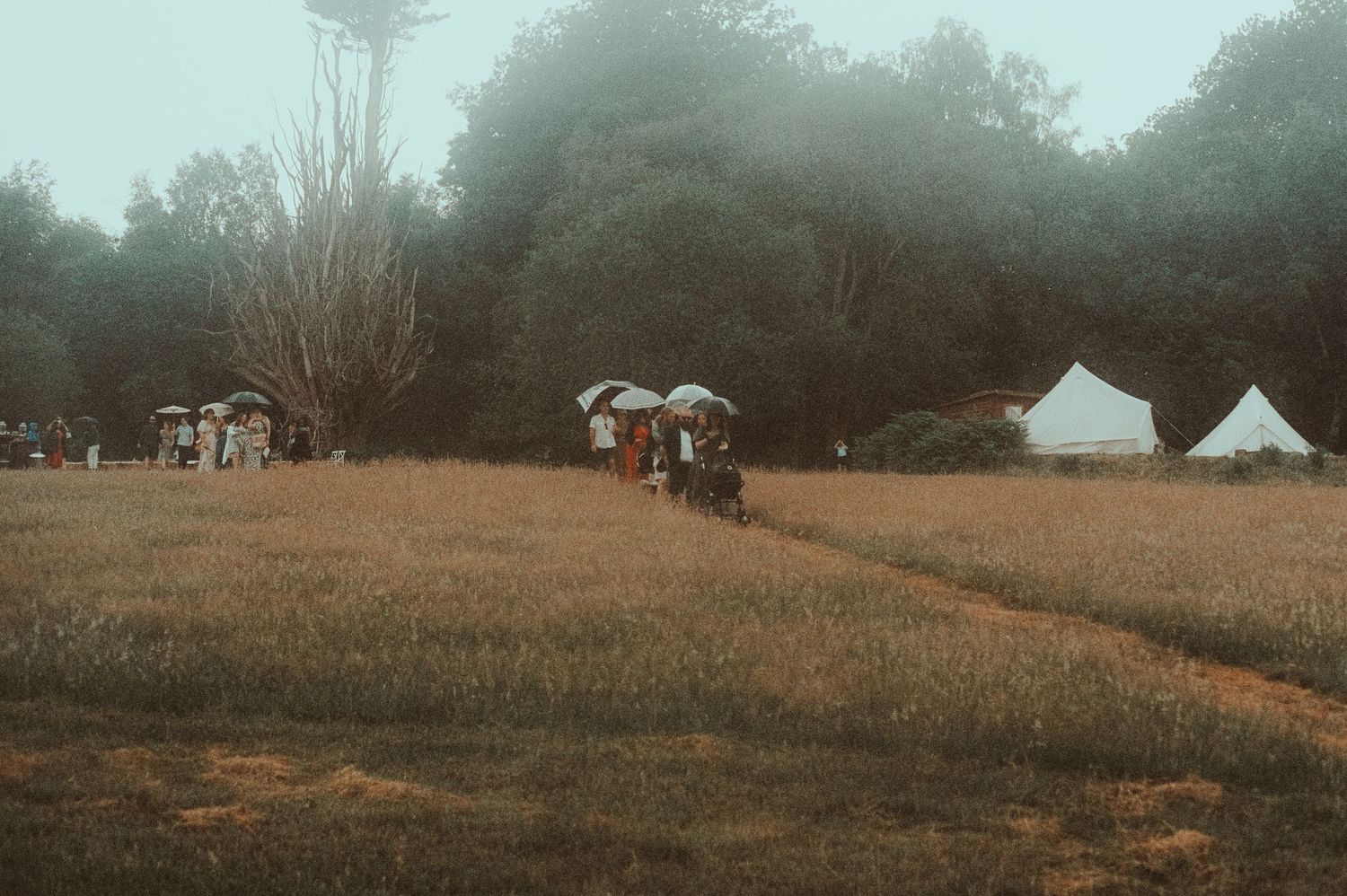
The best analogue photographs aren't necessarily the prettiest
This is something we come back to often.
The photograph you keep might not be the one with the perfect light.
It might not be the most technically impressive.
It might not even be the photograph you'd choose for your wall.
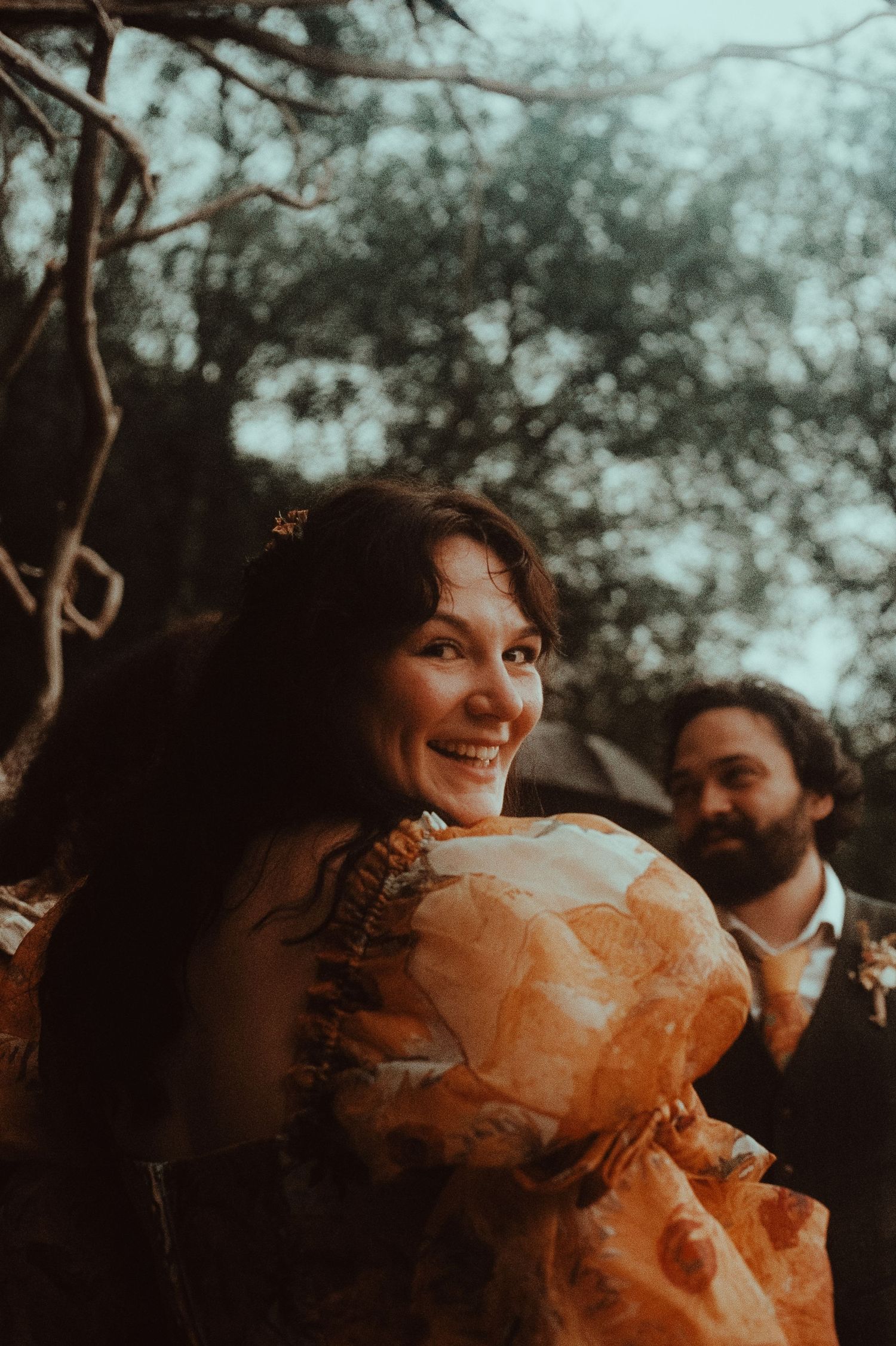
It might be slightly blurred. Someone might have their eyes closed. The composition might be a little strange. But perhaps it's your grandmother laughing. Or your dad looking at you before the ceremony. Or your friends dancing at two in the morning.
And suddenly the technical imperfections don't matter.Because the photograph isn't valuable because it is perfect.
It's valuable because you were there.
Is analogue photography right for us?
Maybe.
Maybe not.
And we'd rather you know that before you book.
Analogue photography isn't something we want to convince everyone to have.
It's something we want to offer to the couples who see value in it. The couples who like the idea of photographs that aren't entirely predictable.
The couples who don't need everything immediately. The couples who want something physical. The couples who care about how a photograph was made as well as how it looks.
And the couples who understand that sometimes, having fewer photographs can make you look at them a little more closely.
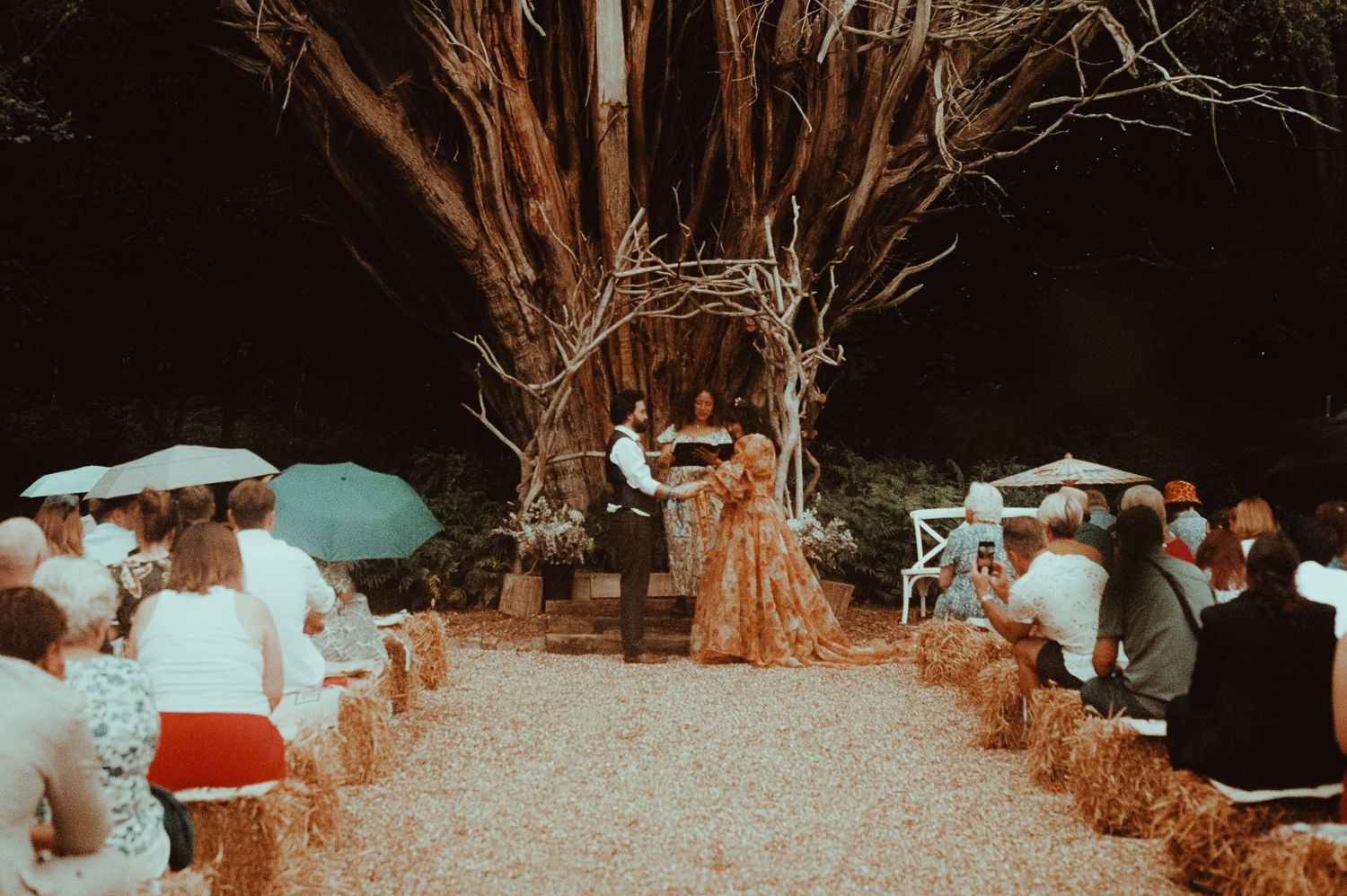
Is analogue wedding photography better than digital?
No. They're different.
Digital offers flexibility, speed and reliability. Analogue offers a slower process, limited frames and a physical photographic medium.
The better choice is whichever approach fits the way you want your wedding documented.
How many photographs do you get from a roll of film?
A typical roll of 35mm film contains either 24 or 36 exposures, depending on the film and how it is loaded.
That's considerably fewer photographs than you can make digitally, which is part of what makes the process more deliberate.
Can you photograph an entire wedding on film?
Technically, yes.
But that doesn't mean it's always the best approach.
For some weddings, combining film and digital gives us more flexibility and allows us to use each medium where it works best.
Can we have analogue and digital photographs?
Absolutely.
They can be photographed throughout the same wedding and delivered as part of the same overall story.
The two formats don't have to compete.
What happens if a photograph doesn't turn out?
Sometimes a frame doesn't work.
That's part of analogue photography.
We manage that risk through experience, careful exposure and by knowing when to use film and when to use digital.
The important moments aren't dependent on a single frame.
Can you shoot film in difficult light?
Yes, within the limitations of the film and the conditions.
Film responds differently to low light, bright sunlight and artificial lighting, which is why experience matters.
There are also times when digital is simply the more appropriate tool.
How long does film take to develop?
Analogue photographs take longer to reach you than digital photographs because the film needs to be processed and scanned before the images can be delivered.
We'll give you a clear expectation of the delivery process when you book.
Do we receive the negatives?
The negatives are the physical originals created during the film process.
Whether and how they are supplied depends on the analogue coverage you've chosen, and we'll make that clear as part of your package.preserve different parts of the same day.
Photography remembers moments.
Film remembers movement, sound and atmosphere.
Together they create a richer story.
Is analogue wedding photography more expensive?
Usually, yes.
Film itself has a physical cost, and every roll also needs to be processed and scanned.
There is also additional time and expertise involved in working with the medium.
Do we need to know anything about film to have analogue photography?
Not at all.
You don't need to understand cameras, film stocks or developing.
That's our job.
You only need to decide whether you like the way analogue photographs feel and whether the process appeals to you.
Is 35mm or medium format better?
Neither is inherently better.
They simply have different characteristics and lend themselves to different situations.
We'll choose the appropriate format based on the moment, the light and the kind of photograph we're making.
Can we have Polaroids at our wedding?
Yes.
Polaroid can be a lovely addition when you want photographs that exist physically during the wedding itself.
They're immediate, imperfect and made to be held.
Is Super 8 the same as analogue photography?
Super 8 is analogue film, but it records moving images rather than still photographs.
It adds movement and sound to the story, which is why we treat it as part of our Stories in Motion approach.
Can we have physical prints of our photographs?
Absolutely.
Photographs deserve somewhere to live, not just on a hard drive.
Our analogue collection can be presented with fine art prints in a personalised keepsake box, alongside your other finished photographs and physical pieces. It gives the images a place to exist away from a screen, something you can actually pick up, look through and keep.
The idea is simple: your photographs should still be somewhere you can find them years from now.
What is included in the keepsake box?
Our analogue collection can include a personalised handcrafted wooden keepsake box, with USB and your finished digital photographs presented together as a physical collection.
Depending on the coverage you've chosen, this can bring together the different parts of your analogue story, from your film photographs to physical prints and the finished digital collection.
It's designed to be something you keep, rather than simply packaging for your photographs.
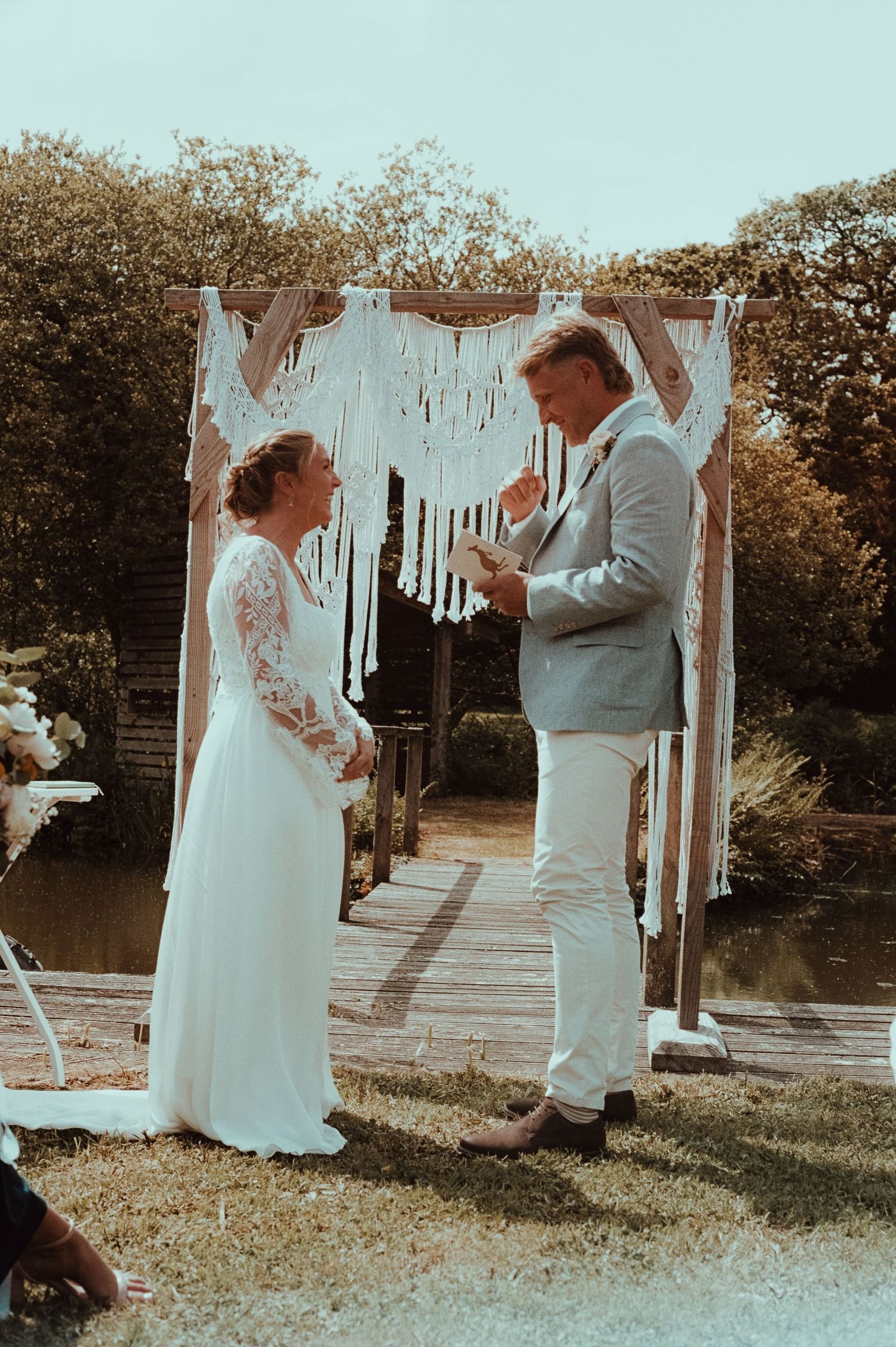
One final thought
Analogue doesn't make a wedding more meaningful.
The people do.
The place does.
The memories do.
The things that happen when nobody is trying to create a photograph.
Analogue is simply gives us another way of paying attention to them. Sometimes that's all photography needs to do.
Not capture everything.
Just notice enough.
And leave you with something that, years from now, can take you back.
More Notes
Every Field Guide is only the beginning.
The ideas explored here continue through Field Notes, shorter articles inspired by real weddings, real conversations and the questions couples ask most often.
You might enjoy exploring:
- Slower Stories is the beginning, rather than the end, of our analogue conversation.
- There are smaller questions that deserve more space.
- The cameras we use.
- The film stocks we choose.
- What happens when we photograph in difficult light.
- How film is developed.
- Why one roll can look completely different from another.
- What happens when something goes wrong.
- And the little decisions that happen behind the scenes on an actual wedding day.
Continue exploring
If this guide has helped you understand documentary wedding films,
there are a few natural places to continue.
Documentary Weddings
Explore the philosophy behind documentary wedding photography, and why we believe your wedding shouldn't be a performance.
→ Explore Documentary Weddings
Stories in Motion
Explore documentary wedding films, movement, sound and the things that photographs simply can't capture.
Making Space
Explore the quieter side of wedding planning, timelines and making room for the moments you can't plan.
Real Stories
See how these approaches come together when we're actually there, photographing real people, places and days.
→ Explore Real Stories