Analogue Wedding & Elopement Photography
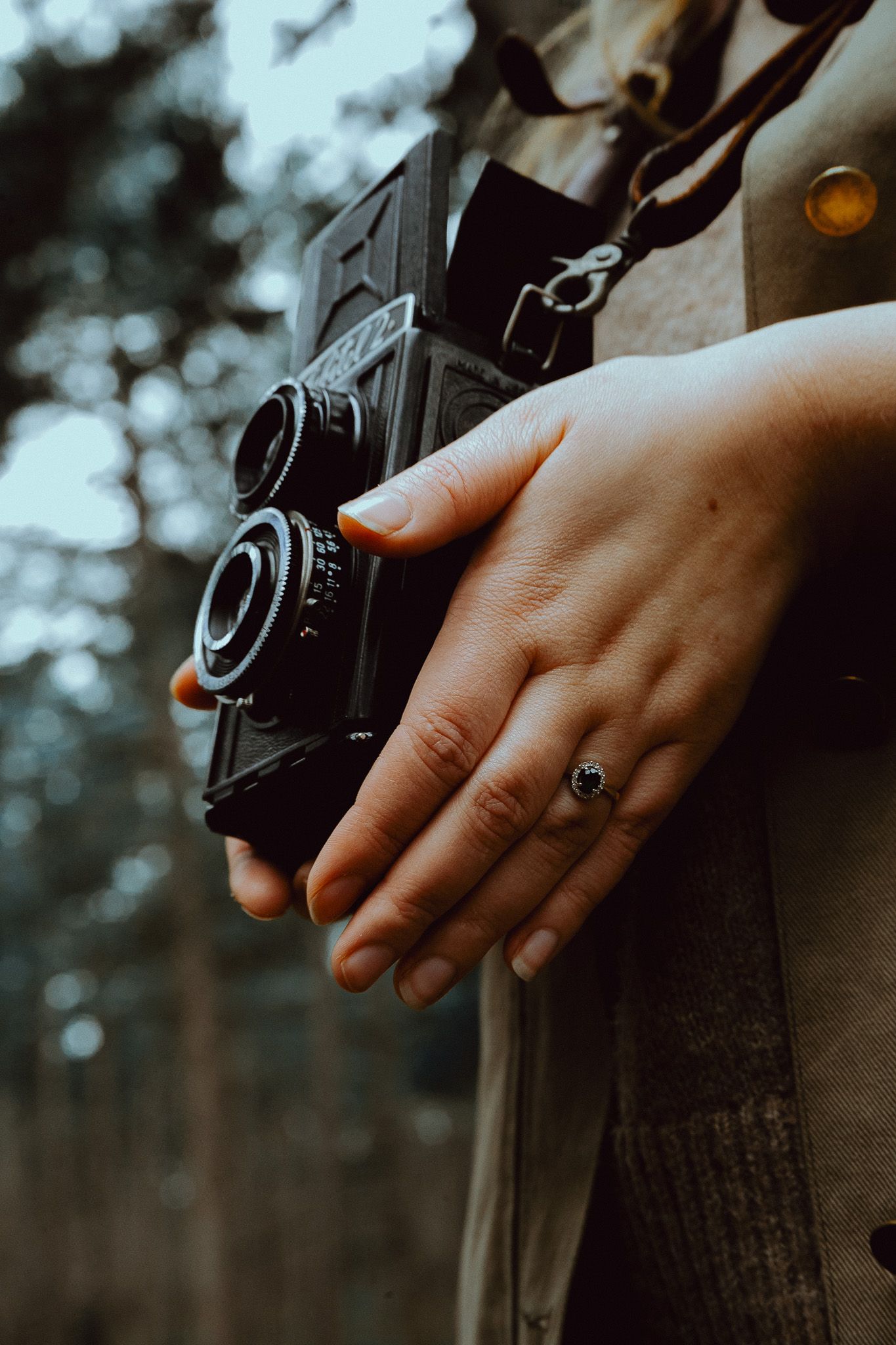
Some things become more valuable because they aren't perfect.
We live in a world that asks us to move faster. Analogue asks us to slow down & trust, because some memories become even more meaningful with time.
Why Analogue Feels Different
Digital rewards certainty.
Analogue rewards trust.
Every frame matters because every frame is finite. Film isn't about chasing perfection.
It's about embracing the tiny imperfections that make a memory feel real.
The grain.
The unexpected colours.
The frame that isn't perfectly straight.
Years from now, those won't feel like mistakes.
They'll feel like memories.
Made By Light
Before there were sensors...
There was light.
Analogue records it in a way that's beautifully imperfect.
The colours shift.
The grain appears.
The tiny surprises become part of the story rather than something to remove.
Made To Last
Some photographs live on phones.
Others end up in old biscuit tins.
Tucked inside books.
Pinned to fridges.
Passed from one pair of hands to another.
Analogue has always belonged there.
Whether you're getting married on the Norfolk coast, amongst the mountains of Eryri, a lively celebration in the Lake District or somewhere that simply feels like home, we'll always arrive with the same quiet, documentary approach.
35mm
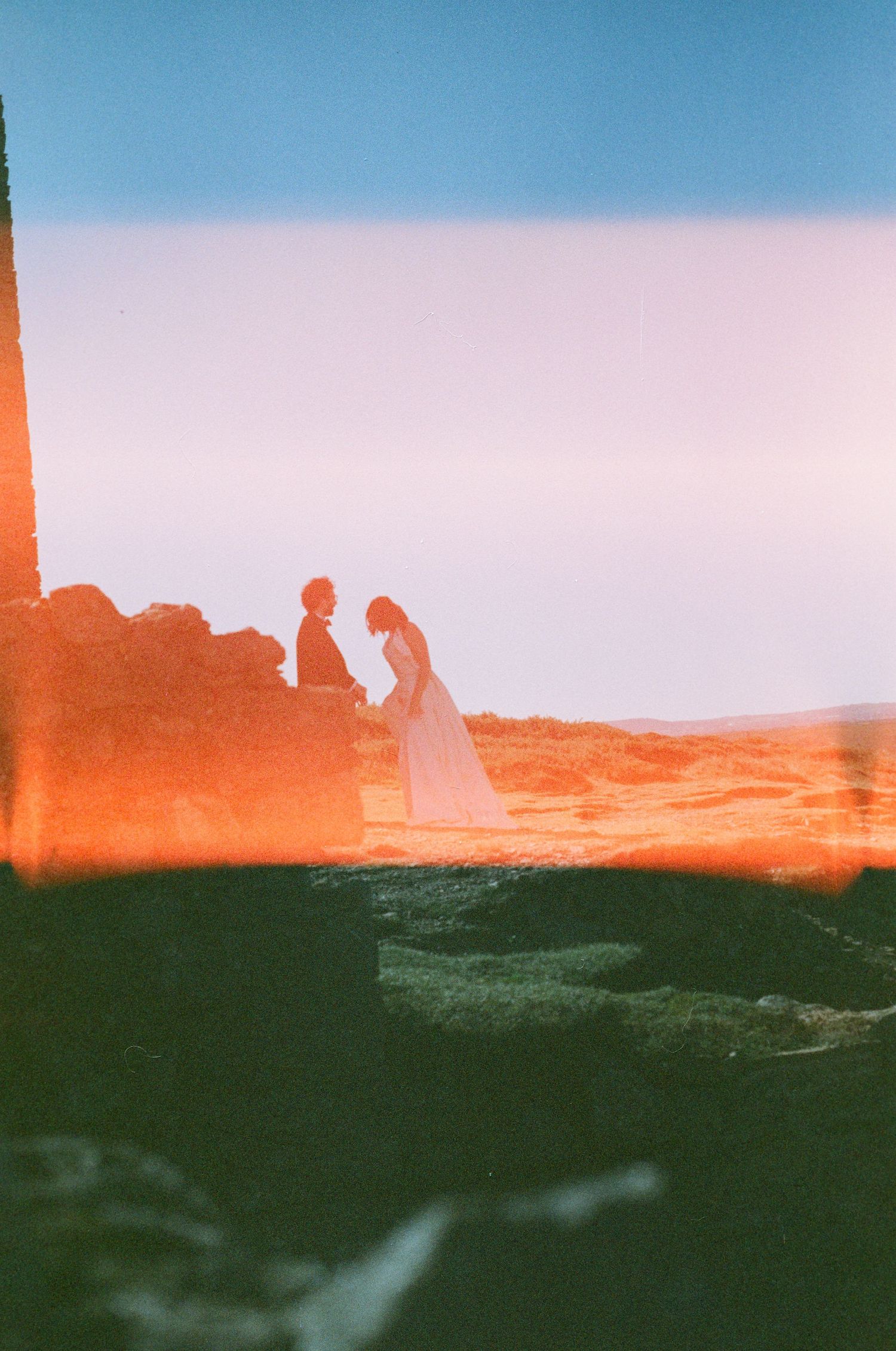
£695
investment
That familiar feeling of a family photo album.
What is 35mm
35mm is the classic film format that most people recognise. It offers beautiful grain, rich colours and a timeless documentary feel while remaining flexible enough to follow the pace of a wedding day.
What’s included
• Multiple rolls of Kodak professional film
• Professional lab development
• High-resolution scans
• Individually colour-finished images
• A personalised wooden heirloom box
Number of images
Around 40-60 photographs, depending on the pace of the day and your coverage.
Delivery
- Film is professionally processed before being individually colour finished alongside your digital gallery.
Film Stock
Kodak Portra 400.
Chosen for its natural skin tones, soft colours and beautiful latitude.
A note on film
Film is wonderfully imperfect.
So are the cameras.
Many are over 40 years old. They're carefully serviced and maintained, but like all mechanical cameras, they can fail. Film itself can also be affected by manufacturing or processing issues that no one can predict or prevent.
That's why we don't offer analogue as your only way of remembering the day.
We believe analogue is at its best alongside digital, where creativity is matched with confidence.
Medium Format
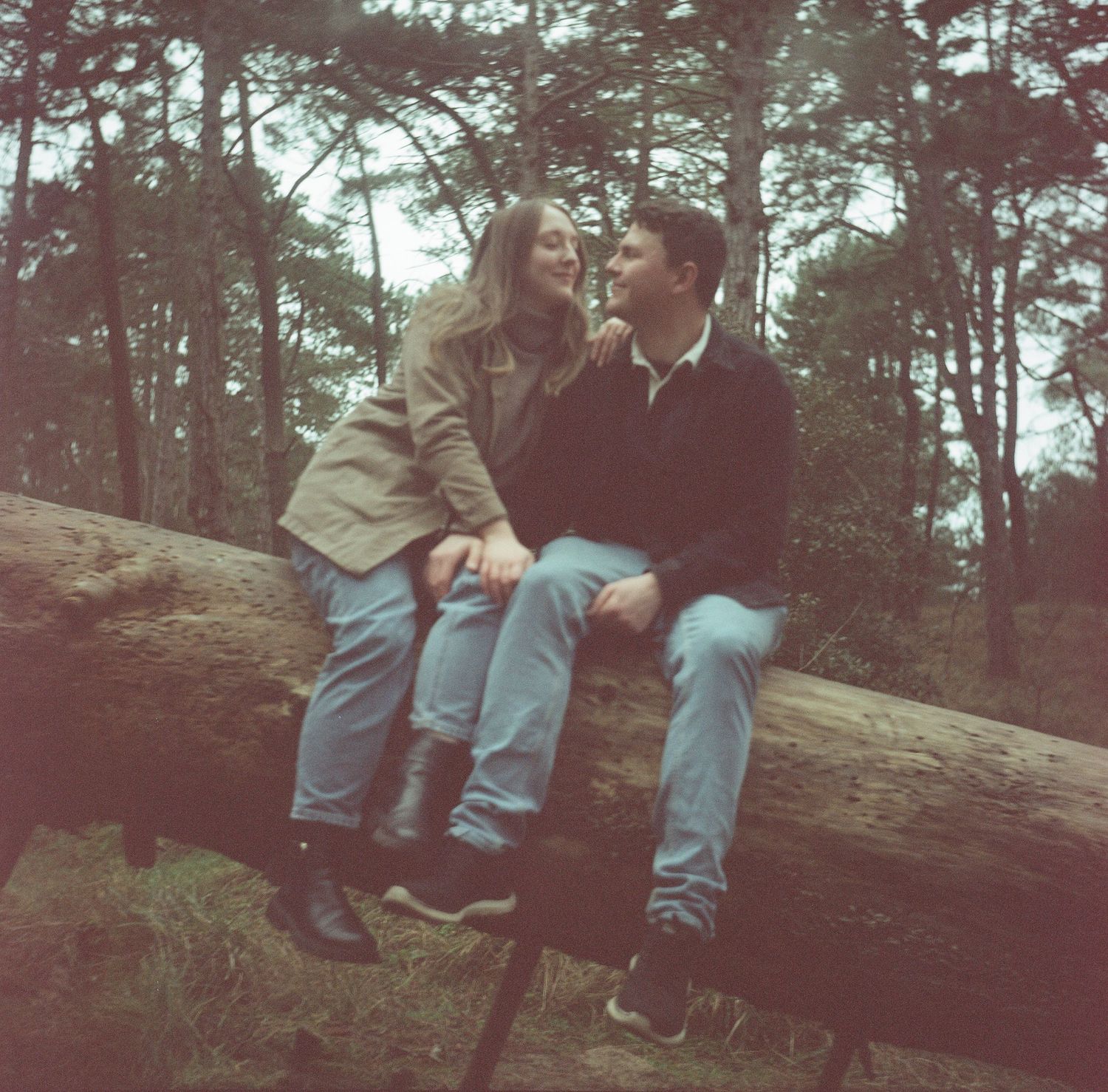
£795
investment
Fewer frames.
More intention.
Every photograph carefully chosen before the shutter is pressed.
What is Medium Format?
Medium format uses film that is over four times larger than traditional 35mm. Every frame carries incredible detail while encouraging a slower, more intentional rhythm.
What’s included
• Multiple rolls of Kodak professional film
• Professional lab development
• High-resolution scans
• Individually colour-finished images
• A personalised wooden heirloom box
Number of images
Around 40-60 photographs, depending on the pace of the day and your coverage.
Delivery
- Film is professionally processed before being individually colour finished alongside your digital gallery.
Film Stock
Kodak Portra 400.
Chosen for its natural skin tones, soft colours and beautiful latitude.
A note on film
Film is wonderfully imperfect.
So are the cameras.
Many are over 40 years old. They're carefully serviced and maintained, but like all mechanical cameras, they can fail. Film itself can also be affected by manufacturing or processing issues that no one can predict or prevent.
That's why we don't offer analogue as your only way of remembering the day.
We believe analogue is at its best alongside digital, where creativity is matched with confidence.
Polaroid
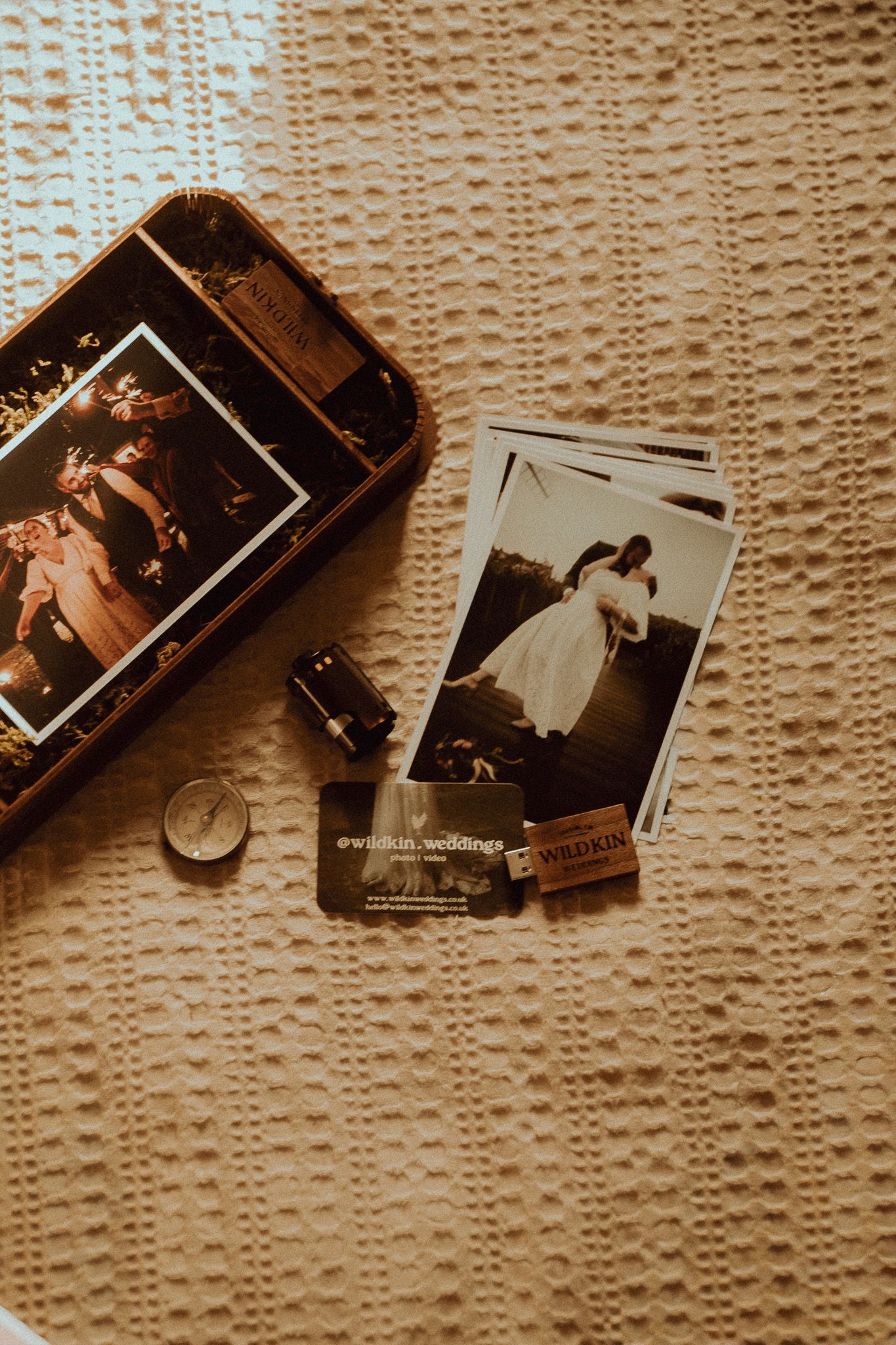
£395
investment
A photograph you can hold before the dancing begins.
What is Polaroid?
Original instant film developed in your hands within minutes, creating photographs that are completely unique and impossible to replicate.
What’s included
- Instant photographs throughout the day.
- Presented in a personalised cork case at the end of the night
Number of images
Approximately 8 Polaroid photographs per pack.
Delivery
Your Polaroids are handed to you on the night of your wedding, ready to take home at the end of the celebration.
Film Type
Polaroid Instant Colour Film for SX-70 and 600
A note on film
Film is wonderfully imperfect.
So are the cameras.
Many are over 40 years old. They're carefully serviced and maintained, but like all mechanical cameras, they can fail. Film itself can also be affected by manufacturing or processing issues that no one can predict or prevent.
That's why we don't offer analogue as your only way of remembering the day.
We believe analogue is at its best alongside digital, where creativity is matched with confidence.
Super 8
£795
investment
Not polished.
Not perfect.
Just beautifully human.
What is Super 8?
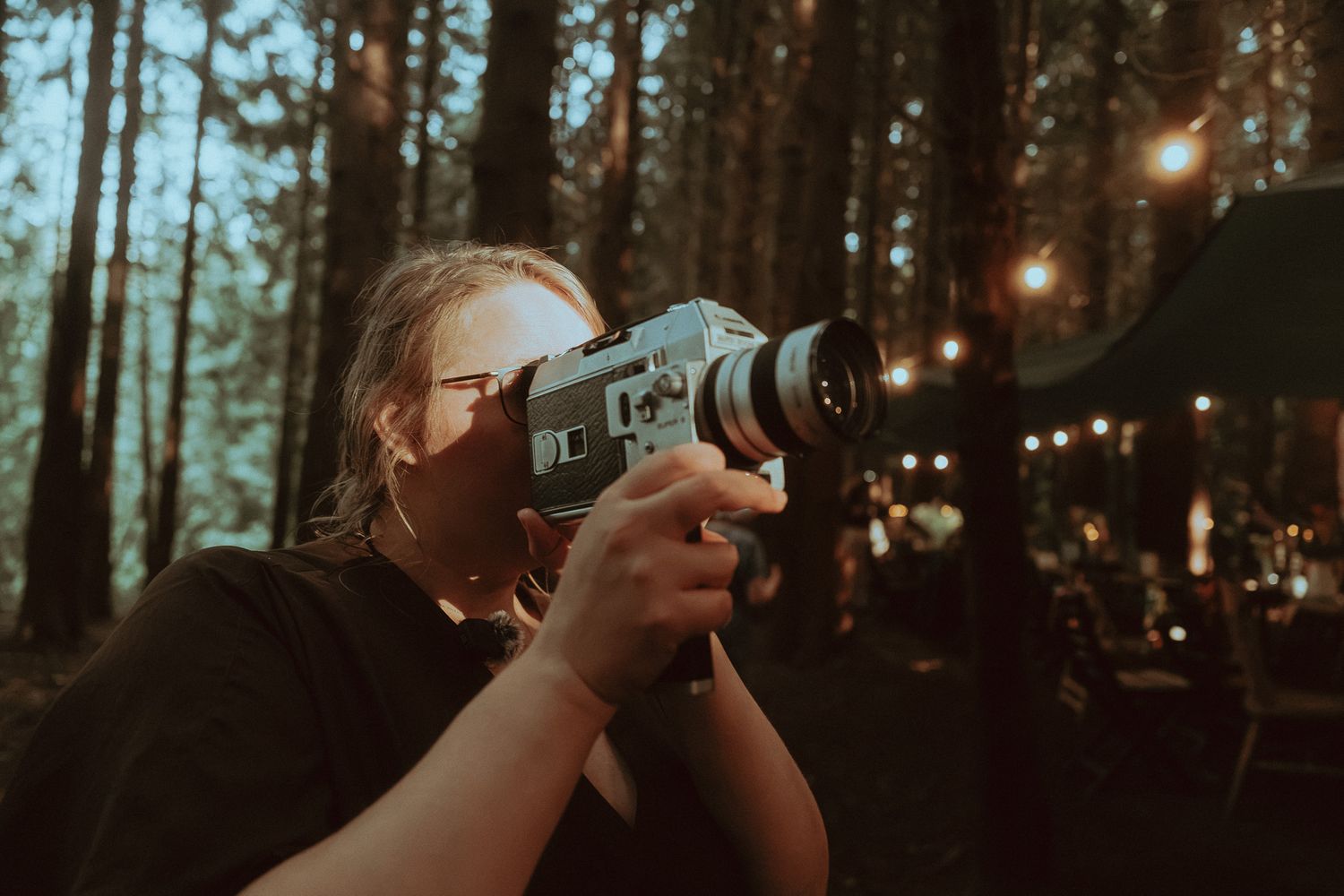
A genuine analogue motion picture camera shooting real film, creating moving memories with grain, texture and beautifully imperfect movement.
What’s included
Super 8 footage captured throughout your day by a dedicated analogue specialist filmmaker
- One Super 8 film cartridge included
- Professional lab processing and high-quality scanning
- Digitised, colour graded Super 8 film
- Your original Super 8 film spool
- A personalised wooden heirloom box
- The option to splice Super 8 footage into your digital wedding film
Cartridge Length
One Super 8 cartridge provides approximately 3 to 3.5 minutes of runtime
Additional cartridges can be added for extended coverage.
Delivery
Professionally developed and scanned before editing and colour finishing.
Film Stock
Kodak Vision3 Super 8.
A note on film
Film is wonderfully imperfect.
So are the cameras.
Many are over 40 years old. They're carefully serviced and maintained, but like all mechanical cameras, they can fail. Film itself can also be affected by manufacturing or processing issues that no one can predict or prevent.
That's why we don't offer analogue as your only way of remembering the day.
We believe analogue is at its best alongside digital, where creativity is matched with confidence.
Film Lovers Bundle
£1,695
investment
35mm. Polaroid. Super 8.
Different ways of seeing. The same intention.
To preserve the people, the place and the feeling.
Complete Analogue Experience
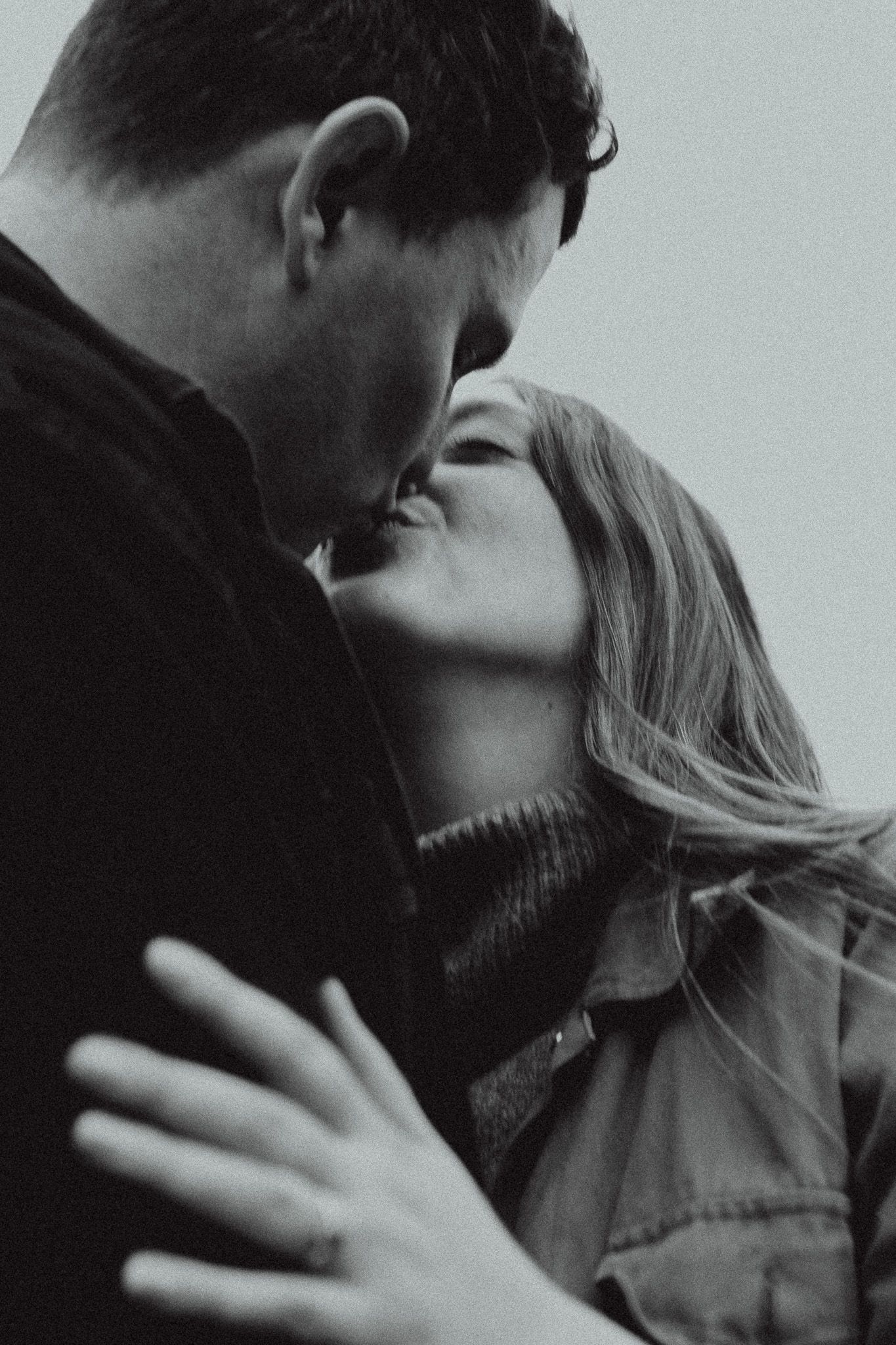
This is a complete analogue experience, weaving together the honesty of 35mm, the immediacy of Polaroid and the movement of Super 8 film. It is not about volume or perfection, but about creating something tactile, nostalgic and deeply human.
A Note on Availability;
The Film Lovers Bundle is offered in limited numbers each year due to the time, care and lab work involved. It is best suited to couples who value craft and are happy to trust the process.
What’s included
- 35mm film
- Polaroid
- Super 8
Coverage and quantities
- 35mm film, a full mix of colour and black and white exposures
- Polaroid, approximately 8 instant prints
- Super 8, one cartridge providing approximately 3 to 3.5 minutes of runtime
- Additional film for all formats can be added for extended coverage
Delivery
Every format is processed individually before being carefully prepared for delivery.
A note on film
Film is wonderfully imperfect.
So are the cameras.
Many are over 40 years old. They're carefully serviced and maintained, but like all mechanical cameras, they can fail. Film itself can also be affected by manufacturing or processing issues that no one can predict or prevent.
That's why we don't offer analogue as your only way of remembering the day.
We believe analogue is at its best alongside digital, where creativity is matched with confidence.
What does analogue mean?
Analogue photography uses real photographic film rather than a digital sensor. Every image is physically captured on film before being developed in a professional laboratory, creating photographs with texture, depth and character that digital simply records differently.
Will we still receive digital files?
Yes. Every roll is professionally scanned and delivered as high-resolution digital files, so you can easily share, print and preserve your photographs while still enjoying the unique qualities of film.
Is analogue suitable for every wedding?
Absolutely. Whether you're planning an intimate elopement or a full-day celebration, analogue can be tailored to suit the pace and style of your wedding.
Can analogue be added to any package?
Yes. Every analogue format can be added to Photography, Videography or Hybrid coverage.
How long does film take to be processed?
Film is developed by a specialist professional laboratory before being individually colour finished. Delivery is included within your normal gallery timeline.
What physical items do we receive?
Depending on your chosen collection, you'll receive professionally presented prints, Polaroids, keepsake packaging and your digital gallery.
Can Super 8 footage be edited into our digital film?
Yes. Many couples combine Super 8 with digital video to create a wedding film that blends timeless texture with clear digital storytelling.
Can we add more film if we want?
Of course. Additional rolls, Polaroids and Super 8 cartridges can all be added before or after booking. This can be discussed during your discovery call.
Why choose analogue?
Because some memories deserve to feel as though they can be held. Film asks us to slow down, trust the process and create photographs that become heirlooms rather than simply files.
For The People Who'll One Day Wonder Who You Were.
Long after today's technology has been replaced by something newer, these photographs will still exist. They won't be valuable because they were made on film. They'll be valuable because they remind someone of the people who stood in front of the camera.
We'd be honoured to help preserve that story.