Wales, where the landscape rarely stays the same for long.
Wales is a country where the landscape rarely stays the same for long. A mountain road can carry you from a high valley towards the sea. A forest track can open onto a lake, while a few miles further on you might find a ruined castle, a small stone village or a beach stretching beneath a wide Atlantic sky.
There is a particular feeling to Wales that comes from all of these things existing so close together. The mountains of Eryri rise above lakes, forests and valleys, while the coast brings cliffs, beaches, dunes and estuaries. Further south, Bannau Brycheiniog opens into green hills, waterfalls, caves and wide open country. Pembrokeshire turns towards the sea entirely, with its cliffs, beaches, islands and long coastal paths. Wales has three National Parks, each with a very different character. But the landscape is only part of what makes the country distinctive. There are slate quarries and old mining communities, medieval castles, ancient monuments, chapels, stone farms and roads that still follow the shape of the valleys. The Welsh language remains part of everyday life, particularly in areas such as Eryri, where it is deeply connected to the identity of the landscape.
For a wedding or elopement, that gives you something more interesting than a backdrop. You can make the journey part of the day. You can climb into the mountains, walk through woodland, find a quiet stretch of coast, explore an old village or simply spend a few days somewhere you have wanted to visit together. You can bring everyone with you, or disappear for a while with just the two of you. And Wales does not ask you to choose between wild and comfortable. A day might begin in a cottage above a valley, move through the mountains and end beside the sea. Or it might be much simpler: a short walk, a ceremony somewhere meaningful, a few hours outside and dinner in a little pub before heading back to somewhere warm.
This guide explores the places, landscapes and possibilities that make Wales such a compelling setting for a wedding or elopement. Not as a list of the places you are supposed to visit, but as a way of discovering which part of Wales might feel like yours.
A place that gives you room to make the day your own.
Why we love Wales
Wales works particularly well when you do not want your wedding to feel like a performance.
There is space here to do things a little differently. You might spend the morning slowly getting ready in a cottage, walk somewhere quiet for your ceremony, disappear for an hour with a camera and a flask of coffee, then come back to everyone for dinner. Or you might bring your closest people with you and make the whole thing feel more like a few days away together. There is no single way to get married in Wales.
That matters to us.
The day can move
One of the things we love most about Wales is that a wedding does not have to stay in one place.
The landscape encourages movement. A road through Eryri can become part of the story. A walk can take you from a village into open country. On the coast, the day can shift with the tide and the weather.
You do not necessarily need to spend six hours taking photographs in one beautiful spot.
You can actually go somewhere.
That might mean climbing higher, following a footpath, stopping beside a lake, finding a viewpoint, wandering through a village or simply taking the long way home.
The photographs become a record of what you did together, rather than a collection of moments created for the camera.
There is more than one kind of wild
Wales is often imagined through its mountains, but that is only one version of the country.
There are quiet valleys where the landscape feels almost enclosed. There are broad open moors where you can see for miles. There are forests, lakes and rivers, old industrial landscapes and tiny communities tucked into the hills.
Then there is the coast.
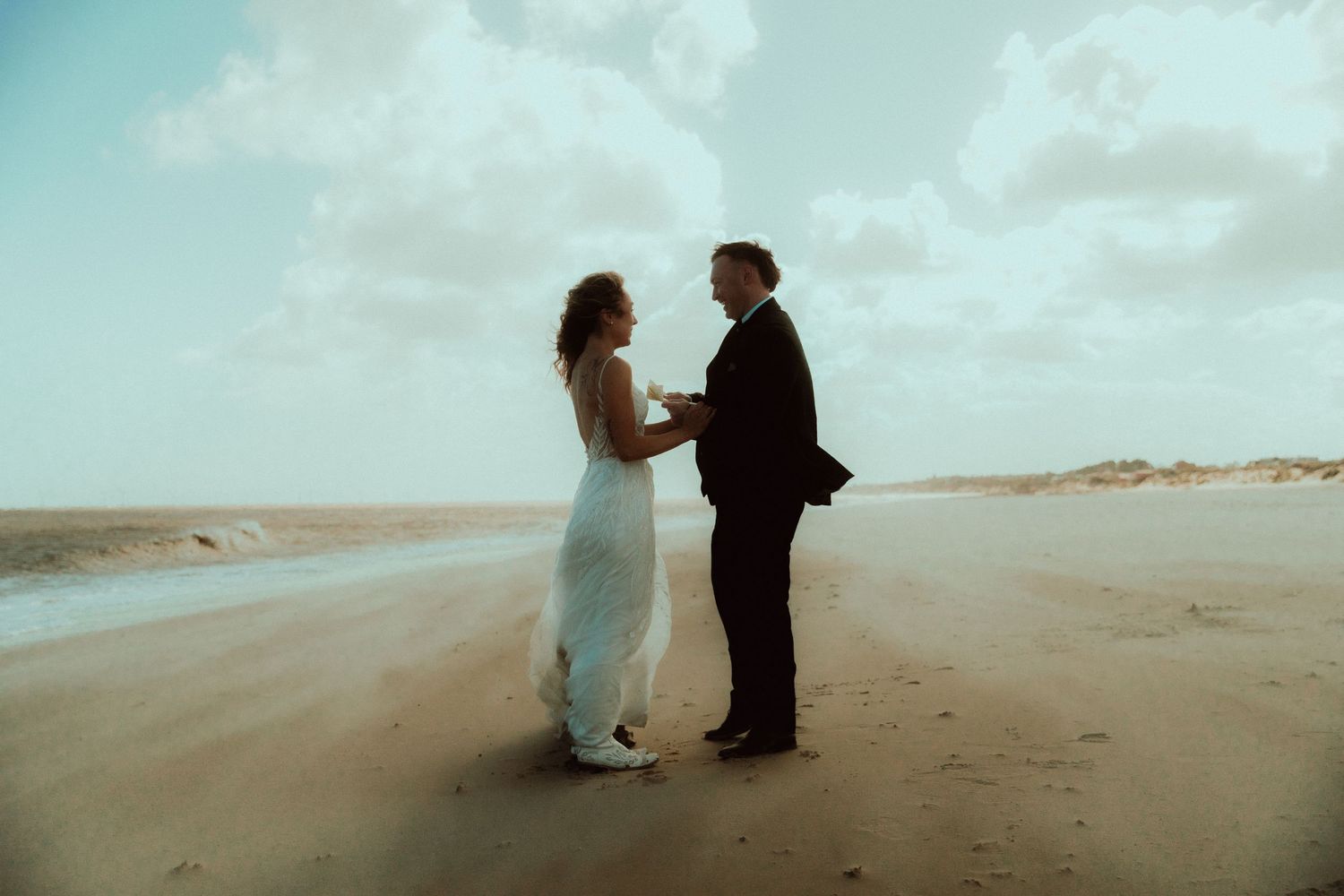
Pembrokeshire, the Llŷn Peninsula, Anglesey and the Gower all have their own character, and the sea changes the feeling of a day completely. A wedding beside the coast can feel windswept and open one minute, then surprisingly intimate when you turn away from the horizon.
That variety means you can choose a place because it means something to you, not simply because it photographs well.
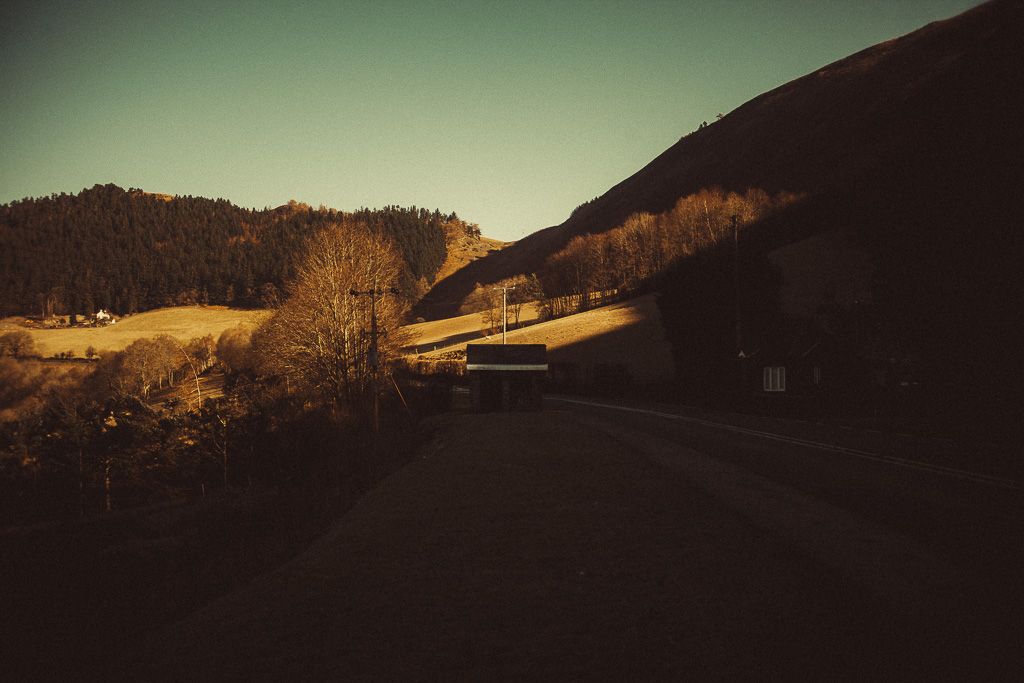
And sometimes the weather is part of it
Wales has a habit of changing its mind. Cloud can roll over a mountain. Rain can arrive, disappear and return again. The sea can look completely different an hour later.
We would never build a day around the assumption that the weather will behave perfectly. Instead, we think there is something rather good about leaving enough room for it not to.
Because sometimes the rain becomes the reason you remember the walk.
Sometimes the cloud makes the mountain. And sometimes getting back to the fire afterwards becomes one of the best parts of the whole day.
You do not need a huge guest list
Wales suits small weddings particularly well. Two people can disappear into the landscape for a day without it feeling strange. Equally, a small group of friends and family can make a cottage, farmhouse or village their base and spend a few days together.
That is one of the reasons Wales works so well for elopements.
You can make the day about the things you actually want to remember. The walk. The weather.
The view that stopped you both in your tracks. A swim in the sea. A pub afterwards. Your favourite people around one table. None of it needs to be grand to be worth remembering.
Wales feels lived in
This is important too.
Wales is not just scenery.
There are working farms, old chapels, slate communities, market towns, castles, harbours and small pubs where the day can carry on after the walking boots come off.
The Welsh language is part of everyday life in many communities, particularly in the north and west. Place names, buildings and local traditions give different parts of the country their own identity.
For us, those details matter.
A wedding should feel connected to where it happens.
The Welsh landscape.
Mountains, valleys, forests and sea
Wales is a small country with a remarkable amount of landscape packed into it.
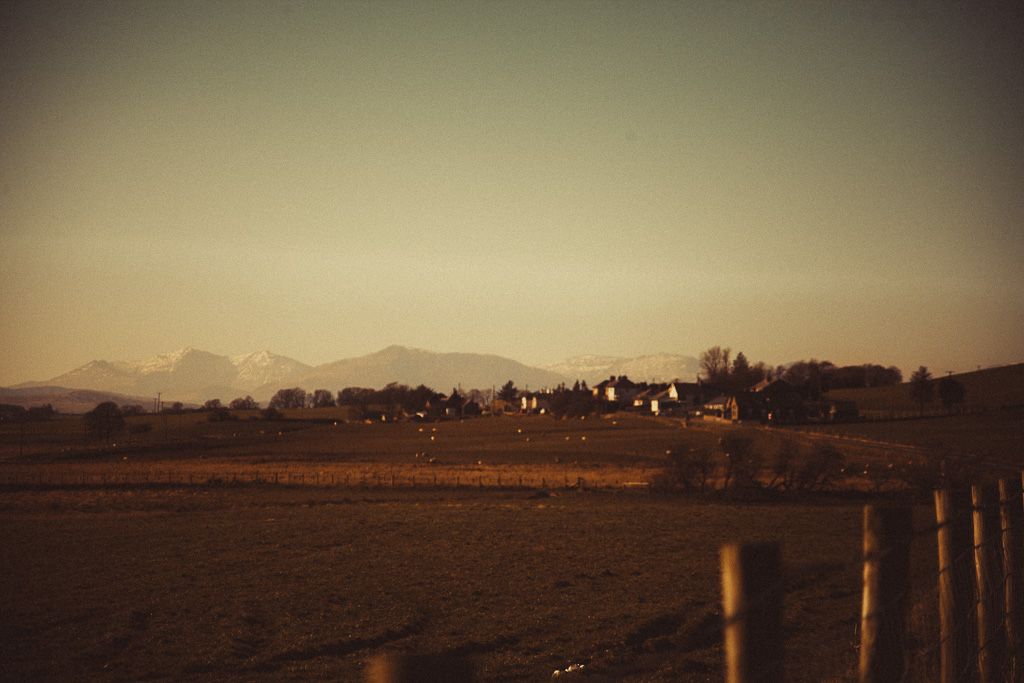
In the north, Eryri (Snowdonia) rises into mountain country, with high peaks, glacial valleys, lakes, forests and a coastline that eventually meets the sea. Yr Wyddfa (Snowdon) may be its most recognisable mountain, but the landscape around it is much bigger than the summit.
Further south, Bannau Brycheiniog has a different character. The mountains are broader, the valleys open out and long ridges run through open countryside. There are waterfalls, rivers, caves and old roads crossing the hills.
Between these better-known areas are the Cambrian Mountains, where Wales becomes quieter and more remote.
And then there is the coast.
Pembrokeshire, Cardigan Bay, the Llŷn Peninsula, Anglesey and the Gower all bring a different relationship with the sea. Cliffs, beaches, dunes, islands and estuaries stretch around the country, often sitting surprisingly close to the mountains. Wales is not one landscape. That is exactly what makes it interesting.
Eryri (Snowdonia)
Eryri is probably the landscape most people picture when they think of Wales. Yr Wyddfa (Snowdon) rises above a landscape of ridges, lakes and valleys, but the National Park extends far beyond its highest summit. There are the Glyderau and the Ogwen Valley, the forests around Betws-y-Coed, the valleys of southern Eryri and long stretches of coastline.
The mountains can be dramatic. They can also be surprisingly quiet. A lake beneath a ridge. A narrow road disappearing into a valley. Woodland opening onto a view. An old slate track climbing slowly through the hills. You do not have to climb the highest mountain to experience Eryri. Sometimes the best part is simply being somewhere beneath it.
Bannau Brycheiniog
Further south, the landscape changes. Bannau Brycheiniog stretches across mountains, moorland and deep valleys, with Pen y Fan rising above the central Beacons. Waterfalls cut through woodland, rivers run through the valleys and long open ridges give the landscape a sense of space.
There is history everywhere too.
Castles, old roads, farms and the remains of communities sit among the hills. Llanthony Priory, tucked into the Black Mountains, is one of those places where the landscape and the buildings feel inseparable.
Bannau Brycheiniog does not always feel as imposing as Eryri. It can feel softer. Wider. More open. The sort of place where you can spend a morning walking across a ridge and an afternoon beside a river without ever feeling that you have left the landscape behind.
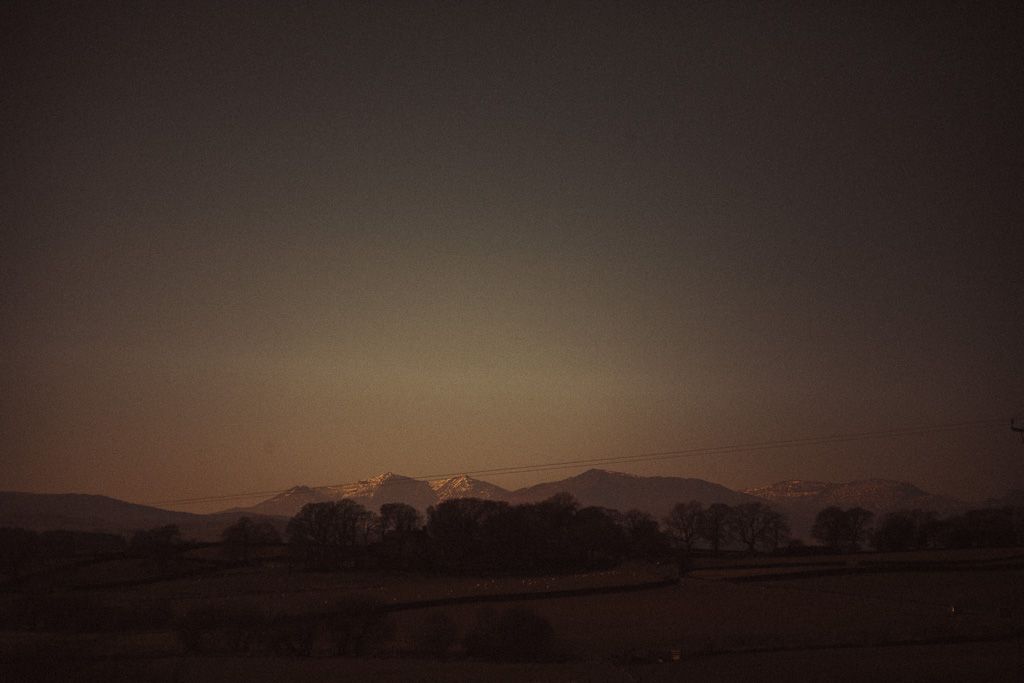
The Cambrian Mountains
Mid Wales is where things start to feel properly quiet.
The Cambrian Mountains cover a huge area of upland country between the better-known landscapes of north and south Wales. There are fewer settlements, long roads, open hills and vast stretches where the landscape seems to continue without interruption.
The Elan Valley is one of its most recognisable corners, where reservoirs sit among the surrounding hills.
This is a different kind of Welsh landscape.
There are no famous peaks demanding your attention. Instead, there is space. A road through the hills.
A reservoir appearing around a bend. Sheep on the horizon. A huge sky.
For couples who are drawn to somewhere quieter, this part of Wales deserves a place on the map.
Valleys and woodland
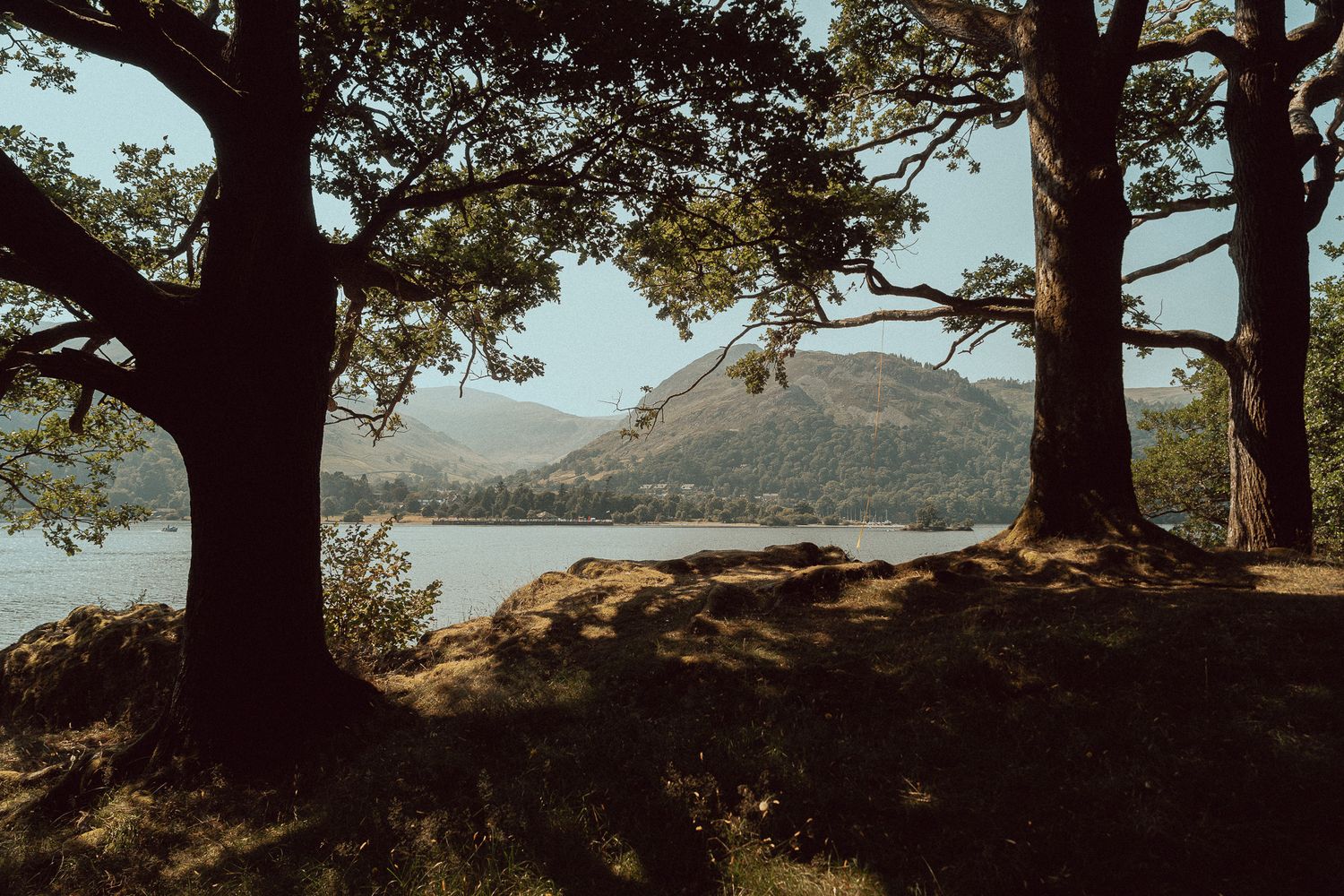
Not every Welsh landscape needs to be enormous. Some of the most memorable places are much smaller. A wooded valley. A river running beneath an old stone bridge. A track between fields. A hillside covered in trees. A village sitting at the bottom of a valley.
These places are easy to overlook when you are searching for famous wedding locations, but they are often where a sense of place becomes strongest.
Betws-y-Coed, for example, sits among woodland and rivers in the Conwy Valley. The surrounding landscape feels completely different from the exposed mountains nearby, despite being only a short distance away.
That contrast is one of the things Wales does particularly well.
You can move from open mountain country into woodland, then towards the coast, without travelling for hours.
The Welsh Coast
Then Wales turns towards the sea.
The Pembrokeshire Coast is perhaps the most dramatic example, with cliffs, beaches, coves, islands and estuaries running along the western edge of the country.
The Pembrokeshire Coast National Park follows 186 miles of coastline, making it the UK's only national park focused entirely on the coast.
Further north, Cardigan Bay opens out towards the Irish Sea.
The Llŷn Peninsula reaches westwards, with beaches, headlands, farmland and small coastal communities. Across the Menai Strait, Anglesey brings another collection of beaches, cliffs, fields and coastal paths.
And in the south, the Gower Peninsula has its own mixture of limestone cliffs, dunes, beaches and open countryside.
The sea changes the feeling of a place. You hear the wind.
The weather moves across the horizon. A path follows the edge of a cliff before dropping towards a beach.
You might have planned to stay for twenty minutes and still be there an hour later.
The landscape shaped by people
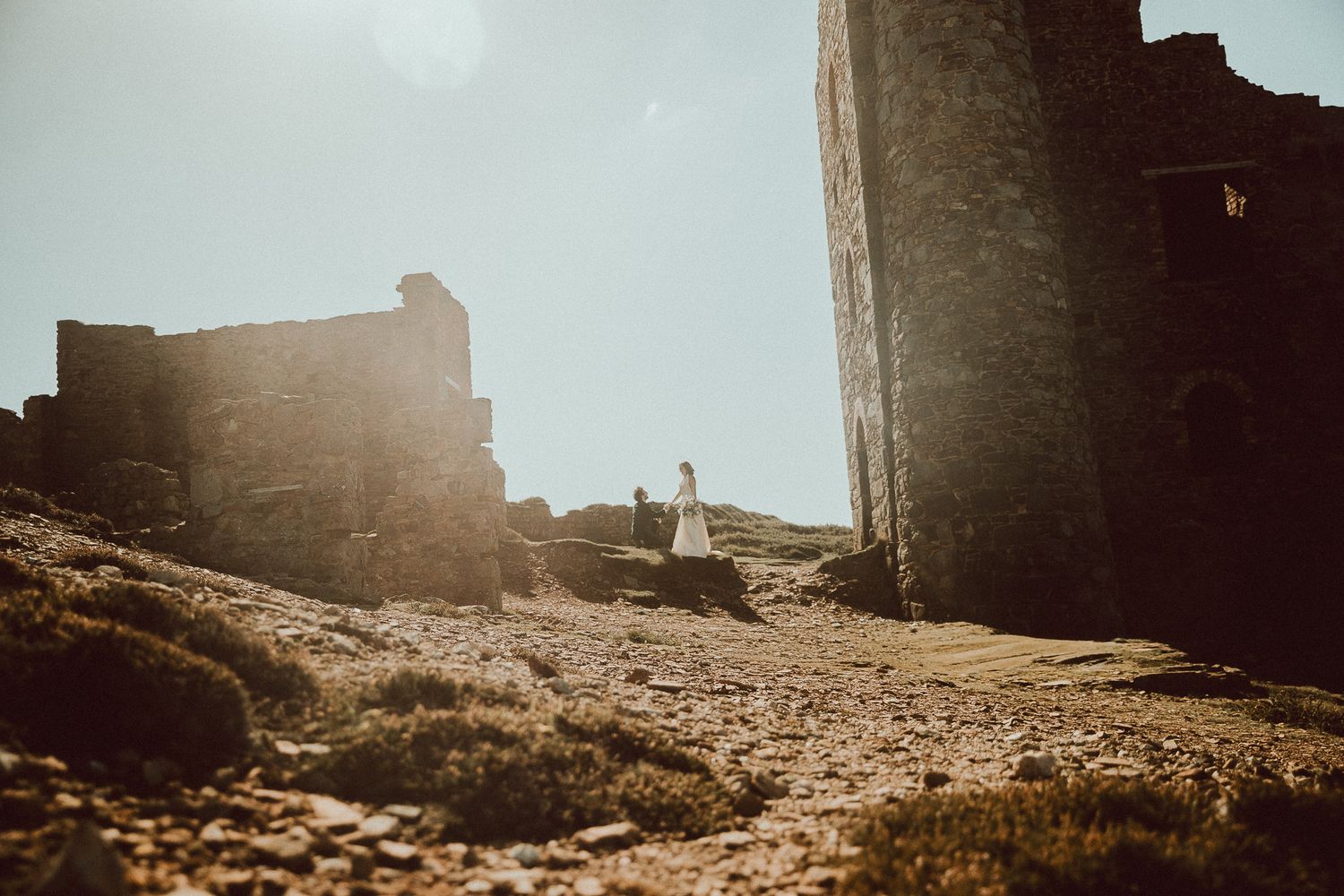
Wales is not untouched wilderness. It has been shaped by people for generations. Slate quarries cut into the mountains of the north. Old mining communities sit within the valleys. Stone farms, chapels, castles and ruins appear throughout the countryside.
Places such as Conwy, Caernarfon and Harlech carry centuries of history, while smaller villages and working landscapes tell quieter stories.
The distinction between landscape and human history is often difficult to make here. A stone wall belongs to the hillside. A quarry becomes part of the mountain. A castle looks out over the same valley that has existed long before it.
That is part of what makes Wales feel like a place rather than simply a collection of views.
Finding your Wales
You do not have to choose Wales as one enormous destination. You can choose the part that pulls you in. Eryri (Snowdonia) for mountains, lakes and valleys. Bannau Brycheiniog for open hills, waterfalls and the Black Mountains. The Cambrian Mountains for space and quiet. Pembrokeshire for cliffs, beaches and the Atlantic. The Llŷn Peninsula for remote coastal landscapes.
Anglesey for island life and wide beaches.
The Gower for its mixture of coast and countryside.
Or somewhere much smaller that you discover while looking at the map. Because the best place for your wedding does not necessarily have to be the most famous one. It just has to be somewhere you want to remember.
Places to get married in Wales.
Wales gives you plenty of choice, but we would not start with a list of wedding venues.
Start with where you want the day to happen. A mountain valley. A beach. An old estate. A woodland. A small village. Somewhere beside a river. Somewhere with a castle in the distance. The venue comes afterwards.
There are places across Wales that work beautifully for a larger wedding with everyone together, while others make more sense for something smaller, where the landscape becomes part of the day itself. And if you are willing to look just beyond the border, there are even more possibilities.
Mountain Valleys
For couples who want mountains around them, the valleys of Eryri (Snowdonia) give you plenty to work with. The obvious temptation is to look towards Yr Wyddfa, but you do not need to be anywhere near the summit.
The Ogwen Valley, Llanberis, Beddgelert and the valleys around Betws-y-Coed all give you access to the mountains while still having villages, accommodation and places to eat nearby.
This can work particularly well for a wedding where everyone stays together for a few days.
Get married somewhere tucked into the hills.
Spend the afternoon outside. Go for a walk the next morning.
Let the wedding become part of a longer stay rather than the only reason you came. For something more intimate, there are also plenty of smaller places where the mountains can simply form the backdrop while you make the day your own.
Coastal Wales
If you would rather hear the sea than wake up beneath a mountain, Wales has an enormous coastline to explore. Pembrokeshire, Cardigan Bay, the Llŷn Peninsula, Anglesey and the Gower all offer very different versions of a coastal wedding.
Some have huge sandy beaches. Others are all cliffs, headlands and little coves. There are harbours, coastal villages, old fishing communities and stretches of coastline where you can walk for miles without seeing much more than sea and sky.
The important thing is not necessarily finding the most famous beach. A smaller coastal venue with a footpath leading towards the sea can give you much more freedom to actually explore.
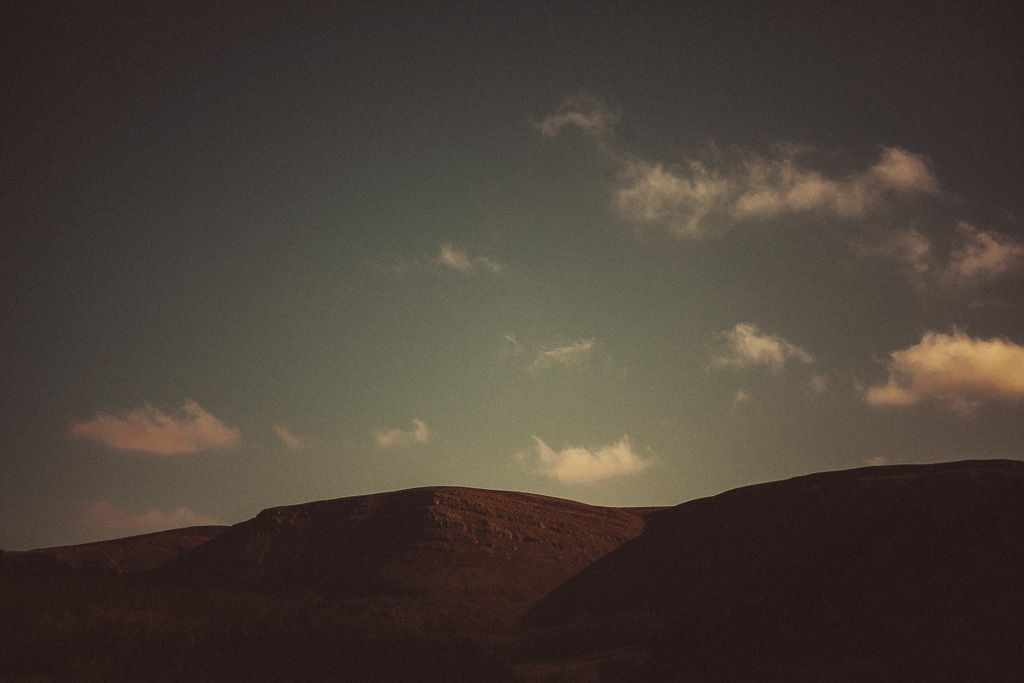
Bannau Brycheiniog and the Black Mountains
The south and mid Wales mountains offer plenty of options for couples who want open countryside without necessarily going as far north as Eryri.
Around Brecon, Crickhowell, Hay-on-Wye and the Black Mountains, you will find country houses, estates, farms, barns and smaller venues surrounded by hills. Penpont, near Brecon, is one example, with a historic estate beside the River Usk and accommodation that allows the setting to become part of a longer stay.
Further east, Glanusk Estate sits beneath the Black Mountains and offers a very different scale, with the wider estate forming part of the setting. And then there are historic places such as Tretower Court, a fifteenth-century medieval courtyard house in Bannau Brycheiniog that can host civil ceremonies.
This part of Wales works particularly well if you want a proper gathering but still want to be able to walk out of the venue and into the landscape.
The Llŷn Peninsula and Anglesey
The Llŷn Peninsula is particularly good if you want the feeling of going somewhere properly away from everything.
The further west you travel, the more the roads narrow and the landscape opens up. Abersoch, Abersaron, Aberdaron and Porthdinllaen all give you different ways into the peninsula, from beaches and coastal walks to small villages and historic landscapes.
Then there is Anglesey. Crossing the Menai Strait changes the feeling again. The island has beaches, farmland, cliffs, small harbours and long stretches of coast, with South Stack and Llanddwyn Island among the places that immediately show why people come here.
For an elopement, an island can be particularly appealing. You have already made a journey to get there. Why not make the rest of the day feel like one too?
Pembrokeshire and the West
Pembrokeshire is one of the strongest options if the coast is central to what you want from the day.
The Pembrokeshire Coast National Park follows 186 miles of coastline, with beaches, cliffs, islands and estuaries spread across the western edge of Wales.
St Davids gives you a small city with a remarkable setting. Tenby brings colourful buildings, beaches and harbour views.
Further along the coast, places such as Barafundle Bay, Freshwater West and Solva offer a very different experience, with more emphasis on the landscape itself.
This is somewhere you could easily build a wedding around being outside. A ceremony. A walk. A picnic. A swim if you are brave enough. Dinner somewhere nearby.
The actual wedding can be quite simple when the place is doing so much of the work.
Estates, farms and somewhere to stay
Some of the best wedding settings are not famous landmarks at all. They are places where you can arrive on Friday, stay with your favourite people, get married on Saturday and still be there on Sunday morning.
A farm surrounded by fields. A converted barn at the end of a track. A country house with woodland behind it. A small estate beside a river. That kind of place can make the whole weekend feel connected.
Rather than everyone disappearing into separate hotels after the ceremony, you have somewhere to cook breakfast, sit outside, go for a walk and carry on talking long after the photographs have finished. For us, that is often more interesting than a venue that only exists for the twelve hours of the wedding itself.
The Wye Valley and Forest of Dean
This is where we would happily stretch the map a little. The Wye Valley follows the England-Wales border, and the wider Forest of Dean and Wye Valley area gives you a mixture of ancient woodland, river scenery, historic buildings and countryside on both sides of the border.
The Forest of Dean itself is in England, but it sits immediately beside Wales and makes complete sense to consider if you are looking at the Welsh Borders.
It is particularly interesting if mountains are not your thing. Here, the landscape is about trees, rivers and woodland roads.
Symonds Yat, Tintern, Chepstow and Monmouth all sit within or close to this wider landscape, giving you plenty of options for places to stay and things to do across a few days.
There are also some wonderfully characterful venues in the Forest of Dean, from Clearwell Castle to The Speech House, a former hunting lodge surrounded by the forest. And because the area crosses the border, you can quite literally build a wedding weekend around both sides of it.
Stay in England. Walk into Wales. Have dinner beside the Wye. Get married somewhere surrounded by woodland. There is something rather nice about a wedding that does not care where the invisible line on the map happens to be.
Castles and historic places
Wales has an extraordinary number of historic places that can become part of a wedding. Conwy Castle, Caernarfon Castle, Harlech Castle, Tretower Court and Tintern Abbey all offer completely different settings.
Some can host ceremonies, while others are better thought of as places to visit, explore or use as part of the wider story of the day. Visit Wales specifically highlights historic venues ranging from castles and stately homes to museums and historic railways. And that distinction matters.
You do not need to get married inside a castle to make it part of your wedding. You could stay nearby, visit in the morning, take a walk around the old walls and then head somewhere completely different for the ceremony and dinner. Sometimes the place you visit becomes just as memorable as the place you get married.
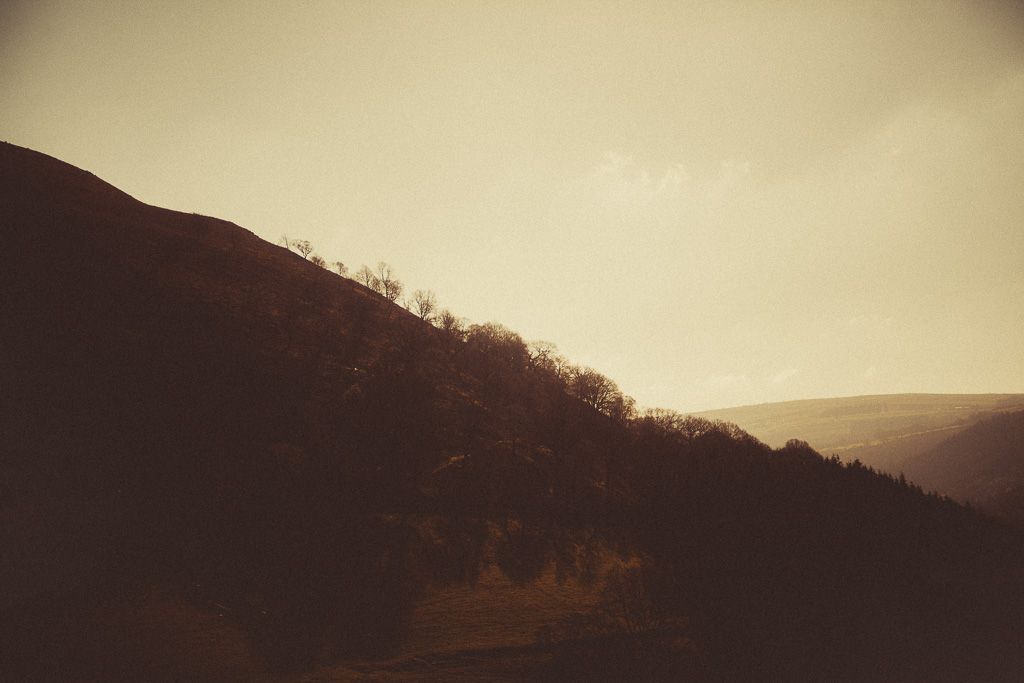
The Preseli Hills
For something genuinely different, look west towards the Preseli Hills in Pembrokeshire. This is not the dramatic coastal Wales of cliffs and beaches, and it is not the high mountain country of Eryri.
The Preselis are quieter. Open hills roll across the northern part of Pembrokeshire, with ancient monuments, stone tracks, exposed ridges and huge views across the surrounding countryside.
Foel Cwmcerwyn, the highest point, rises to 536 metres, but the appeal is not really about reaching the summit.
It is the feeling of being somewhere open and slightly removed. There are prehistoric sites scattered through the hills, including Bedd Arthur, a stone circle traditionally associated with the area, and the landscape is deeply connected with the wider history of Pembrokeshire.
This could work beautifully for a couple who wants something simple and outdoors, without choosing one of Wales' obvious mountain destinations. A walk into the hills. A quiet ceremony. A picnic somewhere with a view. Then back down to the coast for the evening.
That feels much more like a distinct addition to the chapter.
Smaller place
Then there are the places that do not necessarily appear at the top of a Google search. A village with one good pub. A farmhouse surrounded by hills. A cottage near the coast. A small woodland venue.
A converted chapel. Somewhere beside a river.
These are often the places where a wedding starts to feel less like an event and more like your weekend.
And that is really what we would look for.
Not the venue with the longest list of facilities. Not the place with the biggest ballroom. Not necessarily the place everyone else has already found. Just somewhere you can imagine waking up, getting married, heading outside, eating something good and wondering where the day went.
Wales gives you plenty of places to do exactly that.
Portmeirion
There are places in Wales that feel completely removed from the landscape around them. Portmeirion is one of them. Built on the coast of Eryri, the village is a strange and wonderful collection of Italianate buildings, gardens, woodland and views across the Dwyryd Estuary. It feels nothing like a conventional Welsh wedding venue, which is exactly why it is interesting.
You can wander through the village, disappear into the woods, follow paths towards the water and use the architecture as part of the day.
It gives you something different from the usual mountain or country-house wedding. More colour. More texture. More unexpected corners.
And because it sits within the wider Eryri landscape, you still have mountains and coastline around you when you step beyond the village.
For couples who want their wedding to have a strong sense of place without wanting to spend the day hiking across a mountain, Portmeirion offers another way to experience Wales.
Getting married in Wales.
Getting married somewhere beautiful is one thing. Building a wedding that actually works there is another. Wales gives you plenty of freedom, but the best days usually come from working with the place rather than trying to make it behave like somewhere else.
That might mean choosing a venue where you can stay for the whole weekend. It might mean keeping the guest list small enough that everyone can move around together. Or it might simply mean leaving enough space in the day to go outside when you want to.
Let the location shape the day
A wedding in a Welsh valley does not need to follow the same rhythm as a wedding beside the sea.
If you are surrounded by mountains, you might want to spend part of the day walking. If you are beside the coast, you might want to disappear towards the beach after the ceremony. If you are staying in an old country house, perhaps the best part is everyone being together in one place.
There is no reason to force a particular format onto the landscape. Choose the place first. Then see what the place makes possible.
Keep things close
One of the easiest ways to make a destination wedding feel stressful is to put everything miles apart.
Getting ready in one place. The ceremony somewhere else. Photos somewhere else again. Then dinner at another venue. Suddenly half the day is spent getting people into cars.
Wales has enough beautiful places that you do not need to make things difficult for the sake of variety. If possible, choose a venue where getting ready, getting married and celebrating can all happen in the same place, or where the surrounding landscape gives you somewhere to explore without a long drive. That leaves more time for the things you actually came for.
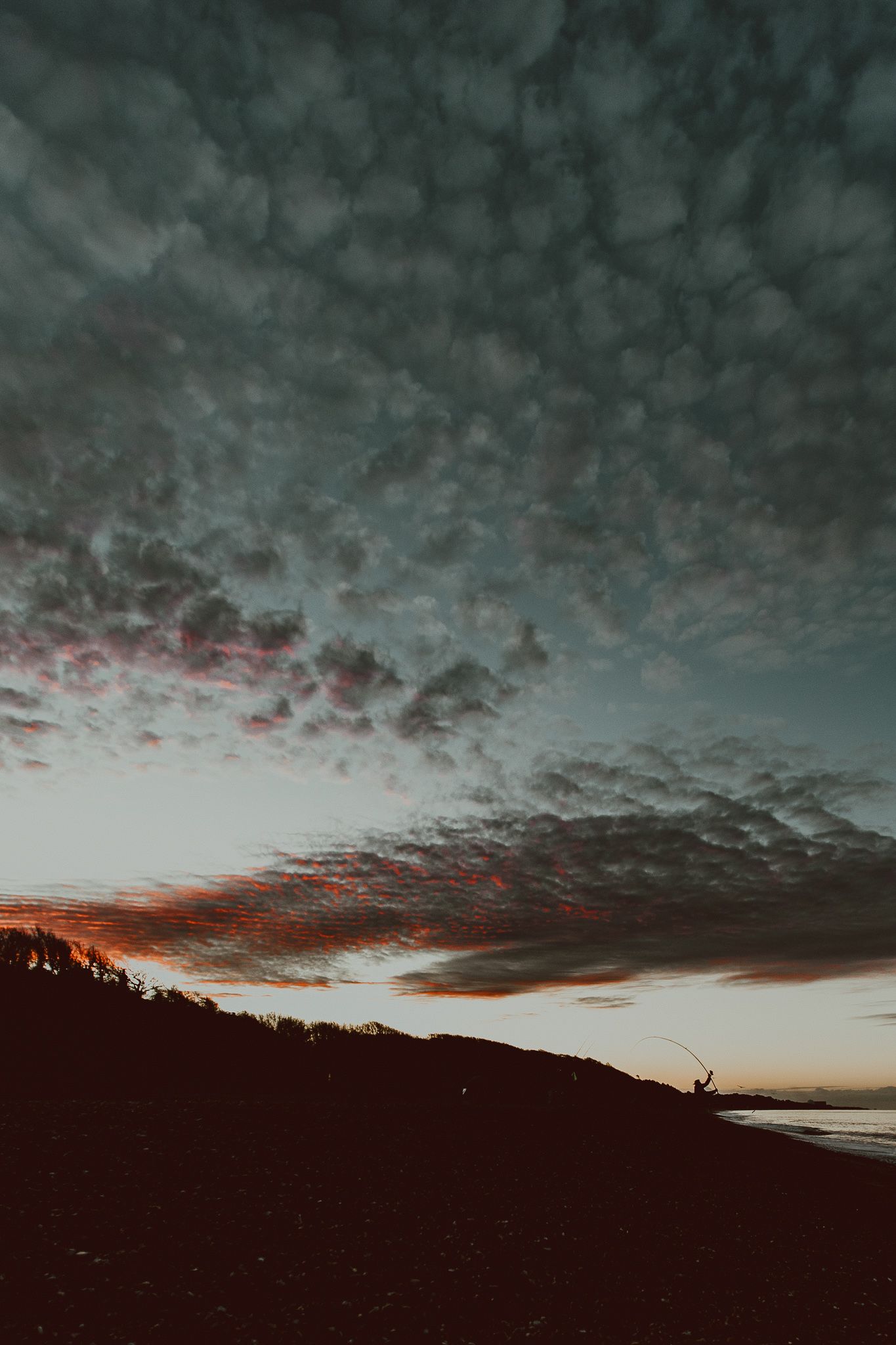
If you are planning an elopement
You have even more freedom.
You do not need to organise the day around a large group, which means you can choose somewhere because you actually want to be there.
A mountain path. A quiet beach.
A woodland. A small chapel. An old ruin. A viewpoint reached after a walk. The important thing is understanding what is legally possible and what permissions you need before deciding that somewhere beautiful is going to be your ceremony location.
The landscape can be the reason you travel to Wales. It does not necessarily have to be the place where the legal ceremony happens.
That distinction can give you far more options.
Think about your guests
If you are bringing family and friends to Wales, remember that not everyone will want to climb a mountain.
That does not mean you need to keep the whole day indoors. A good location can give people different ways to experience it.
Someone might head out for a long walk. Someone else might find a café in the nearest village. Others might simply sit outside with a drink and enjoy the view.
The best wedding locations give people room to choose. That is particularly useful when you are planning a few days together rather than one afternoon.
A wedding weekend can make more sense
Wales is a brilliant place to slow things down. Instead of everyone arriving on the morning of the wedding and leaving the following day, consider making the wedding the middle of a longer trip.
Arrive on Thursday. Have dinner together. Explore on Friday. Get married on Saturday. Go for a walk on Sunday. You do not need to fill every hour.
Sometimes the unplanned parts become the memories everyone talks about afterwards. The breakfast that lasted three hours. The walk someone suggested at the last minute. The pub you found because it started raining. The late-night conversation that nobody wanted to end.
Leave room for the weather
Wales does not promise sunshine. So do not build a wedding that only works if the weather behaves perfectly.
Have somewhere warm to come back to. Think about sensible footwear. Give yourselves enough time to change plans if conditions turn. And do not underestimate how quickly things can change in the mountains or on exposed coastal paths. A flexible plan does not mean having no plan. It means knowing which parts matter most and being willing to move them around.
Maybe the ceremony happens inside and the walk happens later. Maybe the planned viewpoint disappears into cloud and you find somewhere else. Maybe it rains all afternoon and everyone ends up around a table instead. The day is still the day.
Give yourselves time to wander
This is probably our biggest piece of advice.
Do not schedule every minute. If there is somewhere nearby that you both want to explore, leave the time to do it. If you see a path you want to follow, follow it. If everyone is having a brilliant time at dinner, stay at the table.
Some of the best photographs happen in the gaps between the things you thought were important.
A wedding does not need to be efficient. It needs enough space for something unexpected to happen.
Check the practicalities before you commit
Beautiful locations can come with practical complications. Check access, parking, accommodation, permissions and whether the ceremony you have in mind is legally possible at your chosen location.
If you are planning to walk somewhere remote, think about the distance, terrain and conditions rather than judging the route from a photograph.
And if you are bringing suppliers from elsewhere, make sure they understand the location too.
A remote Welsh valley is a very different working environment from a wedding venue in a town. The more we understand about the place beforehand, the more freely we can work once we arrive.
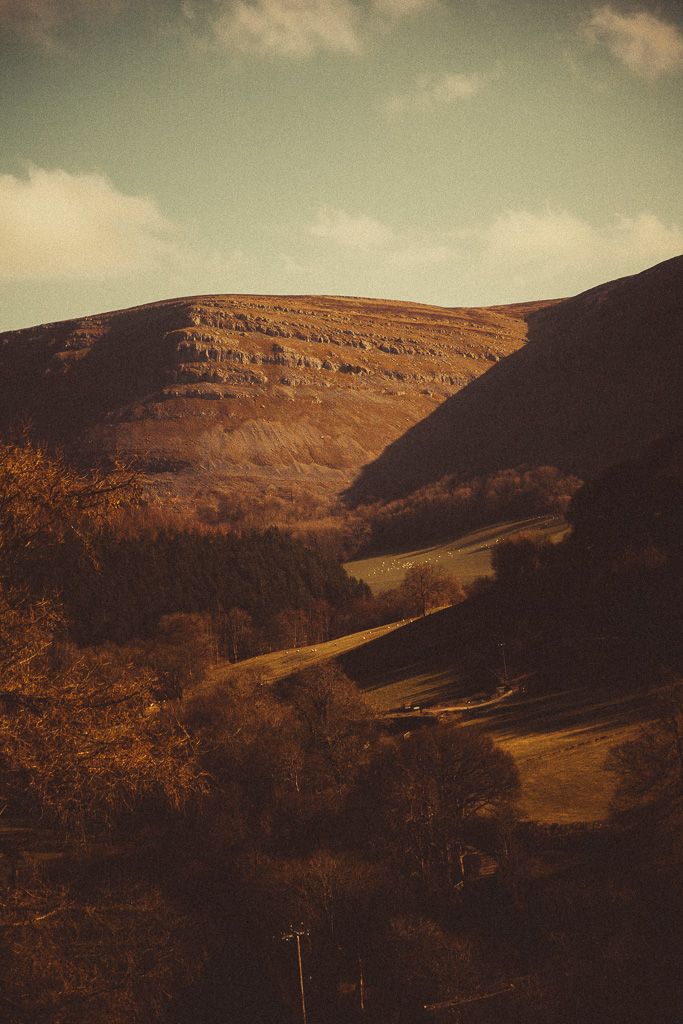
Think beyond the wedding day
If you are travelling to Wales to get married, do not make the wedding the only thing you plan.
This is one of the great advantages of choosing somewhere like Wales.
You have mountains, coastline, forests, villages, castles and countless small roads to explore, often within the same trip.
You might spend the day before your wedding walking around Beddgelert, exploring the coast near Aberdaron, visiting Tintern Abbey or simply finding somewhere good for lunch.
The day after could be completely different.
A slow breakfast. A walk. A swim.
A drive through the mountains.
Or absolutely nothing at all.
And if you are bringing family and friends, this can be even more important. They have travelled to Wales with you, so give them the chance to experience the place rather than spending the entire trip inside the wedding venue.
The wedding is the reason you came. It does not have to be the only thing you do.
Most importantly, do not over-plan it
There is a temptation with destination weddings to try to make the trip feel worthwhile by filling it with experiences. You do not need to. Wales is already there. You can wake up somewhere beautiful, have breakfast together, get married, go for a walk, eat something good and watch the light disappear. That is enough.
Build the day around what you want to experience together, then let the photographs follow.
Know where you can actually have the ceremony
One of the biggest things to understand with a Welsh elopement is that a beautiful outdoor location is not automatically a legal ceremony location.
You might find the perfect mountain, beach or viewpoint and imagine exchanging vows there, but the legal ceremony and the photographs afterwards can be treated as two separate parts of the day.
That is not necessarily a bad thing. It can actually give you more freedom. You could have the legal ceremony somewhere simple and appropriate, then head into the landscape afterwards and spend the rest of the day exactly where you want to be.
For larger weddings, your venue will normally take care of much of the legal side, but it is still worth checking exactly what is included before booking.
For elopements, particularly those involving remote or outdoor locations, check the current ceremony requirements and any permissions needed for the land or site well before the date.
The important thing is not to discover six weeks before your wedding that the beautiful place you have chosen cannot legally host the ceremony you imagined.
Walking routes in Wales.
The best way to discover somewhere is often to walk into it
Wales is a country made for walking. You do not always need a huge hike or a summit to experience it properly. Some of the best places are reached by following a path away from the road, taking a track through woodland or simply walking until the landscape starts to change.
For a wedding or elopement, that gives you another way to experience the place.
The walk does not have to be an activity added to the wedding.
It can simply be part of the day.
Eryri
Eryri has some of the most recognisable walking country in Wales, from the paths around Yr Wyddfa to the valleys and lakes surrounding it.
But you do not need to climb the highest mountain.
The Llyn Idwal walk in the Ogwen Valley gives you dramatic mountain scenery without committing to a full-day expedition. Around Beddgelert, woodland paths and rivers offer something gentler, while Aberglaslyn Pass follows the river through a narrow landscape of rocks, trees and mountains.
Further south, Cader Idris offers a completely different experience, with routes climbing from the surrounding valleys towards the mountain.
There is a lot of Wales here. You can choose the walk according to the day you actually want.
Pembrokeshire Coast Path
The Pembrokeshire Coast Path is one of the obvious choices if the sea is your reason for coming west.
The full route follows 186 miles of coastline, but there is absolutely no need to walk anywhere near all of it.
Individual sections around St Davids, Solva, Marloes and the Stackpole coastline can give you cliffs, beaches, coves and huge views within a much shorter walk.
This is particularly useful for an elopement.
You can choose a section that suits you rather than treating the path as a challenge to complete.
Sometimes an hour is enough. You find somewhere you like. You sit down. You keep walking. That is the whole point.
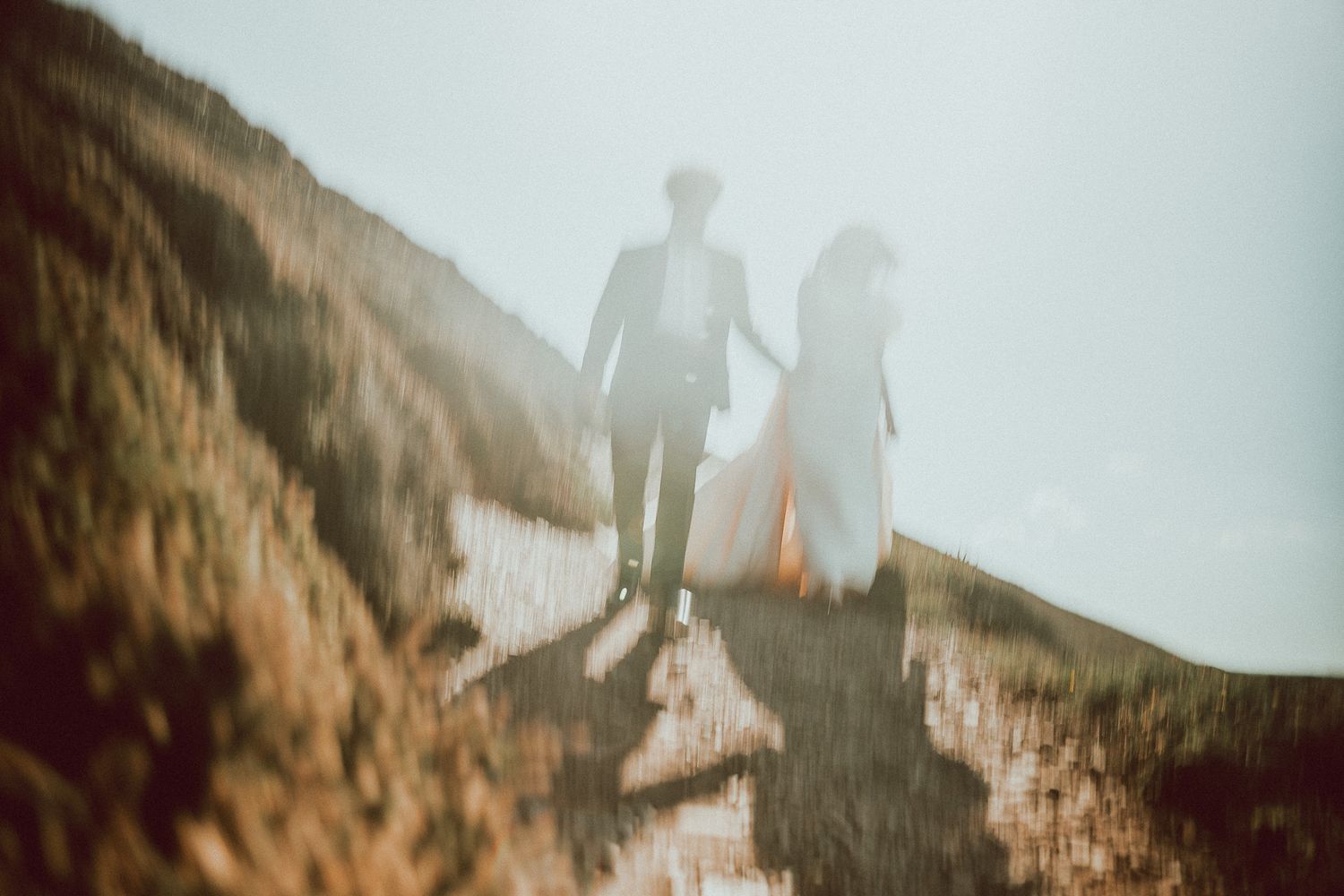
Forest of Dean and the Wye Valley
Just across the border, the Forest of Dean opens up another world of walking.
Ancient woodland, river valleys and winding paths make it a particularly good alternative if you prefer trees to exposed mountain tops.
The Wye Valley adds riverside walks and wooded hills, with places such as Symonds Yat offering some of the area's best-known views.
Because the landscape sits around the England-Wales border, it also works well as part of a wider Welsh wedding weekend.
You can spend one day among the mountains or coast and another walking beneath the trees.
The Brecon Beacons and Black Mountains
The hills around Bannau Brycheiniog offer everything from gentle valley walks to proper mountain days.
The Four Waterfalls Walk near Ystradfellte takes you through woodland and past a series of waterfalls, while the paths around Pen y Fan give you the open mountain landscape the area is known for.
The Black Mountains offer something quieter again. Around Hay-on-Wye, Crickhowell and the Vale of Ewyas, you can find routes through hills, farmland and woodland without necessarily needing to tackle one of the area's highest peaks.
For a wedding weekend, these walks can be just as valuable before or after the wedding as they are on the actual day.
The Preseli Hills
The Preseli Hills are particularly interesting if you want somewhere that feels open without being dominated by high mountains.
There are paths across the ridges and moorland, with wide views across Pembrokeshire and ancient monuments scattered through the landscape.
The walk towards Foel Cwmcerwyn gives you the highest point in the Preselis, but the real attraction is the feeling of being away from everything.
It is the kind of place where you can walk without having a particular destination in mind.
Which is sometimes exactly what you want.
Short walks count too
This is probably worth saying.
You do not need to turn your wedding into a hiking expedition.
A twenty-minute walk from your accommodation.
A path down to the beach.
A loop around a lake.
A wander through woodland after breakfast.
These can be enough.
The value is not measured in miles.
It is in getting away from the road for a while and seeing where you end up.
And if you happen to find somewhere beautiful along the way, even better.
The best walking route for your wedding might simply be the one you both want to follow.
Glyndŵr’s Way
If you want to get away from the better-known parts of Wales, look towards Glyndŵr’s Way in Mid Wales.
The 135-mile National Trail runs through some of the quieter countryside in the country, linking Knighton, Llanidloes, Machynlleth and Welshpool through rolling farmland, open moorland, forests and hills.
It is also one of the less-used National Trails in Wales, which makes it particularly interesting if you are looking for somewhere that feels removed from the usual tourist routes.
You do not need to walk the whole thing.
Sections around Llanidloes and Llyn Clywedog give you a taste of the Cambrian Mountains, while the route around Machynlleth opens towards views of Cader Idris and the Dyfi Valley.
There is also a lovely sense of history running through it. The trail follows landscapes associated with Owain Glyndŵr, passing through small communities and areas where you can walk for miles with very little around you.
For a wedding or elopement, this is less about finding the viewpoint and more about finding a section that feels like you have disappeared into Mid Wales.
Offa's Dyke Path
For something with a completely different character, follow the England-Wales border. Offa's Dyke Path runs for around 177 miles from Sedbury near Chepstow to Prestatyn, following the route of the eighth-century earthwork commissioned by King Offa of Mercia. It crosses the border repeatedly and passes through places including Chepstow, Monmouth, Hay-on-Wye, Knighton and Llangollen.
The interesting thing for a wedding weekend is that you can experience completely different landscapes without leaving the same trail.
There are riverside meadows around the Wye. Open countryside around the Marches. The Hatterrall Ridge in the Black Mountains. And the Clwydian Range further north.
One particularly striking section runs between Pandy and Hay-on-Wye, crossing the Hatterrall Ridge with views towards Llanthony Priory in the valley below. Again, you do not need to treat it as a challenge. Pick a section. Walk for a couple of hours. Stop somewhere with a view. Then head back to wherever you are staying.
For couples who like the idea of a wedding that crosses into the landscape rather than simply looking at it from a venue, Offa's Dyke gives you a particularly good excuse to do exactly that.
Quieter places in Wales.
Beyond The Familiar Views
Wales has its famous places. Yr Wyddfa. Pembrokeshire. The Brecon Beacons. The big beaches and the well-known castles.
They are worth knowing about, but they are not necessarily where we would send every couple. Sometimes you want somewhere that feels a little less obvious. A place where you can park up, walk for a while and hear more birds than people. These are some of the corners we would keep in mind.
Newborough Forest and Ynys Llanddwyn
On the western side of Anglesey, Newborough brings together something you do not often find in one place: pine forest, enormous dunes, beach, saltmarsh and the sea.
The forest leads towards Newborough Warren and Ynys Llanddwyn, a tidal island associated with Saint Dwynwen, the Welsh patron saint of lovers. Natural Resources Wales describes the wider area as one of the finest dune systems in Britain, with the forest, dunes, estuary and island forming one connected landscape.
It is particularly good if you want a coastal day without simply walking along a cliff. You can start beneath the trees, cross the dunes and eventually reach the sea.
There is also something rather lovely about the fact that the island can be cut off by the tide. Check the tide times before heading across, because the landscape genuinely changes with the water.
For a couple who want a quieter corner of Anglesey, this gives you a whole little world to wander through.
The Vale of Usk
Between the mountains of Bannau Brycheiniog and the larger towns of south Wales sits the Vale of Usk, a softer landscape of river, farmland, wooded hills and historic estates. It is easy to overlook because it does not have one enormous landmark shouting for attention. That is rather the point.
The area around Usk, Raglan and Abergavenny gives you old country lanes, orchards, riverside walks and historic places without feeling as remote as some of the mountain areas further west. Raglan Castle is particularly interesting if you like history but do not necessarily want a wedding surrounded by the drama of a mountain landscape.
The castle sits within the surrounding countryside, giving you something to explore before heading back into the valley. The wider Wye Valley and Vale of Usk are also known for their quieter rural character, with Visit Wales describing the area as one of south-east Wales' more hidden rural corners.
It is the sort of place where the setting does not overwhelm you. It simply gives you somewhere beautiful to spend a few days.
Not every quiet place needs to be secret
We would not actually recommend chasing "hidden gems" for the sake of it. The quieter places are not necessarily secret. Some are well known. Some are busy at certain times. What matters is looking beyond the obvious version of a destination.
Instead of the summit, look at the valley. Instead of the famous beach, look at the next stretch of coast. Instead of the landmark, look at what surrounds it.
That is often where you find the places that suit a wedding best.
And sometimes the quietest place is simply the one you found by taking the wrong turn on purpose.
The Dyfi Valley
For something further west, look towards the Dyfi Valley. Running between the Cambrian Mountains and the coast around Machynlleth, this is a landscape of river, woodland, farmland and mountains without the concentration of visitors found around some of Eryri's best-known destinations.
The valley also gives you an interesting middle ground. You can reach the coast. You can head into the mountains. Or you can stay put and explore the valley itself.
Machynlleth makes a useful base, while places such as Dinas Mawddwy take you deeper into the surrounding hills.
For a wedding weekend, it is the kind of location where the accommodation can become part of the experience rather than simply somewhere to sleep.
The coast around Marloes
Pembrokeshire is famous, but you can still find quieter stretches of it. The coast around Marloes is a good example. The landscape here is all about headlands, coves, grassland and open sea, with Marloes Sands sitting at the end of a walk rather than beside a large coastal town.
Nearby St Ann's Head gives you another exposed stretch of coastline, while Dale offers a small harbour and a completely different atmosphere. There is something nice about this part of Pembrokeshire because the landscape does not need much added to it.
You walk. The cliffs appear.
The sea opens out. And suddenly you have stopped talking because everyone is looking at the same thing.
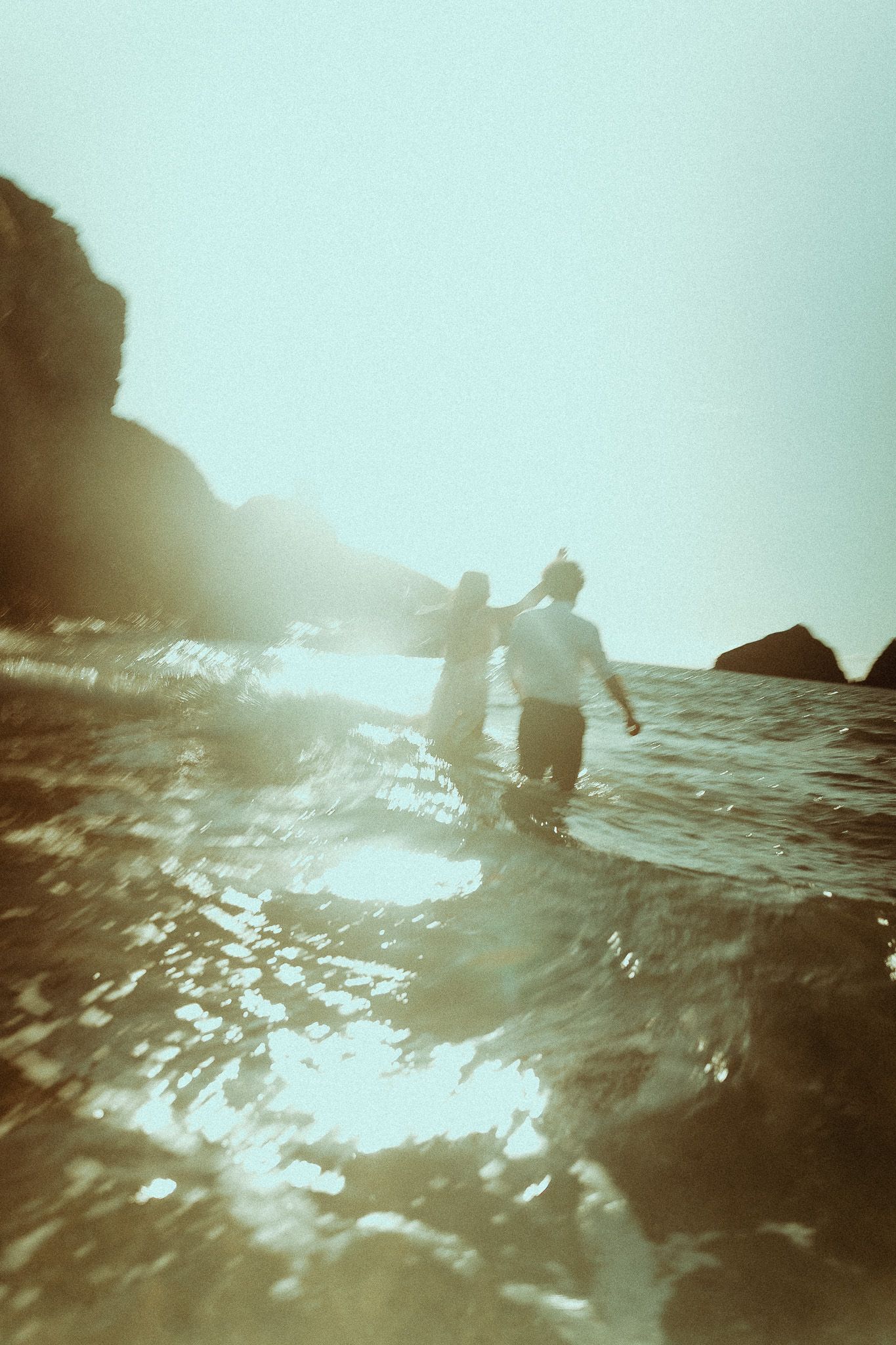
Where are the best places to get married in Wales?
That depends on the kind of landscape you want around you.
Eryri (Snowdonia) is a natural choice for mountains, lakes and valleys. Pembrokeshire works beautifully for cliffs, beaches and coastal walks, while Bannau Brycheiniog offers broad hills, waterfalls, valleys and historic places.
There are also quieter options such as the Preseli Hills, Llŷn Peninsula, Anglesey, Mid Wales and the Wye Valley.
Rather than choosing the most famous destination, think about what you actually want the day to feel like.
Is Wales good for an elopement?
Yes. Wales works particularly well for elopements because you can combine a ceremony with a much wider experience of the landscape.
You could spend the day around a mountain valley in Eryri, explore the Pembrokeshire coast, walk through the Preseli Hills or stay somewhere remote in Mid Wales.
The important thing is to check the legal requirements and permissions for your chosen ceremony location before making plans.
Can you elope in Snowdonia?
Yes, although it is worth separating getting legally married from exploring the mountains afterwards.
Eryri, formerly known as Snowdonia, has plenty of spectacular places to walk and explore, but a beautiful mountain viewpoint is not automatically an approved legal ceremony venue.
For many couples, that actually creates more freedom. You can take care of the legal ceremony somewhere appropriate, then spend the rest of the day in the landscape you travelled to Wales for.
What is the difference between Eryri and Snowdonia?
They refer to the same National Park.
Eryri is the Welsh name, while Snowdonia is the English name that remains widely used, particularly in travel and search. You will also see Yr Wyddfa used for the mountain commonly known as Snowdon.
For a wedding search, it is useful to know both names because venues, suppliers and accommodation may use either.
Can you get married on a beach in Wales?
A beach can be part of a wedding or elopement, but you should not assume that any beach can be used for a legal ceremony simply because it is publicly accessible.
The practical possibilities depend on the location, land ownership, permissions and the legal requirements for the ceremony.
There is nothing stopping you from having the legal part elsewhere and then heading to the beach for the rest of the day, which can give you far more choice.
What are the best coastal wedding locations in Wales?
Pembrokeshire, the Llŷn Peninsula, Anglesey and the Gower are all worth exploring.
Pembrokeshire has an especially varied coastline, with cliffs, beaches, islands, coves and estuaries. Its National Park contains 186 miles of the Pembrokeshire Coast Path.
For something quieter, look beyond the best-known beaches and explore smaller coastal villages and stretches of coast where you can actually spend time walking together.
Is Wales suitable for a small wedding?
Very much so.
Wales has everything from large country estates to small rural venues, cottages, farms and coastal properties. That makes it possible to build something around a small group without making the wedding feel like a scaled-down version of a much larger event.
It can also be a good way to turn the wedding into a few days together rather than a single afternoon.
Can you have an outdoor wedding in Wales?
You can have an outdoor wedding experience in Wales, but the legal ceremony has different requirements from simply spending time outdoors.
This is particularly important if you are thinking about a mountain, beach, forest or other public landscape.
Check the current legal requirements, venue permissions and land access before committing to a specific outdoor ceremony location.
For the photographic part of the day, however, Wales gives you an enormous amount of landscape to explore, from the three National Parks to the 870-mile Wales Coast Path and more than 20,000 miles of public footpaths.
Which is better for a wedding, Eryri or Pembrokeshire?
They offer completely different settings rather than one being a straightforward alternative to the other.
Eryri is about mountains, lakes, valleys, forests and a mixture of highland and coastal landscapes.
Pembrokeshire is much more strongly shaped by the sea, with cliffs, beaches, coves, islands and estuaries.
If you already know whether you want mountains or coast, that probably answers the question for you.
Are there quieter alternatives to Snowdonia for a Wales elopement?
Yes.
The Cambrian Mountains, Preseli Hills, Mid Wales and parts of Bannau Brycheiniog can offer a quieter experience away from the most recognisable mountain destinations.
Even within Eryri, you do not have to head straight for Yr Wyddfa. The National Park itself highlights numerous quieter peaks and areas beyond the main summit routes.
Sometimes the better choice is simply somewhere with fewer people rather than somewhere with a more famous name.
Can we combine mountains and the coast on a Welsh wedding?
Absolutely, and Wales is unusually good for it.
Eryri is the obvious example, with mountain landscapes extending towards the coast. Elsewhere, you can base yourselves around areas such as the Llŷn Peninsula, Cardigan Bay or Pembrokeshire and combine coastal days with inland walks and countryside.
That makes Wales particularly well suited to a wedding where you do not want to spend the whole trip in one place.
Is Wales good for a wedding weekend?
Yes. In fact, it can make more sense than treating the wedding as a single day.
Renting a house, farmhouse or venue where everyone can stay gives you the chance to explore the surrounding area together before and after the wedding.
You could spend Friday walking, Saturday getting married and Sunday doing absolutely nothing.
The landscape gives you plenty of reasons to stay.
Do we need to get married at a wedding venue?
No, but you do need to understand the difference between a wedding venue and a place you want to visit or photograph.
A mountain, beach, woodland or historic site may be perfect for part of your day without being a legal ceremony venue.
That is why we often think it is useful to separate the question of where you get legally married from where you want to experience Wales together.
It opens up far more possibilities.
What should we look for in a Wales wedding photographer?
Look for someone who understands that the location is part of the wedding rather than simply a backdrop.
If you are planning a day around mountains, coast, woodland or walking, it is worth finding a photographer who is comfortable working outside a traditional venue and who understands how to photograph the day as it actually unfolds.
For us, that means paying attention to the place, the people and everything that happens between the planned moments.
Do you photograph weddings and elopements throughout Wales?
Yes. Wildkin Weddings is available for weddings and elopements throughout Wales, including destinations across North Wales, Mid Wales, South Wales and the Welsh coast.
Are there Lake District wedding venues near the water?
Yes. The region has venues and accommodation around several lakes, including Windermere, Ullswater, Derwentwater and Coniston Water.
The setting, access, ceremony arrangements and guest capacity will vary, so it is important to check whether a particular venue suits the kind of celebration you are planning.
Can we have a small, intimate wedding in a village?
Yes. A village setting can offer a useful balance of character, comfort and access to the surrounding landscape.
You might have the ceremony nearby, take photographs through the lanes or countryside, and finish with food and drinks at a local pub, restaurant or accommodation. This can work particularly well for couples who want a relaxed day without organising a large formal reception.
What should we wear for a Lake District wedding or elopement?
Choose clothing that allows you to move comfortably and cope with the likely conditions.
If you are planning to walk, consider practical footwear, warm layers and outerwear that can handle wind or rain. You can still bring a more formal outfit for the ceremony, but it may help to think about how easily it can be carried, changed into or worn outdoors.
More Notes
Planning a wedding or elopement in Wales often begins with one place, then opens into a wider search for landscapes, routes and ideas that feel right for you.
You might enjoy exploring:
- Wales wedding locations with a real sense of place
- Where to elope in Eryri (Snowdonia)
- The best coastal locations for a Wales elopement
- Getting married in the Welsh mountains
- Quiet places to elope away from the crowds
- The best walking routes for a Wales elopement
- Mountain, forest or coast? Choosing your Welsh setting
- Planning an intimate wedding in Wales
- How to plan an outdoor wedding in Wales
- What to consider when eloping in Wales
- Getting married with your dog in Wales
- Documentary wedding photography in Wales, what to look for
- Wales in the rain, making weather part of the day
- Planning a wedding weekend in Wales
- Finding somewhere meaningful to get married, rather than simply somewhere beautiful
Continue exploring
If Wales has given you a taste for mountains, coastlines, quiet places and days shaped by the landscape, there are a few more places worth exploring.
The Lake District
From high fells and quiet lakes to stone villages and winding country roads, discover the Lake District as a place for intimate weddings and elopements shaped by the landscape.
Devon & Cornwall
From wild moorland and hidden coves to dramatic cliffs, coastal paths and old fishing villages, discover Devon and Cornwall as a place for weddings and elopements beside the sea.
→ Explore Devon & Cornwall
The Peak District
From open moorland and limestone valleys to old villages and winding trails, discover the Peak District as a place for countryside weddings, elopements and days spent outdoors.
→ Explore The Peak District
Scotland
From the Highlands and rugged west coast to remote islands, deep lochs and ancient forests, discover Scotland as a place for wild landscapes, long journeys and weddings that become part of the adventure.