The Field Guide
Every Field Guide exists for one reason. Not to convince you. Not to sell you something.
But to explore an idea before you make a decision. This one begins with documentary wedding films.
There are plenty of guides that explain wedding videography. Most begin with cameras, drones, cinematic edits or how long your highlight film should be. This isn't one of them, because documentary filmmaking doesn't begin with equipment.
It begins with stories. Before we talk about films, it helps to understand what we're really trying to remember.
Not just moving pictures. But moving memories.
Documentary wedding films aren't about making your wedding feel cinematic.
They're about making sure it still feels like yours. A documentary wedding film isn't a performance.
It doesn't ask you to repeat moments for the camera; it doesn't interrupt conversations; it doesn't ask you to smile because the light is better somewhere else. Instead, it quietly follows what is already unfolding.
It notices. It listens. It waits. The most meaningful parts of a wedding are rarely the ones anyone planned.
They're the glance across a crowded room, the nervous breath before the ceremony begins. The laughter that nobody expected, the voices you'll one day wish you could hear again. Those are the memories worth protecting.
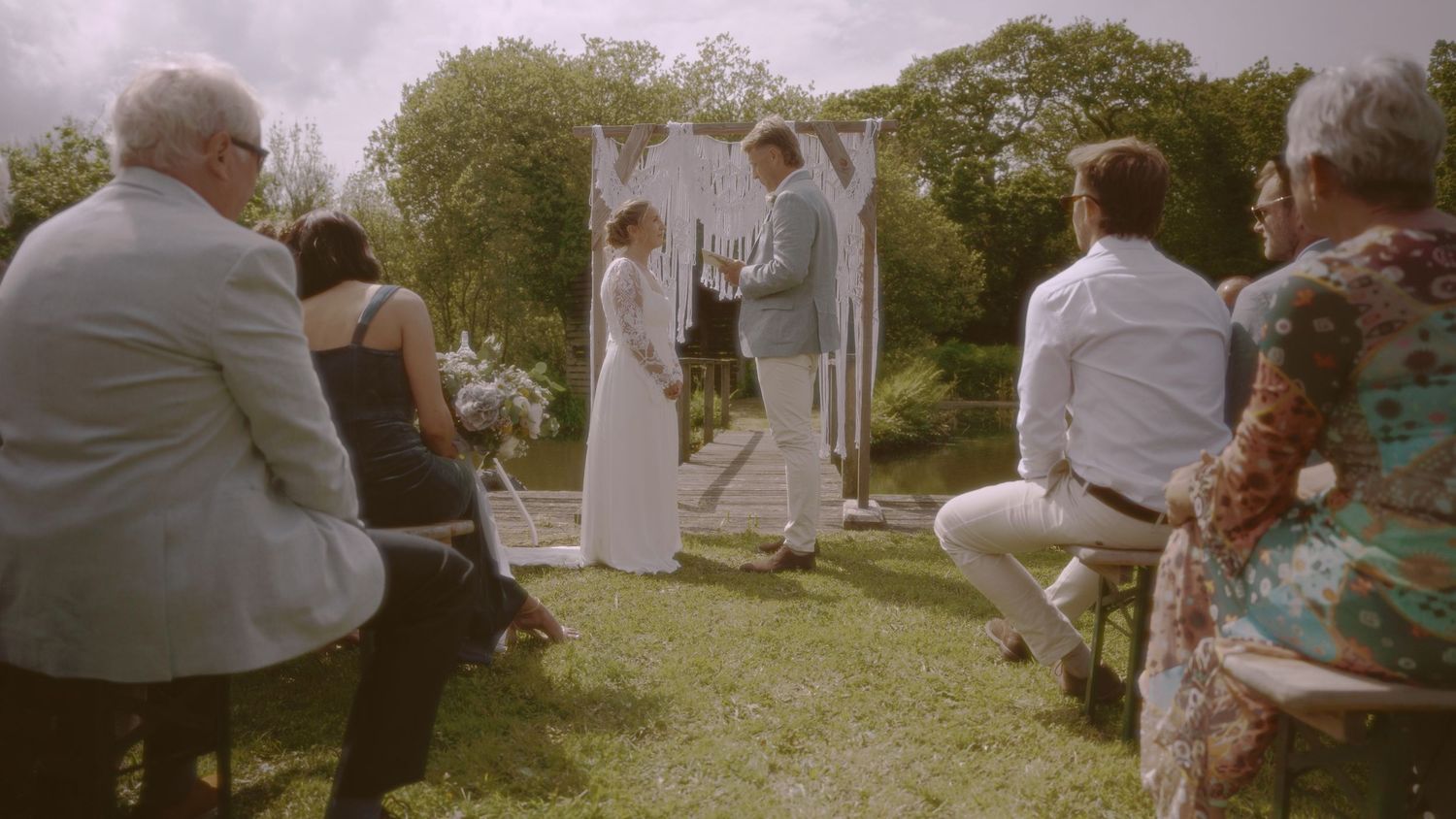
Some memories ask to be photographed.
Others ask to be heard.
The laughter that followed your vows, the pause before someone found the words they had been trying to say all day.
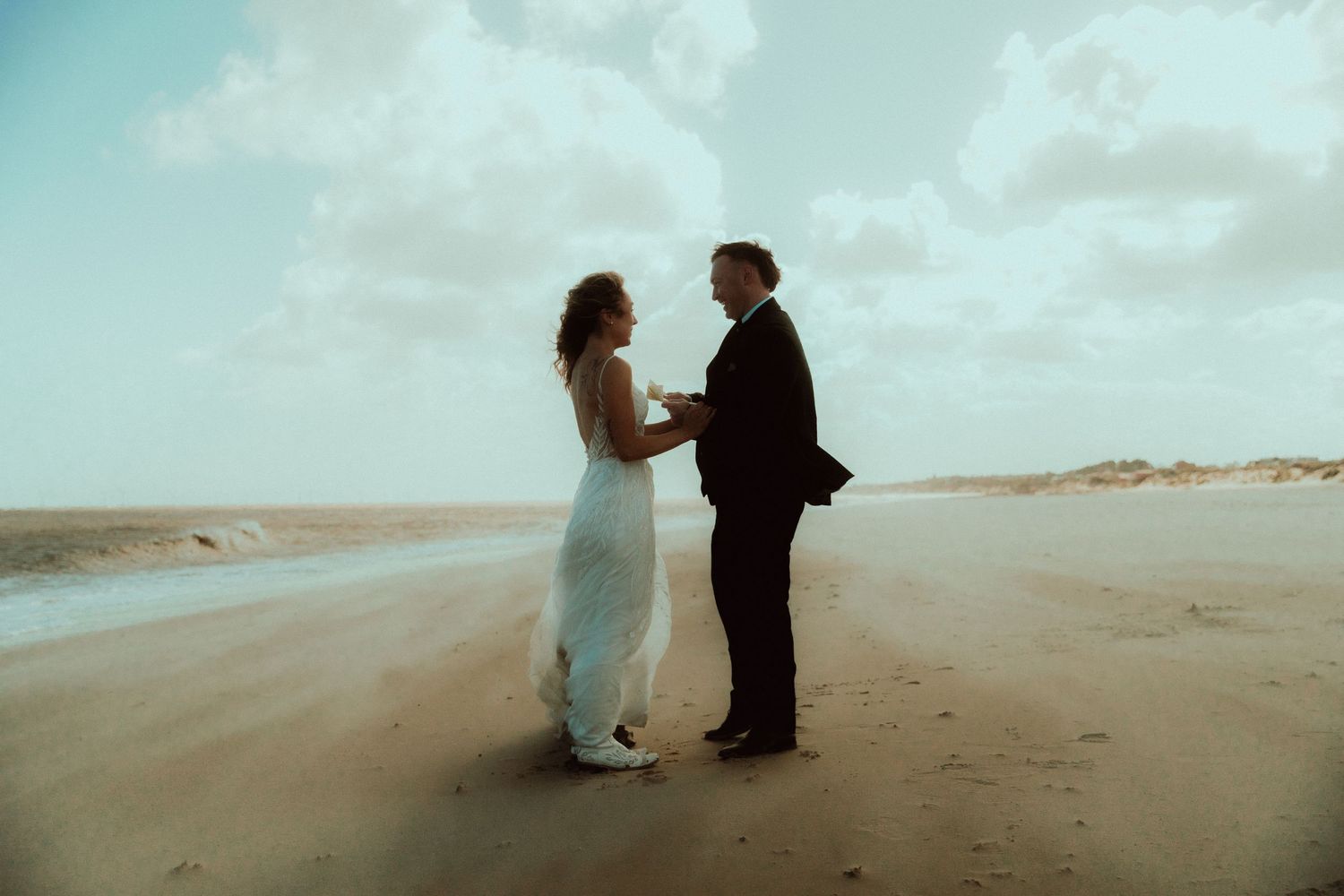
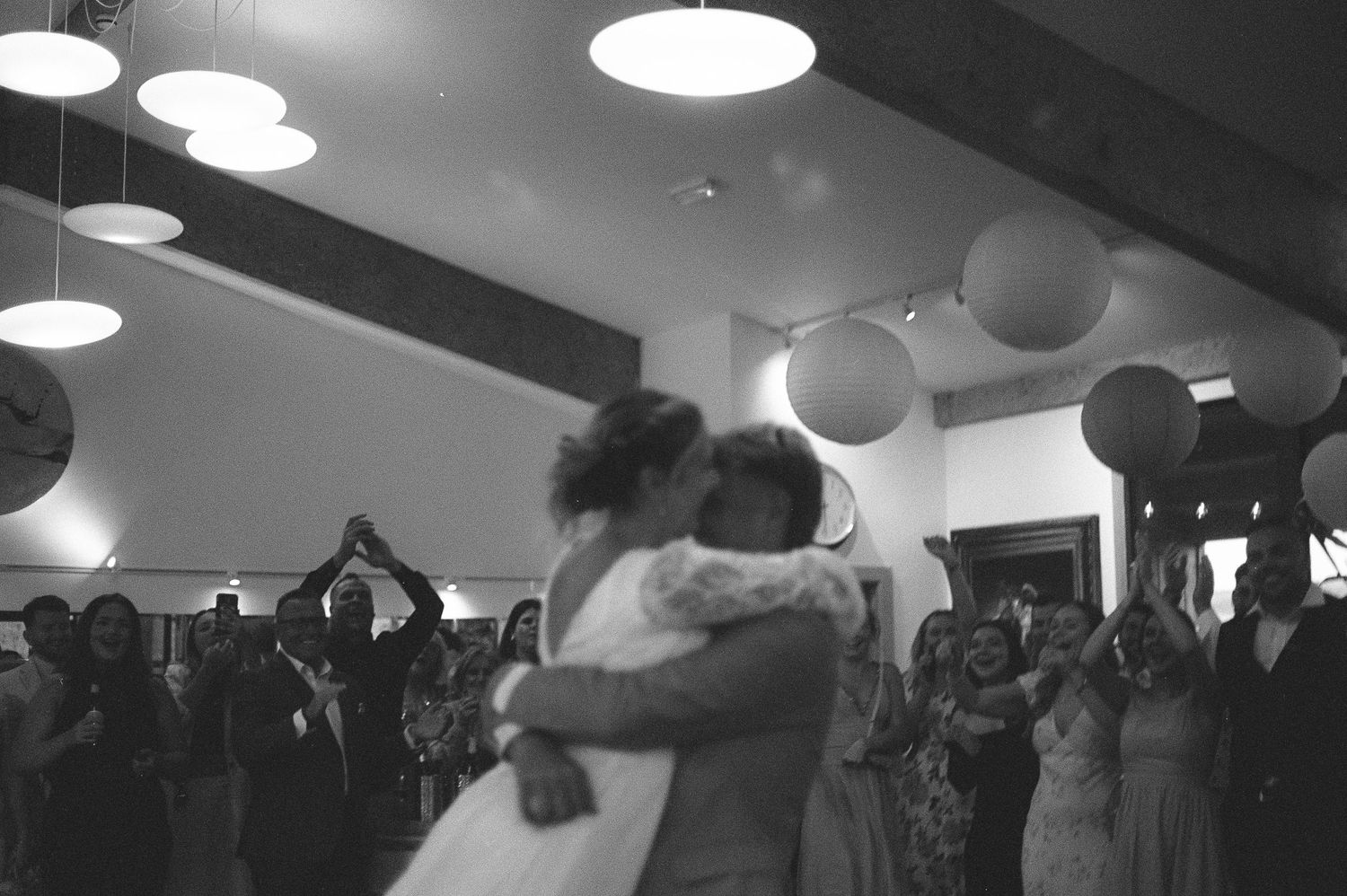
The sound of the sea during an elopement, the applause after your first kiss, your grandparents laughing together during the speeches, the way your partner reached for your hand without thinking, photography can preserve these moments beautifully. It allows us to return to a single frame and remember exactly how it looked.
But some memories were never still to begin with; some only make sense when they move, when they breathe, when they sound exactly as they did, when the silence between two people is left untouched. That is where documentary wedding films begin. Not with slow motion, not with dramatic music, not with carefully directed scenes. But with real people living one extraordinary day.
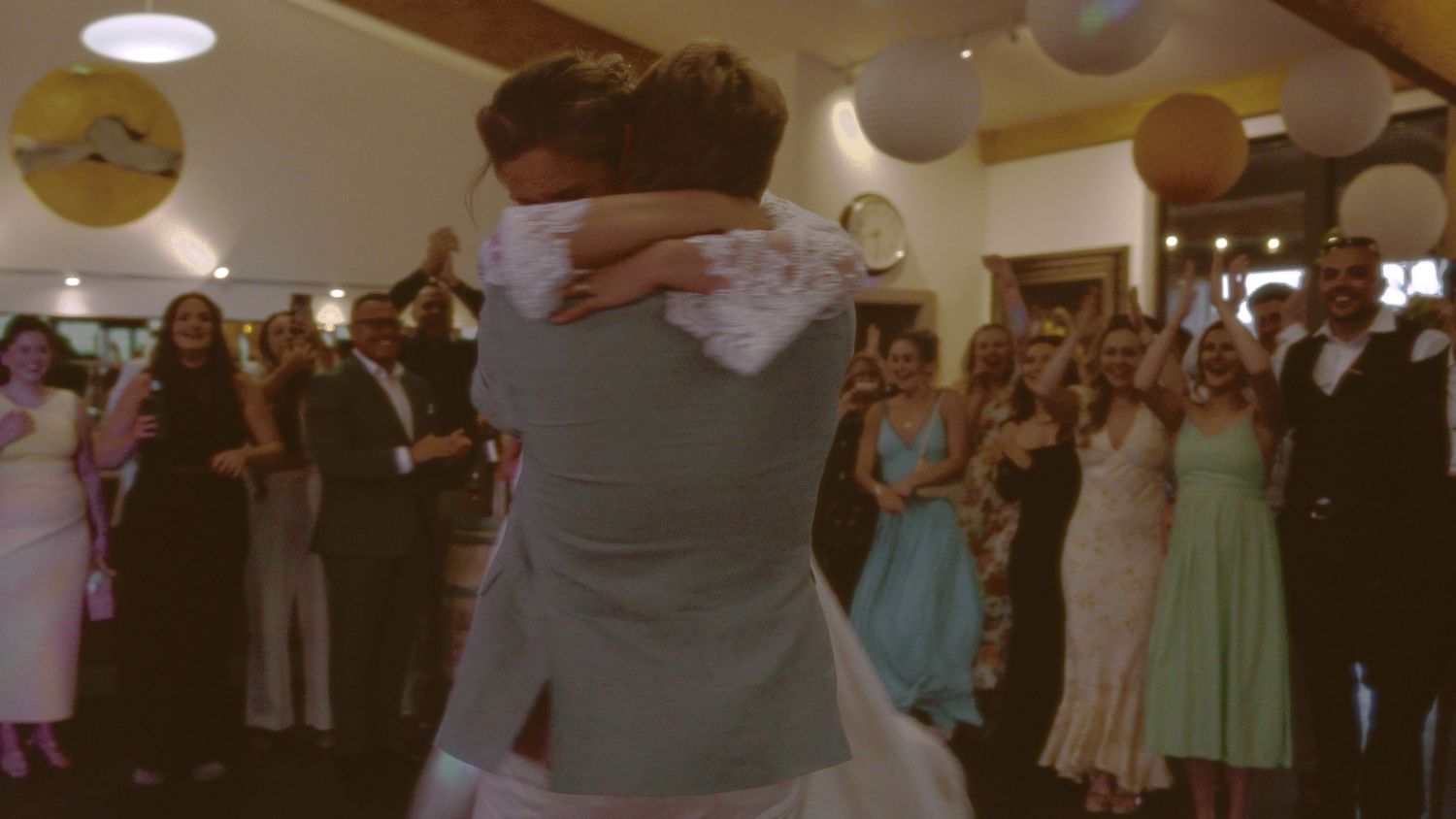
Why this guide exists:
Choosing whether to have a wedding film isn't simply deciding whether you want another supplier. It's deciding how you want one of the most important days of your life to be remembered.
For some couples, photography tells the whole story. For others, movement, sound and atmosphere become just as valuable as the photographs themselves. Neither choice is right or wrong. This guide exists to help you understand the difference.
Inside you'll discover what documentary wedding films really are, how they differ from traditional wedding videography, why sound often becomes the most treasured part of a film, how photography and film work together, and how documentary filmmaking allows you to stay present instead of performing for a camera.
Whether you decide a wedding film is right for you or not, our hope is that you'll leave with a different way of thinking about memory. Because in the end, that's what this has always been about. Not creating beautiful films.
But helping people hold onto the moments they never realised they would miss.
This guide explores:
- What is a documentary wedding film?
- Documentary vs cinematic wedding films
- Why movement changes memory
- Why sound matters more than music
- Photography, film and hybrid coverage
- How we quietly work on a wedding day
- Is documentary filmmaking right for every couple?
- Frequently asked questions
- Related Field Notes to explore further
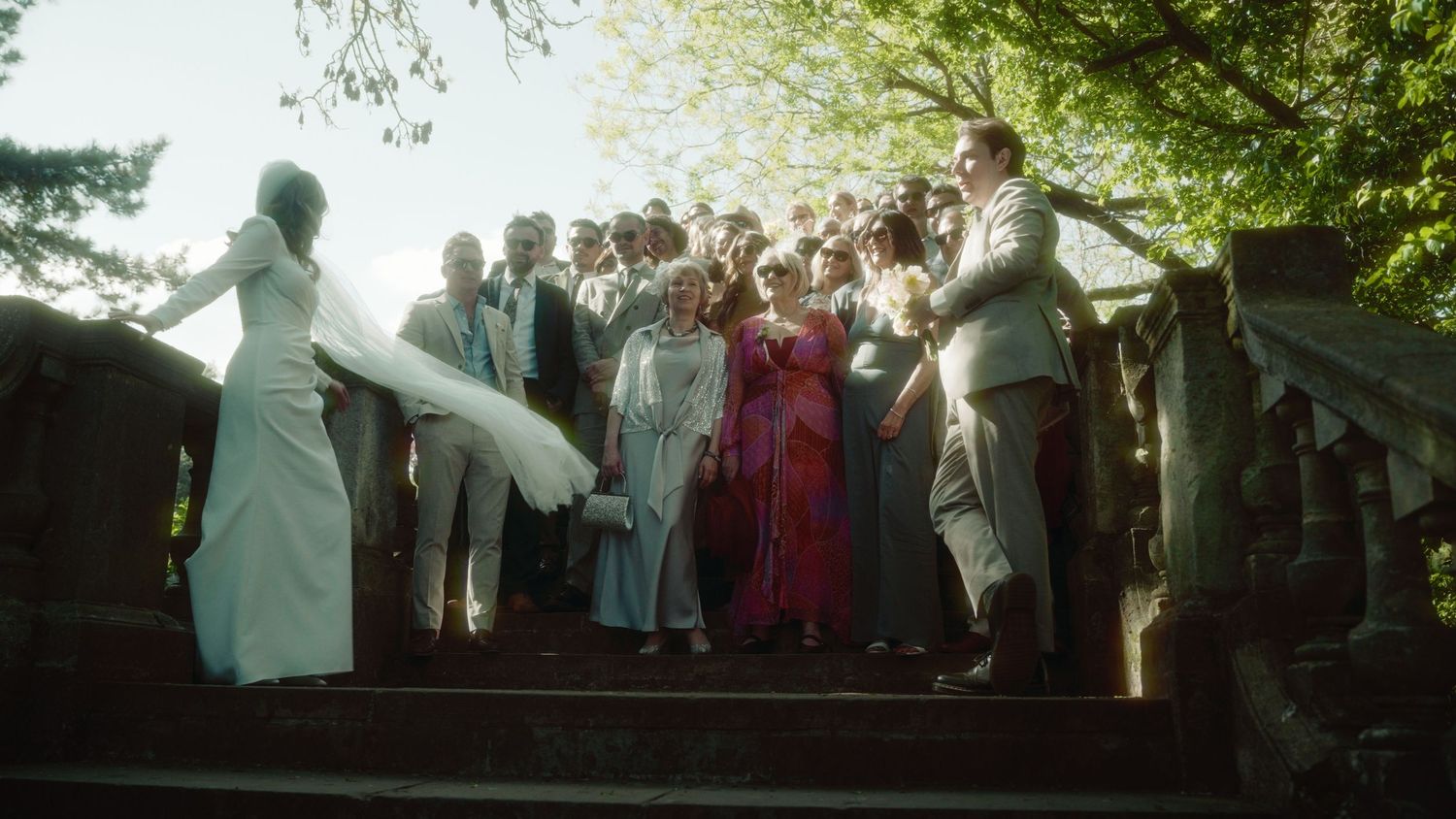
Documentary filmmaking begins long before the camera.
People often imagine documentary filmmaking is a shooting style. A way of holding a camera. A choice of lens. An editing technique.
We see it differently.
Documentary begins with restraint.
It begins with believing that your wedding doesn't need to be improved. It doesn't need to be directed, or repeated, or recreated because the light was better five minutes later.
The role of a documentary filmmaker isn't to create the story. It's to recognise it while it's happening.
That means learning when to step closer. When to step back.
And, perhaps most importantly, when to do absolutely nothing.
Because the camera shouldn't become the centre of the day.
You should.
A photograph stops time.
A film lets it continue.
Photography and film don't compete with one another. They simply remember differently. A photograph asks us to pause, to look, to notice. It captures a fraction of a second that might otherwise disappear forever.
Video gives that same moment back its rhythm. The movement before the embrace, the laughter after the joke. The silence between two people who don't need to say anything at all. Neither is more important than the other. They're simply different ways of remembering. Some memories are complete inside a single frame.
Others only make sense when they're allowed to unfold.
Why we remember some moments differently
Most people think a wedding film exists to show what happened.
We don't.
We think it exists to help you feel what happened. There is a difference. Years after your wedding, you'll remember the broad shape of the day. You'll remember walking down the aisle. You'll remember saying your vows. You'll remember your first dance. But memory rarely returns in order. It arrives unexpectedly. A particular laugh. A sentence someone almost forgot to finish. The sound of applause echoing around an old church. Your partner looking at you before either of you realised the ceremony had begun.
These aren't the moments we plan to remember. They're the moments that quietly stay with us. Documentary filmmaking exists to protect them.
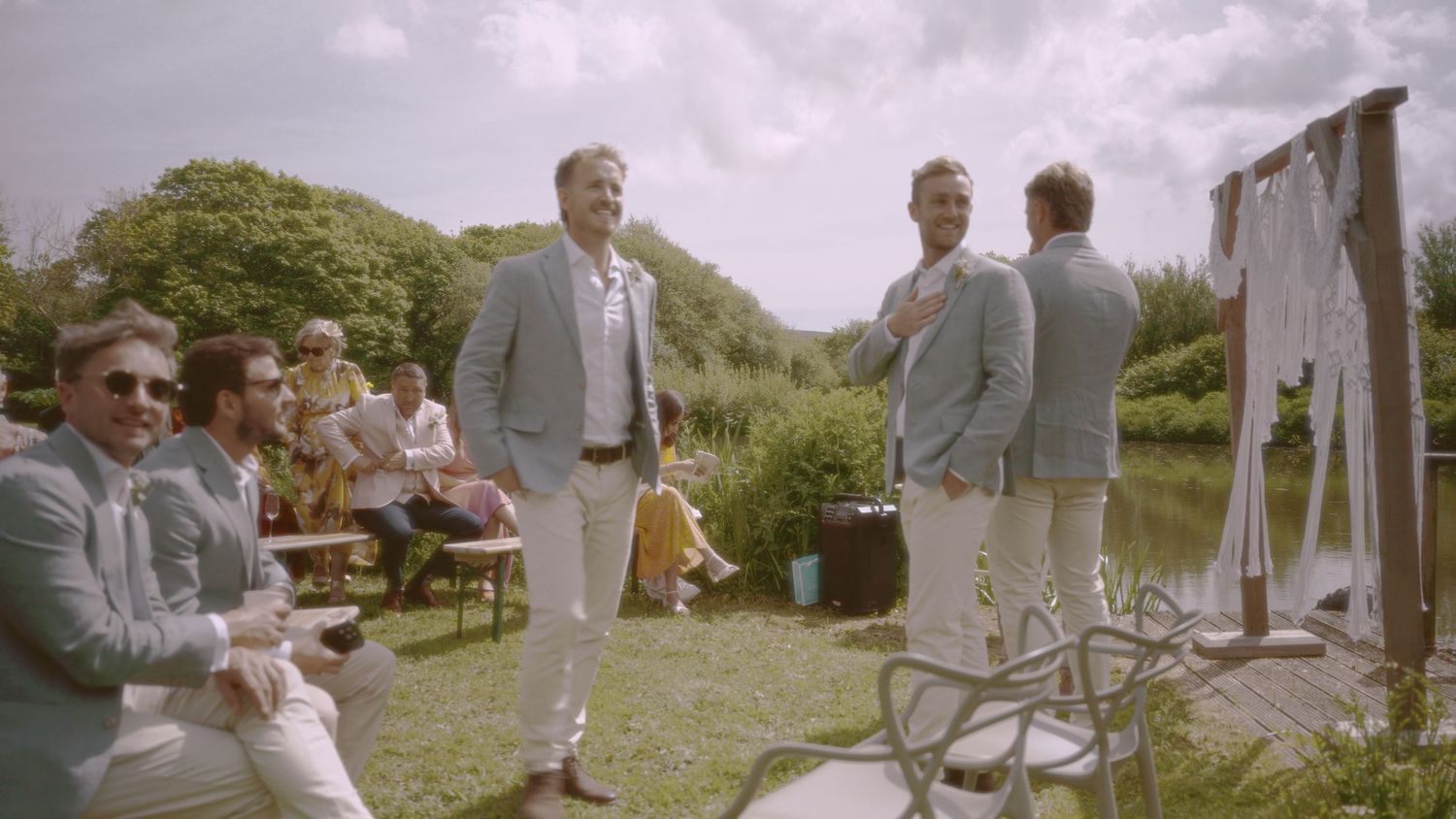
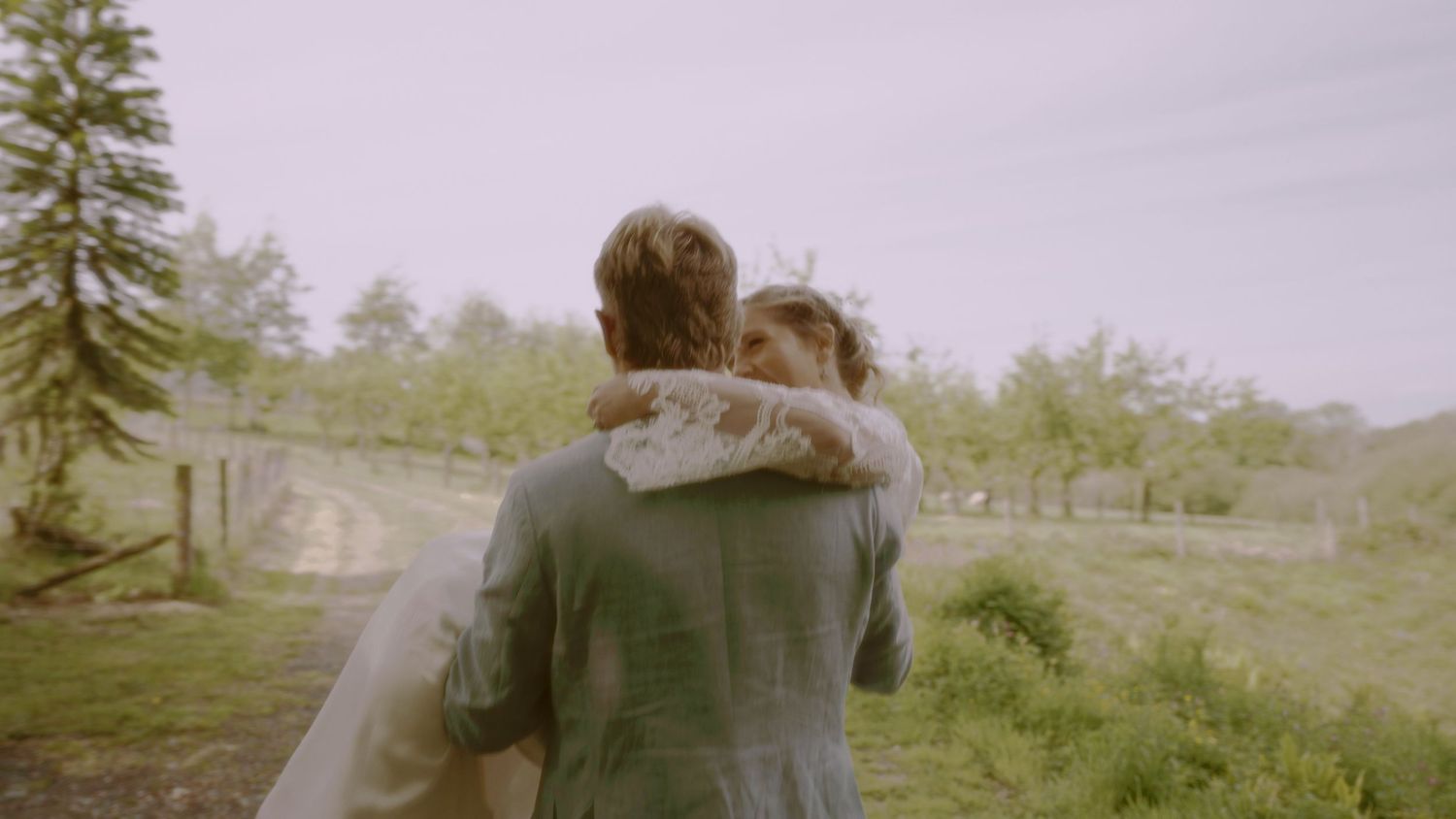
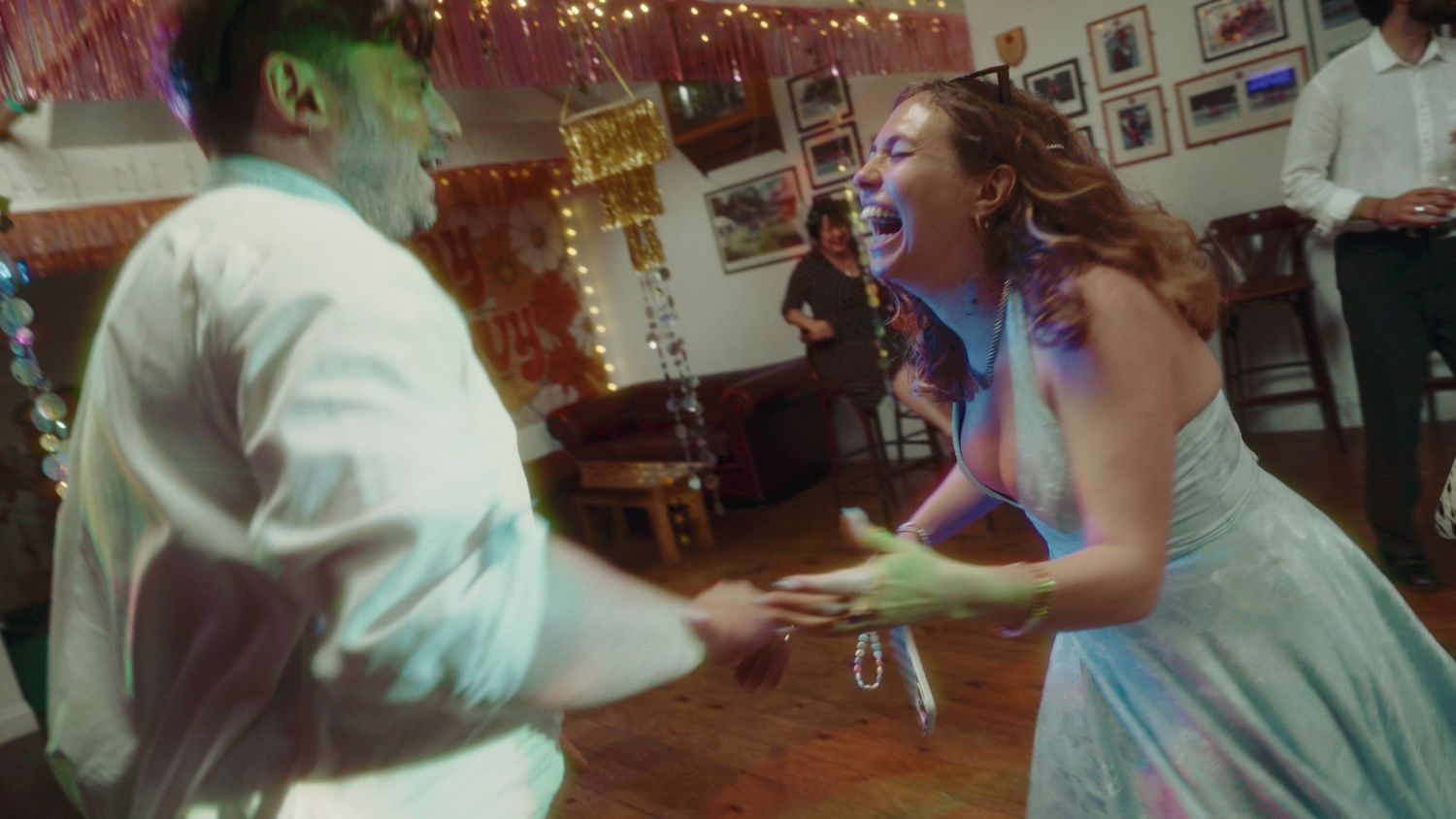
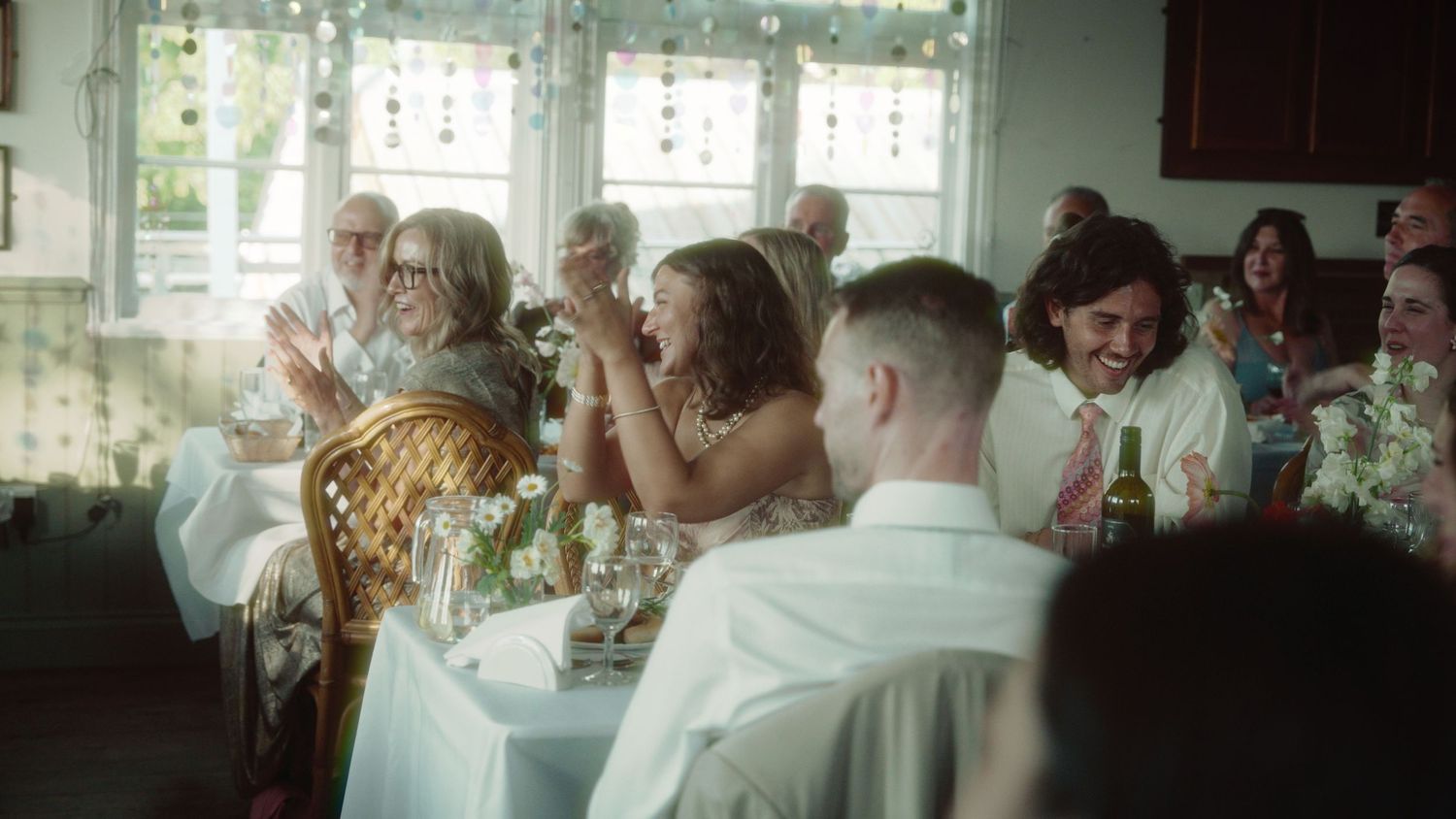
This is why we move quietly.
People sometimes ask whether we'll tell them what to do. Whether we'll stop conversations. Whether we'll ask them to walk somewhere again because the light is nicer.
The answer is usually no. Not because direction is always wrong.
But because interruption changes the story.
The moment somebody becomes aware of the camera, something shifts.
The conversation pauses. The laughter changes. People begin performing, even if only for a second.
We'd rather protect the moment than perfect the composition. That doesn't mean disappearing completely. It means knowing when our presence adds something, and when it takes something away.
Most of the time, the best thing we can do is quietly observe.
Because people don't remember being filmed.
They remember how they felt.
Presence is always more valuable than perfection.
The pressure to create the "perfect wedding" has never been greater.
Perfect timelines.
Perfect details.
Perfect first looks.
Perfect exits.
Perfect "content".
Somewhere along the way, it became easy to believe that documenting a wedding meant constantly thinking about how it looked. We believe something different.
The weddings people remember most aren't usually perfect. They're honest. It rains halfway through the ceremony. Someone cries unexpectedly during the speeches. A flower girl wanders off at exactly the wrong moment. None of these things ruins the story.
They become part of it.
Perfection fades surprisingly quickly. Presence lasts. If you're fully there, laughing with your favourite people instead of worrying about the next photograph or the next shot, you've already created something worth remembering.
Our job is simply to make sure you can return to it.
The quiet moments are rarely the quietest.
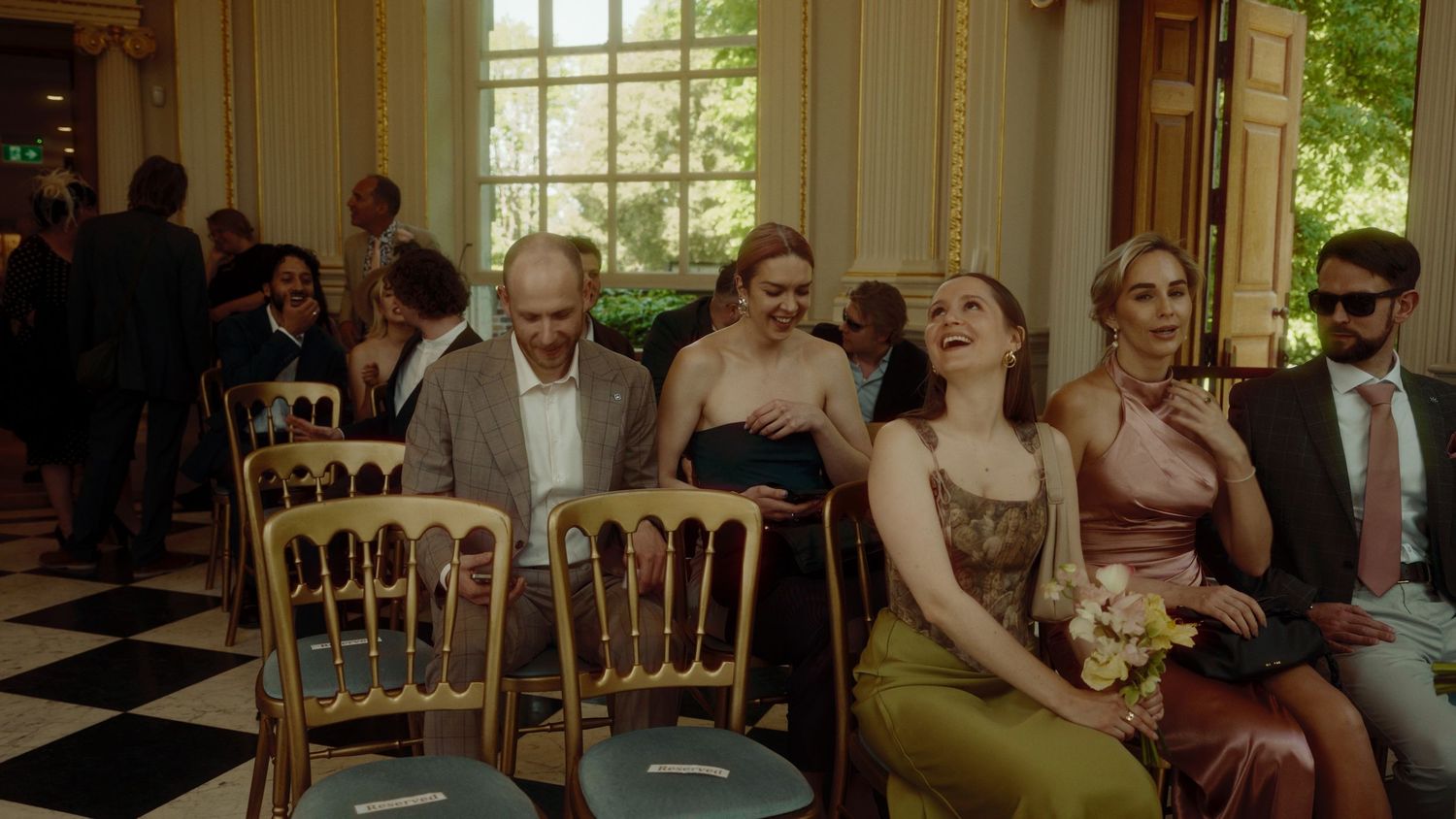
Some of the most meaningful moments on a wedding day happen when nobody believes anything important is happening.
While everyone waits for the ceremony to begin. When grandparents sit together before guests arrive. When someone straightens a jacket without saying a word. During the walk between two places. While friends clear glasses after dinner.
None of these moments would ever appear on a timeline. Most last only a few seconds. But together they become the texture of the day.
They're what make your wedding feel like your wedding, rather than anyone else's.
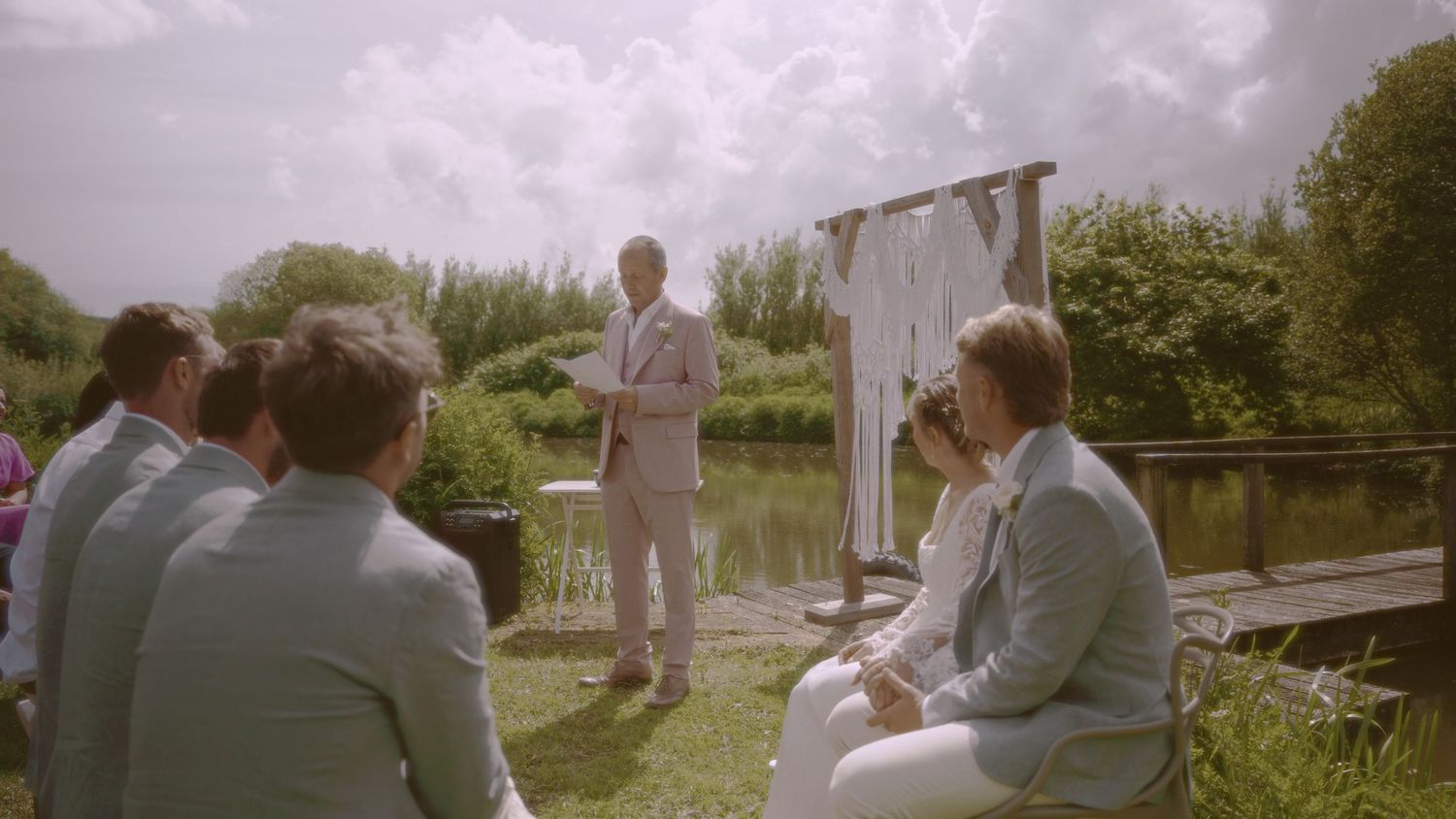
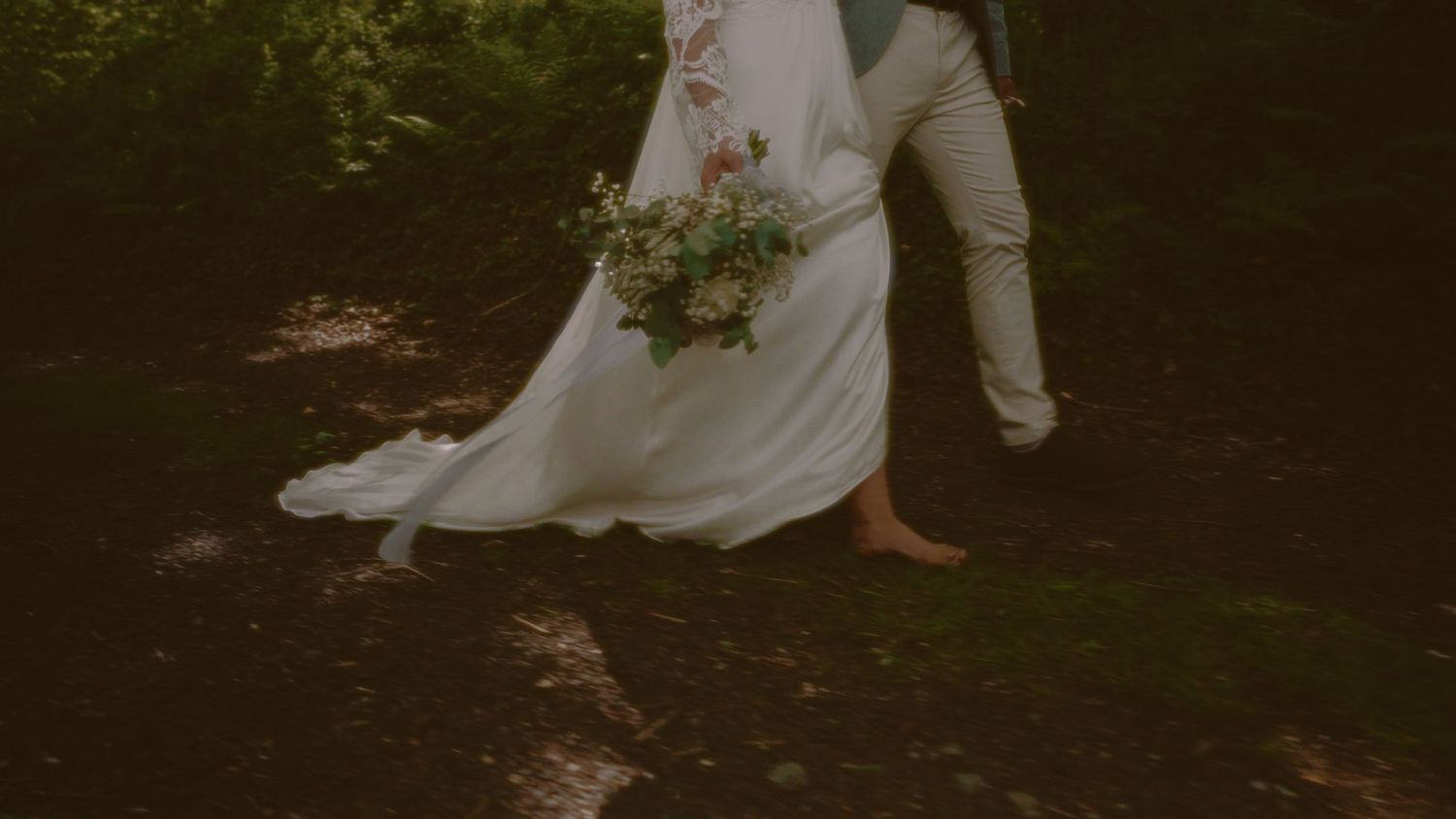
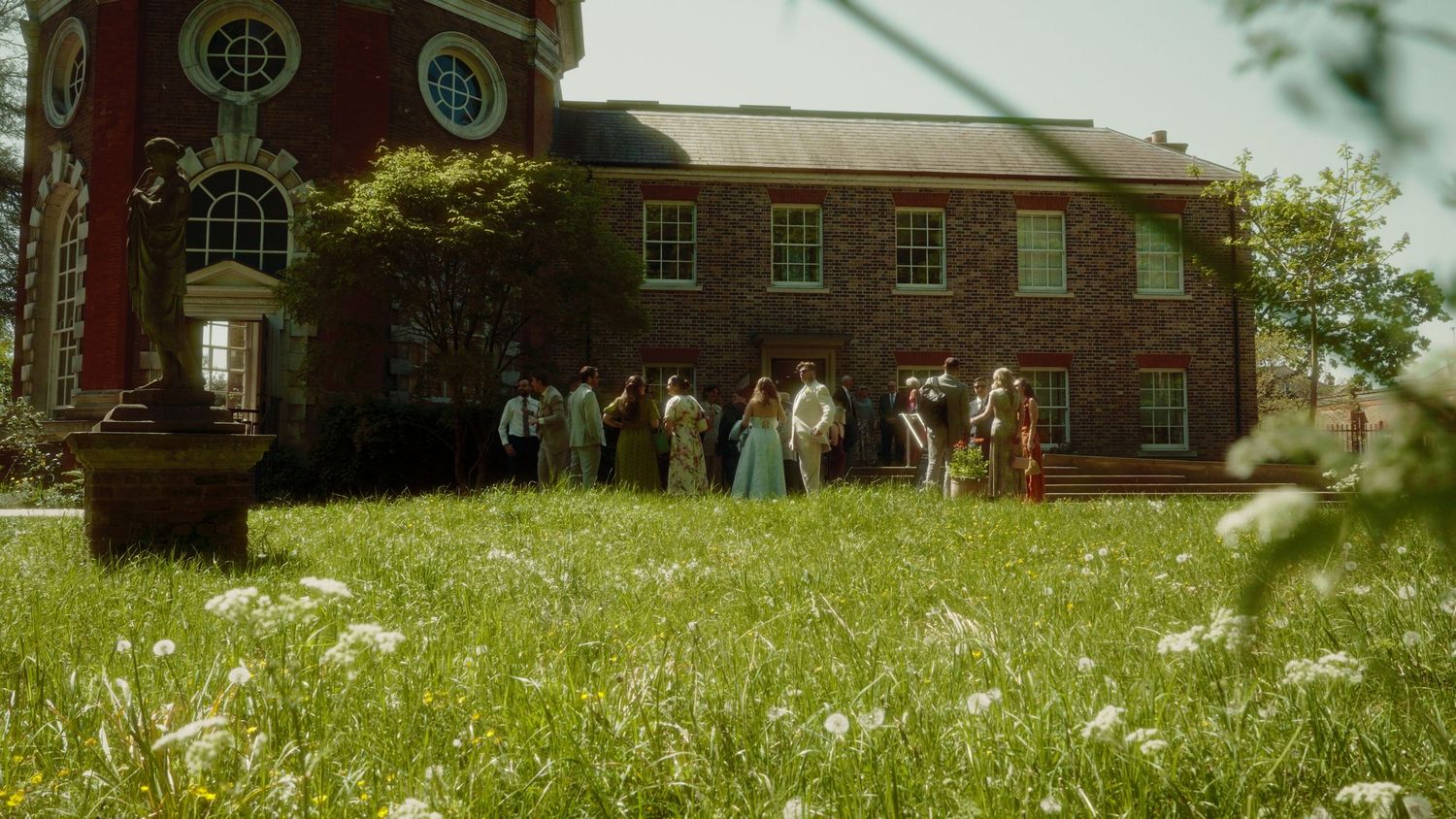
Documentary filmmaking isn't simply about recording events. It's about noticing the moments that live quietly between them.
Before we continue...
Everything else in this guide grows from this idea.
The equipment. The editing. The audio.
The way we work.
Even the questions couples ask before booking- none of it makes sense until this does.
Documentary filmmaking isn't about making your wedding look like a film. It's about making sure your memories still feel like yours.
Stories are remembered through people, not productions.
Technology changes every few years. Cameras become smaller, resolution becomes sharper, editing trends come and go.
But none of those things are what make a wedding film valuable. People do.
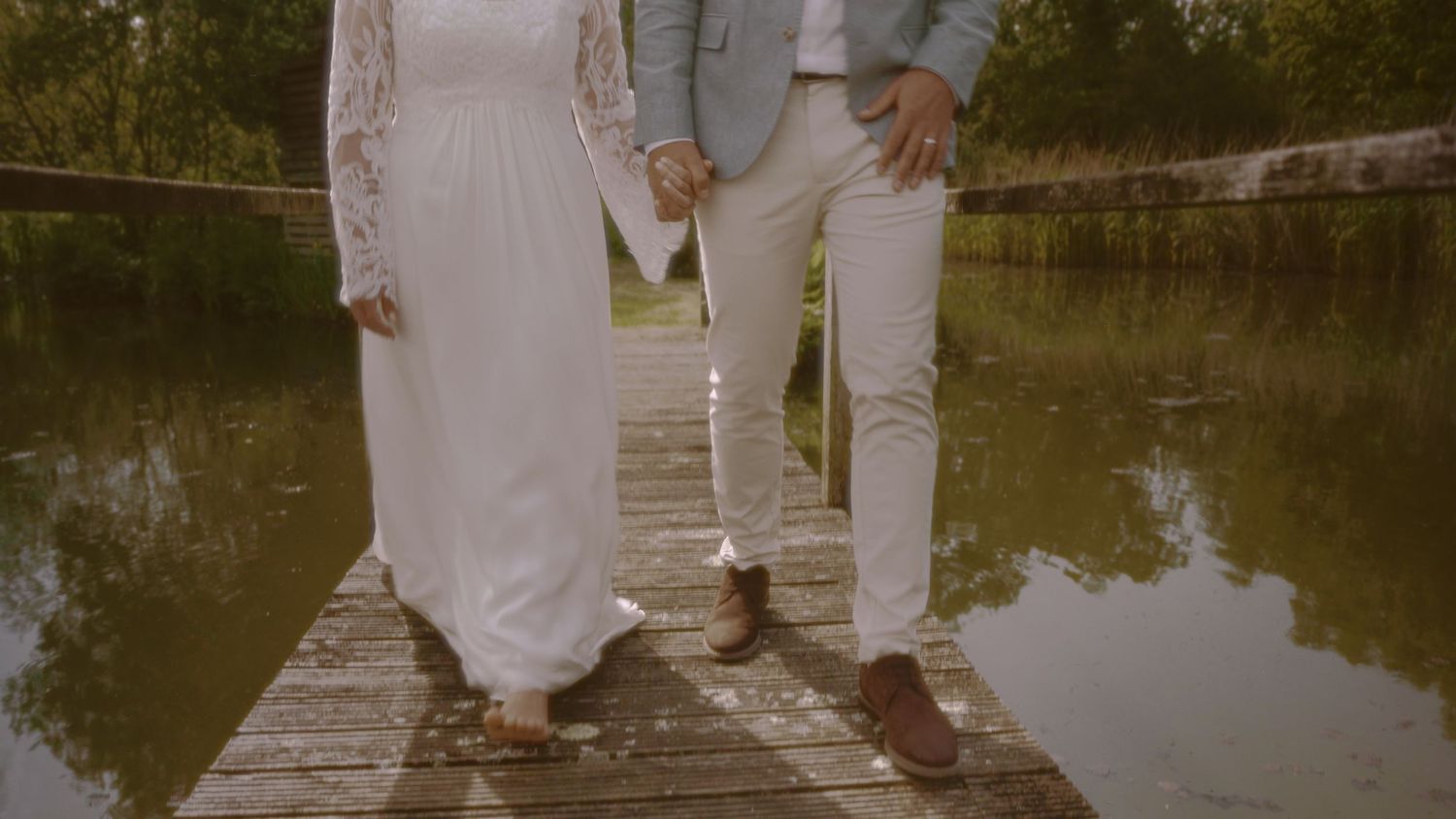
A documentary wedding film isn't a collection of beautiful shots. It's a collection of relationships.
Voices. Conversations. Expressions. Movement.
The tiny things that slowly become priceless. Long after the flowers have faded and the music has stopped, those are the parts that remain. Not because they were spectacular.
Because they were real.
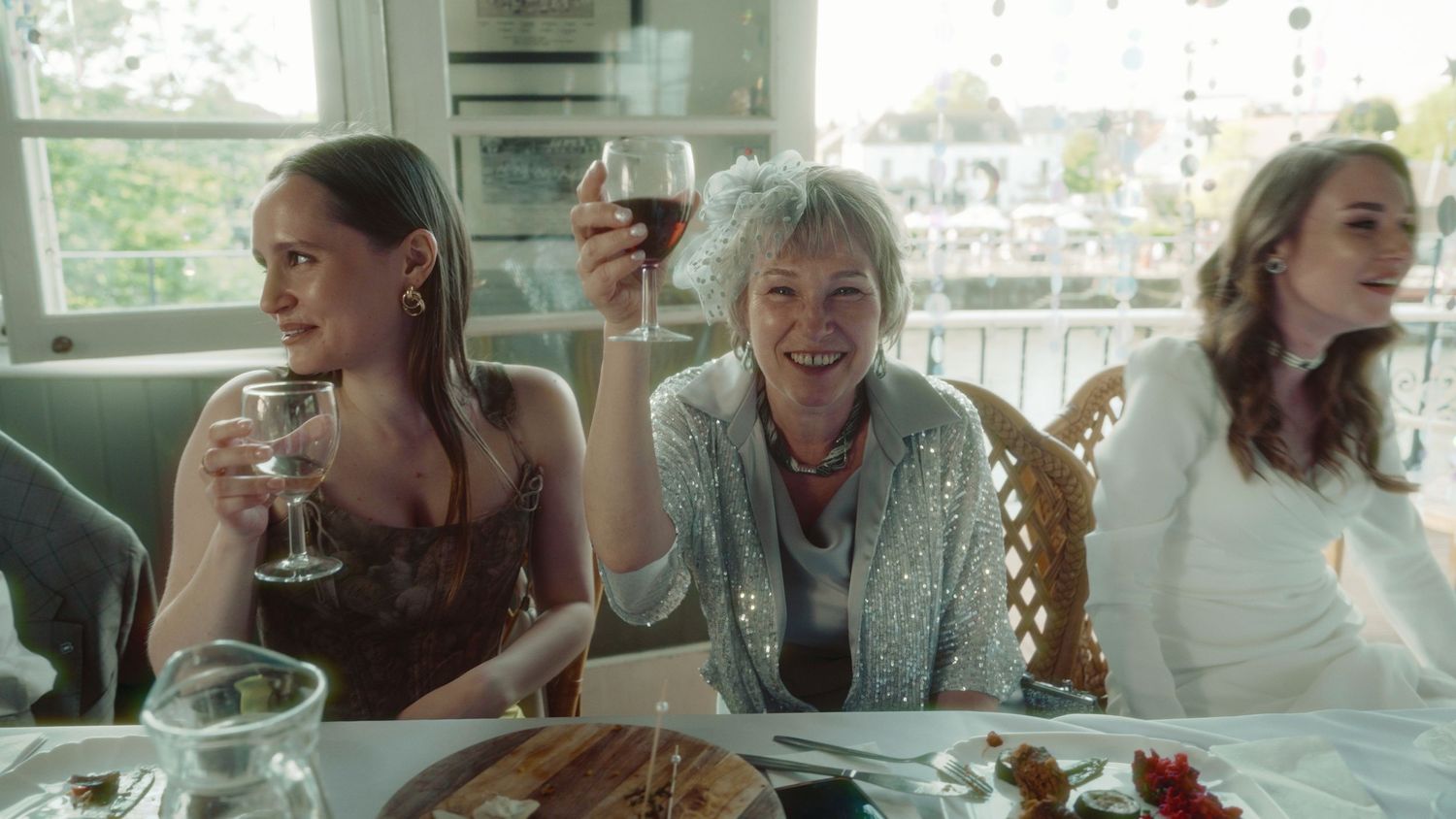
What is a documentary wedding film?
Documentary wedding films are often described as 'natural', 'candid' or 'unobtrusive'. Those words aren't wrong. They just don't tell the whole story.
A documentary wedding film isn't defined by the camera that's used, the editing style, or whether the film is slow-paced or cinematic. It's defined by intention. The intention is not to create moments. It's to notice them.
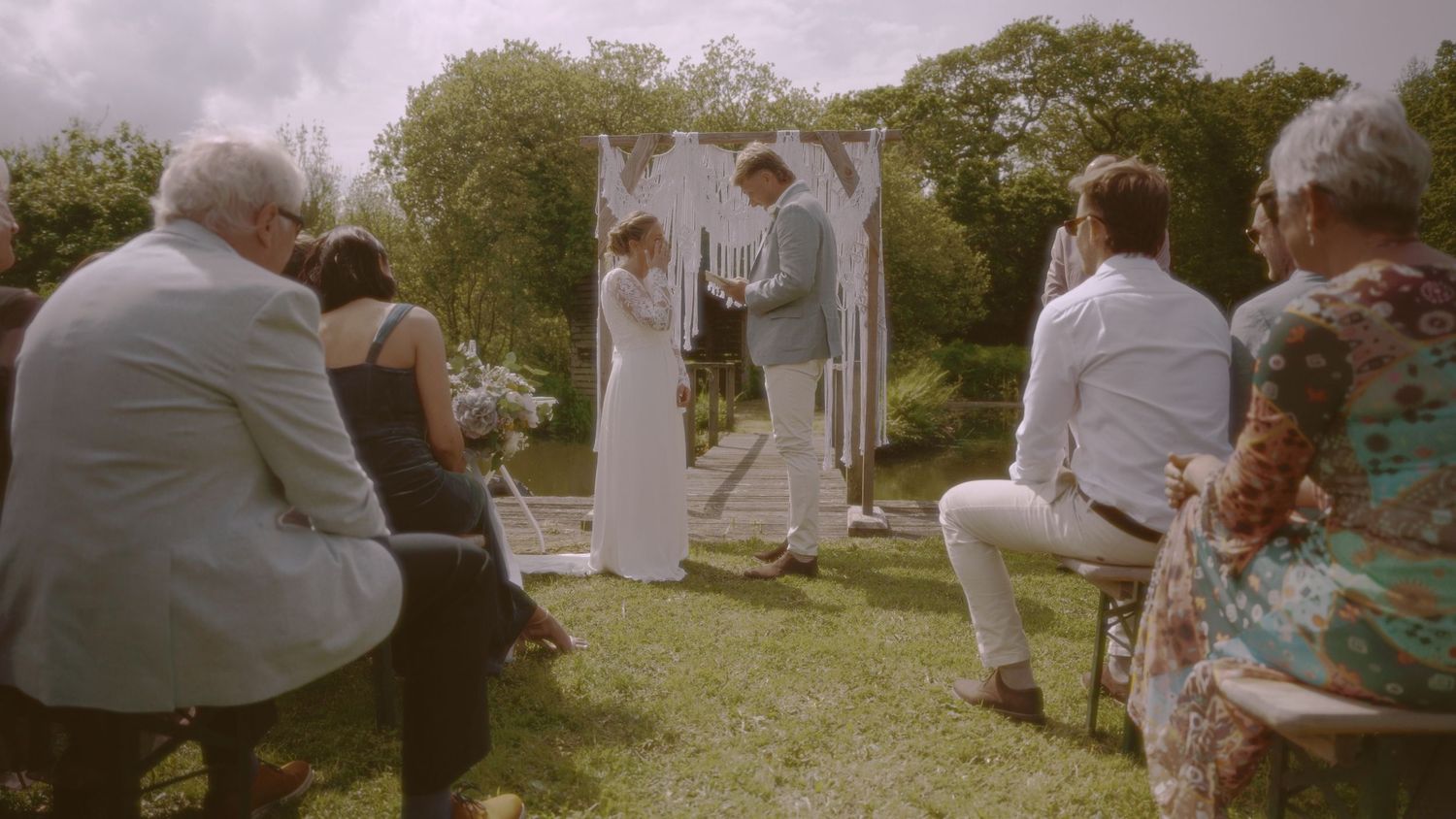
Rather than directing your day, a documentary filmmaker quietly follows it as it naturally unfolds. The role isn't to control the story, but to recognise it as it happens. That means your film isn't built around repeated kisses, staged walks or asking you to recreate something because the light has changed.
Instead, it's built around the moments that already belonged to you.
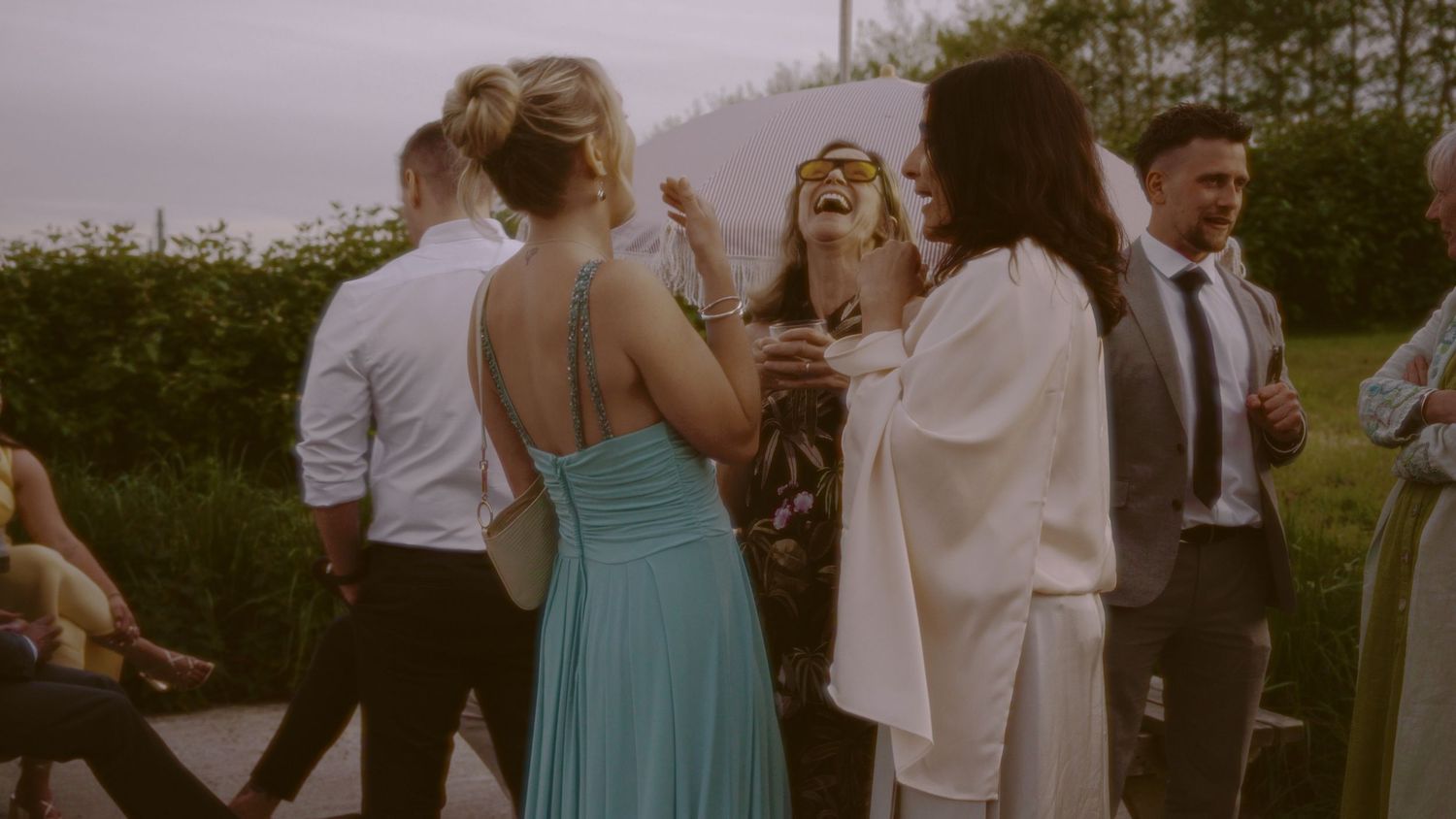
The laughter that wasn't expected. The conversation that happened while everyone else was watching something different. The way your partner looked at you when they thought nobody else had noticed.
Those are the moments that make every wedding unique.
A documentary wedding film simply gives them somewhere to live.
Documentary doesn't mean hands-off.
One of the biggest misconceptions about documentary filmmaking is that it means disappearing completely.
It absolutely doesn't.
There are moments where gentle guidance can make a real difference.
Helping everyone stand together for a family photograph. Suggesting a quieter place for a few portraits if the moment feels right. Giving reassurance if you're feeling nervous before the ceremony. Documentary isn't about refusing to help. It's about knowing when your presence adds something, and when it takes something away.
Most of the day is spent quietly observing.
Occasionally, we'll gently guide. Always with the aim of protecting the experience rather than interrupting it.
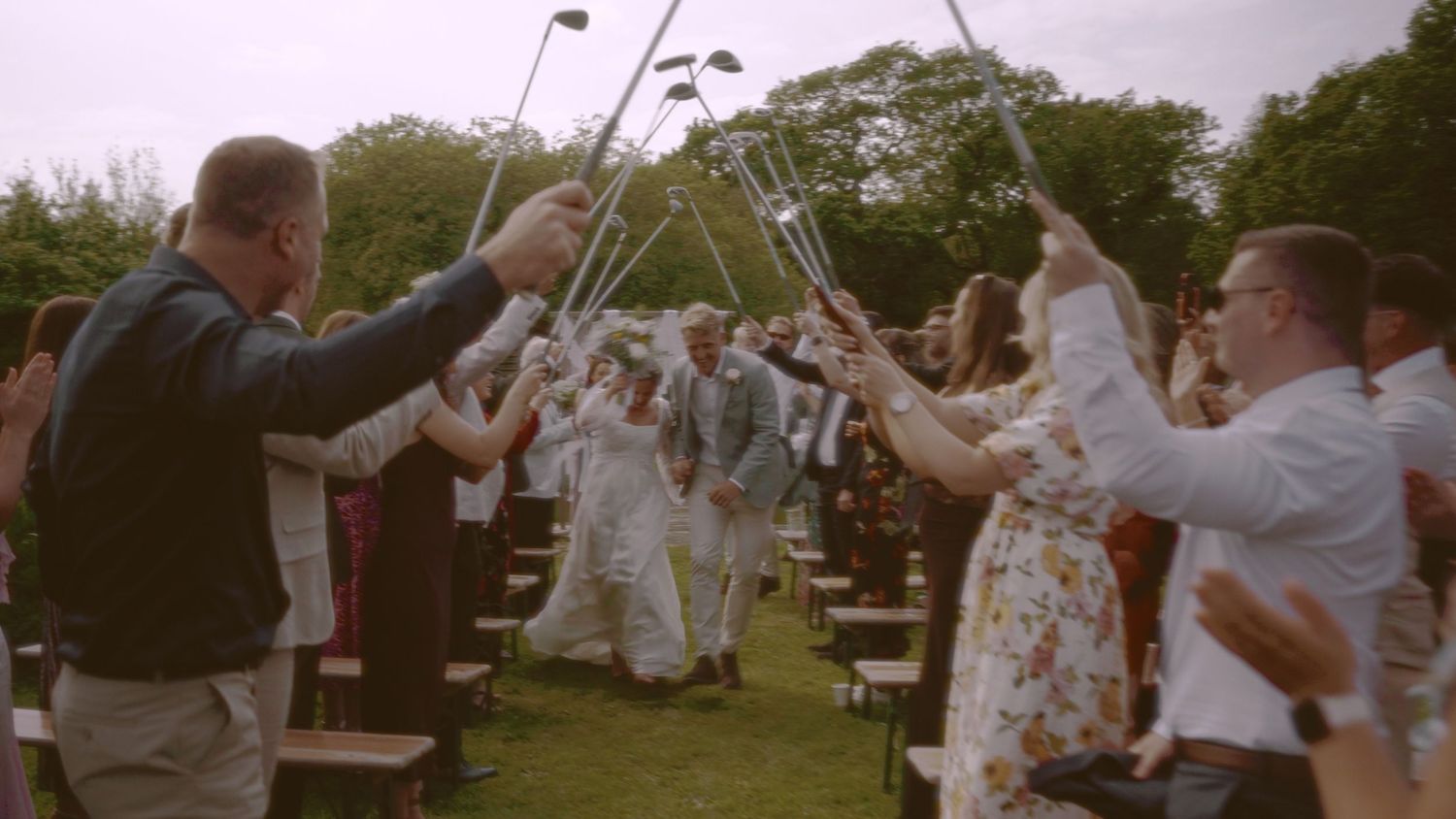
Documentary isn't about perfection.
It's about honesty. Every wedding contains small imperfections. Rain arrives unexpectedly. Flowers are blown sideways by the wind. Children wander into the aisle. Someone laughs during the vows.
None of these things ruin the story.
They become part of it.
The goal of documentary filmmaking isn't to edit those moments away.
It's to remind you that they were part of what made your day yours.
Years from now, you probably won't remember whether every detail was perfect.
You'll remember how it felt.
Photography remembers. Video remembers.
People often ask whether they need both photography and video. It's a fair question.
After all, aren't they documenting the same day?
In one sense, yes.
In another, they're preserving completely different memories. A photograph asks you to stop. To notice a single expression. A single glance. A single second that would otherwise disappear forever. Video allows that same moment to continue.
It remembers the breath before the words. The laugh that followed. The movement between two photographs. The atmosphere that surrounded them both. Neither replaces the other. They simply remember differently.
That's why we love offering both photography and video together. Not because one fills the gaps left by the other. But because together they create a richer memory of the same story.
When you look through your photographs, you'll remember how your wedding looked. When you watch your film, you'll remember how it felt.
Documentary or cinematic?
If you've spent any time looking for wedding films, you've probably come across two terms over and over again.
Documentary.
Cinematic.
They're often presented as opposites. The reality is much more nuanced. Both approaches can produce beautiful films. Both tell stories. The difference lies in how those stories are captured.
Documentary
Observes real moments
Natural pacing
Real conversations
Authentic atmosphere
Experience first
Quiet presence
Cinematic
Often creates / directs
Dramatic pacing
Music-led storytelling
Stylised atmosphere
Visual spectacle first
More active direction
Neither approach is better. They're simply different. Some couples love dramatic camera moves, carefully directed portraits and highly stylised films. Others want to remember the day exactly as it unfolded.
We naturally lean towards the second. Because we believe your wedding already contains everything needed to tell a meaningful story.
Our job isn't to improve it. It's to preserve it.
If you're looking for fireworks, smoke bombs and perfectly choreographed scenes, documentary filmmaking may not be the right fit. If you're looking for something that feels honest every time you press play, it probably is.
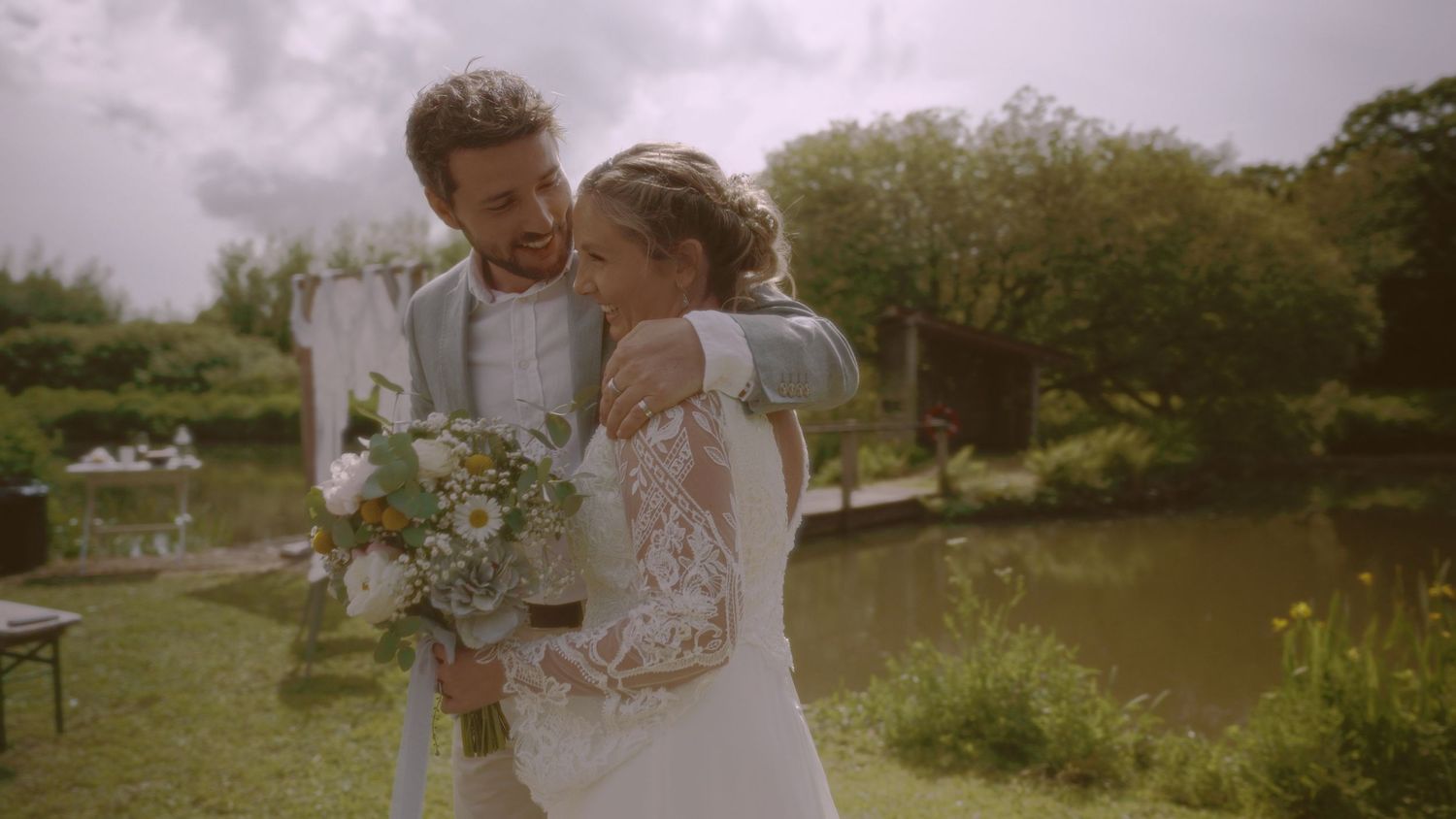
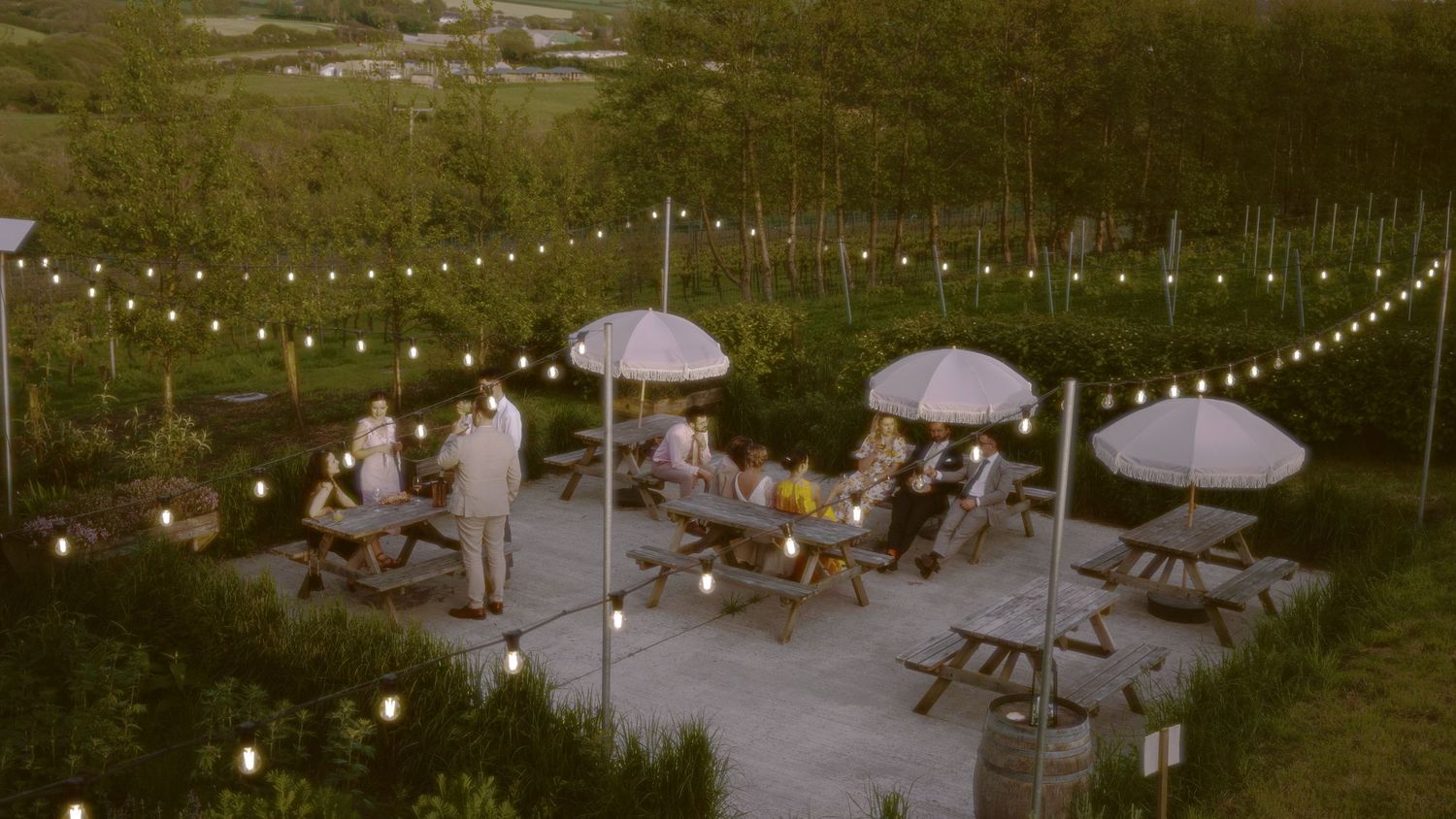
Continue reading
Now that we've explored what documentary wedding films are, the next chapter looks at something far more practical.
How do you quietly film a wedding without changing the day you're trying to preserve?
From how we move through a wedding to how we work alongside photographers, it's all built around one simple idea.
The less you notice us...
The more your wedding remains completely yours.
Why sound changes everything.
Close your eyes for a moment.
Think about the voice of someone you love.
Now imagine hearing it again twenty years from now.
Not through memory.
Exactly as it sounded.
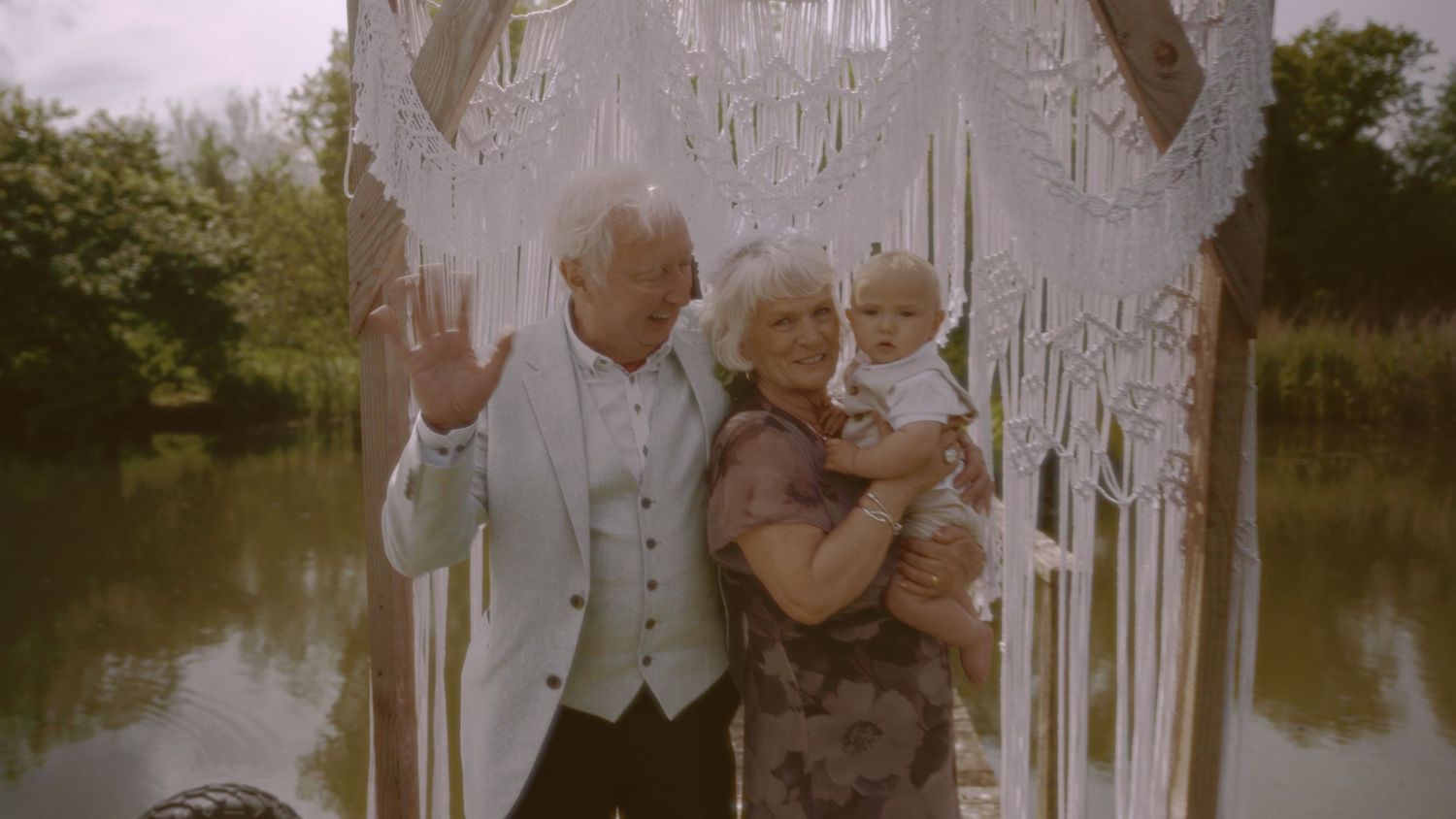
The slight shake in their voice during a speech. The laughter they couldn't quite control. The pause before they found the words they wanted to say.
Sound carries emotion in a way photographs never can.
It's often the part of a wedding film that couples don't think about beforehand, yet treasure most afterwards.
Long after you've forgotten the playlist, the table settings or even the weather, you'll still hear your vows.
You'll hear the applause.
You'll hear your favourite people speaking exactly as they did on one extraordinary day.
That's why we believe sound isn't simply something that accompanies a wedding film.
It's one of the reasons to have one.
How we quietly tell stories
One of the questions we're asked most often isn't about cameras, delivery times or even films. It's much simpler.
"Will we know you're there?"
It's a fair question. Most people have never been filmed for an entire day before. The thought of having another camera following every conversation can feel overwhelming, especially if you're someone who doesn't enjoy being the centre of attention.
The truth is, documentary filmmaking isn't about becoming part of your wedding. It's about becoming part of the background. By the end of the day, the greatest compliment we can receive isn't that your film looks beautiful.
It's hearing you say, "We completely forgot you were filming." Because that's exactly how it should feel.
We don't arrive with a shot list.
We arrive with curiosity.
Every wedding begins the same way. Not by searching for dramatic shots. But by paying attention. Who naturally keeps everyone laughing? Who hasn't seen each other for years? Who's quietly emotional but trying not to show it? Where does the light naturally gather people together? Where does the room become quiet?
These observations become far more valuable than any checklist.
Because every wedding already has its own rhythm.
Trying to force another one on top of it rarely improves the story.
Instead, we spend the day learning how your wedding naturally unfolds, then allow the film to follow that rhythm rather than interrupt it.
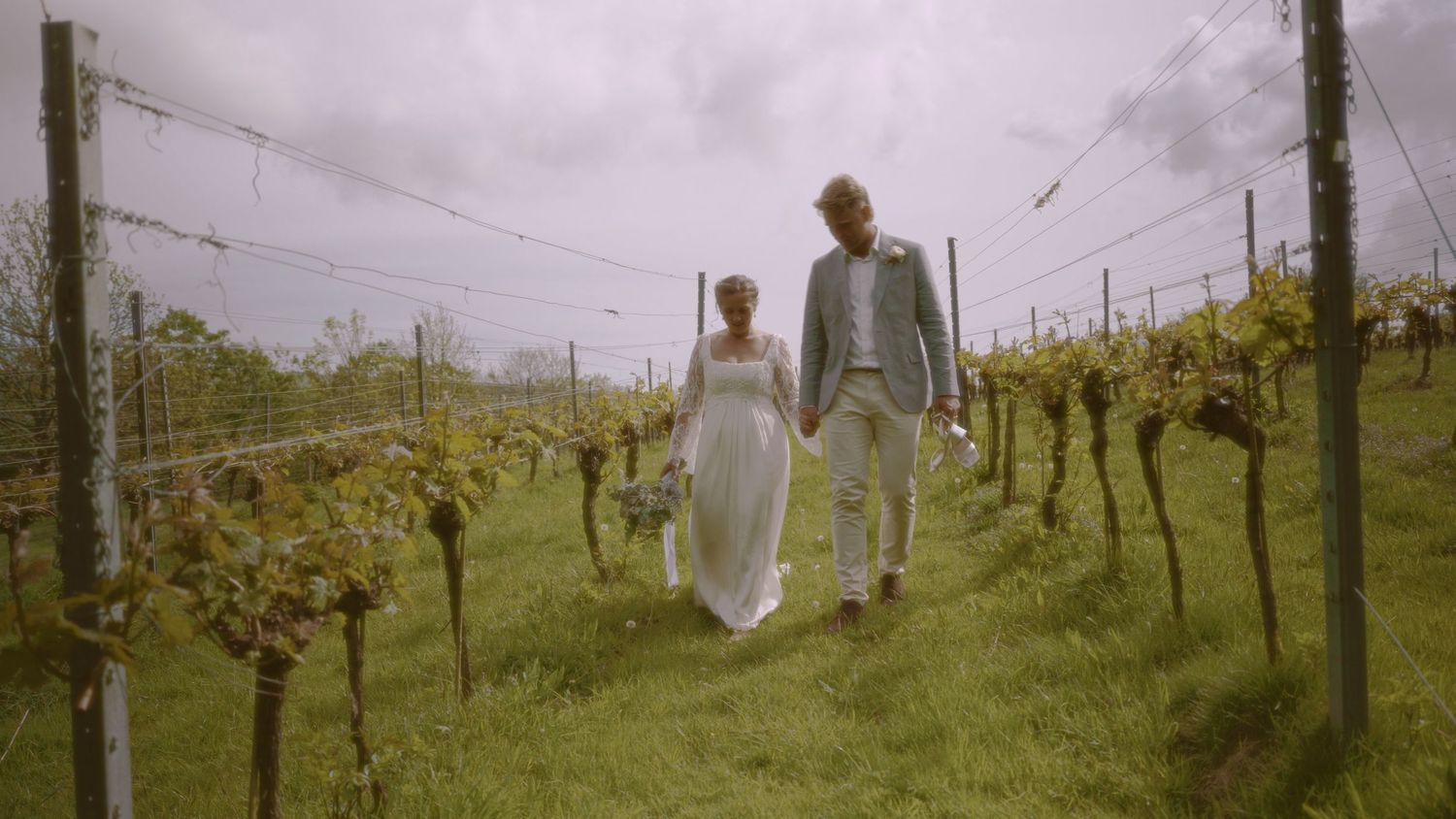
Every wedding unfolds differently.
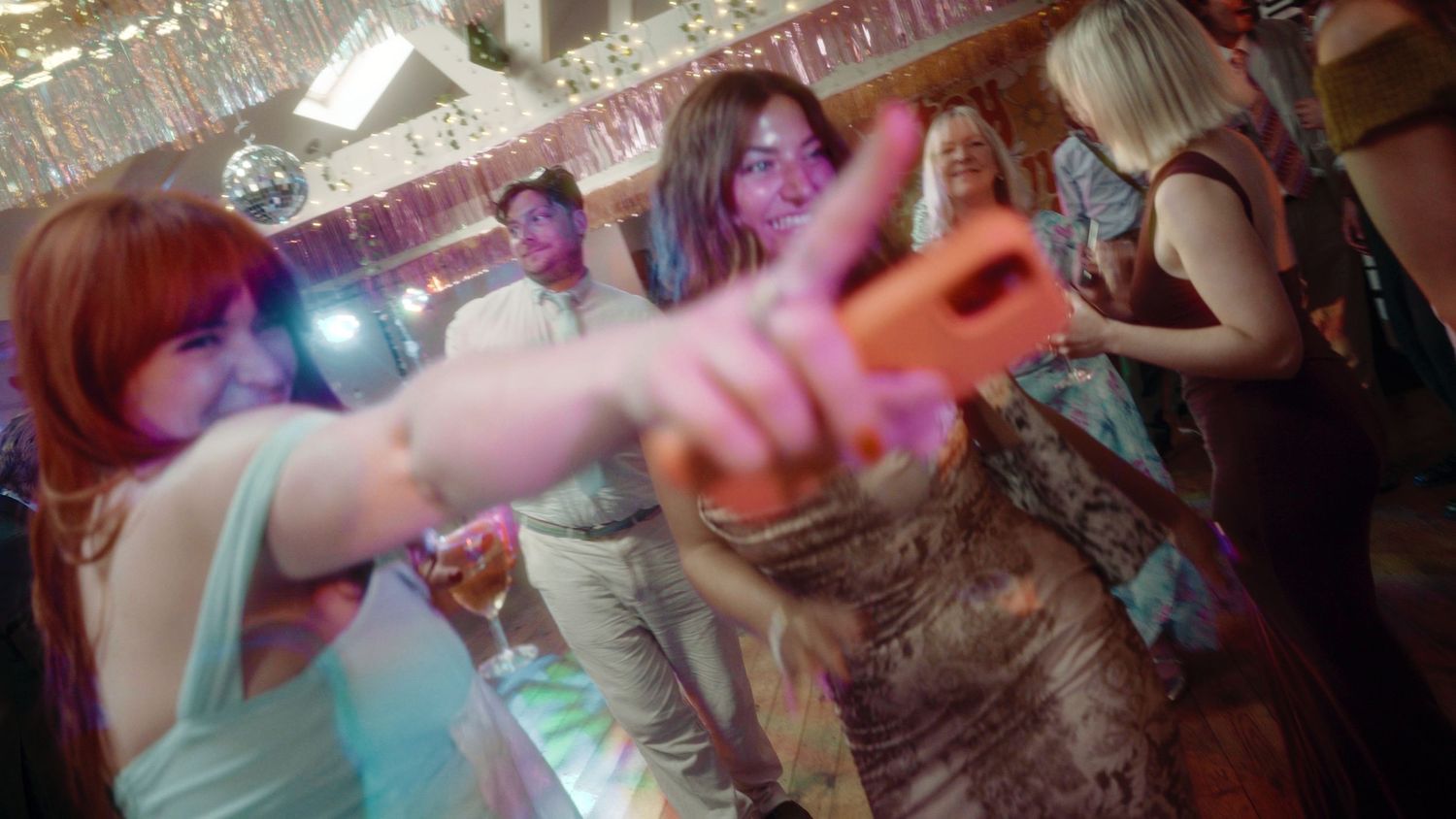
Some weddings are full of movement from beginning to end. Children running through gardens. Guests dancing barefoot long before sunset. Laughter spilling out into the evening air. Others are quieter.
A ceremony shared with only a handful of people. An elopement high in the mountains.
A walk along the coastline with nobody else around.
Neither tells a better story. They simply tell different ones.
Documentary filmmaking isn't about making every wedding look the same. It's about recognising what already makes yours unique, then giving it the space to unfold naturally.
The less we direct, the more your story belongs to you.
There are moments where gentle direction is genuinely helpful:
Family photographs, finding beautiful light for a short walk together, helping you feel comfortable if nerves begin to creep in.
But those moments are the exception. Not the rule. The vast majority of your wedding day should never feel like a production. It should feel exactly like what it is. A celebration with the people you love most.
Every time somebody asks you to repeat a hug. Walk somewhere again.
Laugh one more time. Or pretend to have a conversation. The story changes.
Sometimes only slightly.
Sometimes completely.
Documentary filmmaking simply asks a different question.
"What happens if we don't interrupt this at all?"
More often than not, the answer is something far more meaningful than anything we could have directed.
Working alongside photography, not competing with it.
Photography and filmmaking should never feel like two separate teams trying to capture the same moment. The best days happen when both quietly work together.
Sometimes that means standing back while a photograph unfolds. Sometimes it means anticipating where the next moment is about to happen before either camera moves.
Neither medium takes priority. The story does.
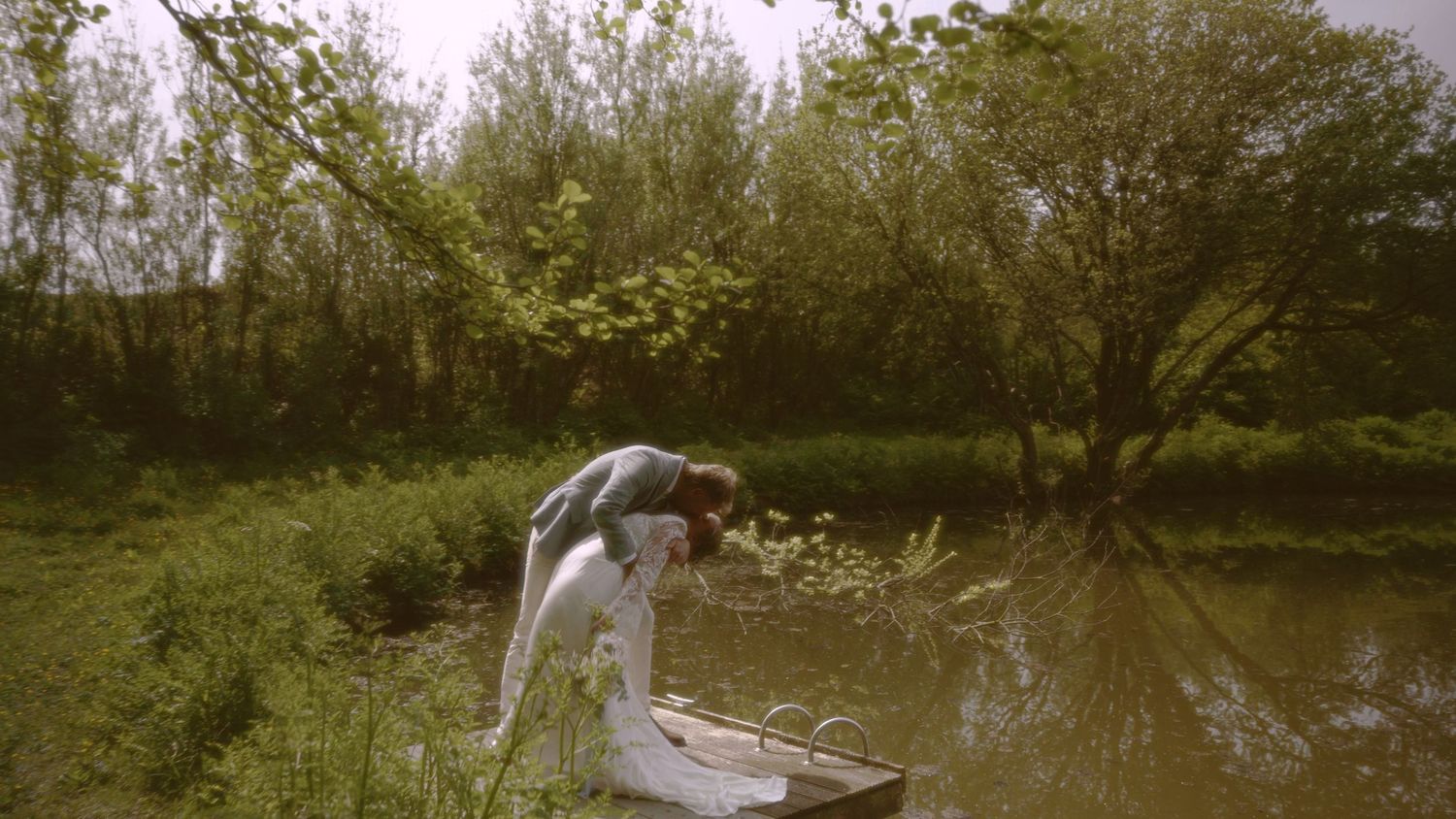
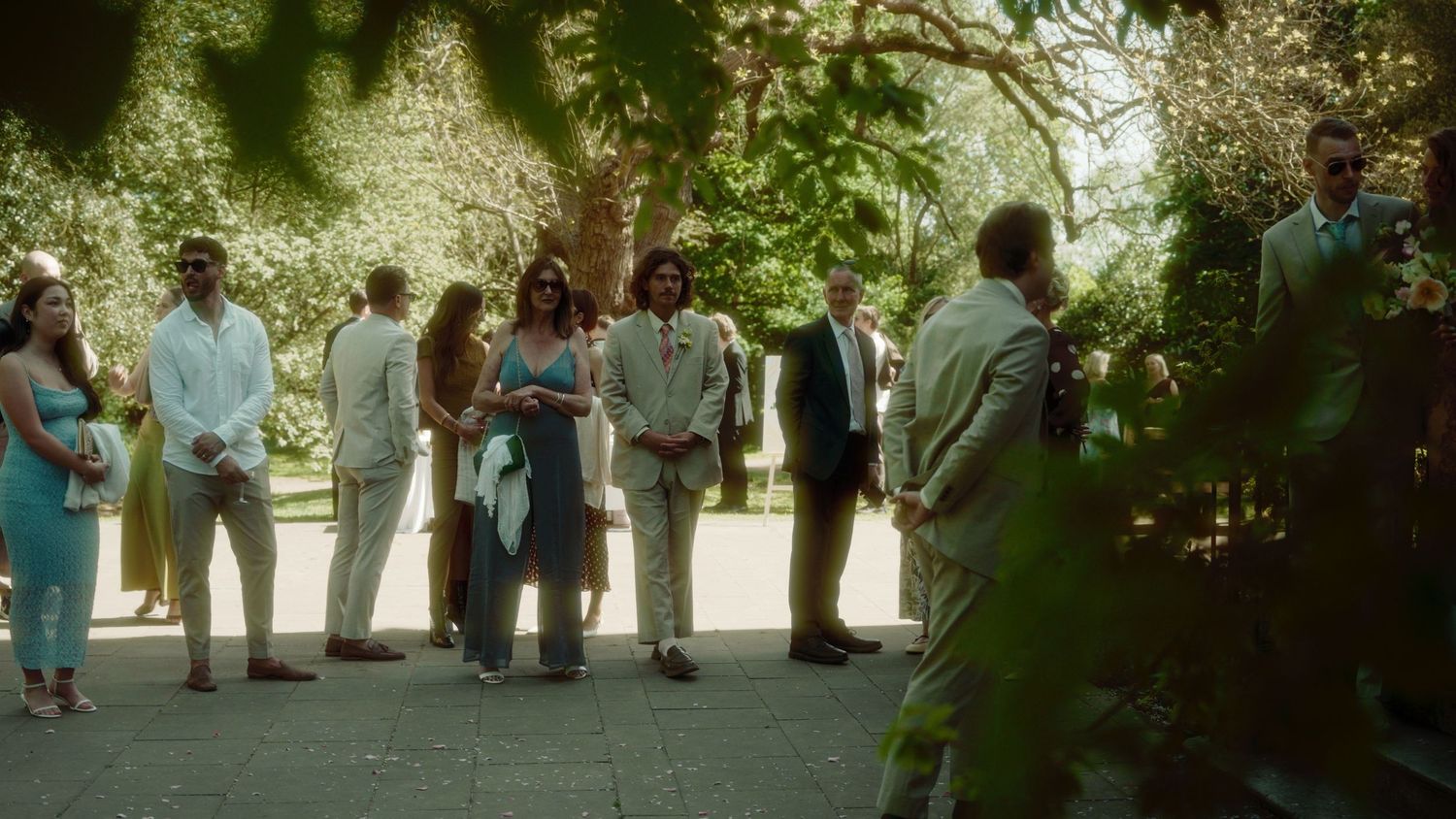
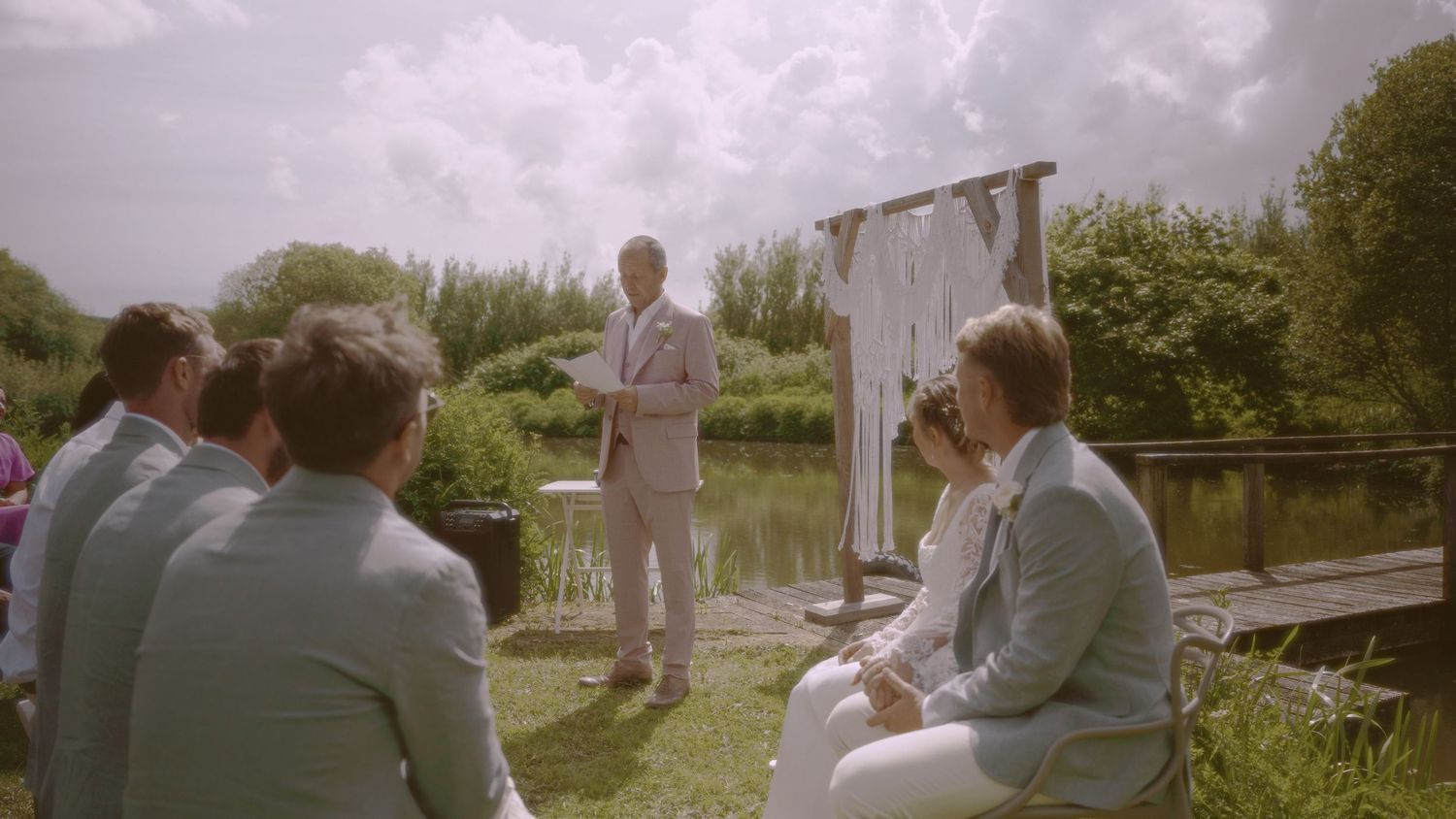
That's one of the reasons we love hybrid coverage. Instead of thinking about photographs and films as separate products, we think about them as different ways of preserving the same memories. One pauses time. The other lets it continue. Together, they tell a greater story than either could alone.
Before you leave this guide...
Whether you choose photography. Film. Both. Or neither.
We hope one idea stays with you.
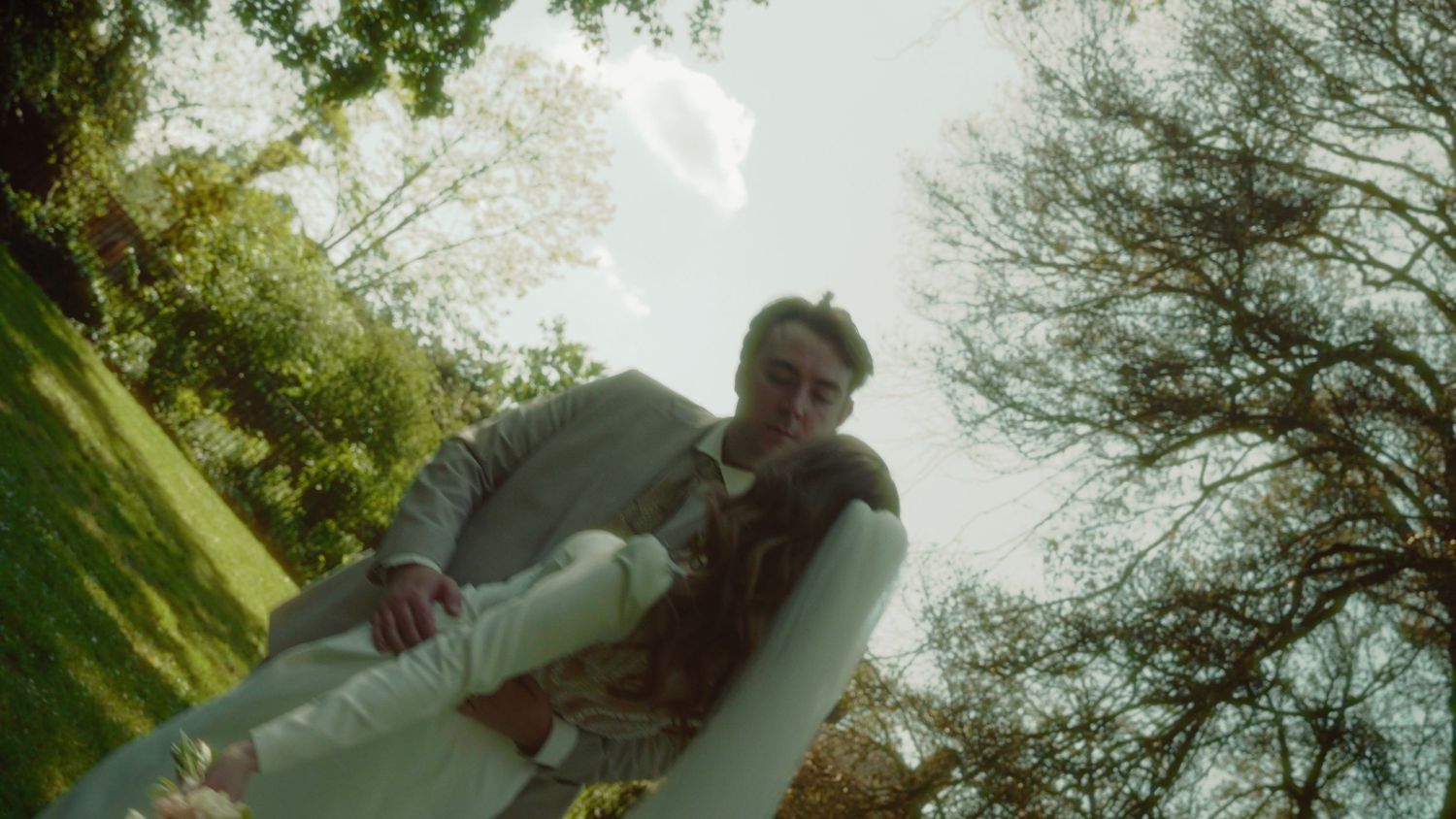
The most meaningful memories are rarely the ones anyone planned.
They're the conversations that ran longer than expected.
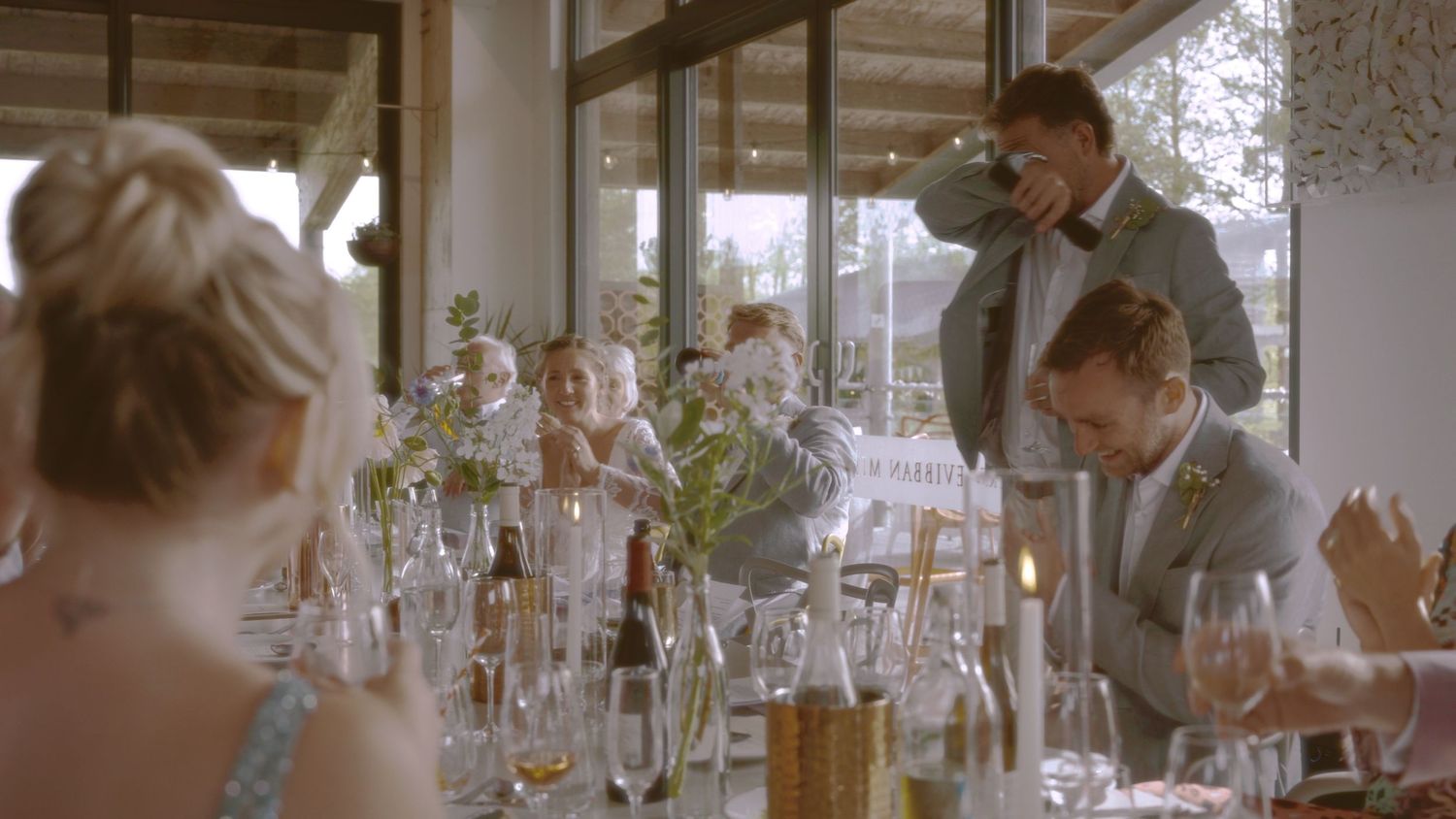
The laughter that interrupted the speeches.
The glance across the room.
The hand that reached for yours without thinking.
The voices that one day become priceless.
Those moments don't need directing.
They simply need protecting.
That's why we quietly do what we do.
Not to make your wedding feel like a film.
But to make sure, years from now, it still feels like your wedding.
Is a documentary wedding film right for us?
There isn't a right answer. Only the right fit.
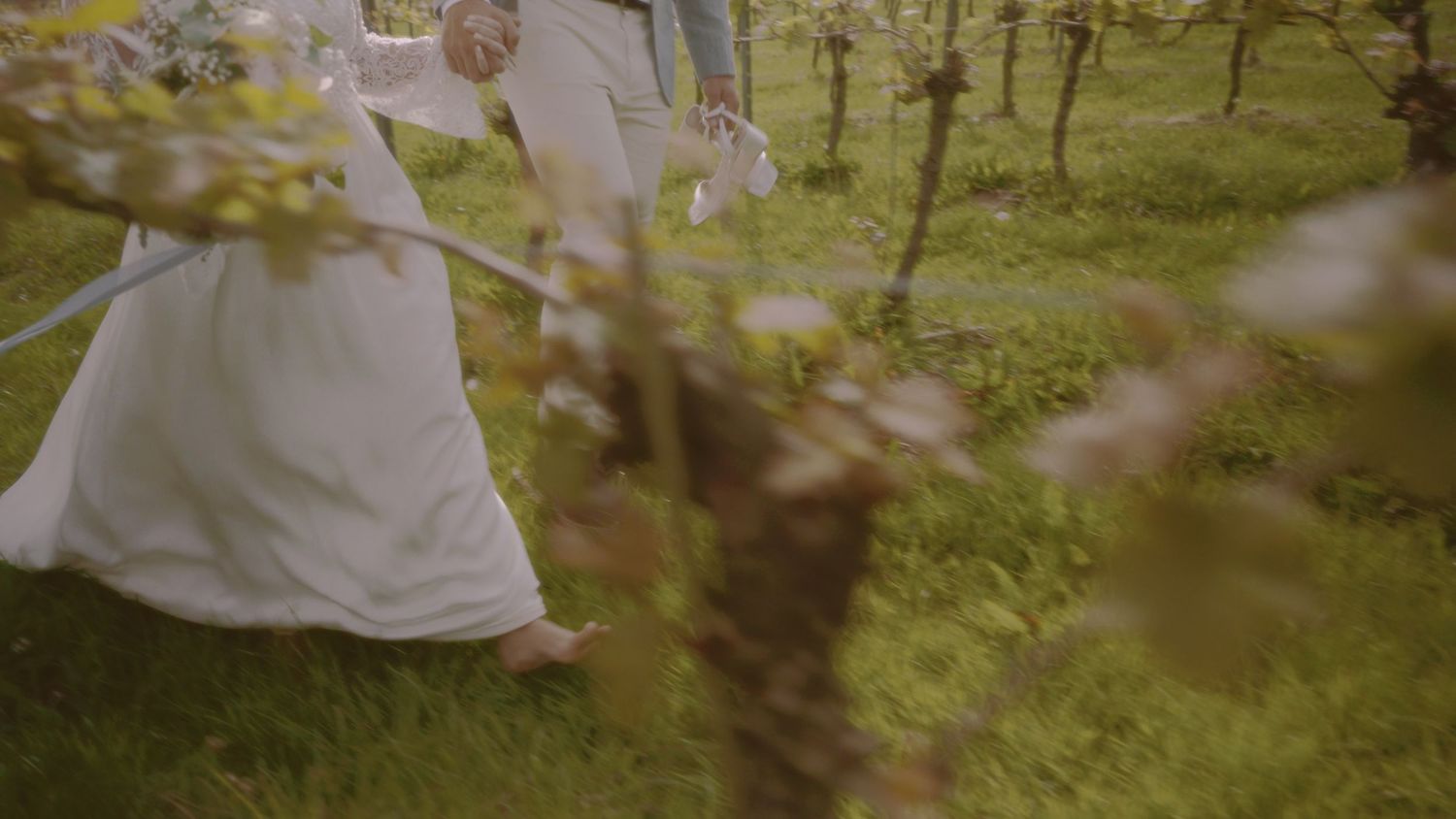
Documentary filmmaking tends to resonate with couples who care more about experience than performance.
Who would rather spend an extra ten minutes talking to their grandparents than creating another posed photograph. Who value honest moments over perfect ones.
Who want to look back and remember the day as it truly felt.
If that sounds like you, documentary filmmaking will probably feel wonderfully natural. If you're dreaming of carefully directed scenes, dramatic camera moves and a film built around creating cinematic moments, you may find another approach suits you better. And that's okay.
Every couple deserves to choose the way they want their story remembered.
Our role isn't to persuade you.
It's to help you make that decision with confidence.
What is a documentary wedding film?
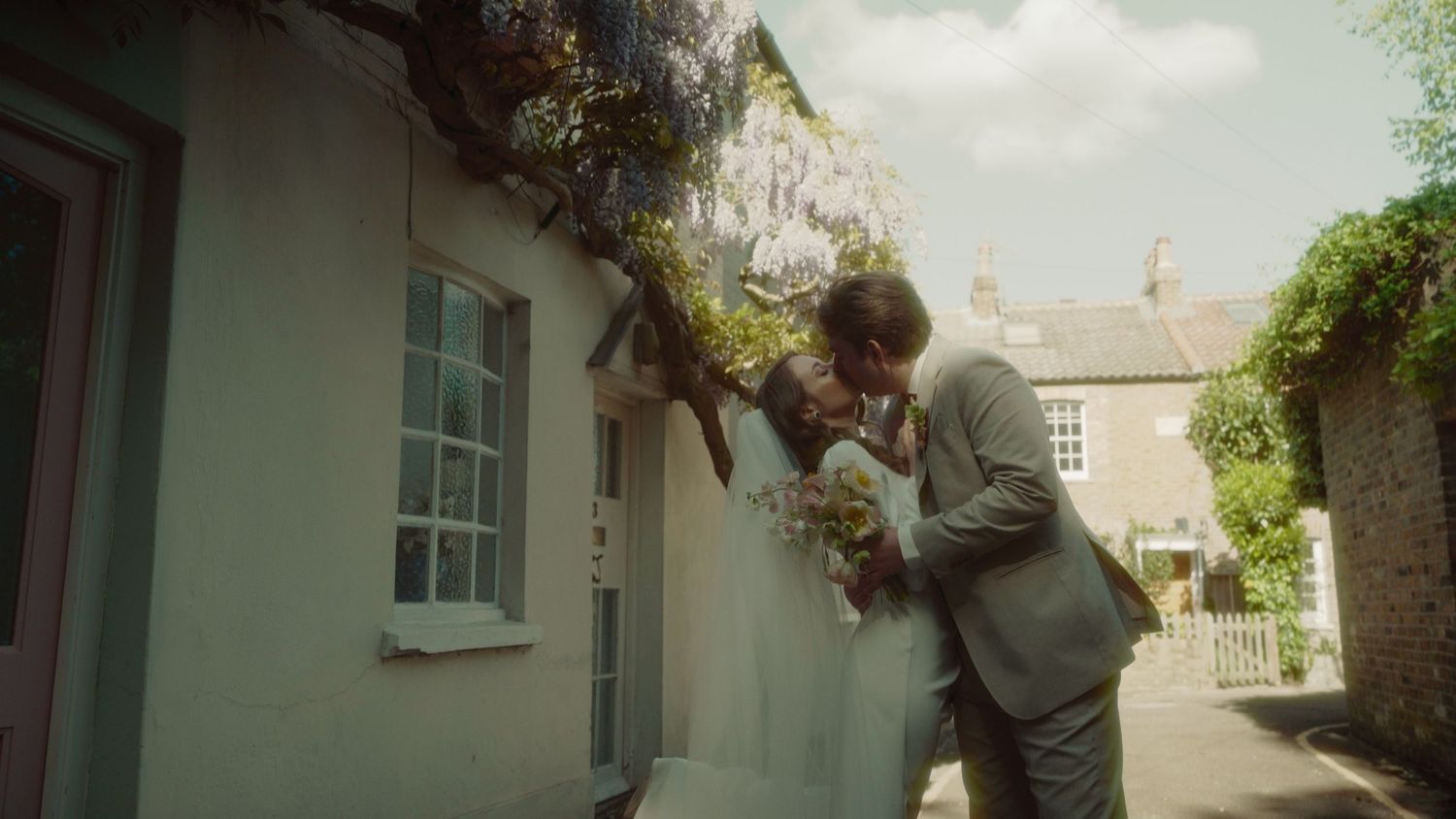
A documentary wedding film tells the story of your day as it naturally unfolds. Rather than directing moments or asking you to repeat them, we quietly observe what's already happening, preserving genuine conversations, emotions and atmosphere as they happen.
Will you tell us what to do?
For most of the day, no.
Our approach is built around observation rather than direction. We'll gently guide you when it's genuinely helpful, perhaps during a short portrait session or when organising family photographs, but the vast majority of your wedding is left to unfold naturally.
We're awkward in front of cameras. Is that a problem?
Not at all.
Most of our couples tell us exactly the same thing.
The beauty of documentary filmmaking is that it doesn't rely on performance. Once you're immersed in your wedding day and spending time with the people you love, the camera quickly becomes far less important than the experience itself.
Do you stage or repeat moments?
No.
If something meaningful happens, it deserves to stay exactly as it happened.
Repeated moments may look beautiful, but they rarely feel the same. We'd always rather preserve a genuine memory than recreate one.
How long should a wedding film be?
There isn't a perfect length.
Some stories naturally unfold in five minutes.
Others need longer.
The right film is the one that tells your story honestly without rushing it or stretching it beyond what feels natural.
Do you record our vows and speeches?
Yes.
For many couples, these become some of the most treasured parts of their wedding film.
Long after you've forgotten the details of the day, hearing the voices of the people you love often becomes one of the most meaningful memories to return to.
Do you work alongside photographers?
Absolutely.
Great documentary photography and documentary filmmaking complement one another.
Neither competes for moments.
Both quietly tell the same story in different ways.
Can we have photography and film together?
Yes.
Many couples choose hybrid coverage because photographs and films preserve different parts of the same day.
Photography remembers moments.
Film remembers movement, sound and atmosphere.
Together they create a richer story.
Do you travel?
Yes.
Whether your wedding takes place in Norfolk, the Scottish Highlands or somewhere further afield, the approach remains exactly the same.
The landscape changes.
The philosophy doesn't.
What happens if it rains?
We embrace it.
Some of our favourite moments have happened during unexpected weather.
Rain changes the atmosphere.
It slows people down.
It creates moments that could never have been planned.
Documentary filmmaking isn't about waiting for perfect conditions.
It's about noticing what each day naturally becomes.
Is documentary filmmaking right for every couple?
Probably not.
If your dream is a highly directed film with carefully choreographed scenes and dramatic productions, another style may suit you better.
If you want to experience your wedding as it happens and remember it honestly afterwards, documentary filmmaking may feel like home.
Do we need two videographers?
Every wedding is different, and the right approach depends far more on the story than the number of cameras.
Many weddings can be documented beautifully by one experienced filmmaker working quietly and intentionally. Larger celebrations, multiple locations or more complex timelines can sometimes benefit from a second filmmaker, allowing more of the day to be covered simultaneously without changing the documentary approach.
If we believe a second filmmaker would genuinely improve the story, we'll always explain why.
Our recommendations are never based on creating more footage.
They're based on making sure your wedding is documented thoughtfully, without compromising the experience of the day.
Do you use drones?
Yes, when they genuinely add something to the story.
A drone can reveal the landscape surrounding your wedding, the scale of a coastline, a mountain range or a quiet woodland ceremony in a way that's impossible from the ground.
But not every wedding needs aerial footage.
Some venues don't allow drones. The weather isn't always suitable. And sometimes the most meaningful moments happen far closer than any drone could ever reach.
We never fly a drone simply because we have one.
If it helps tell the story, we'll use it thoughtfully.
If it doesn't, we won't miss it.
The story always comes first.
How long does it take to receive our wedding film?
Every film is edited by hand with care and intention, so we never rush the process.
Our aim is to deliver something that still feels just as meaningful years from now as it does the day you first watch it.
Delivery times vary depending on the time of year and the type of film you've chosen, but we'll always give you a clear expectation before your wedding and keep you updated throughout the editing process.
We'd rather take the time to tell your story well than deliver something simply because a deadline arrived.
Can we choose the music for our wedding film?
Music plays an important role in shaping the rhythm and emotion of a film, but we believe it should always support the story rather than lead it.
You're very welcome to share songs, artists or genres that feel meaningful to you. They help us understand your personalities and the atmosphere you want to remember.
When licensing allows, we'll always do our best to reflect that.
Sometimes, however, the perfect piece of music isn't the one you already know.
Sometimes it's the one that quietly lets your vows, your laughter and the natural sounds of the day take centre stage.
After all, the most important soundtrack to your wedding has always been the people in it.
One final thought
Long after the flowers have faded,
after the tables have been cleared,
and after the last song has played,
your wedding will slowly become a collection of memories.
Some will live inside photographs.
Some will return through voices.
Some will appear unexpectedly when you hear a laugh you hadn't thought about for years.
Stories in Motion exists because not every memory stands still.
Some need to move.
Some need to be heard.
And some become more valuable with every passing year.
If this guide has helped you see wedding films a little differently, then it's done exactly what it was created to do.
More Notes
Every Field Guide is only the beginning.
The ideas explored here continue through Field Notes, shorter articles inspired by real weddings, real conversations and the questions couples ask most often.
You might enjoy exploring:
- Documentary vs cinematic wedding films
- Why sound matters more than music
- Should we have a wedding film?
- Photography or film? Understanding the difference
- How we quietly film a wedding without interrupting it
- What makes a documentary wedding film?
- Why movement changes memory
- The voices you'll be grateful you recorded
- Hybrid wedding coverage explained
- How much direction do documentary filmmakers give?
- When Super 8 tells the story better
- Rain, wind and unexpected weather in documentary films
Continue exploring
If this guide has helped you understand documentary wedding films,
there are a few natural places to continue.
Documentary Weddings
Discover the philosophy that sits behind everything we do, and explore what documentary really means.
→ Explore Documentary Weddings
Making Space
Discover the philosophy that sits behind everything we do, and explore what documentary really means.
Slower Stories
Discover why analogue photography, Super 8 and slower ways of working create memories that feel different.
Real Stories
See these ideas brought to life through real weddings, real couples and real moments.
→ Explore Real Stories