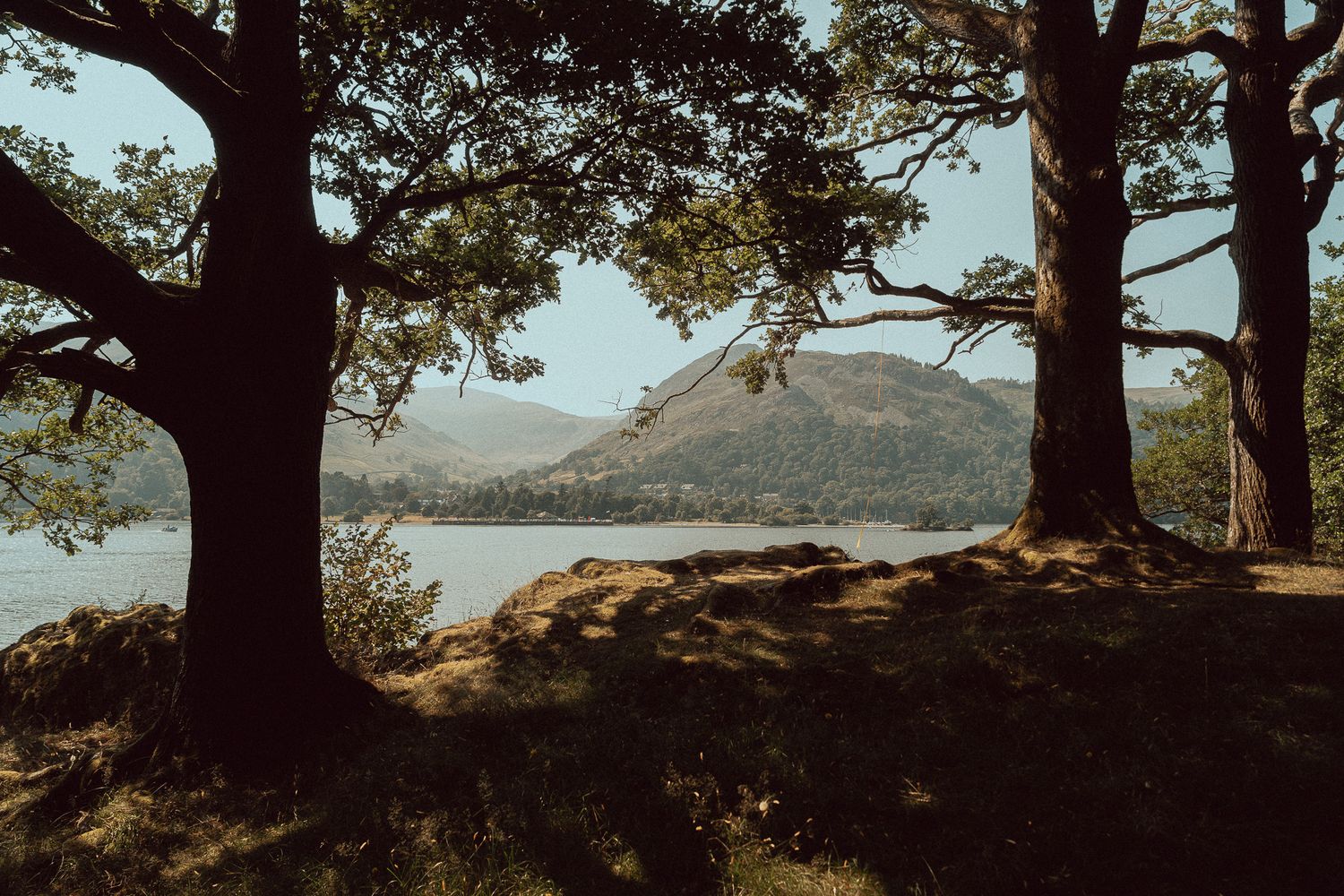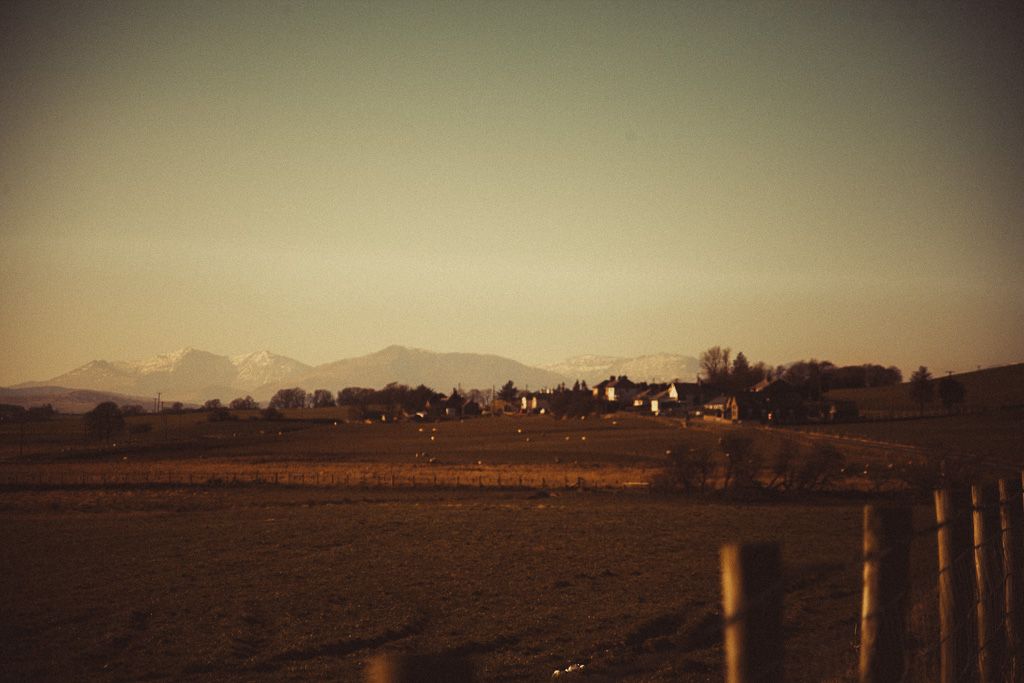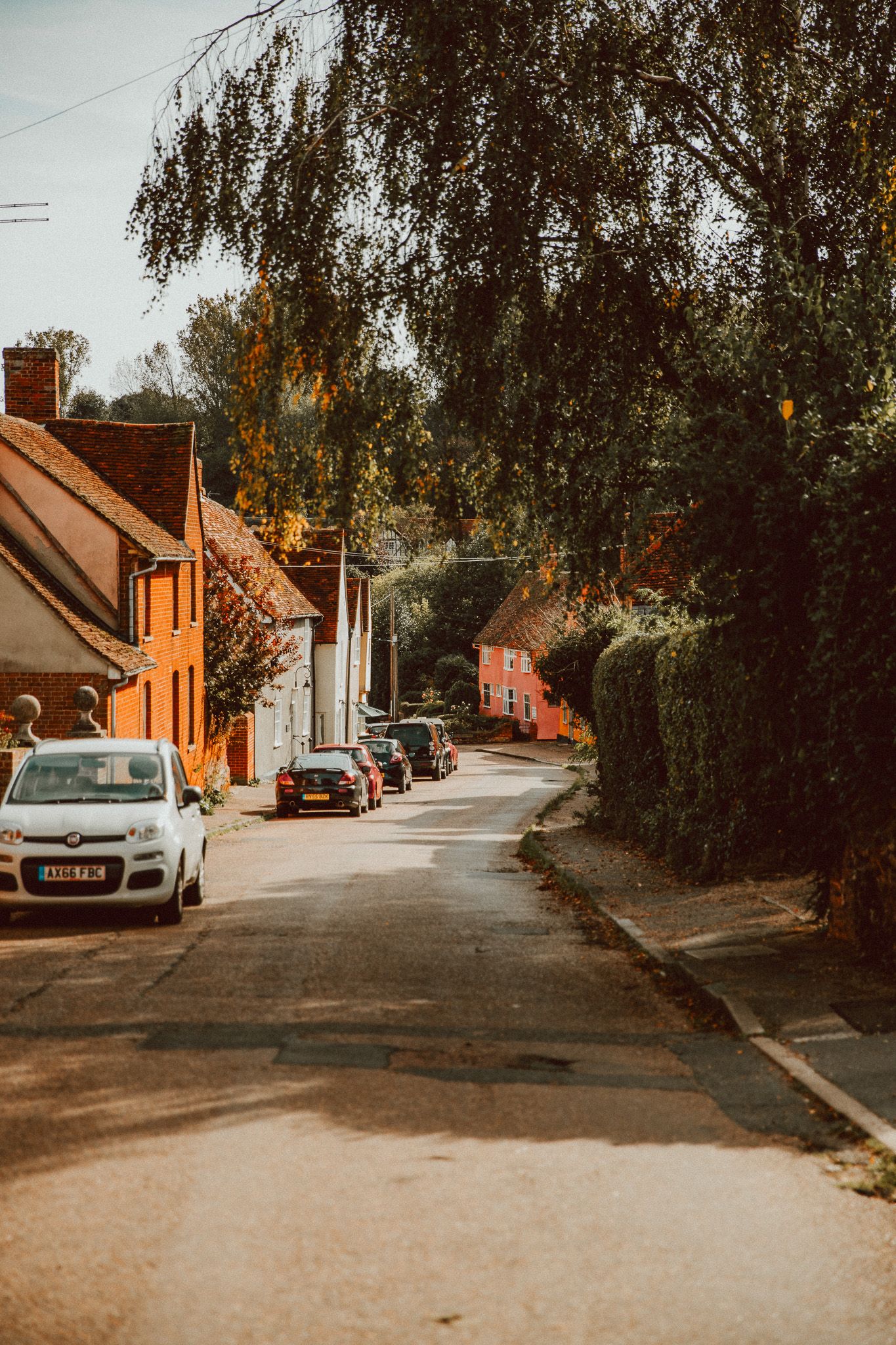
Suffolk Wedding Photography & Elopement Locations
Suffolk is made for taking the long way round.
There are wild stretches of coastline, sandy heath, pine forests, muddy country lanes, quiet villages and enormous skies. You can spend the morning walking through the woods, find a pub with a fire going, and still make it to the beach for sunset. It is not wild in the mountain sense. It is quieter than that, with plenty of places to disappear for a few hours and forget there is anywhere else to be.
For a wedding or elopement, that gives you plenty of ways to build a day around the things you actually enjoy.
A sea swim. A muddy walk. Fish and chips on the beach. A few hours exploring the countryside. An old cottage with a woodburner. A pint at the end of it all.
This guide explores the landscapes, places and quieter corners of Suffolk, and the ways they could become part of your wedding day. Less schedule, more adventure.
Suffolk, in it's own way.
A landscape that gives you more than one kind of day
Suffolk is a good place to disappear for a few days. Not in the dramatic, climb-a-mountain-and-scream-at-the-summit kind of way. More quietly than that. You leave the main road, pull into somewhere muddy, throw your boots on and head off down a track. Maybe the dog comes with you. Maybe there's a flask of coffee in your bag. Maybe you've got absolutely no idea where the path goes. That's part of the appeal.
For a wedding or elopement, Suffolk gives you room to make the day feel like a day you'd actually want to have together. The ceremony can be the beginning rather than the whole event. You can get married, go for a walk, find the coast, stop for lunch, get caught in the rain, come back with muddy trousers and spend the evening somewhere with an open fire. Suffolk gives you plenty of different landscapes to do that in.
It is not just the countryside
The county moves between coastline, heathland, woodland, farmland, rivers and marshes, with the Suffolk & Essex Coasts & Heaths and Dedham Vale National Landscapes alongside the Brecks and the wider Suffolk countryside.
That matters when you're planning an elopement because you aren't tied to one particular kind of day. You might want to wake up beside the coast, pull on something warm and walk along the beach before breakfast.
Or perhaps your ideal morning is a slow wander through the woods, followed by coffee and cake somewhere in an old village.
Maybe you want a proper muddy walk, then a pub lunch where you can sit beside a fire and forget about the weather for an hour.
You could have your ceremony in a woodland or meadow, head off with just your closest people afterwards, and let the rest of the day unfold around you. Suffolk's official wedding service specifically offers licensed outdoor ceremonies in settings including woodlands, meadows and beaches.
The point isn't to fit everything in.
It's to have enough space that you can choose what sounds good when you're actually there.
The coast feels different here
The Suffolk coast is where things start to feel properly open. Around Aldeburgh, Southwold, Dunwich and Covehithe, you have beaches, shingle, dunes, marshes and long stretches of coastline where the sky seems to take up most of the view.
It's a brilliant place to get out of your wedding clothes for a while and go somewhere. Shoes in your hands. Flowers still in the car. Hair getting blown all over the place.
If it's summer and the sea looks inviting, maybe you go for a swim. If it's November and the North Sea looks absolutely freezing, maybe you just walk beside it and laugh at the weather. Both work.
There is something particularly good about coming back from the coast after a few hours outside and finding somewhere warm. A pub with low ceilings. A fire going. A couple of pints. Something hot to eat. Your coat hanging up to dry.
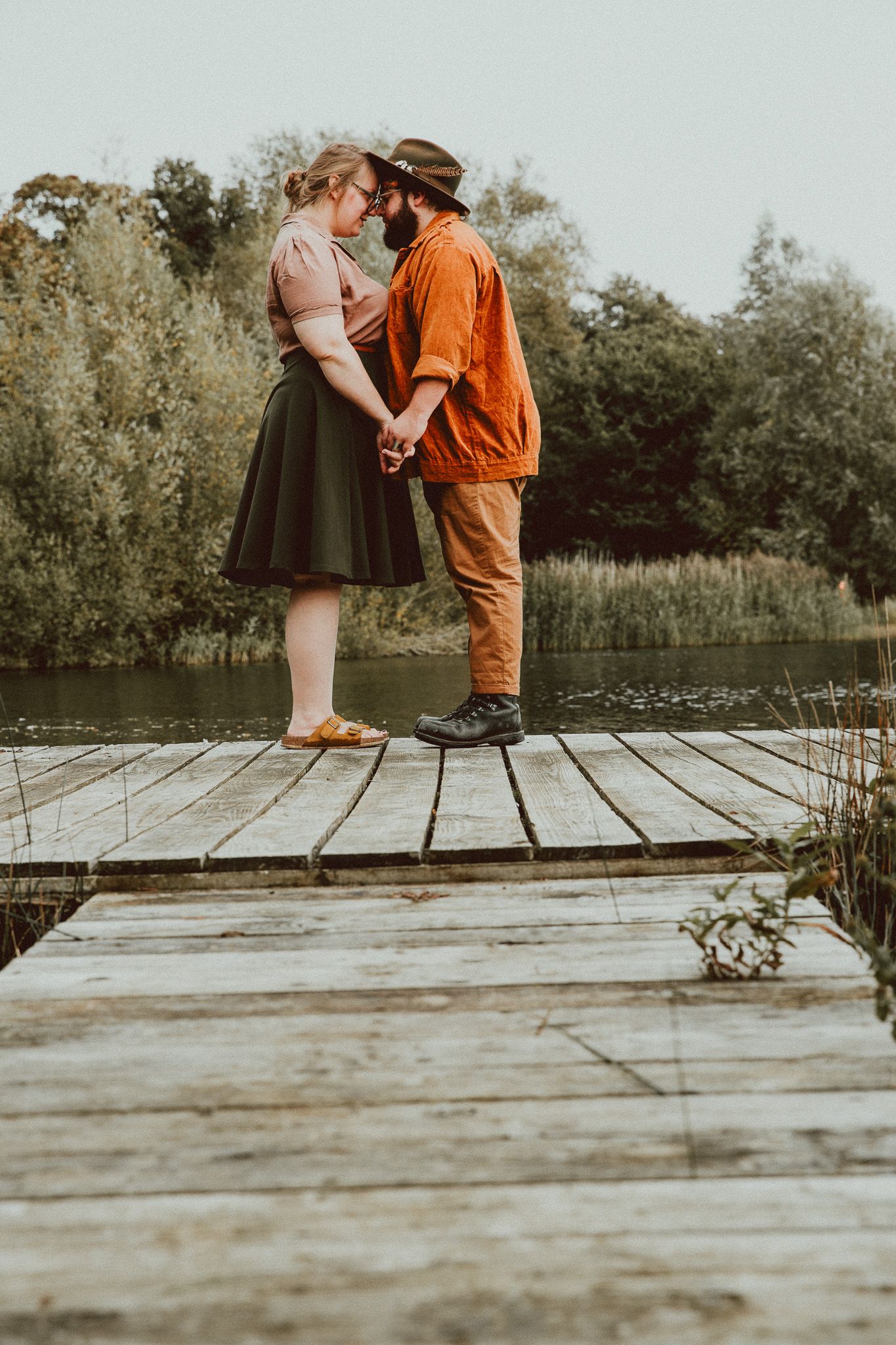
You do not have to be an outdoorsy couple
You don't need to spend your weekends climbing mountains to make this work. Maybe a two-hour walk is plenty. Maybe your idea of getting outside is wandering around a village before finding a good pub.
Maybe you want to sit beside a river with your feet in the water on a hot afternoon. Maybe you want to hire a little cottage, light the woodburner and barely leave it.
That counts too.
An elopement doesn't have to prove anything. It doesn't need to be physically difficult or photographically impressive. It just needs to feel like something you would actually choose to do together.
Suffolk works particularly well for that because the scale is manageable. You can have the woods, the coast, the villages and the countryside without turning the day into a logistical exercise.
It suits days with a bit of wandering in them
This is where Suffolk starts to make a lot of sense for couples who don't want their wedding to feel too structured.
Imagine getting married in the morning, having breakfast with your favourite people, then heading out for the afternoon. No formal photographs. No rushing through a list of locations. Just a walk.
You stop because the light is good.
You find a bench. You sit down for ten minutes and nobody checks the time. Then you carry on.
That's a very different way of thinking about wedding photography.
The photographs aren't something you have to stop the day for.
They're what happens while you're actually having the day.
Then there is the Suffolk countryside
Head inland and the feeling changes again. Around the Sandlings, Rendlesham and Tunstall, sandy tracks run through pine woodland and heath.
Further west, the Brecks opens out into one of the county's most distinctive landscapes, with extensive forest, heathland and open access land.
These are good places for a day that doesn't need much of a plan.
You can leave your accommodation in the morning and just walk. Maybe you find a clearing that would make a brilliant place for a picnic.
Maybe you get rained on. Maybe you end up back at the car three hours later with mud halfway up your legs.
None of that needs to be edited out of the day. In fact, that's probably the good bit.
The villages are part of the experience
Places like Lavenham, Kersey, Long Melford and Walberswick aren't simply stops between the interesting bits. They can be part of the day.
Get married nearby. Wander through the old streets. Find a bakery. Have a pint. Sit outside if the sun is out. Buy something you definitely didn't need. Then head back into the countryside.
Or stay.
There's no reason you have to keep moving.
One of the nicest things about a small wedding is that you can actually spend time somewhere.
You don't have 120 guests waiting for the next thing to happen.
You can sit around a table for three hours. You can wander off together. You can disappear down a lane. You can change your plans.
That freedom is worth building into the day.
There is something wonderfully unhurried about it
Suffolk isn't somewhere we'd want you to race around trying to collect photographs. Choose somewhere you like. Stay there. Walk. Eat. Swim. Explore. Come back when you're ready.
If you're staying somewhere with a woodburner, get the fire going when you get back. Chuck your boots by the door. Put some music on. Open something cold.
If you're by the coast, go back out after dinner.
If you're staying in a village, walk to the pub.
If it's raining, embrace it.
If the sun comes out unexpectedly, get back outside.
The best wedding days often have a little bit of mess around the edges. Mud on the dress. Sand in the shoes. Windblown hair. Wet dogs. A jacket thrown over wedding clothes. A bouquet sitting in a pint glass because nobody brought a vase.
Those aren't things that have gone wrong. They're evidence that you were actually there.
Best Seasons
When Suffolk is at its best
Suffolk works all year. But it does not feel the same all year, and that can be a really useful thing to think about when you're planning a wedding or elopement here. Summer gives you long evenings, warm sea swims and the chance of sitting outside a pub long after dinner. Autumn brings empty beaches, heather, woodland colour and that first proper excuse to light the fire. Winter strips everything back. The coast feels bigger, the pubs feel warmer and a muddy walk followed by a woodburner starts sounding like a very good way to spend your wedding day.
And spring brings everything back to life.
There isn't really a best season. There is just the version of Suffolk that feels most like you.
Spring
Spring is when Suffolk starts waking up again.
The days get longer, the woods turn green and the countryside becomes noticeably brighter after winter. Along the coast and heathland, the landscape begins filling with colour again, while the evenings slowly stretch out. It can still be properly cold, though. Which is no bad thing.
A spring elopement can start with a big coat, muddy boots and coffee before heading out for a walk, then end with dinner somewhere warm. By May, you might find yourself sitting outside in the evening wondering where the day went.
Spring is particularly good if you like the idea of being outside without the height-of-summer crowds. The beaches are quieter. The footpaths feel fresh. And there is something nice about having a whole landscape beginning again around you.
For a smaller wedding, it can also be a lovely time to make the most of Suffolk's woodland and countryside. Get married somewhere surrounded by trees, take a walk afterwards, find somewhere for lunch and let the afternoon turn into whatever it wants to become.
Just bring a coat.
Summer
Summer is the obvious one for getting outside.
Long days mean there is time for all the good stuff. A slow morning. A ceremony in the sunshine.
A walk through the woods. A swim in the sea.
Lunch outside. A few hours doing absolutely nothing. Then suddenly it is eight o'clock and the light is still hanging around.
The Suffolk coast comes into its own at this time of year. Beaches, dunes and heathland become places to actually spend time rather than simply walk through, and a late evening by the sea can be one of the simplest ways to finish an elopement.
You could get married earlier in the day, disappear for a few hours and come back for dinner. Or go completely the other way and make the whole thing a weekend.
Rent somewhere with a garden. Bring your closest people. Keep the drinks cold. Light a fire when the sun finally disappears.
Summer also gives you the best chance of making the day a little more spontaneous. If the river looks inviting, take your shoes off. If the sea is calm, go in. If everyone is sitting outside after dinner and nobody wants to go home, don't.
There is no reason to hurry.

Autumn
Autumn might be one of our favourite ways to experience Suffolk. The air gets colder. The beaches empty out. The woods start changing. The heath takes on deeper colours.
This is a brilliant season for couples who like the idea of a wedding with a bit of weather in it. Pull on the boots. Take a proper walk. Let the wind do whatever it wants with your hair.
Get caught in the rain. Come back muddy. Then find somewhere with a fire going and settle in for the evening.
An autumn elopement can have a lovely rhythm to it because the landscape naturally encourages you to move between outside and inside.
That contrast is part of the experience.
And if you are staying somewhere with a little cottage garden, an old fireplace or somewhere to sit outside under a blanket, even better.
The season changes what you can do
The important thing is not simply choosing a month because it looks good in photographs. Think about how you actually want to spend the day.
If you want long coastal walks and a late evening outside, summer gives you the most daylight.
If you prefer woodland, changing colours and softer light, autumn brings something different.
If you like quieter beaches and do not mind wrapping up warm, winter can completely change the character of the coast.
And if you want fresh countryside without the height of summer, spring can be a brilliant time to explore.
There is no single Suffolk wedding season. The landscape is doing something different throughout the year, and your day can be shaped around that.
Winter
Winter strips Suffolk back.
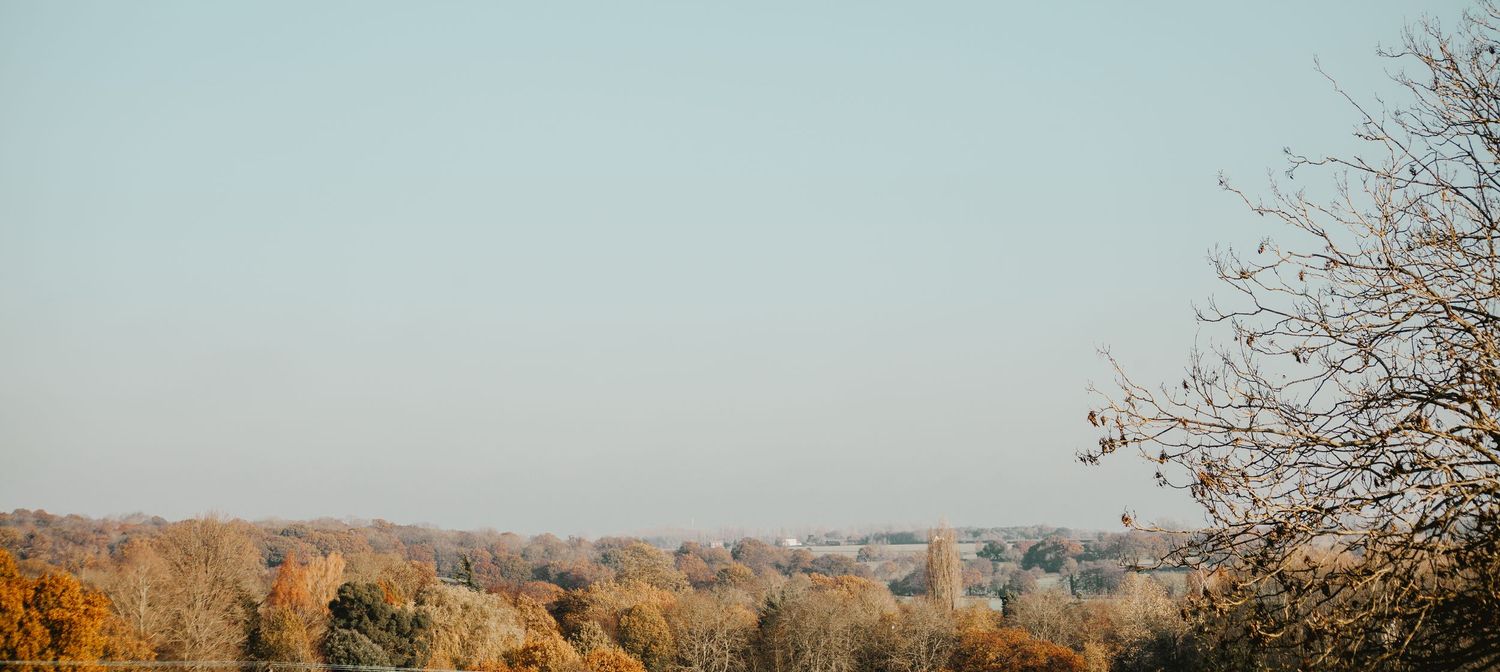
The trees are bare, the beaches are quieter and the sky can feel enormous over the coast.
It can be cold, wet and windy. But that's also when Suffolk can feel at its most atmospheric.
A winter elopement isn't about trying to recreate a summer wedding in colder clothes. It's about leaning into the season.
Go for a walk on the beach wrapped up in everything you've got.
Find somewhere to warm up. Have a long lunch. Spend the afternoon beside an open fire. Come back to your cottage, put the kettle on and get the woodburner going.
Maybe go back outside after dark.
Maybe don't.
Winter gives you permission to make the indoor parts of the day just as important as the outdoor ones.
And there is something pretty special about getting married somewhere beautiful when you know the rest of the world has mostly gone home for the season.
Suffolk Landscapes.
Coast, heathland, woodland, farmland and wide open skies
Suffolk's landscape changes gradually. There are no mountains or dramatic changes in elevation. Instead, the character comes from the contrast between different lowland landscapes, from the coast and marshes in the east to the forests and heathlands of the Brecks, with farmland, river valleys and old villages filling the spaces between.
Suffolk has a particularly varied landscape, including its heritage coastline, the historic wool towns, the Brecks, ancient woodland and the river valleys that run through the county.
The Suffolk coast
The coast is probably the landscape most people picture first. Around Aldeburgh, Thorpeness, Southwold, Dunwich and Covehithe, it shifts between shingle, sand, dunes, heath, marsh and woodland, with each stretch having a slightly different character.
Aldeburgh has the sea right against the town, while further north the landscape around Dunwich and Covehithe becomes quieter and more exposed. Around Southwold and Walberswick, the coast becomes part of a wider landscape of dunes, marsh and heath.
That variety is useful when you're thinking about an elopement. You don't necessarily need a ceremony with a sea view and nothing else. The coast can be part of a bigger day, something you reach later, somewhere you disappear to after the ceremony, or simply the place you decide to spend an evening because the light is too good to go home.
There is something particularly good about the Suffolk coast at the end of the day, when the beach has emptied out and the landscape becomes less about what is around you and more about the sky.
Heathland
The heathland around the Suffolk coast gives the county another side entirely. The Sandlings, stretching through areas around Rendlesham, Tunstall and the Suffolk coast, are shaped by sandy soils, heather, gorse, grassland and woodland. It is an open landscape, but not an empty one.
There are tracks disappearing between trees, clearings opening unexpectedly and stretches where the horizon feels much further away than you expected.
For couples who don't necessarily want a beach wedding, this can be a really interesting alternative. It has the same sense of space, but feels more tucked away. You could spend part of an elopement here without needing to turn it into a full day's hike.
The landscape works just as well for a quiet wander between the important parts of the day, somewhere to sit together for a while, or a place to escape with your photographer when you want a bit of time away from everyone else.
And in late summer, when the heather comes into colour, it becomes something completely different again.
Rivers and estuaries
Water runs through much of Suffolk's landscape. The Stour, Deben, Alde, Blyth and Waveney all create their own valleys, marshes and estuaries, and the landscape around them can feel very different from the open coast.
The River Deben, for example, becomes a broad estuary around Woodbridge, while the Alde and Blyth create some of the distinctive wetland landscapes along the Suffolk coast. These aren't necessarily landscapes you go to for a single dramatic view.
They're about atmosphere.
Reedbeds moving in the wind. Boats sitting on the tide. Mudflats appearing as the water falls away. A church tower or line of trees across the water. They can also give an elopement a completely different rhythm.
A river can become somewhere to stop rather than somewhere to pass through. On a warm summer day, it might be as simple as sitting beside the water for an hour, watching the tide and having nowhere else you need to be.
Woodland
Suffolk has plenty of woodland woven through its other landscapes, particularly around the coast and in the Brecks.
Rendlesham Forest and Tunstall Forest are part of that eastern landscape, while further west the much larger forests of Thetford Forest and the wider Brecks create a very different setting.
Woodland changes the feeling of a day. The light is softer. The weather matters slightly less. You can be completely immersed in the trees for a while, then emerge somewhere open again.
That makes it particularly good for weddings where you don't want every photograph to feel like the same landscape.
A ceremony beneath the trees can feel intimate without needing to be indoors, while the surrounding countryside gives you somewhere to explore afterwards.
It also gives you a different kind of atmosphere in photographs. There is something about old trees, uneven ground and light coming through the canopy that feels very different from standing on an open beach.
The Brecks
Further west, Suffolk starts to feel much more expansive. The Brecks, shared with Norfolk, is a distinctive landscape of sandy soils, heathland and large areas of forest.
Around Thetford Forest and Kings Forest, the scale changes again and the countryside can feel surprisingly remote for somewhere in the east of England.
This is a landscape worth considering if the coast isn't really your thing.
It has its own kind of drama, but it is quieter and more understated. The open heath can feel almost otherworldly in the right light, while the forest gives you miles of woodland to explore.
For an elopement, it lends itself to a day that feels properly removed from normal life.
Not necessarily because you have travelled somewhere impossibly remote, but because once you're out among the trees and heath, the usual noise of everyday life seems a long way away.
The Dedham Vale and Stour Valley
At the western edge of Suffolk, the landscape becomes softer again.
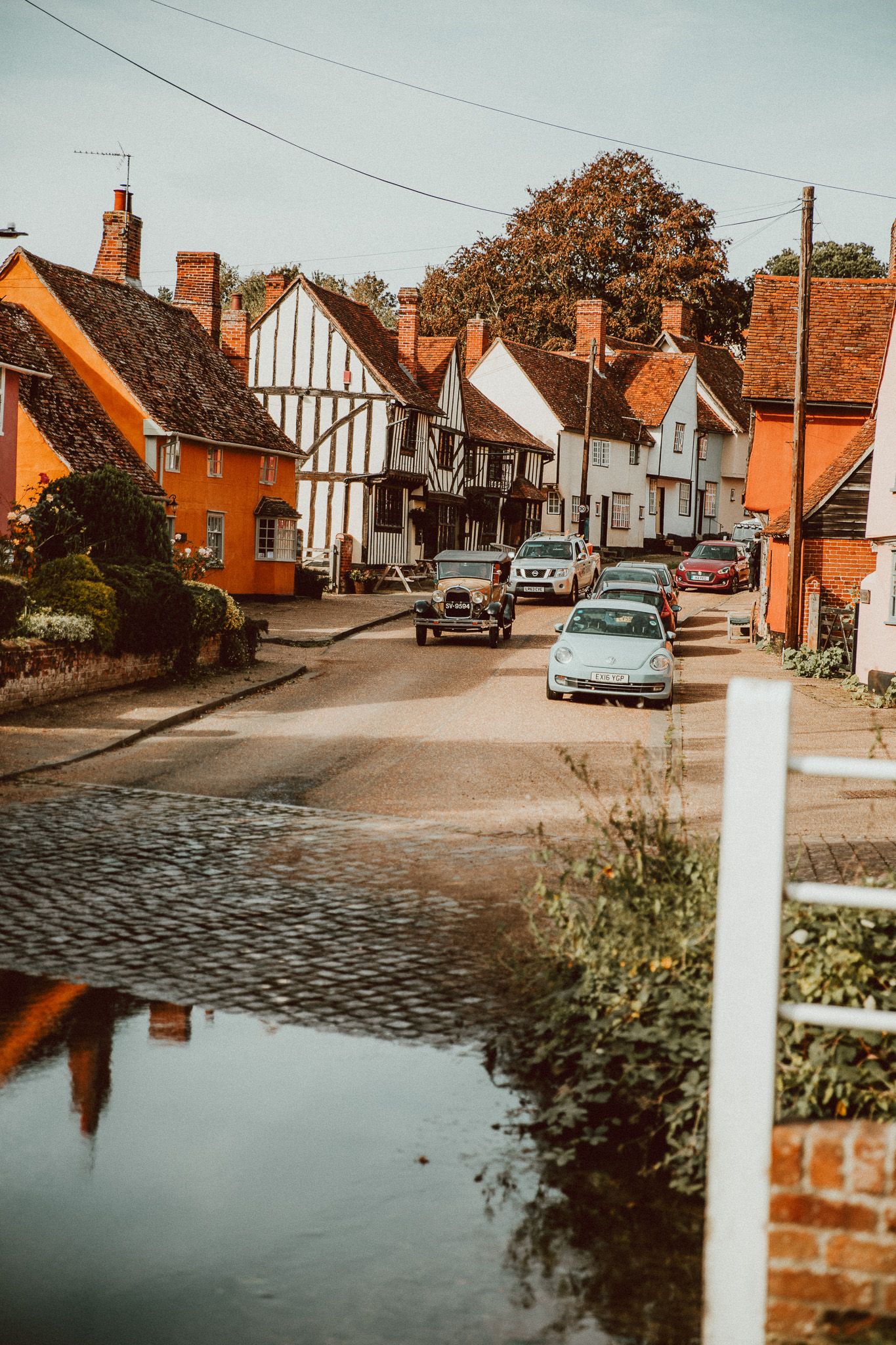
The Dedham Vale National Landscape, around the River Stour, is a mixture of rolling farmland, meadows, woodland and historic villages. This is the countryside associated with Constable Country, but its appeal goes beyond the famous views. It is a landscape of smaller details. Old lanes. Meadows and Villages tucked into the valley.
For a wedding, that creates a very different possibility from the coast or heath. The landscape feels more pastoral, with plenty of places where the countryside and the villages naturally become part of the same experience. It is particularly suited to couples who want the feeling of being in the countryside without needing their day to revolve around a big outdoor adventure.
Suffolk gives you more than one landscape
That's probably the most useful thing to know when you're planning a wedding here. You don't have to choose between coast, countryside, woodland or heath as though you are selecting a backdrop.
They can all become part of the same few days.
The landscape around Suffolk works particularly well when you give yourself permission not to over-plan it. Choose somewhere that feels right, find somewhere good to stay, and leave enough room for the day to take you somewhere unexpected.
Maybe the coast becomes the highlight. Maybe it is the woods. Maybe it is an old village you had never heard of before. Maybe it is the view from the pub garden while you're waiting for dinner.
That's the beauty of Suffolk. The best landscape for your wedding might not be the one you came looking for.
Farmland and the spaces between
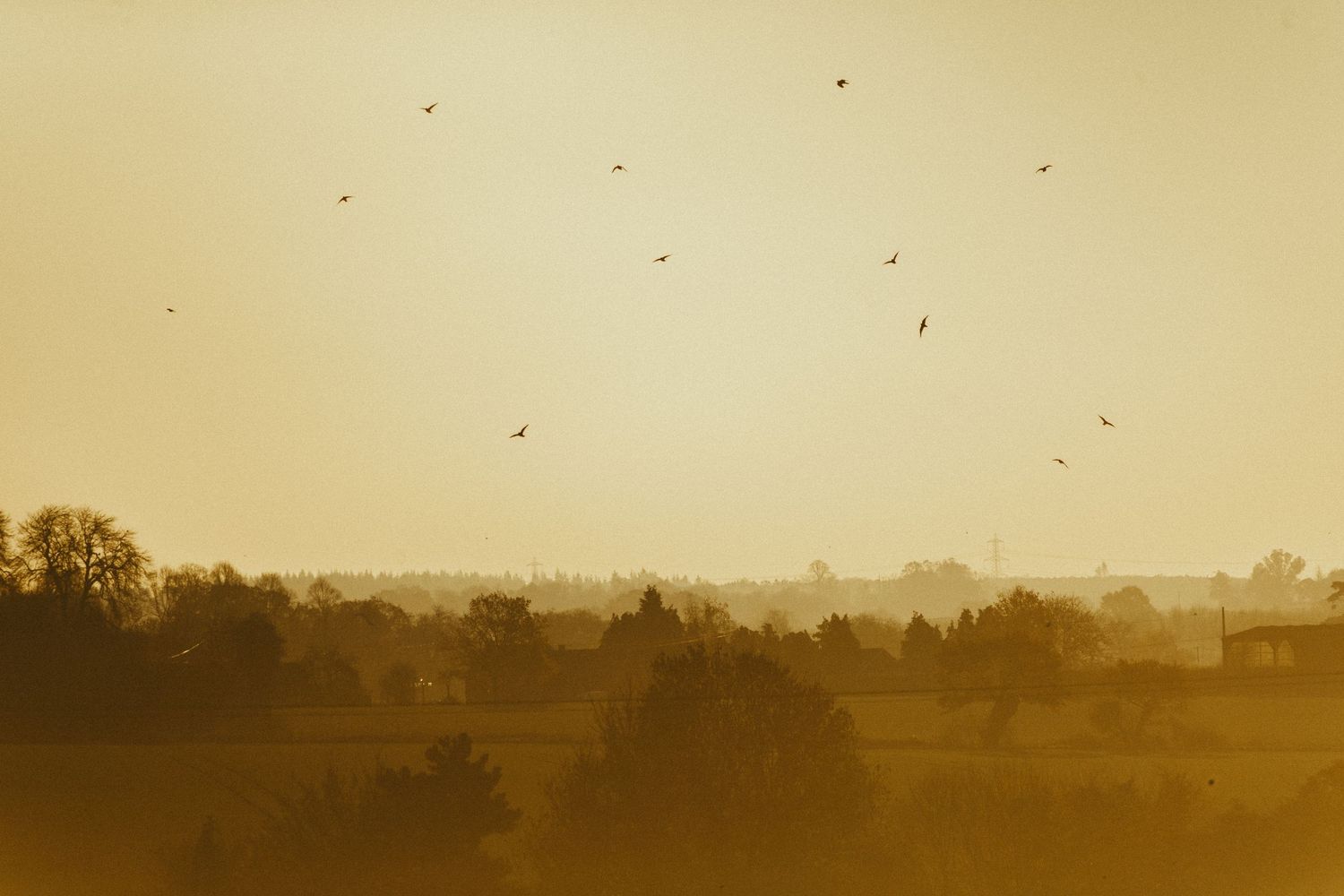
Then there is the Suffolk you encounter simply by driving through it. Large fields, farm tracks, hedgerows, ancient Saxon churches, isolated cottages and villages appear throughout the county. It isn't always the landscape that makes the guidebook, but that doesn't make it any less interesting.
In fact, some of the most useful wedding locations can come from these less obvious landscapes. A quiet lane near where you're staying. A field at the edge of a village. A footpath connecting two places you hadn't realised were connected. You don't need every location to have a name.
Sometimes it is enough that you found it.
Planning a Suffolk Wedding
A Suffolk wedding doesn't have to mean choosing a venue, filling the day with timings and then trying to squeeze some time outside around everything else. If you're drawn to an elopement or a smaller wedding, there is an opportunity to do things differently. Choose somewhere you actually want to stay for a few days. Find a landscape you want to explore. Give yourselves enough time to have a proper breakfast, wander somewhere beautiful, get married, disappear for a while and come back when you're ready. The less you have to rush between things, the more Suffolk you get to experience.
Start with how you want the day to feel
Before looking at venues, think about what you'd actually like to do. Do you want to wake up near the coast and have the sea within walking distance? Would you rather have a little cottage somewhere in the countryside with a fire going? Are you happiest wandering through woodland, exploring old villages or sitting beside a river with a drink?
Those answers can tell you more about the right location than a list of venue features. If the idea of spending your wedding day outside appeals to you, look for somewhere that makes that easy. A ceremony location with woodland or countryside around it gives you somewhere to go afterwards without getting straight back in the car.
Likewise, if the pub, dinner and fire are as important to you as the ceremony itself, staying somewhere with good places nearby can completely change the rhythm of the day. The wedding is only one part of the trip.
Think about staying for a few days
One of the biggest advantages of a Suffolk elopement is that you don't necessarily have to treat it as a one-day event. Stay for a long weekend. Bring the dog. Invite a handful of your favourite people. Find an old cottage, farmhouse, shepherd's hut or somewhere slightly tucked away and make a base for yourselves.
That gives you the freedom to explore before and after the ceremony rather than trying to fit everything into one afternoon.
You might discover your favourite beach the day before you get married. You might find the pub you'll end up talking about for years. You might decide that the walk you originally planned for the wedding day is actually much better at sunrise.
None of that is wasted time.
It's the trip.
Think beyond the ceremony
Once the ceremony is over, what do you actually want to do? This is where smaller weddings can become much more interesting.
You could head towards the coast, spend some time around the heathland, explore one of the county's villages or simply find somewhere beautiful to sit together.
If you're staying near the water, perhaps the afternoon becomes about the river or coast. If you're in the countryside, you might make a proper afternoon of exploring the surrounding footpaths.
You could even make food part of the adventure. A long lunch somewhere local. Fish and chips by the sea. A picnic somewhere with a view. Dinner around a big table at your accommodation.
There is no requirement for the wedding breakfast to happen immediately after the ceremony.
Give yourselves room in the timeline
If there is one thing we'd encourage, it is leaving gaps.
Not empty time that needs filling.
Actual space.
The sort of afternoon where nobody is quite sure what happens next.
A wedding day can be surprisingly good when you don't have to keep checking the clock.
If you want to spend an hour walking somewhere, allow an hour and a half. If you think you'll have lunch in an hour, don't book something immediately afterwards. If you find somewhere you love, stay.
That little bit of breathing room is where the unexpected parts of the day tend to happen.
The weather changes. Someone suggests going somewhere else. You find a viewpoint. You stop for a drink. The light becomes ridiculous and nobody wants to leave.
Those moments are difficult to manufacture if every minute is already spoken for.
Outdoor ceremonies need a little flexibility
Suffolk has plenty of possibilities for outdoor weddings, including licensed outdoor ceremony locations, but the weather still gets a vote.
That doesn't mean you need to plan around perfect sunshine. It means having a plan that still works if the forecast changes. A beautiful indoor alternative can be just as much part of the experience. A barn, old house, woodland lodge or pub with somewhere warm to gather can make a rainy afternoon feel like exactly what you hoped for.
The important thing is not pretending the weather won't happen. Build the day so it doesn't matter quite so much when it does.
Bring the people who make sense
Eloping doesn't necessarily mean just the two of you. It can be your closest people too. A handful of friends around a table. Your parents. Your siblings. The dog who has somehow become one of the most important members of the family.
Suffolk works well for that kind of gathering because you can spend time together without needing a huge formal venue to keep everyone entertained. Rent somewhere with enough space to cook, eat and hang out.
Give everyone somewhere comfortable to sleep. Then spend the days doing things rather than sitting around waiting for the next wedding activity. That can feel much more like a shared holiday than a traditional wedding.
And sometimes that's exactly what people are looking for.
Don't underestimate the evening
The last few hours of the day deserve some thought too. In summer, you might still have light well into the evening and be able to head back outside after dinner.
In autumn and winter, the appeal is different.
Find somewhere with a fire. Get the drinks out.
Put some music on. Let everyone settle around the table. If you've spent the afternoon outside, there is something particularly good about coming back somewhere warm and comfortable afterwards.
You don't need another activity. You don't need another photograph. Just give yourselves somewhere good to be.
Make the logistics work for you
Suffolk is relatively easy to explore compared with more mountainous parts of the UK, but it is still worth thinking about how your day actually fits together.
If you're planning to move between your accommodation, ceremony location and somewhere further afield, allow more time than Google Maps suggests. Country lanes, seasonal traffic and coastal parking can all slow things down.
For smaller weddings, it can be worth choosing one area and getting to know it rather than trying to cover the whole county.
The coast around Aldeburgh and Southwold gives you a completely different experience from the Brecks or Dedham Vale. You don't need all of Suffolk.
You just need the bit that feels like yours.
Think about what happens after the photographs
This is something we think couples sometimes overlook. If you've got a beautiful location, it's easy to think about where you'll stand for the ceremony and where you'll take photographs afterwards.
But what happens when we're finished taking photographs?
Where do you actually want to be?
Maybe there's a pub nearby where everyone can sit down together. Maybe there's a beach you can walk along afterwards. Maybe your accommodation has a garden where you can spend the evening. Maybe there is a river, woodland or village within easy reach.
Those details can make the difference between a collection of nice locations and a genuinely good day.
Because once the important bits are over, you don't want to find yourselves wondering what you're supposed to do next. You want somewhere to go. Somewhere to eat. Somewhere to sit. Somewhere to watch the evening disappear.
And preferably somewhere that doesn't mind if you arrive slightly windswept and still have half the day's grass stuck to your clothes.
Leave some room for the unplanned bits
This might be the most important planning advice of all. Don't plan the personality out of the day.
Leave space to change your mind.
If you find a better path, take it.
If the weather turns beautiful, stay outside. If the pub is too good to leave, order another drink.
If you find a river and it's a hot day, take your shoes off.
If everyone ends up around the fire talking until midnight, let them.
The best elopements aren't necessarily the ones where everything went exactly according to plan.
They're the ones where the plan gave you enough freedom for something better to happen.
Plan enough to make the day work. Leave enough space for it to become yours.
Choose your base carefully
Where you stay can have a surprisingly big effect on the wedding itself.
If you're drawn to the coast, staying somewhere within easy reach of the sea means you can wander down there before breakfast, disappear for an hour after dinner or head out again when the evening light looks too good to ignore.
Further inland, a cottage surrounded by countryside gives you a different sort of freedom. You can wake up somewhere quiet, make coffee, open the door to the morning and have the landscape right there rather than having to get in the car every time you want to go somewhere.
For a smaller wedding, that can become part of the experience.
Everyone staying under one roof. Breakfast that takes far too long. Someone cooking dinner while everyone else is opening wine. A dog asleep in front of the fire. Wedding clothes hanging up in a bedroom next to a pair of walking boots.
It starts to feel less like you've hired somewhere for a wedding and more like you've borrowed a little corner of Suffolk for yourselves.
That is worth considering when you're looking at venues.
Places worth getting out of the car for.
One of the best things you can do with a Suffolk wedding or elopement is leave some time to walk.
Not because you need to turn the day into a hiking expedition, but because walking changes the pace of everything. You stop checking the time. You notice things you'd have driven straight past. You find little corners of the landscape that don't exist from the road. And Suffolk is particularly good for it. The county has coastal paths, heathland trails, woodland tracks, river walks and old country lanes, so you can choose something that suits the day rather than trying to force yourselves into a particular kind of adventure.
The coast around Dunwich and Westleton
The landscape around Dunwich and Westleton is a particularly good place to combine woodland, heath and coast.
You can move through Dunwich Heath, head towards the sea and spend time around the beach before looping back through the surrounding landscape.
It has that useful combination of open space and shelter. If the wind is hammering the coast, you can disappear back into the trees. If the weather clears, head towards the beach again.
For an elopement, that gives you a route with enough variety to feel like you've actually gone somewhere, without needing to spend the entire day walking.
And there are plenty of reasons to stop.
A patch of heath in flower. A break in the trees. A view towards the sea. Somewhere to sit and drink the coffee you brought with you. You don't need to photograph every step. Sometimes the walk itself is the point.
The paths around Aldeburgh and Thorpeness
Around Aldeburgh and Thorpeness, you can combine the coast with the countryside and quieter inland paths. This works particularly well if you want a wedding day that moves between places rather than staying at one venue.
You might start around the town, head towards the coast and then follow quieter paths away from the seafront. There are plenty of opportunities to make a walk part of the afternoon rather than treating it as a separate activity.
Maybe you find somewhere to sit overlooking the water. Maybe you end up walking further than you intended because the evening light has arrived and nobody wants to turn around. That's exactly the kind of thing we'd leave room for.
The Dedham Vale
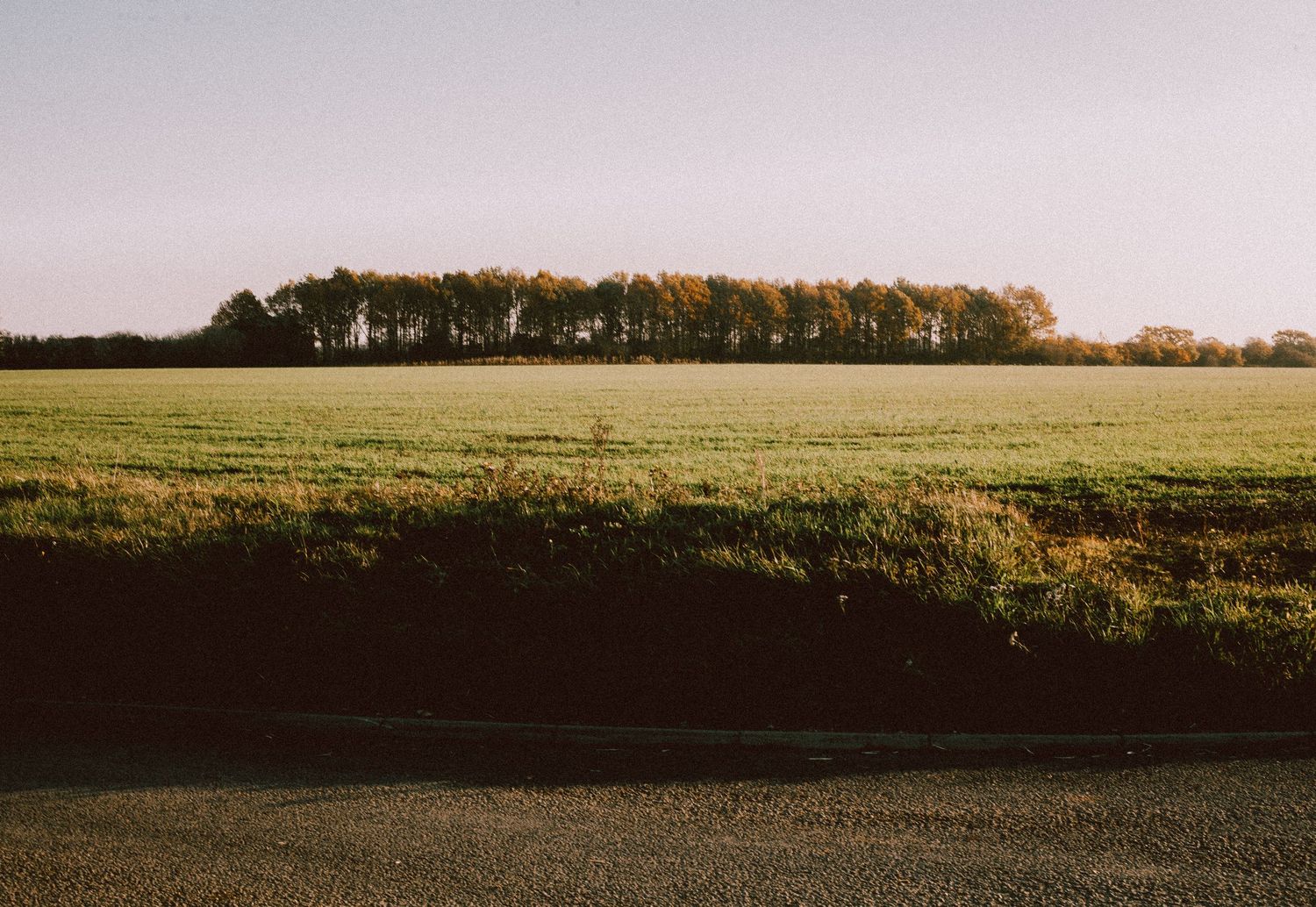
Further west, the Dedham Vale offers some of Suffolk's softer walking country.
The landscape around the River Stour moves through water meadows, farmland, woodland and historic villages, with footpaths connecting many of these places.
This is a good option if you want a countryside walk without the more exposed feeling of the coast.
You can make a route part of a larger day, perhaps beginning around one of the villages before heading out into the countryside.
The beauty here is in the details rather than the drama. Old trees.
Footbridges. Water meadows.
Riverbanks. A round-tower church appearing between the fields.
It feels like somewhere you could happily spend an afternoon without needing a particular reason to be there.
Rendlesham and Tunstall Forest
If woodland is more your thing, Rendlesham Forest and Tunstall Forest offer a completely different experience.
The sandy ground and pine trees give these walks a different feel from the wetter woodland you find elsewhere in the country. The paths can open suddenly into clearings and heathland, giving you a mixture of enclosed and open landscapes without having to travel between them.
This can work particularly well for couples who don't necessarily want their photographs to revolve around a beach.
There is something lovely about disappearing into the trees for an hour or two, particularly if you've spent the morning around other people.
It gives you somewhere to slow down. Somewhere to talk. Somewhere to get away from the noise for a while.
The River Deben
For something gentler, the landscape around the River Deben gives you a completely different sort of walk.
Around Woodbridge and the surrounding countryside, the river opens into a wide estuary, with marshes, boats, mudflats and huge skies. It's not about reaching a particular destination. It's about the changing landscape around you.
The tide comes in and out. Boats move across the water. The light changes. The landscape can feel completely different a few hours apart.
On a warm day, this is also the sort of place where you might decide that sitting beside the water is more appealing than continuing the walk.
That's allowed.
A wedding day doesn't need to be a test of endurance.
Make the walk part of the story
The best walking route for your wedding isn't necessarily the longest or the most spectacular.
It's the one that gives you somewhere to go together.
Maybe it's twenty minutes down a coastal path before your ceremony.
Maybe it's an hour through the woods afterwards.
Maybe it's the route from your cottage to the pub where you're having dinner.
Or maybe it's a proper afternoon wandering through somewhere you've never been before.
Give yourselves the time to do it.
Take the wrong turn occasionally.
Stop when you want to stop.
And if you eventually find yourselves sitting somewhere with a view, a drink in your hand and no idea what time it is, you've probably got the day about right.
The Brecks
If you want something that feels a little more removed, head towards the Brecks.
The landscape around Thetford Forest and Kings Forest gives you miles of woodland and heathland to explore, with a very different character from the Suffolk coast.
There are longer routes here if you want to make walking a genuine part of the day, but you don't need to.
Choose a shorter loop. Find somewhere quiet. Take a picnic.
Let the landscape do the rest.
For an elopement, this can be particularly good if you want photographs that feel less obviously coastal or rural-village and more immersed in woodland and open heath.
You don't have to follow a famous route
This is worth saying.
Not every walk needs to be an official trail with a name, a car park and a sign telling you how many miles you've got left.
Some of the best walks can simply connect the places you're already visiting.
Walk from where you're staying into the village. Follow a footpath out towards the fields. Take the longer route back from the pub. Explore the paths around your accommodation.
If you're working with a photographer who knows the area, like us at wildkin, you can also build some of this into the photography itself, rather than stopping for a separate "photo walk".
The photographs happen while you're actually moving through the landscape.
Quieter places in Suffolk
The bits of Suffolk you might otherwise drive past
Some of the best places for an elopement aren't the ones that appear at the top of a list.
They're the places you find because you took a different road, followed a footpath out of the village or decided you weren't quite ready to head back yet. Suffolk has plenty of those. The county's more famous places are worth knowing, but they aren't the only places that can make a wedding day feel special. Sometimes a quieter stretch of heath, an old woodland track or a forgotten bit of coastline gives you much more space to yourselves.
And for an elopement, that can be worth a lot.
Away from the busiest parts of the coast
The Suffolk coast is popular for good reason, particularly in summer. But you don't always need the obvious beach.
The landscape around Dunwich, Covehithe and the quieter stretches of the Suffolk Coast and Heaths gives you opportunities to move away from the busiest parts of the coastline and find something that feels a little more removed.
It might only be a few minutes from somewhere everyone else is visiting. That's enough.
A quieter section of beach can completely change the feeling of an afternoon. Suddenly there is no need to think about who is walking through the background or whether you can hear the next conversation along the beach.
You can just be there.
For a small wedding, that privacy can be more valuable than having the most recognisable view in Suffolk.
Heathland away from the obvious viewpoints
The heath is another landscape where you don't necessarily need to find the place. The Sandlings have plenty of paths and open areas where the landscape starts to feel much bigger than the number of people actually using it.
There is something particularly good about heathland for photographs because it doesn't demand much from you. You can sit together.
Walk for a while. Stop beneath the trees.
Find somewhere to watch the light change.
It feels less like you've arrived at a designated viewpoint and more like you've simply found somewhere that belongs to the day.
That's a useful distinction.
Look beyond the famous villages
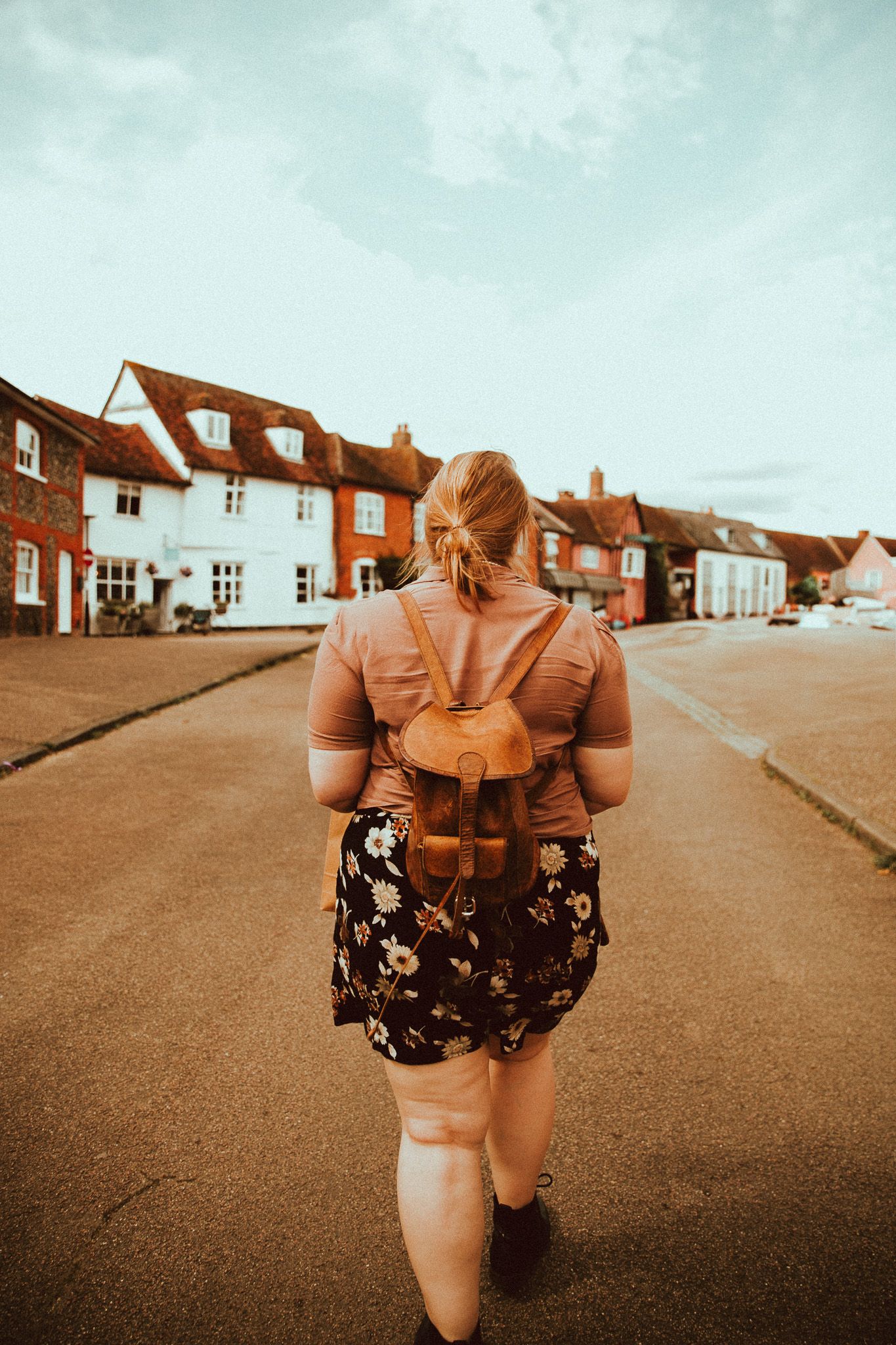
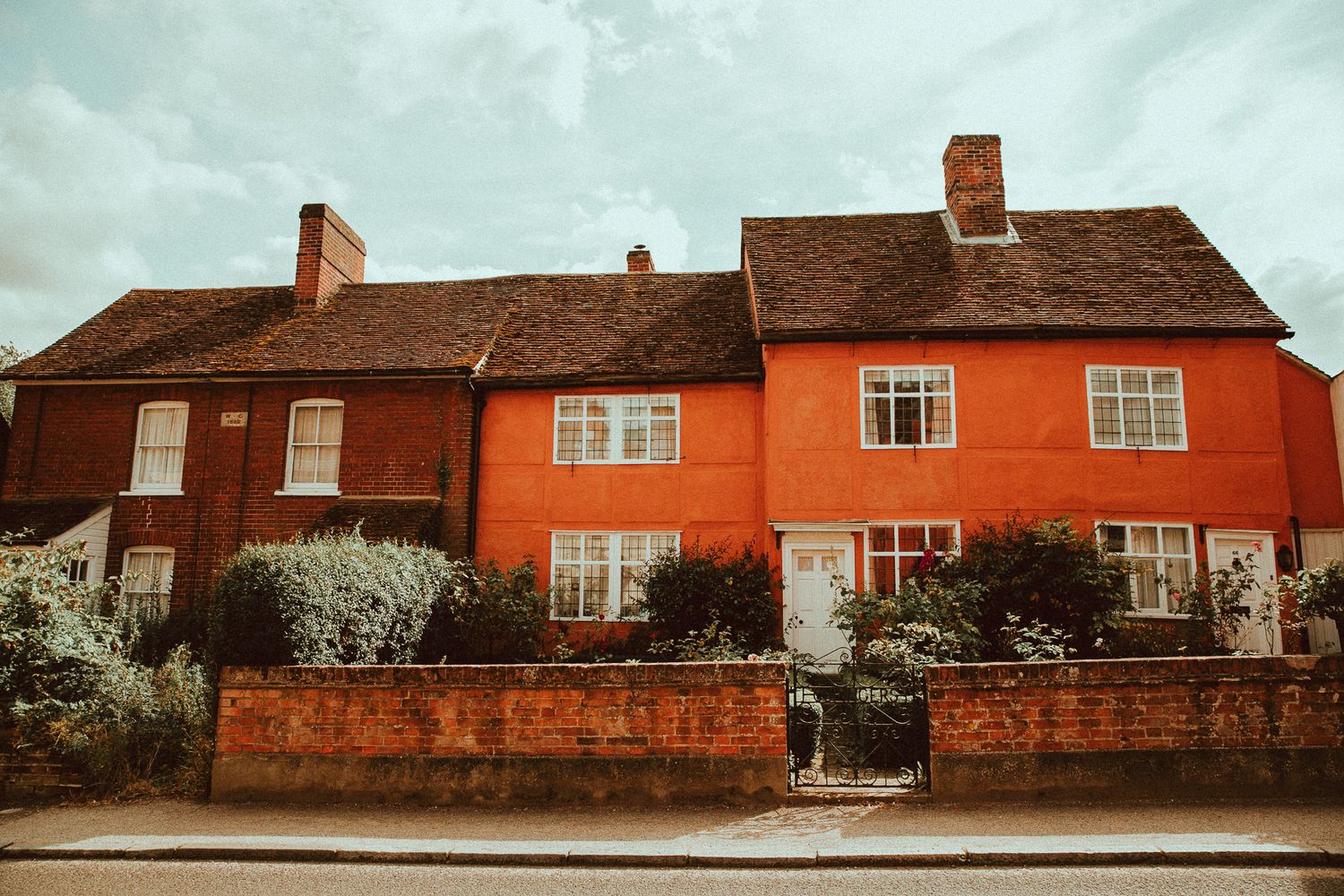
The same applies to Suffolk's villages. Lavenham and Long Melford are beautiful, but there is no reason your day has to revolve around the best-known places.
Some of the smaller villages and hamlets can give you a much quieter experience, particularly when you are already staying nearby.
An old church. A village green.
A country lane. A pub with a few tables outside. A footpath leading away from the houses.
Sometimes that is enough to create a whole section of the day.
And if you find somewhere you really like, you don't have to immediately move on to the next attraction.
Stay. Have lunch. Come back later.
Let it become part of the story.
Woodland has its own kind of privacy
Suffolk's forests and smaller woodlands can offer another escape, particularly when the coast is busy.
Around Rendlesham, Tunstall and the wider Brecks, there are huge areas where you can get properly surrounded by trees.
The further you go, the less the outside world matters.
That can be particularly useful during a wedding day when you've spent a lot of time with other people.
Even if you're only away for an hour, having somewhere to disappear together can give the day a completely different rhythm.
You don't need to make it a big photographic moment.
Sometimes the photographs are better when you're simply walking and talking.
The rivers are easy to overlook
Suffolk's rivers don't always get the same attention as its beaches, but they can be some of the most peaceful places to spend time.
The Deben, Alde, Blyth and Waveney all create landscapes of marsh, woodland, farmland and open water, with plenty of quieter stretches away from the more obvious destinations.
The river can become a place to stop rather than somewhere you need to explore.
On a warm afternoon, sitting beside the water for a while can be exactly what the day needs. You could bring a picnic, take your shoes off and let your feet cool in the water, or simply sit beneath the trees and watch the tide move.
It doesn't need to be spectacular.
It just needs to feel like somewhere you'd be happy to spend an hour together.
Let the day take you somewhere unexpected
There is something to be said for not deciding every part of the day before you arrive.
You might have chosen the ceremony location and booked somewhere to stay, but the rest can stay a little loose. Take a road because it looks interesting. Stop at a farm shop. Find a little café. Follow a footpath you've never noticed before. Pull over when the landscape opens up.
Those little discoveries can become part of the wedding without ever needing to be planned as a wedding moment.
Perhaps you find a village pub that becomes your favourite place of the weekend. Perhaps there's an old track behind your accommodation that leads somewhere beautiful. Perhaps you end up sitting on a sea wall watching the last light when you were supposed to be getting ready for dinner.
That's the beauty of having a little less certainty. You leave enough room for Suffolk to surprise you.
Quieter doesn't have to mean secret
There is also a difference between finding somewhere quieter and trying to find somewhere nobody knows about.
We wouldn't want to turn beautiful places into a treasure hunt for secret spots.
Some locations are popular because they're genuinely worth visiting.
The trick is often simply choosing the right time, taking a less obvious route or giving yourself enough time to move beyond the busiest part.
Early mornings can completely change a place. So can late afternoons. And sometimes the weather does the job for you.
A grey Tuesday in November can give you a completely different Suffolk from a Saturday in August.
Find somewhere that feels like yours
Ultimately, the quieter places matter because they give you room.
Room to breathe. Room to wander without feeling like you're performing for everyone around you.
For an elopement, that can be more important than finding the most famous view.
You might remember the big landscape, but you may also remember the little stretch of woodland where you stopped for half an hour, the bench overlooking the river, or the quiet road where you decided to take the long way back.
Those places don't need to become famous. They just need to become yours.
And that's often what we're looking for when we're photographing a wedding somewhere like Suffolk, not the place everyone else has already photographed, but the places that give the two of you a little more space to actually have the day.
Can you legally get married outdoors in Suffolk?
Yes, but the exact rules depend on the ceremony and location. Suffolk has approved outdoor ceremony locations where legal civil ceremonies can take place, including settings such as woodlands, meadows and beaches. It is important to check that your chosen location is licensed for the type of ceremony you want before making plans.
Where are the best places for a Suffolk elopement?
It depends on what you want from the day. The Suffolk coast works brilliantly if you want beaches, sea air and big open skies, while the Sandlings and Brecks offer heathland and woodland. The Dedham Vale and Stour Valley give you softer countryside, rivers and villages.
Rather than looking for one universally "best" location, think about what you actually want to do after you get married.
Can we have an elopement on the Suffolk coast?
You can have an outdoor civil ceremony at an approved and licensed location, but you cannot simply choose any beach or stretch of coastline and assume you can legally marry there.
For the rest of the day, however, the coast can become part of the experience. Walk along the beach, explore the dunes, head into the heath or find somewhere for dinner afterwards.
Can we have a woodland wedding in Suffolk?
Yes. Suffolk has woodland and forest landscapes across the county, including around Rendlesham, Tunstall and the Brecks. There are also approved outdoor ceremony settings where woodland ceremonies can take place.
For an elopement, woodland can work particularly well because the ceremony, photographs and time together can all happen within the same wider landscape.
Can we bring our dog to a Suffolk elopement?
Often, yes, although it depends on your ceremony venue and accommodation. Suffolk's official wedding service specifically recognises pets as something couples may want to include in their ceremony, but individual venues will have their own rules.
If your dog is coming, we'd plan the day around them rather than simply adding them to the ceremony for ten minutes. Find somewhere where they can actually enjoy being part of the weekend.
What time of year is best for a Suffolk elopement?
There isn't one answer.
Summer gives you longer evenings and better opportunities for time outside, while autumn brings quieter beaches, changing woodland and cosy evenings. Winter can make the coast feel wonderfully empty and gives you a good excuse for fires and long pub lunches. Spring brings longer days and a countryside beginning to wake up again.
The better question is what sort of day do you want?
Can we have a small wedding rather than just an elopement?
Absolutely. Suffolk works just as well for a small wedding with your closest people as it does for two-person elopements.
A handful of guests can stay together, eat together and explore the area together, without the whole day needing to revolve around a large wedding venue.
Are there places to stay that suit an adventurous elopement?
Yes, and where you stay can become an important part of the experience.
Look for cottages, rural accommodation, woodland stays or coastal properties where you can spend more than just the night. Somewhere with outdoor space, a good kitchen, a fire or easy access to walking can give the whole trip a very different feeling.
The accommodation doesn't just need to sleep you.
It can become part of the story.
Can we include a walk or an adventure in our wedding photography?
Definitely. That's one of the reasons Suffolk works so well.
The walk doesn't need to be a separate "photo shoot". We can build photography around something you'd actually want to do together, whether that's exploring the coast, wandering through woodland, heading across the heath or simply taking the long way between two parts of the day.
The photographs happen while you're experiencing the place.
Do we need to be experienced hikers?
Not at all.
A Suffolk elopement can involve a proper day's walking, but it can just as easily involve a short coastal wander, a village walk or sitting beside the river for an afternoon.
You don't need specialist equipment or a huge level of fitness. The important thing is choosing something that suits you, rather than trying to make your wedding look more adventurous than it actually is.
Can we have an elopement with bad weather?
Absolutely.
In fact, Suffolk can look brilliant when the weather turns. A windswept beach, dark clouds over the sea or rain moving across the heath can completely change the atmosphere of the landscape.
The trick is having somewhere good to retreat to afterwards.
A cottage.
A pub.
A fire.
Somewhere warm with something good to eat.
You don't need perfect weather. You just need a plan that doesn't fall apart when it rains.
How long should we spend in Suffolk for an elopement?
We'd recommend thinking beyond the wedding day itself if you can.
A few days gives you time to explore before the ceremony, discover places you like and avoid trying to cram the entire experience into one day.
You might even find that the best part of the trip happens the day before you get married.
And that's completely fine.
The wedding is part of the adventure, not the whole adventure.
Can we combine the coast and countryside in the same wedding?
Yes. One of the nice things about Suffolk is that you don't necessarily have to choose between them.
You could stay near the coast and head inland for part of the day, or base yourselves around the countryside and make time for the sea. The important thing is not trying to cover half the county in a single afternoon. Pick an area that gives you a few different landscapes within easy reach and let the day move naturally between them.
Are there quiet places for an intimate wedding in Suffolk?
There are plenty of quieter landscapes across Suffolk, from heathland and woodland to river valleys, smaller villages and less busy stretches of coast.
For a smaller wedding or elopement, the appeal is often less about finding somewhere completely undiscovered and more about choosing the right place and timing. A familiar landscape can feel completely different when you have it largely to yourselves.
Can we stay somewhere rural for our Suffolk wedding?
Yes. Rural cottages, countryside accommodation and properties around the coast can work particularly well for smaller weddings and elopements.
Where you stay can become part of the experience rather than simply somewhere to sleep. Having somewhere to cook breakfast, sit outside, spend the evening together and come back to after exploring gives the whole trip a bit more shape.
Can our wedding photography include the places around where we're staying?
Absolutely. In fact, it can make much more sense than travelling somewhere purely because it looks good in photographs.
If you're staying near a woodland, walk there. If there's a beach nearby, go down to the sea. If you're staying in a village, wander through it and find somewhere for a drink. The photographs can happen alongside the things you were already going to do, rather than turning them into a separate photo session.
Is Suffolk suitable for a wedding with children?
Yes. The smaller scale of many Suffolk locations can work well for families, particularly if you choose somewhere with plenty of outdoor space and accommodation nearby.
You can build the day around things everyone can enjoy, with walks, beaches, villages, gardens and places to eat all becoming part of the experience. For an intimate wedding, having somewhere comfortable to return to afterwards can be just as important as the ceremony location itself.
What should we look for when choosing a Suffolk wedding location?
Think beyond how the ceremony space looks.
Consider what you want to do when the ceremony is over, where you'll eat, where you'll stay, whether you can walk straight into the landscape and how much time you want to spend travelling between places. A location that gives you somewhere to explore, somewhere to sit and somewhere good to eat afterwards can create a much more enjoyable wedding day than somewhere that simply photographs well.
More Notes
Suffolk has a lot of different ways into it. You might start with the coast, a particular village, somewhere to stay, or simply the idea of getting married somewhere with a little more space around you.
You might enjoy exploring:
- Aldeburgh, Southwold, Dunwich or Covehithe? Choosing your Suffolk coast
- The Sandlings: heathland, pine woods and quieter Suffolk
- Rendlesham and Tunstall: exploring Suffolk's woodland landscapes
- The Brecks: a different kind of Suffolk wedding landscape
- Walking the Suffolk coast as part of your wedding day
- The River Deben and the landscapes around Woodbridge
- Dedham Vale and the Stour Valley for a Suffolk wedding
- Suffolk villages worth slowing down for
- How to choose a Suffolk wedding location
- Where to stay for a Suffolk elopement
- Planning a wedding around the Suffolk coast
- A weekend wedding in Suffolk, rather than just a wedding day
- Choosing between coast, heathland, woodland and countryside
- The best Suffolk landscapes for an intimate wedding
- What to do after your Suffolk wedding ceremony
- Finding quieter places for an elopement in Suffolk
- How to build a wedding day around a Suffolk walk
- When to get married in Suffolk, spring, summer, autumn or winter
- Outdoor wedding ceremonies in Suffolk, what to think about
- Suffolk wedding photography shaped by the landscape
Continue exploring
If Suffolk has given you a taste for open skies, quiet coastlines and weddings shaped by the places around them, there are a few more corners of the UK worth exploring.
Norfolk
From wide beaches and salt marshes to quiet lanes, woodland and the Broads, discover the landscapes closer to home, with plenty of space for weddings that feel more like a few days away together.
The Peak District
From open moorland and gritstone edges to limestone valleys, rivers and small countryside villages, discover a very different landscape for weddings and elopements shaped by the hills.
The Lake District
From high fells and deep valleys to quiet lakeshores and mountain passes, explore a landscape made for days spent outside, with plenty of places to disappear together.
Devon & Cornwall
From Dartmoor and Bodmin Moor to wild coastlines, old villages and quieter beaches, explore two counties where the landscape can take you from countryside to sea without much warning.
→ Explore Devon & Cornwall