Field Note
An elopement doesn't have to mean running away to another country, getting married in secret or climbing a mountain in your wedding clothes. But for us, an adventure elopement is about something more than simply having fewer guests. A small wedding might mean getting married at a venue with your closest family and friends.
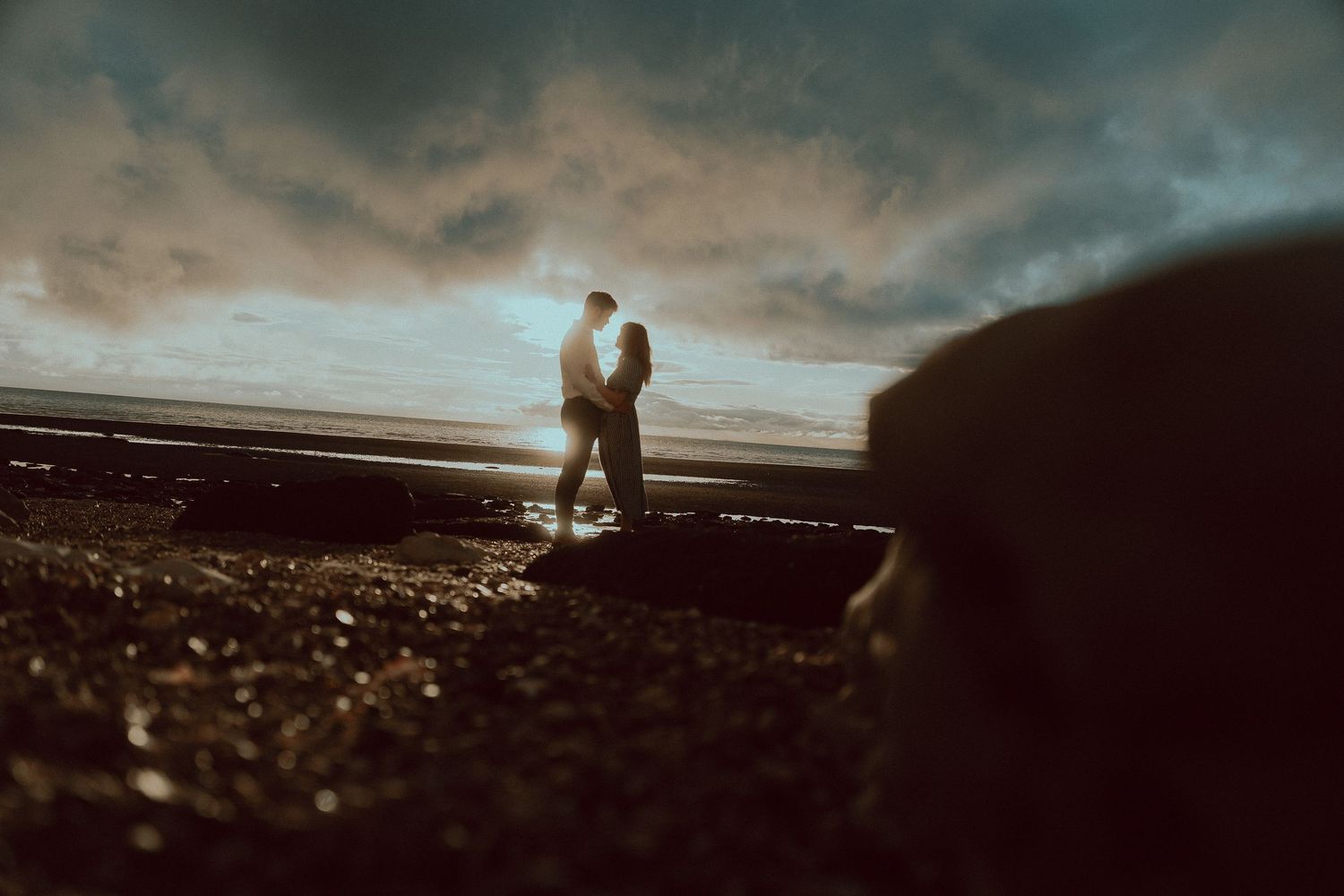
An elopement can be an entirely different experience. Just the two of you, somewhere wild, doing something together that you'll remember for the rest of your lives. Maybe that's a remote beach. Maybe it's a hike through the mountains, a swim in a lake, a walk through woodland or a long afternoon exploring somewhere you've never been. You might bring a handful of people. You might bring nobody except your witnesses and photographer. You might get muddy, caught in the rain, lose the path or find yourselves somewhere you never expected to be. And that might be the whole point.
We're based in Norfolk, where there are some beautiful places to explore, from the coast and saltmarshes to woodland, open countryside and the Norfolk Broads. But an adventure doesn't have to stop at the county boundary. Scotland, Wales, the Lake District and the mountains of Europe all offer different possibilities for couples who want their wedding to become part of a bigger experience. The important thing is deciding what you want your day to be. Because there's no such thing as a proper wedding. There's only the wedding that's right for you.
An elopement isn't just a smaller wedding.
There's a difference between inviting fewer people to a traditional wedding and building your day around an entirely different experience. Both are brilliant. They're simply different. A small wedding might involve a ceremony at a venue, dinner with your closest family and friends, a few drinks and a celebration together.
An adventure elopement might involve getting up before sunrise, driving into the mountains, hiking to a remote location, exchanging personal vows and spending the rest of the day exploring together. One isn't more meaningful than the other. But the second gives you a different kind of freedom. You can move between locations without worrying about transporting dozens of guests. You can spend an hour somewhere because you love it. You can change direction when the weather moves in or keep walking because the landscape ahead looks incredible. You can build the day around something you want to experience together, rather than arranging a series of activities for everyone else. And if you'd rather get married in a pub with four people, have a lovely meal and go home afterwards, that's absolutely fine too. I love the more adventurous side of elopements, the wild landscapes, unpredictable weather and opportunities to create something visually different. But I don't think every couple needs to climb a mountain to justify calling their day an elopement. The adventure is whatever the two of you want it to be.
There is no such thing as a 'proper' wedding
One of the biggest misconceptions about elopements is that they're somehow less of a wedding. That they're a compromise. That you haven't done the whole thing properly because you didn't hire a venue, invite 100 guests, walk down an aisle or have a first dance. We don't buy that.
A wedding can be whatever makes you happy, not whatever makes everyone else happy. If you want a huge celebration with all your family and friends, have it. If you want to exchange vows somewhere remote and spend the day together, do that. If you want to get legally married at a registry office, then head somewhere beautiful for a personal ceremony and photographs; that's another option.
You don't need to spend a fortune to prove that your wedding matters. You don't need to entertain a room full of people. And you certainly don't need to follow traditions that don't mean anything to you. We've photographed weddings with hundreds of guests and a four-person wedding, where the couple and their two witnesses made up the entire gathering.
The smaller wedding was sweet and intimate in its own way. The couple told me afterwards that we felt more like guests than their photographers, which is a lovely thing to hear. Neither kind of wedding is inherently better. What matters is whether the experience fits the people having it.
If you want something small, that doesn't mean you have to make it look like a miniature version of a traditional wedding. You can create something entirely your own.
Start with what you want to do
If you came to me wanting to plan an adventure elopement, one of the first things I'd ask is simple. What do you actually want to do together? Not where do you want to stand for photographs. Not what location have you saved on Instagram. Not what should an elopement look like. What do you want to experience?
Perhaps you want to hike somewhere remote. Maybe you've always wanted to see the Scottish Highlands, explore the mountains of Eryri or visit the Dolomites. Perhaps you love the sea and want to spend the day walking along the coast, swimming, exploring rock pools and watching the light change. Or perhaps your ideal elopement is much quieter. A woodland ceremony, a picnic, a few hours together and dinner somewhere you love. Your answer will shape everything else. It tells us what kind of landscape to look for, how much time to allow, how far you want to travel and what sort of experience will make the day memorable. It also helps us avoid trying to fit too much into the day.
You might have saved twenty locations, imagined six different activities and planned three outfit changes. But if getting married somewhere beautiful and spending time together is what matters most, you probably don't need to do all of that.
Start with the experience. Let the details follow. Our Places: Norfolk guide explores the different landscapes across the county, from the coast and saltmarshes to woodland, countryside and waterways. It's a useful starting point if you're still discovering what kind of setting feels right.
You don't need to plan every moment
This is where I think couples can make an elopement more stressful than it needs to be. They start with an idea that should give them freedom, then gradually fill it with expectations. A specific location for the ceremony. Another location for portraits. A different place for lunch. A sunset viewpoint. A list of photographs they want. An itinerary that leaves no room for anything to change. Suddenly, the elopement has become a production.
I'm not saying don't plan. Quite the opposite. You need to know where you're going, how you're getting there and what happens if the weather changes. If you're visiting a remote location, you need to understand the route and the conditions. If you're bringing other people, they need to know what's involved. But planning should make the experience easier, not turn it into something you have to manage all day.
I'd rather spend time understanding the places you want to visit and how the day might flow than try to schedule every minute. If we find somewhere incredible and want to stay longer, we should have room to do that. If the weather changes and another location makes more sense, we should be able to adapt. If we discover that the best part of the day is simply walking together and taking everything in, we shouldn't feel obliged to abandon it because the itinerary says it's time to move.
One of the biggest mistakes I see in wedding planning is trying to fit too many things into too little time. Couples become anxious about getting through every location, every activity and every photograph. When something inevitably changes, they feel as though the day is falling apart. An elopement gives you the opportunity to approach things differently.
Plan the important things. Leave room for the unexpected. Our guide to Making Space explores the idea of building a day around what matters to you, rather than filling every available minute.
Norfolk is a brilliant starting point
You don't need to travel abroad to find somewhere beautiful for an intimate wedding. Norfolk has a remarkable variety of landscapes, and you can move between different environments without spending the entire day travelling.
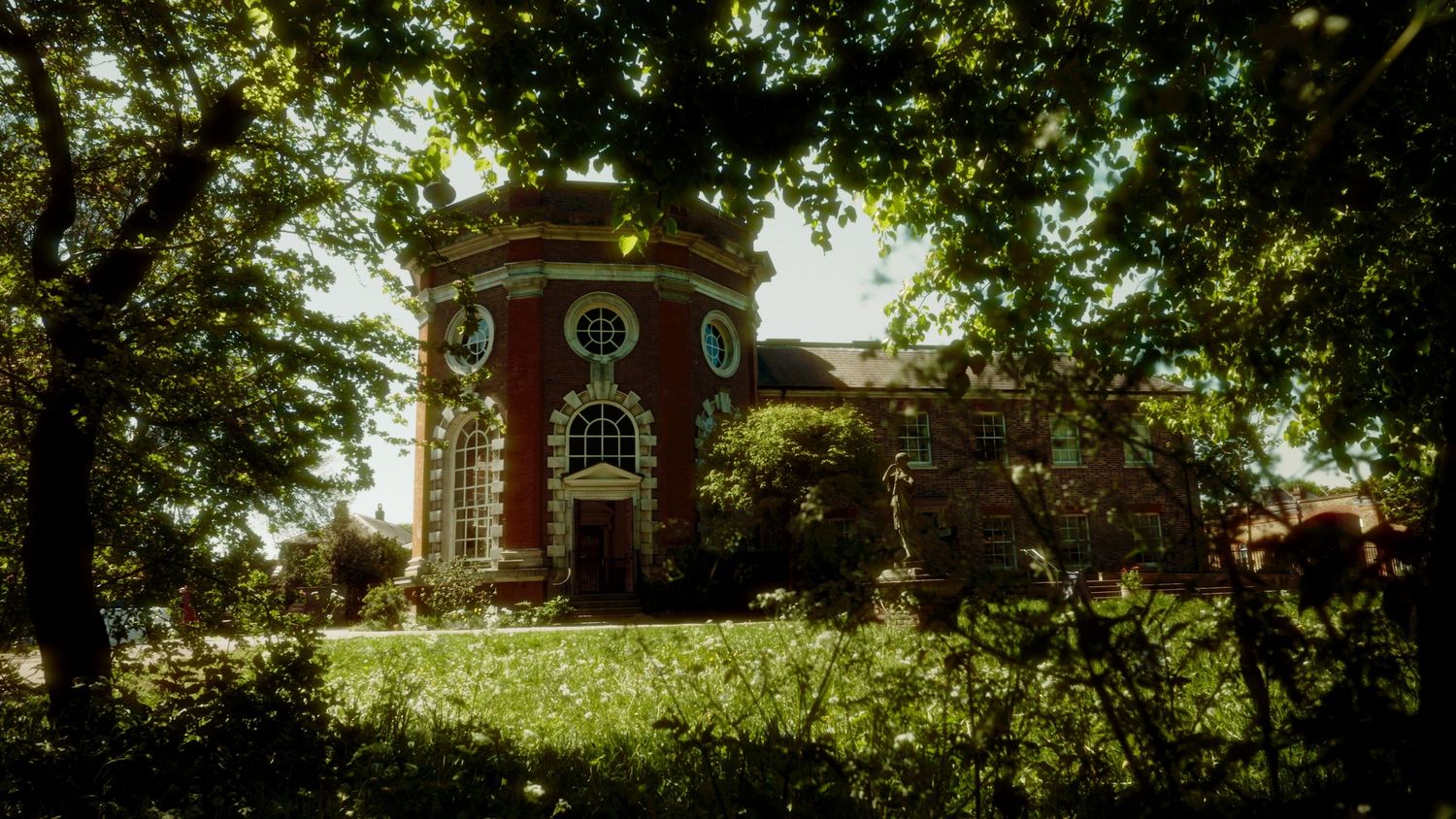
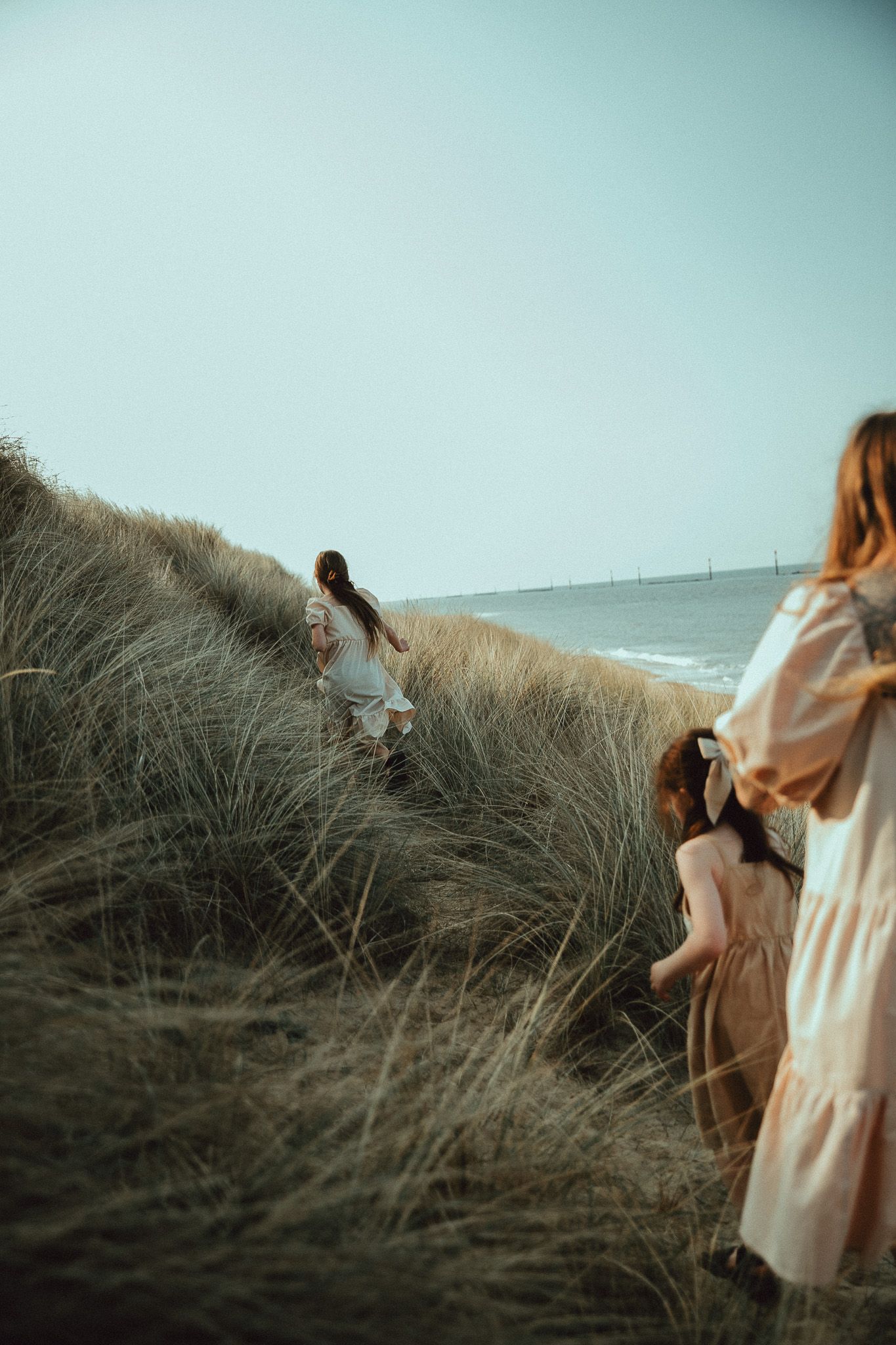
The coast gives you open horizons, wide beaches, dunes, saltmarshes and changing skies. Woodland offers something more enclosed, with shade, texture and a sense of being tucked away from everything else. The countryside opens out into fields, quiet lanes and long views. Around the Broads, the waterways offer an entirely different atmosphere.
Each landscape gives you different possibilities. But I wouldn't suggest choosing a location simply because it's a popular place to get married. I'd want to know what you love about being there. Do you want to be close to the sea? Do you love walking? Would you rather find somewhere quiet and sheltered? Do you want a location that feels wild and exposed, or something more familiar and comfortable? And does the location actually allow you to do what you have in mind? Those questions matter much more than whether a place looks like an elopement photograph.
Norfolk is home, and I love the variety it offers. But if your dream involves mountains, forests stretching into the distance or a remote landscape somewhere further afield, I'd much rather help you explore that possibility than persuade you to settle for something that doesn't fit. Your wedding doesn't have to be limited to the places closest to home.
Choose a location for the experience, not just the photographs
A location can look incredible in a photograph and still be completely wrong for the day you want. A remote beach might look beautiful, but perhaps you don't fancy walking for an hour to reach it. A mountain summit might be your dream location, but the route, weather and physical demands need to suit the people making the journey. A quiet woodland might be perfect for a private ceremony, while a popular coastal viewpoint could be busy with walkers, dogs and other visitors. None of that means you should avoid adventurous locations. It means you should think beyond the photograph.
When we're planning a couple shoot or an adventure elopement, I'd want to understand what the couple is comfortable doing, how far they're happy to walk, whether they want privacy, what time of year they're travelling and how they feel about being outdoors in changing conditions. I'd also want to know who is coming. A location that works brilliantly for two people might be unsuitable for grandparents or guests with limited mobility. That's worth knowing before everyone sets off.
Access matters. So do parking, transport, toilets, food, somewhere to get changed and the possibility of other people being around. And if you're heading to the coast, tides and changing conditions matter too.
The best location isn't necessarily the most remote or dramatic. It's the one that allows you to have the experience you actually want.
If you're still deciding where to get married, our guide to choosing the right wedding location in Norfolk explores how to find somewhere that fits the day, rather than choosing a place simply because it looks good.
What happens when the weather changes?
If you're planning an outdoor elopement, particularly somewhere exposed, you need to accept that the weather is part of the experience. It might rain. The wind might be stronger than expected. The route might be muddy, the sky might close in, or the sunset you imagined might never appear. That doesn't mean the day has gone wrong.
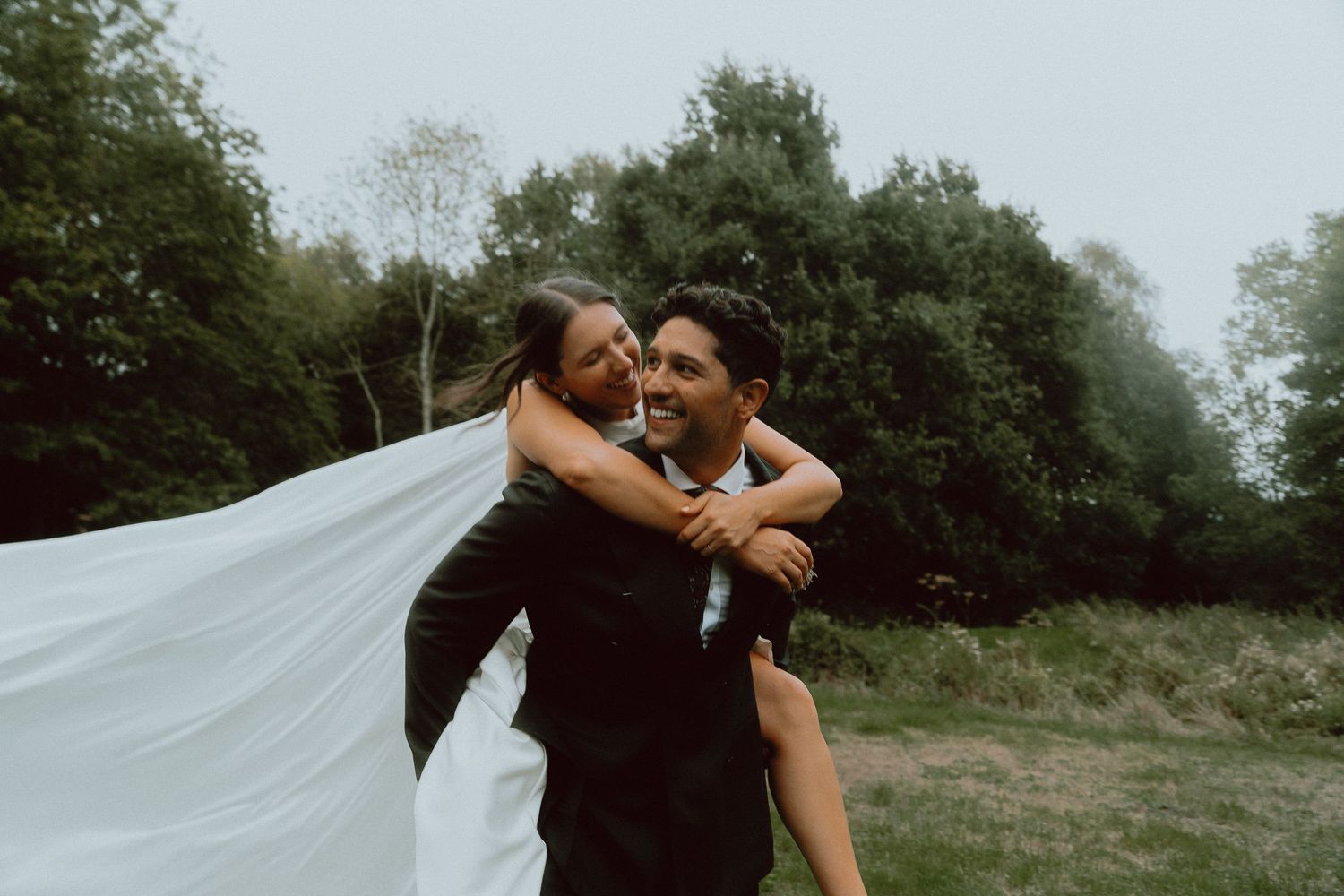
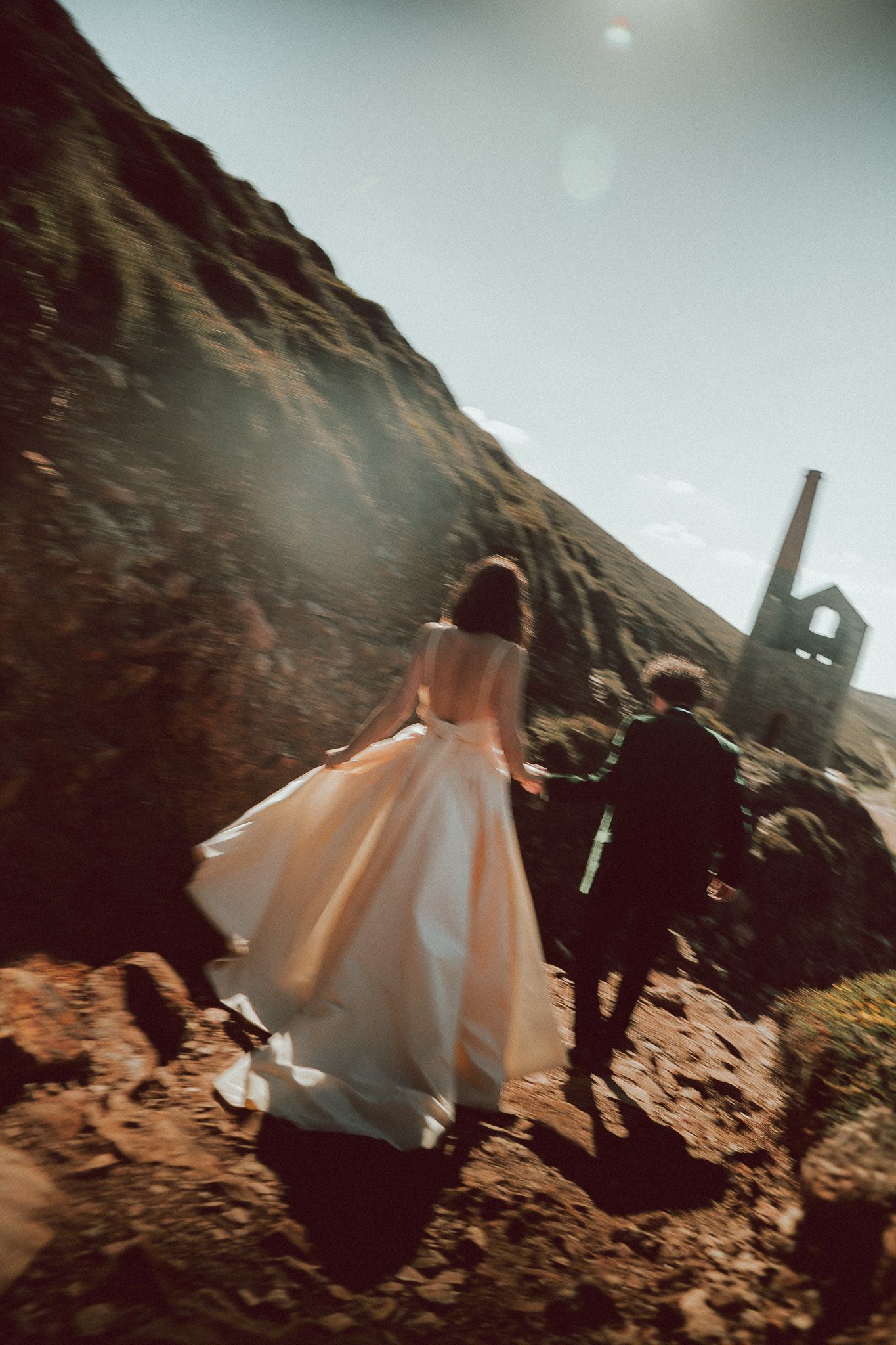
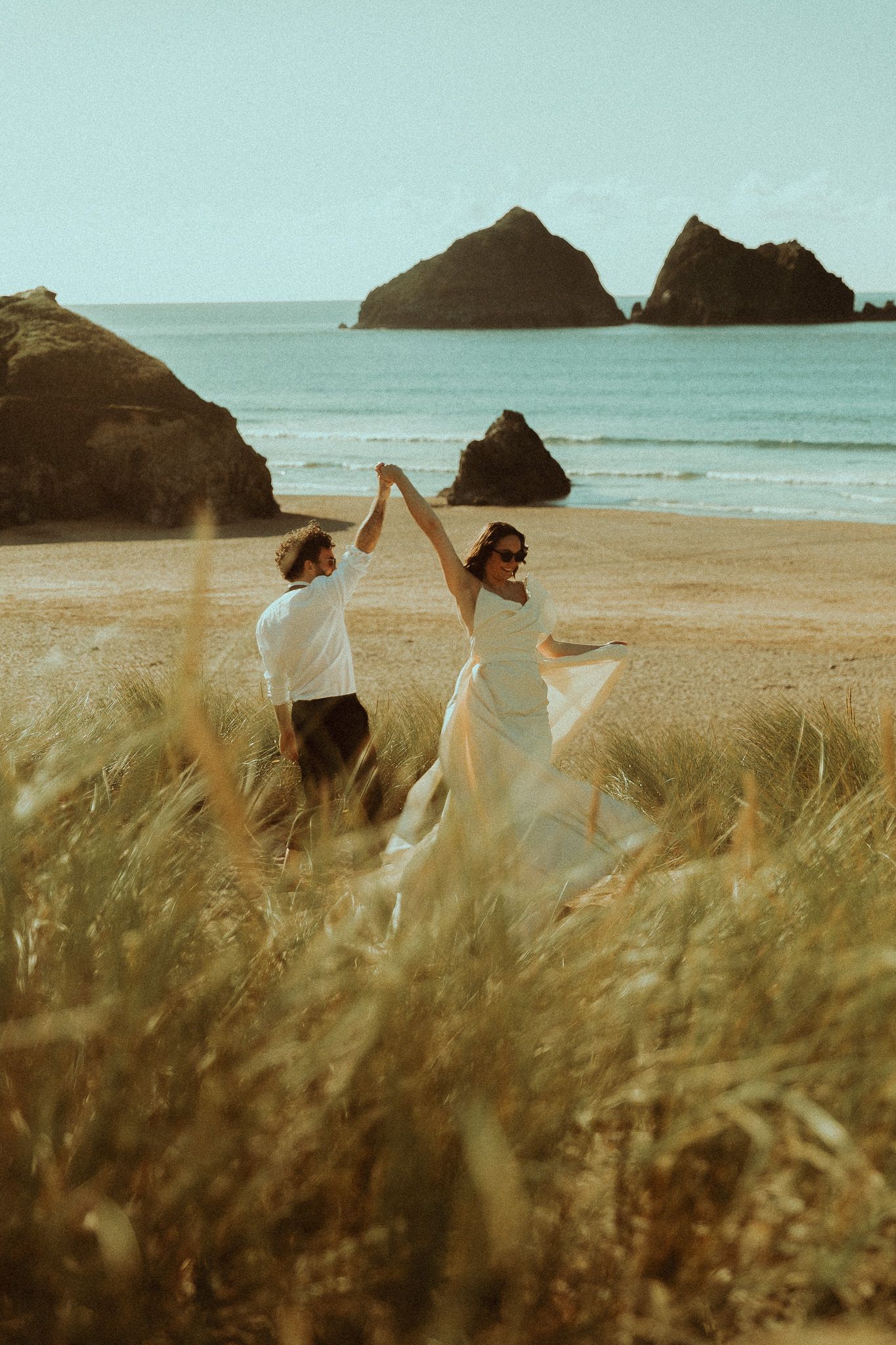
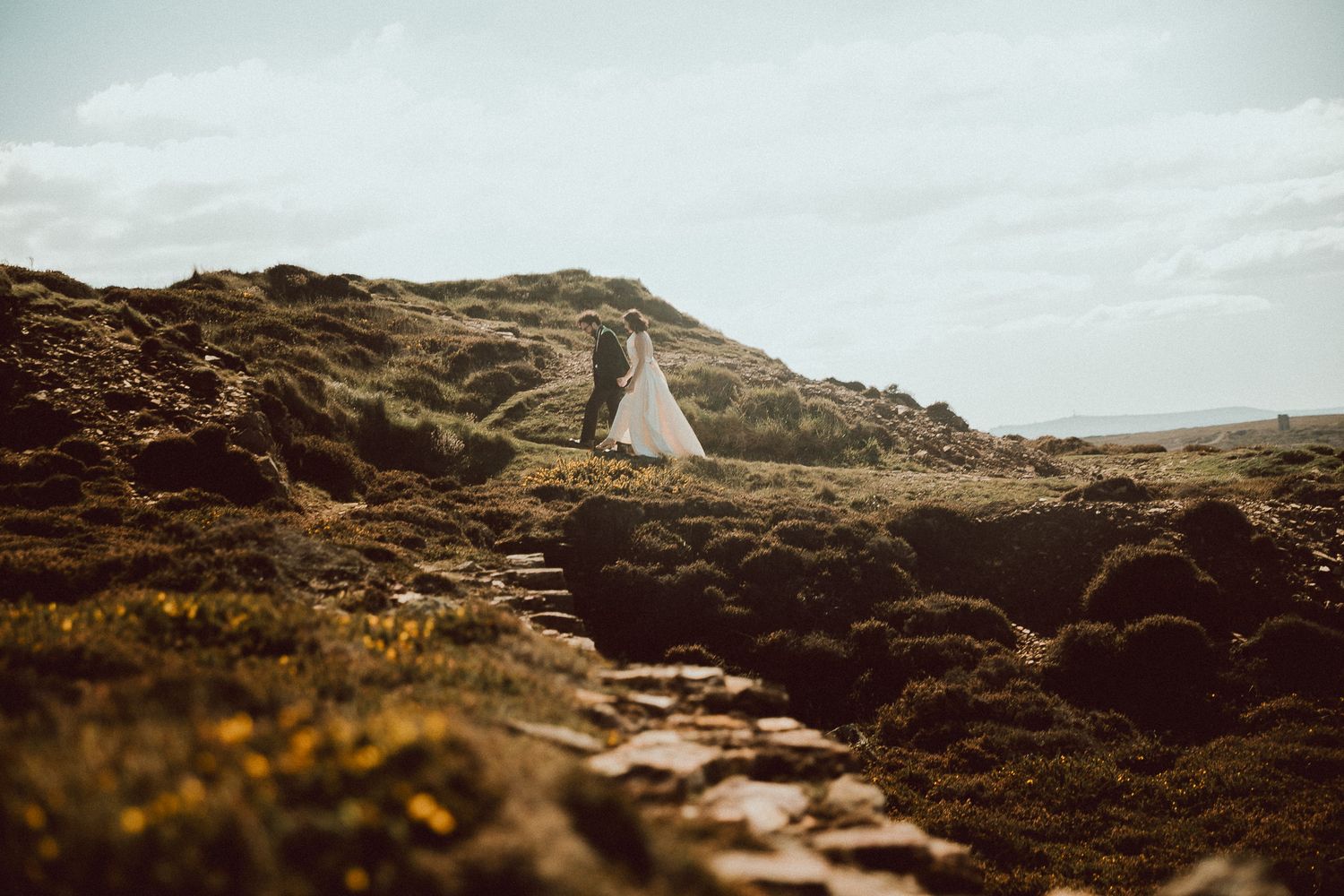
I've photographed couples on the cliffs, dunes and beaches of Cornwall, including around Holywell Beach and the old mine workings at Wheal Coates. Those landscapes are exactly the kind of places that make me want to photograph more adventure elopements. The terrain, the sea, the cliffs and the changing conditions give you so much to work with. You don't need everything to be perfectly calm and sunny to make photographs that feel connected to a place. Wind creates movement.
Clouds bring texture to the sky. Rain changes the atmosphere. Different conditions give you different opportunities. Of course, there's a difference between embracing the weather and ignoring genuine risks. If conditions make a route unsafe, the sensible decision might be to change the plan. A mountain summit in dangerous weather isn't worth risking your safety for a photograph. The same goes for tides, cliffs and exposed coastal locations. A good plan includes alternatives.
I'd want to know what the couple is comfortable with, how far they're willing to go and what happens if the conditions become too extreme. I'd also want them to bring appropriate footwear, layers, waterproofs, food and water, and spare clothing if the day involves getting wet or muddy.
You don't have to be comfortable with every condition to have an adventurous elopement. You just need a plan that lets you enjoy the experience without constantly worrying about what might happen.
If you're drawn to the Norfolk coast, our Field Note on coastal weddings in changing weather explores wind, rain, tides and the possibilities that come with embracing the landscape.
Don't underestimate the practical details
Adventure doesn't mean turning up somewhere remote and hoping everything works out. The practical side matters, especially when you're travelling somewhere unfamiliar. Before settling on a location, consider:
Access: How far will you need to walk, and what is the terrain like?
Weather: What conditions are likely at that time of year, and what is your alternative?
Clothing: Can you comfortably walk in what you're wearing? Do you need boots, layers or a change of clothes?
Food and water: Will there be somewhere to stop, or do you need to bring everything with you?
Transport: Where will you park, and how will you get between locations?
Privacy: Is the location likely to be busy, and does that matter to you?
Permissions: Are there any restrictions on ceremonies, photography or access?
Accessibility: Does the route work for everyone you intend to bring?
Tides and terrain: If you're heading to the coast, have you checked the conditions and identified any hazards?
You don't necessarily need a huge checklist. But you do need to understand what you're taking on.
The aim is to sort out the things that could cause genuine problems, so that you can stop worrying about them when the day arrives.
Who do you want to share it with?
An elopement doesn't have to be a secret. You can have the ceremony alone. You can bring a handful of people. You can have your family join you for dinner afterwards, or organise a separate celebration when you return home. There isn't one correct way to do it.
If the thought of having an audience makes you uncomfortable, you don't have to invite people simply because they expect to be there. If sharing the moment with your parents or closest friends would make it more meaningful, bring them along if the location and arrangements allow. And if you want the ceremony to be private but still want to celebrate with everyone afterwards, you can do both.
Some couples may also choose to have a legal ceremony separately and hold a personal celebration or symbolic ceremony somewhere more adventurous. That can be a lovely way to balance the practical requirements of getting married with the freedom to celebrate somewhere meaningful. The important thing is to be honest about what you want.
You don't need to turn an intimate wedding into a bigger event to keep other people happy. And you don't need to exclude everyone to make it an elopement.
The legal bit: can you get married anywhere in Norfolk?
This is worth understanding before you book anything. In England and Wales, the location where you can legally marry depends on the type of ceremony. A civil marriage can take place in a register office or at approved premises. Approved premises can include eligible outdoor areas within the grounds, provided the relevant requirements are met. A beautiful beach, remote woodland or mountain viewpoint isn't automatically a legal wedding location simply because you can hold a celebration there.
The government is looking at reforming these restrictions. Its 2026 consultation proposed giving couples more freedom over where they marry, including the possibility of ceremonies in a wider range of locations. That doesn't mean you can't have the adventurous wedding you want.
Some couples choose to complete the legal formalities at a register office or approved venue, then exchange personal vows or hold a symbolic ceremony somewhere that means more to them. Others choose to have a legal ceremony with their closest family and friends before travelling for a more adventurous experience. The important distinction is that a symbolic ceremony or exchange of personal vows doesn't automatically create a legally recognised marriage.
If you want to marry legally somewhere unusual, check the current rules with the relevant registration service before making arrangements.
If you're considering an elopement in Scotland or abroad, check the requirements for that jurisdiction too, as they differ from those in England and Wales.
You can still have a wedding that feels entirely your own. You just need to understand which parts are legally binding and which are symbolic.
What I'd want to know before photographing your elopement
If you asked us to photograph your elopement, I wouldn't begin by handing you a list of poses. I'd want to understand the experience you're planning. Where are we going? How far are we walking? Are there multiple locations, or do you want to spend most of the day somewhere remote? How comfortable are you being outdoors in changing weather? Are you happy to get muddy, walk barefoot, climb over rocks or be caught in the rain? Do you want to hold hands, kiss, hug and be affectionate in front of the camera, or would you prefer a quieter approach? What kind of energy do you want the photographs to have?
These conversations help me understand what you're comfortable with and how I can photograph the day without making it feel unnatural. With an adventure elopement, I'm not simply standing back and waiting for everything to happen. I'm part of the experience, and that means knowing when to take the lead. Sometimes I'll suggest moving somewhere else, finding a different angle or spending longer in a particular location. Sometimes I'll get closer and guide you into something that feels natural rather than leaving you wondering what to do. The balance matters.
We want to help create opportunities for photographs without making you feel as though you're performing for the camera. And when we're somewhere remote, with time to explore and no large group waiting for us, there's so much more freedom. We can walk further. Stay longer. Try different approaches. Make use of the landscape and the conditions. Follow the light when it appears, rather than forcing the entire day to revolve around it. The photographs become part of the adventure, rather than a separate activity that interrupts it.
The Wildkin lens.
We're drawn to elopements because they give couples the freedom to experience their wedding differently. We love the idea of travelling somewhere wild, spending the day outdoors and letting the landscape become part of the story. For us, the more adventurous the better. A remote location, unpredictable weather, a long walk and a couple who are excited to be there give me so many opportunities to create something different.
But the adventure doesn't need to be extreme. It could be a quiet walk along the Norfolk coast, a few hours in the woods or an intimate celebration somewhere that already means something to you. What matters is that you're there because you want to be. We don't want you worrying about whether every photograph looks perfect. We want you to enjoy the experience, trust me to find the photographs and let the day happen. Sometimes I'll guide you. Sometimes we'll explore. Sometimes we'll stop somewhere and take everything in. And sometimes the best photographs will happen when we're doing absolutely nothing in particular. That's the kind of elopement I'd love to photograph. Not a performance. Not a checklist. An actual adventure, shared by two people who are happy to be there.
Your elopement doesn't have to look like anyone else's
You might be dreaming of a remote mountain summit. You might want to walk along the Norfolk coast, exchange vows and spend the afternoon exploring. You might want a woodland ceremony, a picnic and a pub afterwards. You might want to get married with two witnesses, then celebrate with your family when you return home. Or you might not know exactly what you want yet. That's fine.
Start with the things that matter to you. Think about the places you love, the experiences you want to share and the people you want beside you. Then build the day around those things. You don't need to spend loads of money or plan every minute. You don't need to recreate somebody else's photographs. And you don't need to convince anyone that your wedding is proper enough. An elopement can be whatever makes you happy. It just needs to be yours.
→ Explore Norfolk
If you're still exploring where to get married, start with our guide to Norfolk's landscapes, coastlines and places, and discover the different ways you could shape a wedding around the county.
→ A WILD, ADVENTURE ELOPEMENT GUIDE FOR COUPLES
If you're drawn to the idea of getting married somewhere wild, this guide explores the possibilities of an adventure elopement and how to start planning an experience that feels personal to you.
→ MAKING SPACE
An elopement doesn't need to be packed with activities or planned down to the minute. Explore how leaving room for things to unfold can change the way your wedding feels.
→ Documentary Weddings
If you want your photographs to capture the experience rather than turn the day into a photoshoot, discover our approach to photographing people, places and moments as they happen.
→ Norfolk WEDDING PHOTOGRAPHY
If you're looking for a Norfolk wedding photographer for something small, personal or a little more adventurous, explore how we photograph weddings and elopements across the county.
→ Enquire with us
If you're planning an intimate elopement, whether that's somewhere along the Norfolk coast or further afield, tell us what you're dreaming up. We can talk through the location, the experience and how to photograph it.