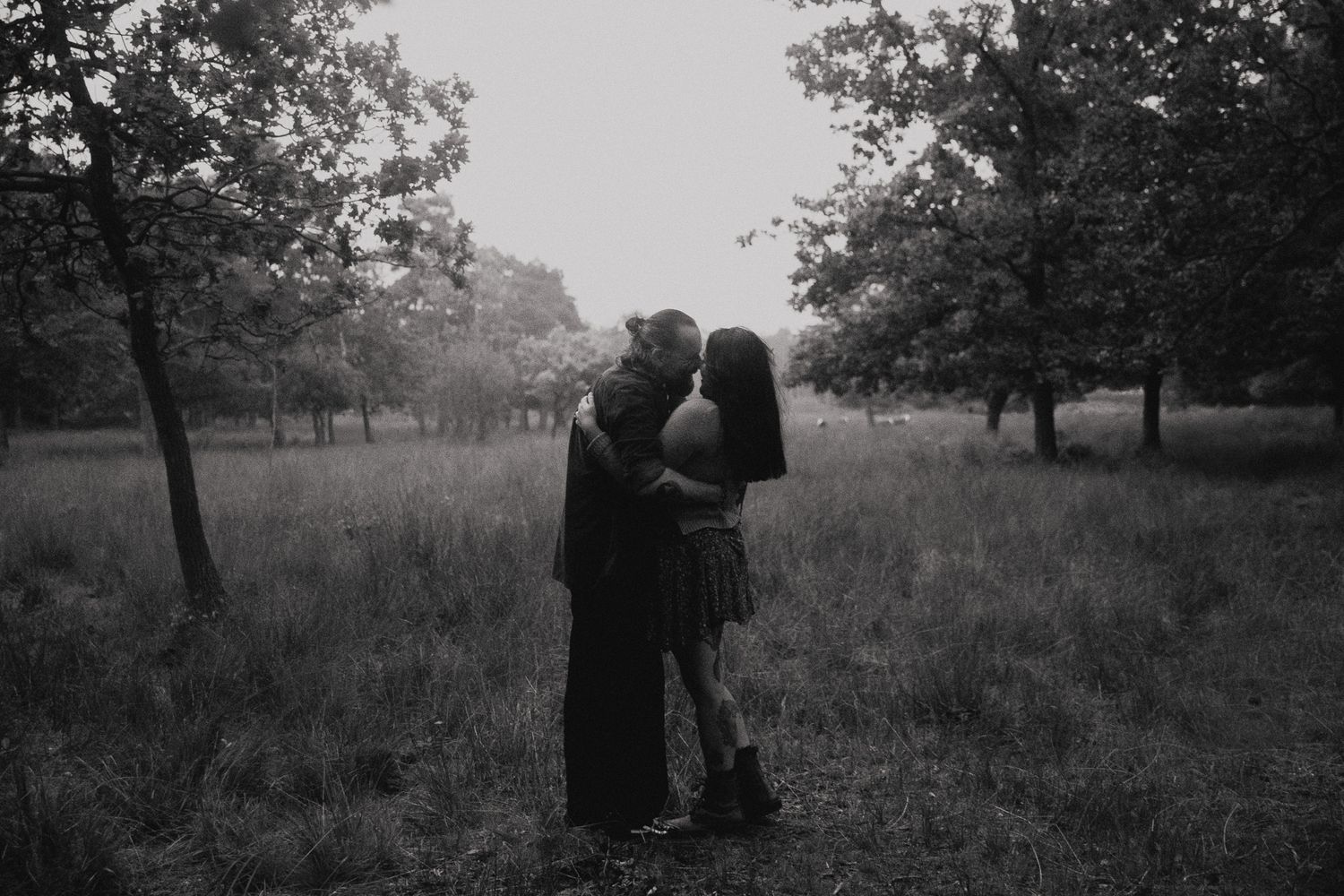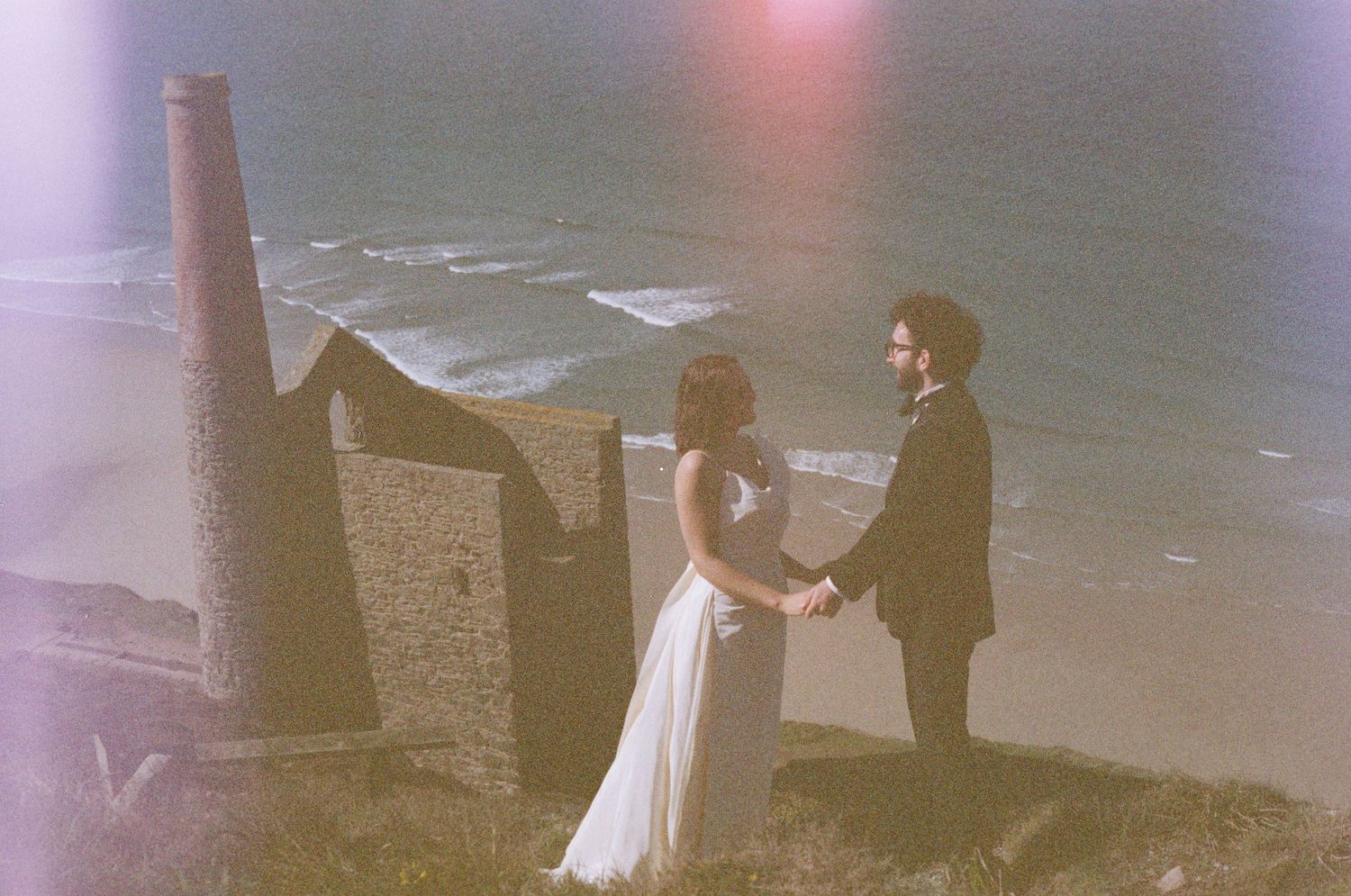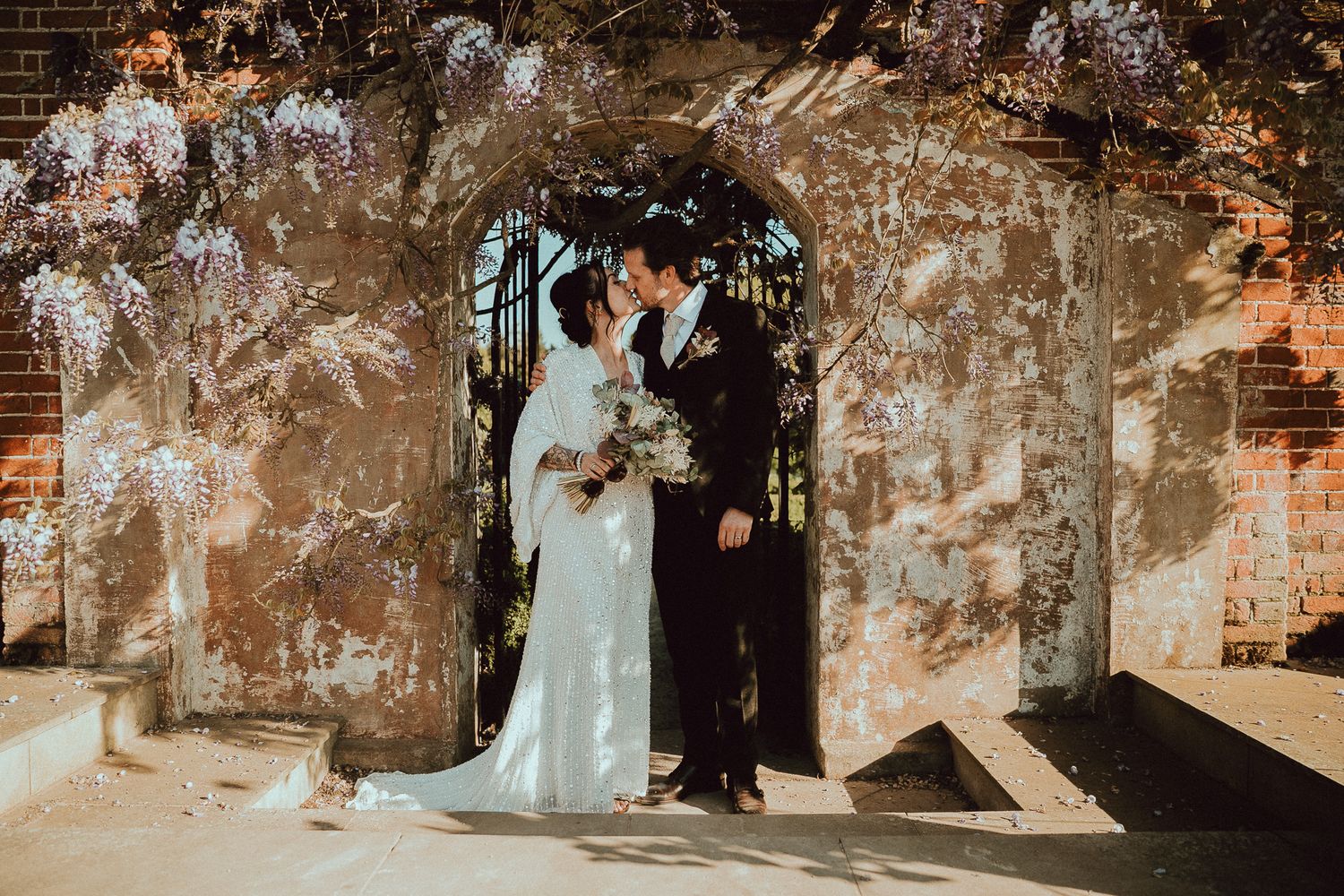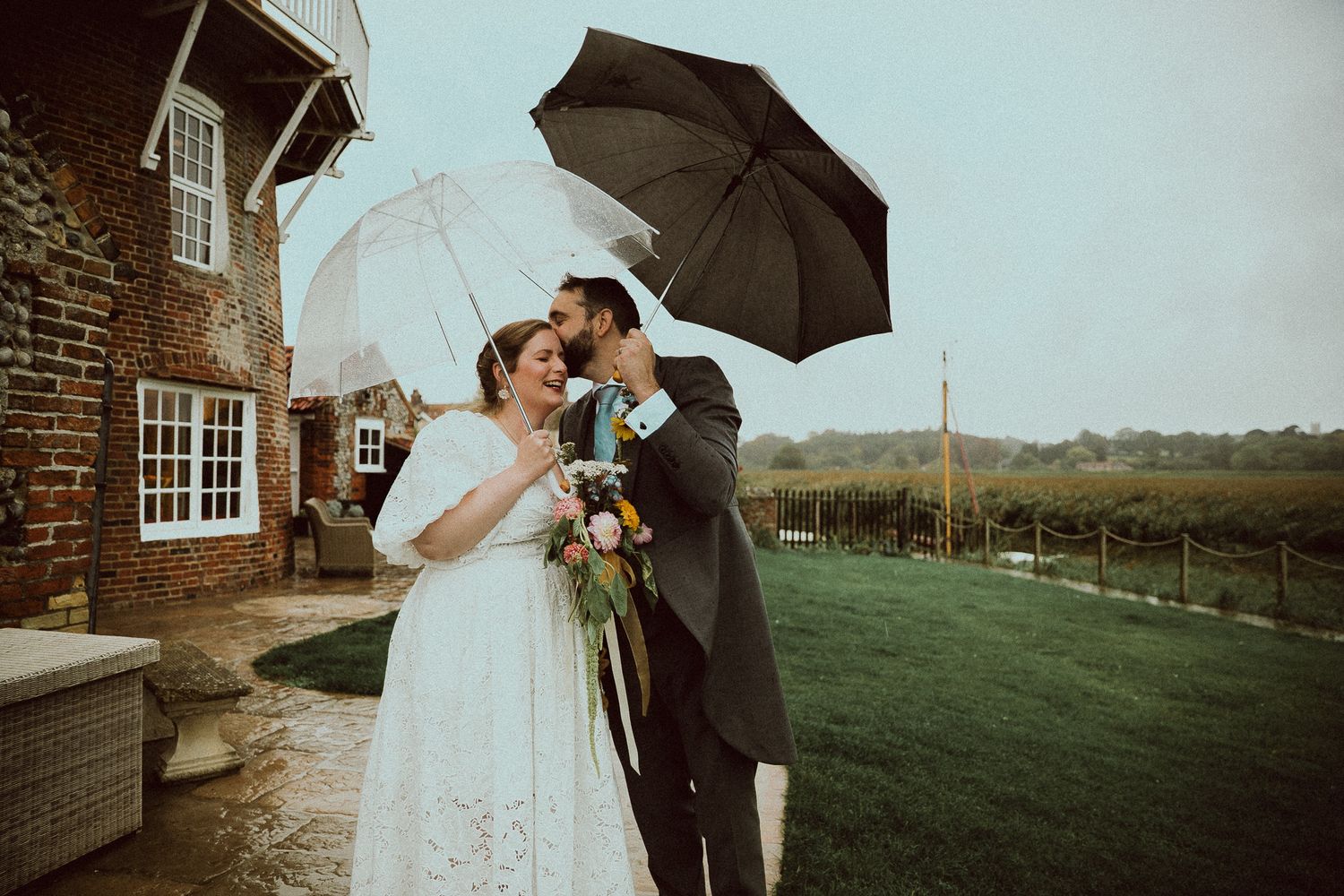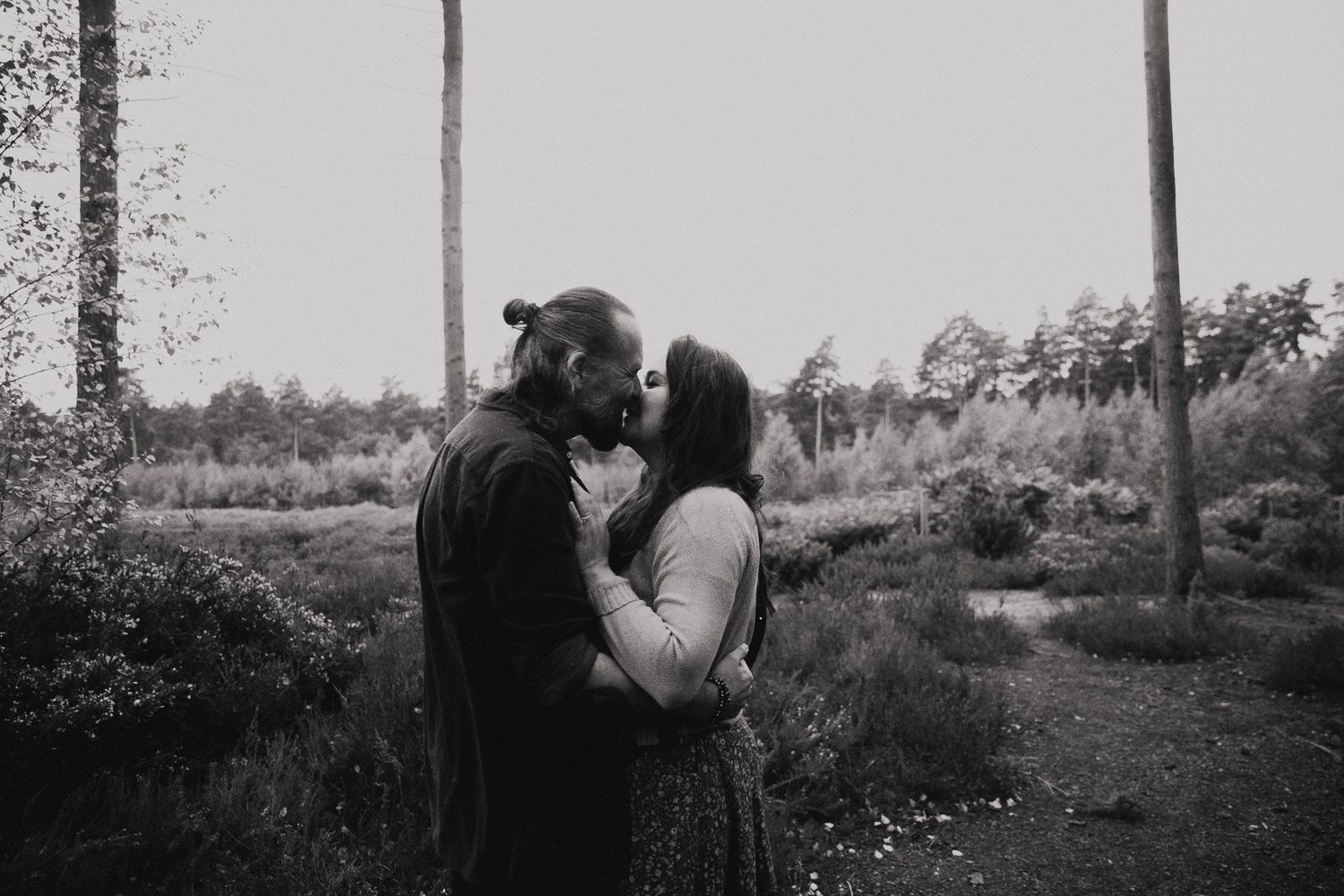
Documentary wedding photography is a term that gets used a lot across the UK. It appears on websites, Instagram bios, and Pinterest boards. It’s often paired with words like natural, candid, and storytelling. And yet, for many couples, it still feels slightly unclear. You might know you’re drawn to photos that feel real rather than posed. You might want images that remind you how the day felt, not just how it looked. But pinning down what documentary photography actually means can be harder than it sounds. This post isn’t about definitions or rules. It’s about explaining what documentary wedding photography feels like in practice, and why so many couples across the UK find themselves drawn to it once they understand the difference.
What documentary wedding photography is not
Sometimes it’s easier to understand documentary photography by clarifying what it isn’t. It isn’t about constant posing. It isn’t about recreating moments. It isn’t about stopping the day to make it look a certain way. That doesn’t mean documentary photographers never intervene. It means intervention is minimal and intentional. The focus stays on what’s already there.
Where the idea of documentary photography comes from
At its core, documentary photography is about observation. Rather than directing or staging moments, the photographer’s role is to notice what’s unfolding and respond to it as it happens. The emphasis is on presence, timing, and awareness, rather than control. In a wedding context, that mindset translates into photographs that are shaped by real interactions rather than instructions. The images exist because something meaningful happened, not because it was planned for the camera. This approach borrows its philosophy from documentary traditions more broadly, but it adapts naturally to weddings and elopements across the UK because of their emotional weight and variation in setting.
How documentary photography feels on a wedding day
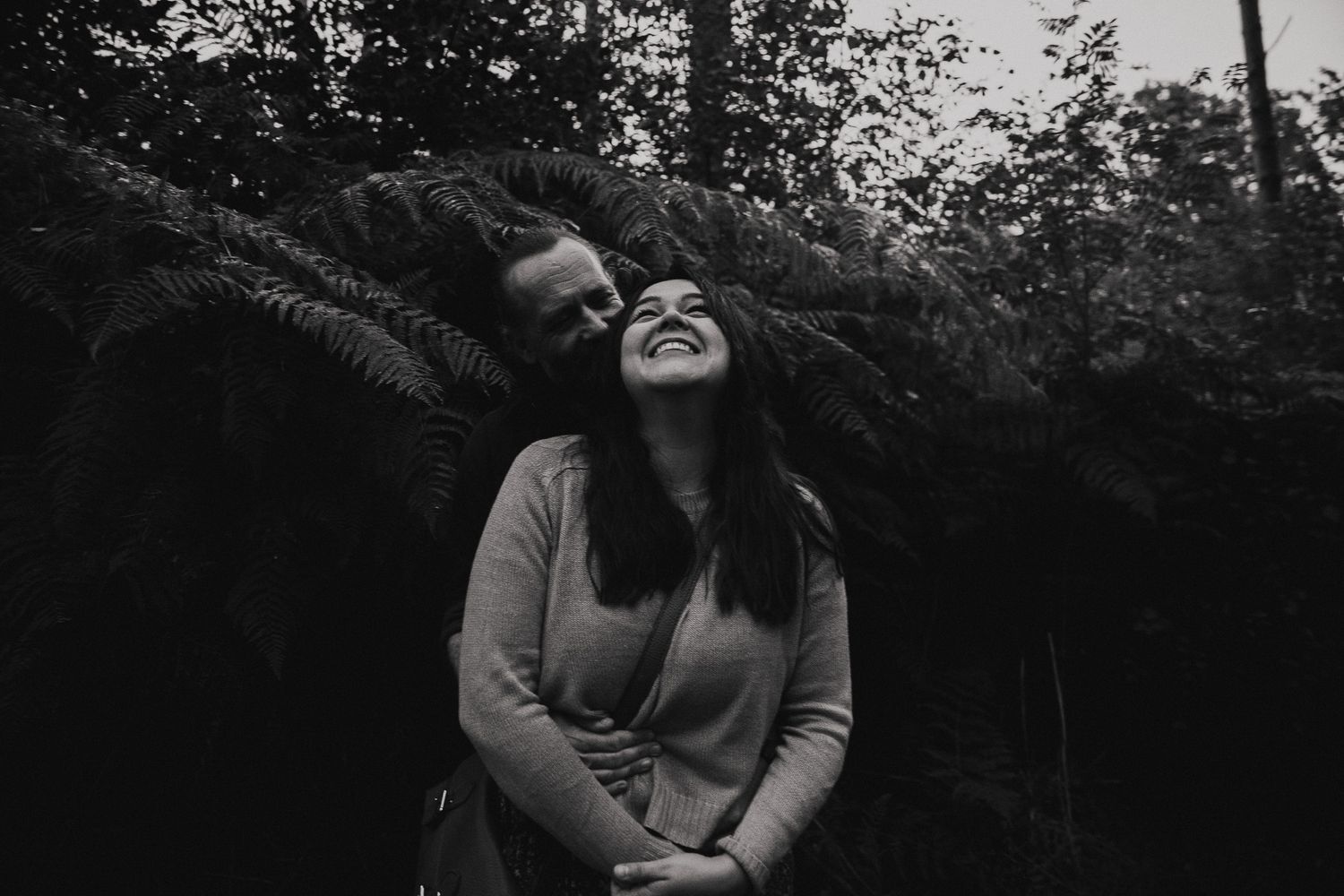
One of the biggest differences with documentary wedding photography isn’t visual. It’s experiential. Couples often describe the day as feeling less interrupted. There’s less stopping and starting. Fewer moments where attention is pulled away from what’s happening. Because the photography adapts to the flow of the day, rather than shaping it, the experience tends to feel calmer and more immersive. Conversations continue. Emotions aren’t paused. Moments are allowed to unfold naturally.
The difference between documentary and candid
Documentary and candid are often used interchangeably, but they’re not quite the same thing. Candid usually describes how a photo looks. Documentary describes how a photographer works. A candid image can happen by chance. Documentary photography is intentional in its observation. It involves anticipating moments, understanding dynamics, and being present enough to respond without interfering. This distinction becomes more important when comparing styles directly, which is explored in candid vs documentary wedding photography.
Why couples are drawn to documentary coverage
Most couples who choose documentary wedding photography aren’t chasing a trend. They’re responding to how they want the day to feel. Often, they value connection over performance. They want to be present with their people. They want photographs that feel honest, even if they’re imperfect. This preference shows up particularly strongly in smaller weddings and elopements, where intimacy and pace matter more than spectacle.
How documentary photography shapes the final images
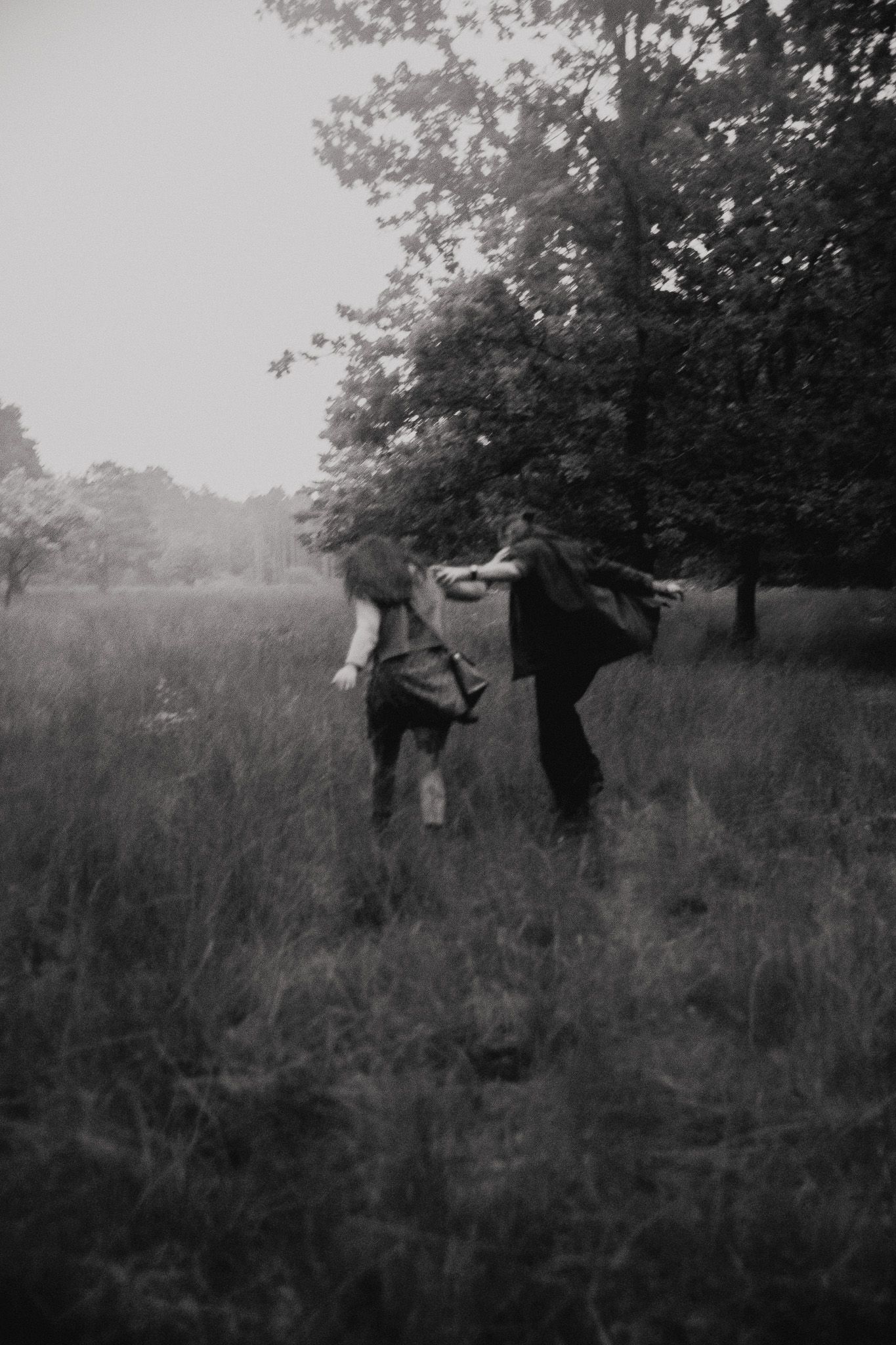
Because documentary photography follows the day rather than directing it, the resulting images often feel more layered. Instead of a sequence of isolated highlights, you get a visual narrative. Small moments sit alongside big ones. Interactions in the background carry as much meaning as centre-stage events. The story of the day feels complete, rather than curated.
Why documentary isn’t about “doing nothing”
One common misconception is that documentary photography means the photographer is passive. In reality, it requires a high level of awareness. Knowing when to step back, when to move closer, and when to let a moment breathe is an active process. It’s about reading the room, understanding people, and responding quietly. The difference is that the work happens in observation, not instruction.
Documentary photography and sense of place
Documentary wedding photography is particularly well-suited to location-led days. When the environment plays an active role in the experience, whether that’s a quiet Norfolk landscape or a meaningful family space, an observational approach allows the place to exist naturally within the story. This approach carries naturally into smaller, more intentional celebrations, especially within documentary elopement photography in Norfolk, where the focus stays on what’s real.
How documentary photography fits into modern weddings
As weddings across the UK have become more varied and personal, documentary photography has become a natural fit.
Smaller guest lists, flexible schedules, and experience-led days all create space for an observational approach to thrive. Rather than imposing a structure, the photography adapts to what already exists.
If you're exploring quieter, more intentional celebrations, this guide on how to elope in the UK explains how these kinds of days are often shaped.
Final thoughts
Documentary wedding photography isn’t about avoiding beautiful images.
It’s about letting beauty emerge from what’s real.
For couples who value presence, connection, and honesty, it offers a way to have their day documented without feeling like they’re stepping out of it.
That quiet alignment between experience and imagery is often what makes documentary photography feel right.
If you're drawn to a quieter, more observational approach, we’re always here to help you explore what that might look like for your day.