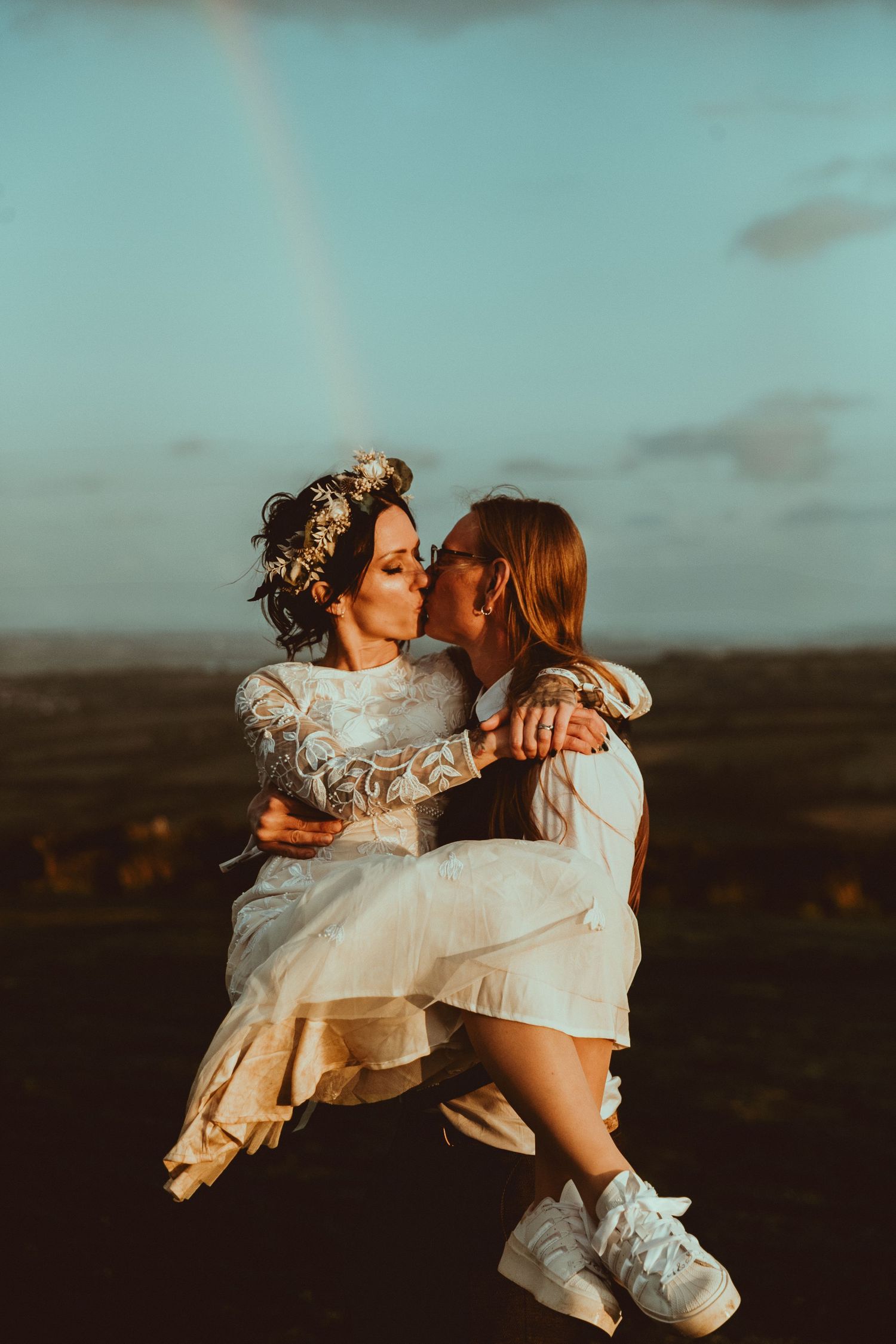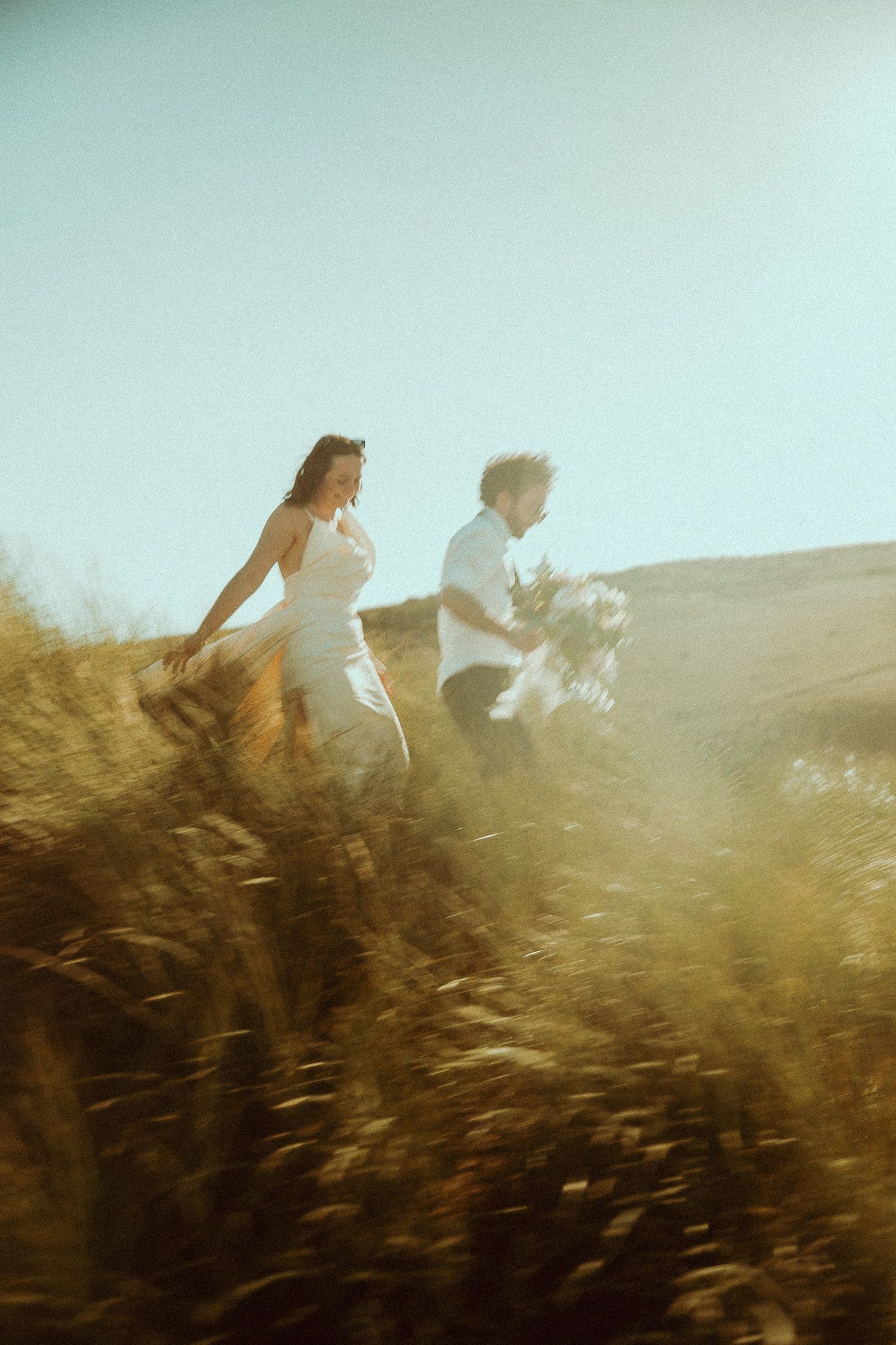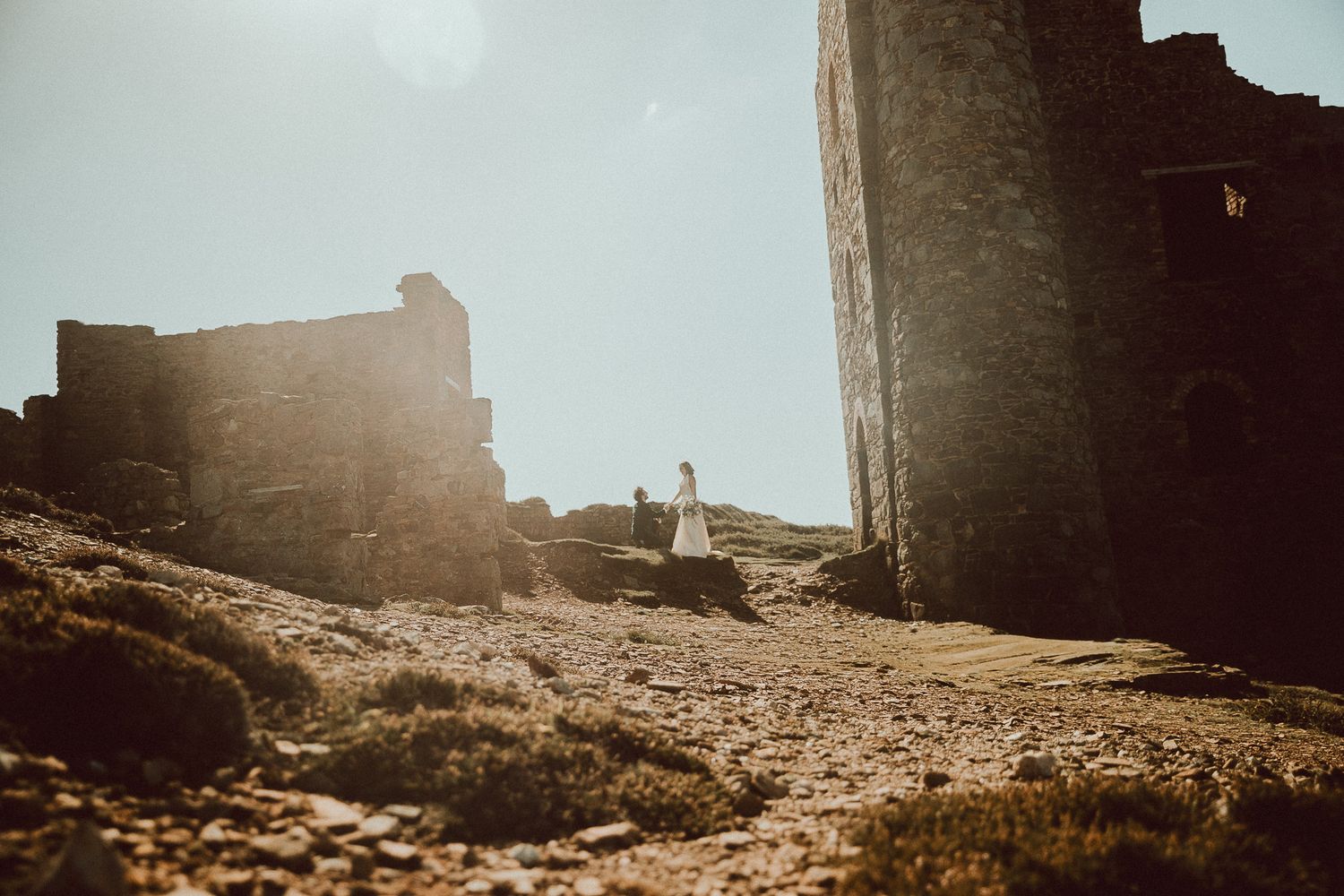
Once couples start exploring the idea of eloping, one of the first questions that tends to surface is surprisingly simple.
What does an elopement day actually look like? Not in theory. Not as a checklist. But in practice.
Eloping in the UK doesn’t come with a single, recognisable format. There isn’t a standard timeline or a universally agreed-upon sequence of events. Instead, elopement days are usually shaped around a handful of recurring patterns, guided by intention rather than expectation. For many couples, that freedom can feel both grounding and slightly unsettling. Without a prescribed structure to lean on, it can be hard to picture how the day might unfold. This guide isn’t about how an elopement should be done. It’s about how elopements in the UK are commonly structured, based on how couples tend to approach them when they choose a quieter, more intentional way of getting married.
A common starting point: one meaningful place
One of the most consistent patterns across UK elopements is simplicity of location.
Many elopement days are centred around a single meaningful place rather than multiple venues spread across the day. This might be somewhere outdoors, somewhere quiet, or somewhere that holds personal significance. Spending most of the day in one place naturally changes the rhythm. There’s less travelling, fewer transitions, and more time to settle into the experience. Without the pressure to be somewhere else at a specific time, the focus stays on where you are rather than where you need to be next. The day doesn’t feel like it’s constantly moving on. It feels rooted.
Why elopements in the UK don’t follow a fixed template
Traditional weddings often inherit their structure long before couples begin planning. Certain moments are expected to happen at certain times, and the day moves forward whether it feels natural or not.
Elopements usually begin from a different place. Rather than starting with a template, couples tend to start with a feeling. They think about how they want the day to feel, how they want it to flow, and what they want to remember when they look back on it. This shift in starting point is why elopements rarely look identical. The lack of a fixed structure isn’t a lack of preparation. It’s a deliberate move away from performing a day for others, and towards experiencing it for yourselves. In practice, the structure tends to grow from the inside out, shaped by intention rather than imposed expectation.
How time is usually treated on an elopement day
Another noticeable difference is how time is approached. Elopements often involve fewer fixed moments, which allows the day to expand or contract naturally. Some parts linger. Others pass quietly. There’s space to respond to how the day is unfolding rather than forcing it to stick to a rigid schedule. This flexibility doesn’t mean elopements are unplanned. It means the structure is loose enough to adapt. If a conversation runs long, that’s okay. If the light changes, the day can move with it. For many couples, this relationship with time removes a significant amount of pressure. The day becomes something you inhabit rather than something you manage.
Where the ceremony fits into an elopement day
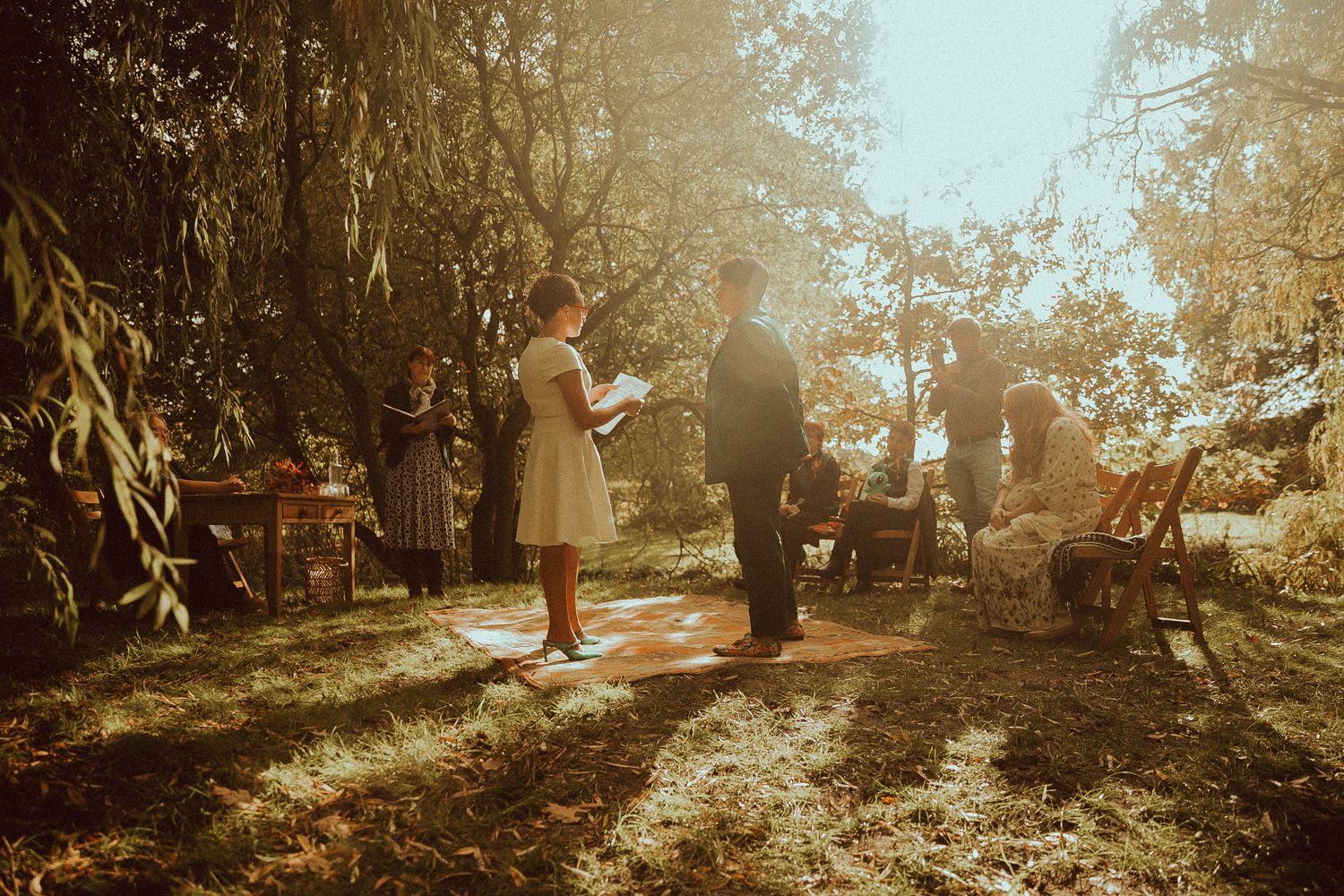
In traditional weddings, the ceremony often acts as the central anchor around which everything else is arranged. In UK elopements, the ceremony is usually one meaningful part of a broader experience. Rather than everything building up to a single moment, the day tends to feel more evenly weighted. Time before and after the ceremony often carries just as much importance as the ceremony itself. This allows the ceremony to sit naturally within the day rather than dominate it. It becomes part of a wider story instead of the only chapter that matters.
Who is usually present, and why that matters
Guest numbers are one of the most visible differences between elopements and traditional weddings, but they’re rarely the driving factor. Some elopements involve just the couple. Others include a very small group of people, often immediate family or a couple of close friends. What matters more than numbers is intention. The people who are present are usually chosen carefully, based on how they’ll contribute to the atmosphere of the day rather than out of obligation. This selectiveness often creates a sense of emotional safety. Without the weight of expectation from a larger audience, couples often feel freer to be themselves and to experience the day as it unfolds.
How elopements are commonly structured in the UK
Without a rigid timetable, elopement days often move in gentle phases rather than fixed slots. There may be a slow beginning to the day, time spent together before the ceremony, a natural pause afterwards, and space to wander, reflect, or simply be present. These phases aren’t planned minute by minute. They emerge organically. The structure exists, but it’s subtle. This kind of flow allows moments to take the time they need. Conversations aren’t rushed. Experiences aren’t cut short to meet the next obligation.
The emotional pacing of an elopement day
One aspect of structure that’s easy to overlook is emotional pacing. Because elopements are smaller and quieter, emotions often surface differently. There’s more space to feel them rather than pushing through them to stay on schedule. The absence of a rigid structure allows couples to pause when they need to, to take a breath, or to simply sit with what the day means to them. It’s not something that can be scheduled. It’s something the structure quietly makes room for.
How this structure supports the elopement experience
When structure is shaped around intention rather than tradition, the day often feels calmer and more grounded. There’s space to respond to what’s happening rather than constantly thinking about what’s coming next.
For many couples, this is what makes elopements feel meaningful rather than minimal. The structure supports the experience instead of dominating it. This often unfolds naturally through elopement photography in Norfolk, where place, pace, and intention shape the day.
How elopements are documented differently
Because elopements tend to move at a gentler pace, they’re often documented differently. Rather than directing the day, coverage usually follows it. The focus shifts towards story, atmosphere, and the in-between moments that naturally unfold when people aren’t performing for an audience. This approach aligns closely with documentary wedding photography, where observation and presence matter more than orchestration.
Final thoughts
Elopements aren’t unstructured. They’re intentionally structured differently. Rather than following a preset formula, couples shape the day around what feels meaningful to them. Time, place, and people are chosen with care, creating an experience that feels personal and grounded. For many couples, that difference is exactly what makes eloping in the UK feel right.