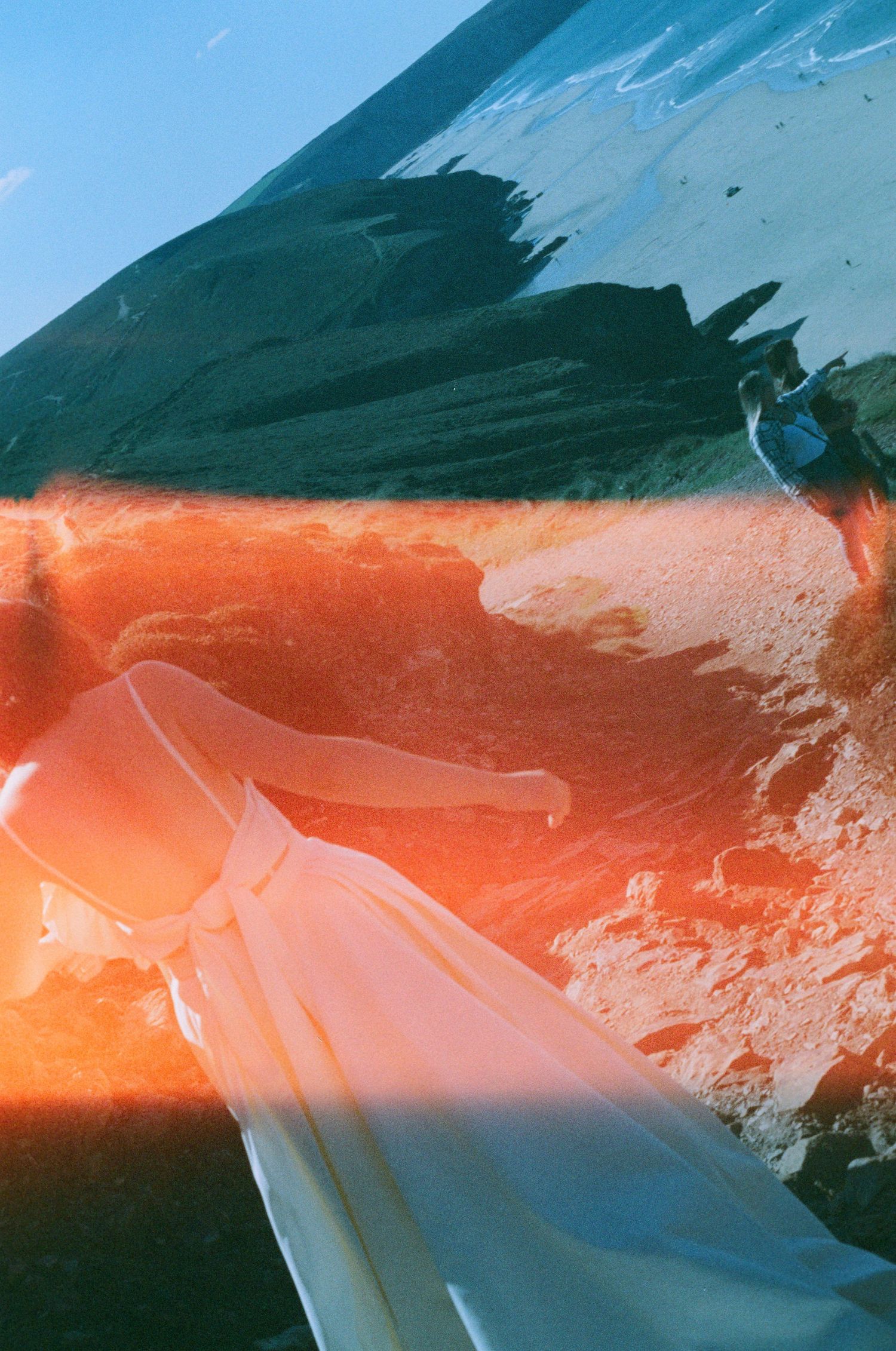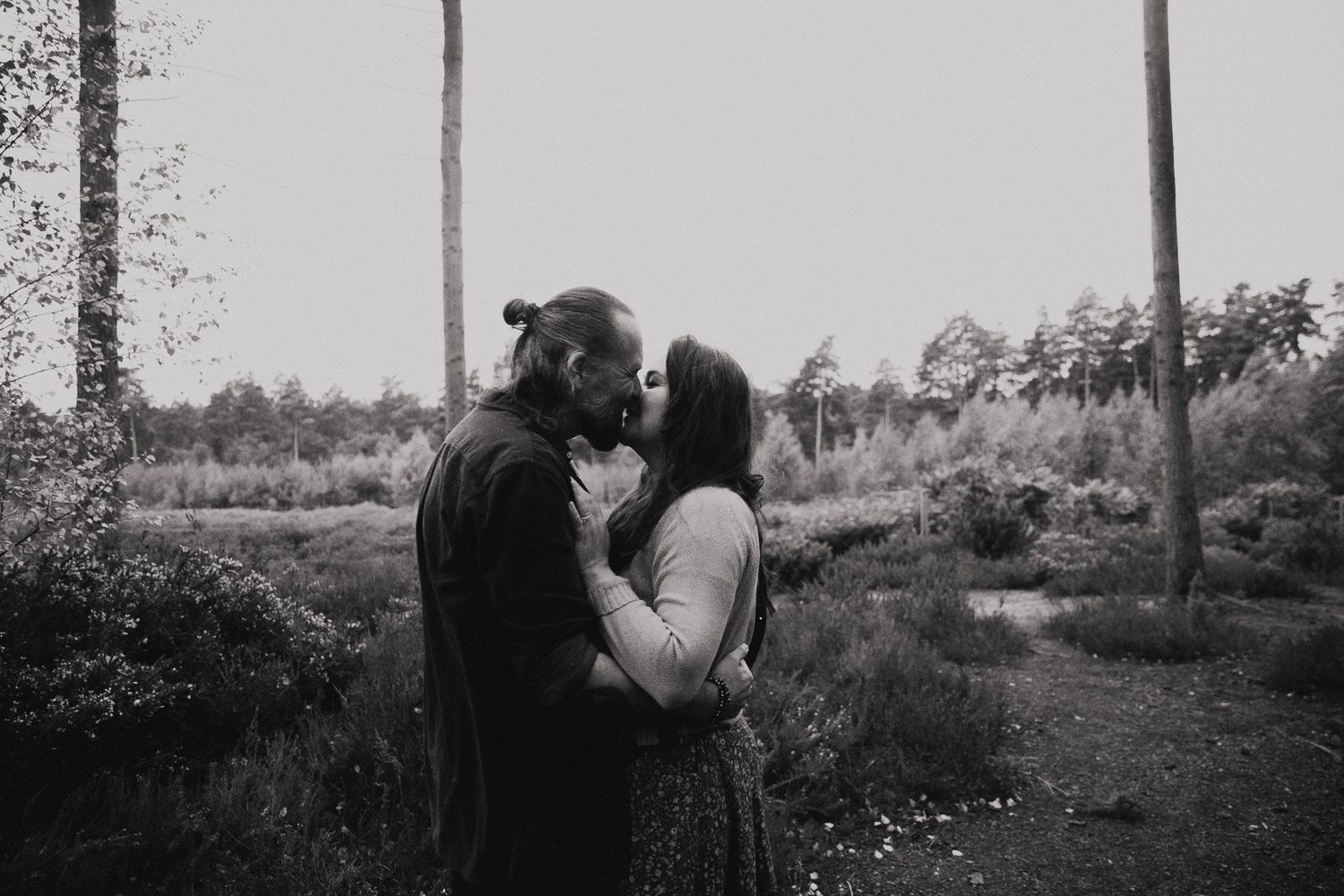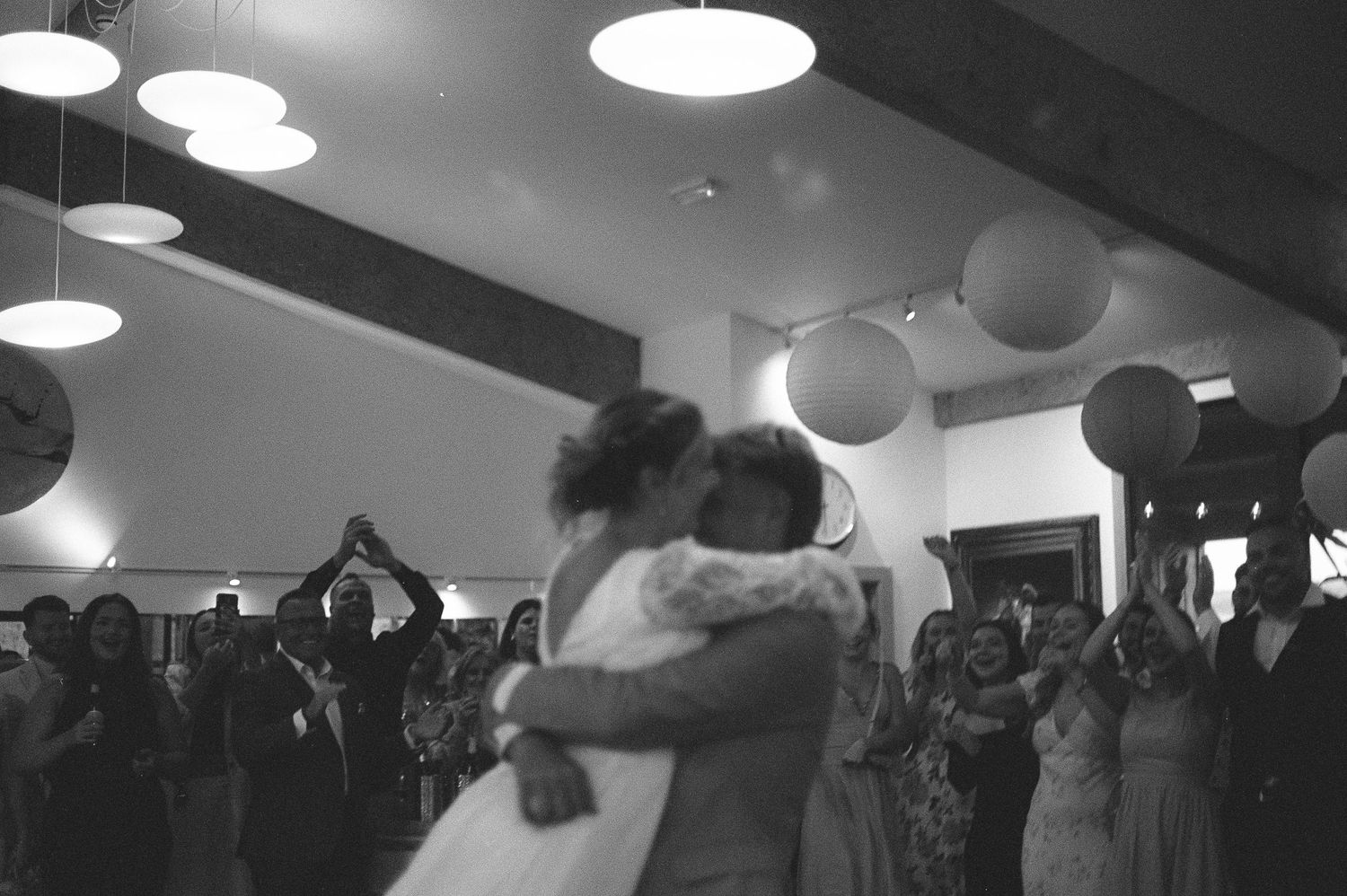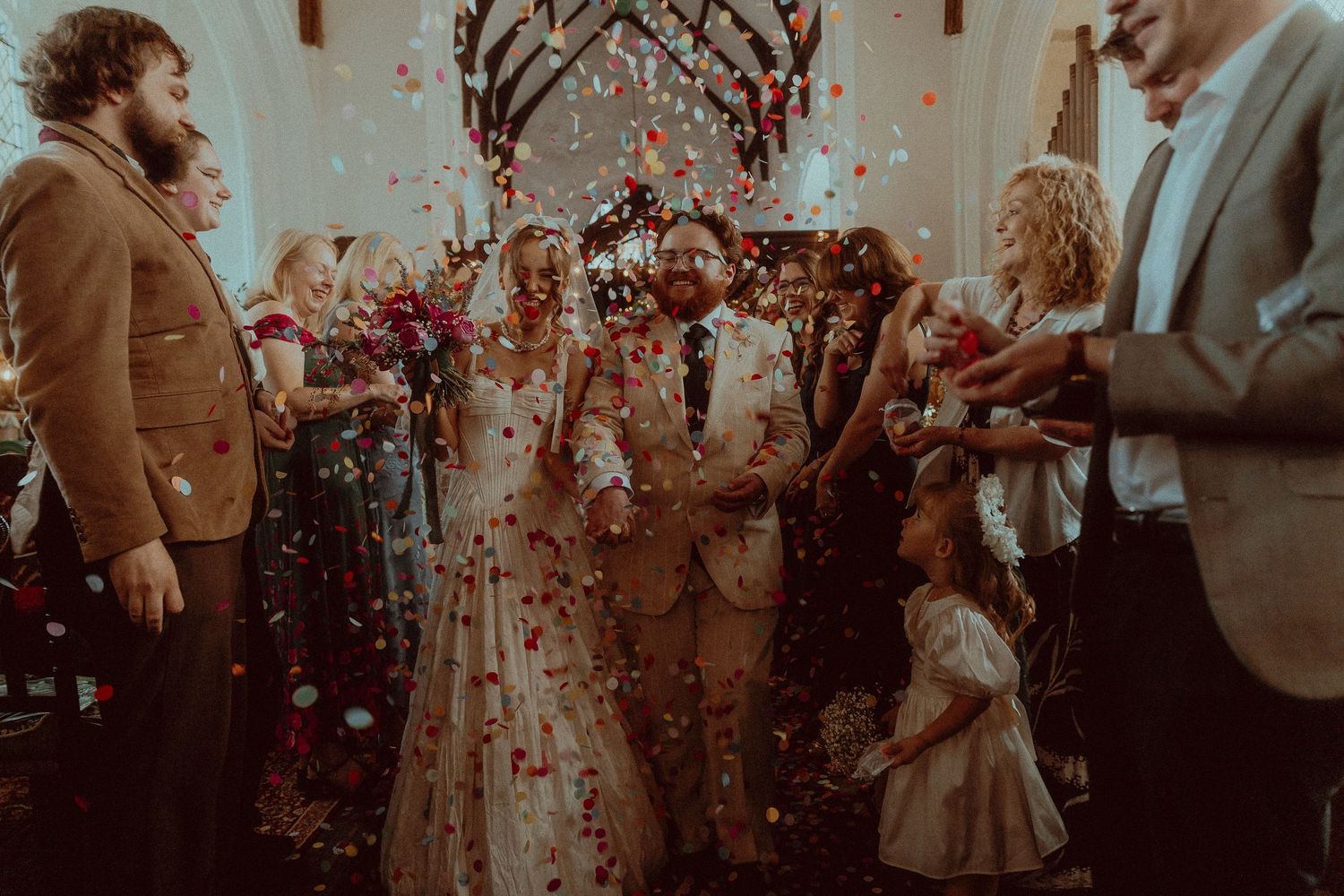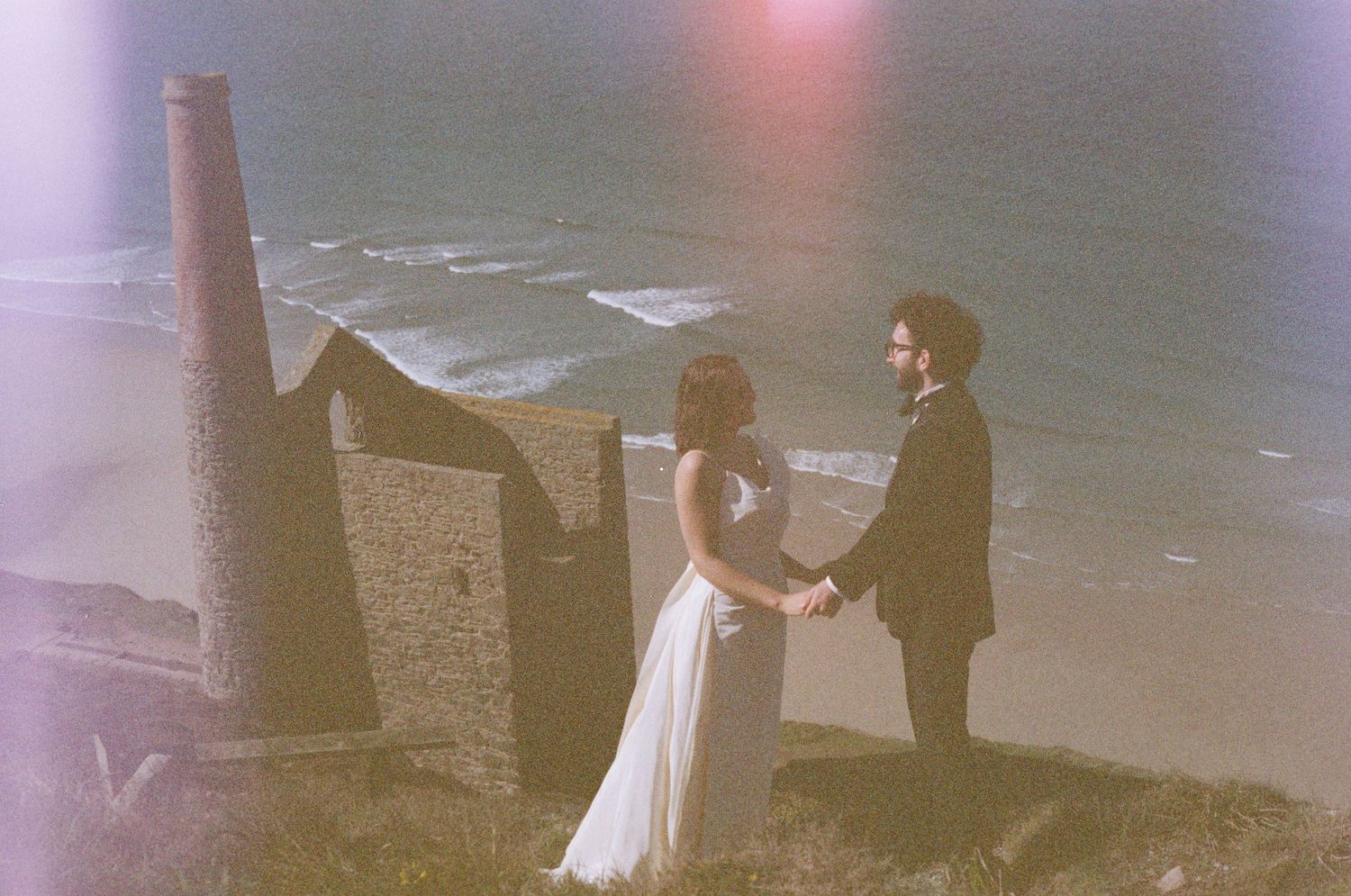
Film photography has quietly returned to weddings in recent years. Not as a trend, but as a slower and more intentional way of documenting a day.
Many couples are drawn to analogue photography because it feels different from modern digital images. The colours are softer. The tones feel natural. Each frame carries a sense of anticipation because it cannot be reviewed instantly. For some couples, that slower rhythm becomes part of the experience of the day itself.
Analogue photography rarely replaces digital coverage. Instead, it sits alongside it and adds a different texture and atmosphere to a wedding gallery.
Every Frame Is Taken With Care
Digital cameras allow photographers to capture hundreds or even thousands of photographs throughout a wedding day.
Film works differently. Each roll contains a limited number of frames. Because of this, every photograph is taken with greater consideration. The moment, the light, and the composition are all chosen deliberately. For couples this often results in images that feel calm and thoughtful rather than rapid or continuous.
The Colours Feel Natural and Timeless
Film handles colour in a way that often feels gentle and balanced. Skin tones remain soft, highlights roll gradually, and shadows tend to hold detail. Many couples say film photographs feel closer to memory than to a modern digital image. This is particularly noticeable at outdoor weddings across the UK where natural light, countryside settings, and coastal landscapes complement the colour palette of film.
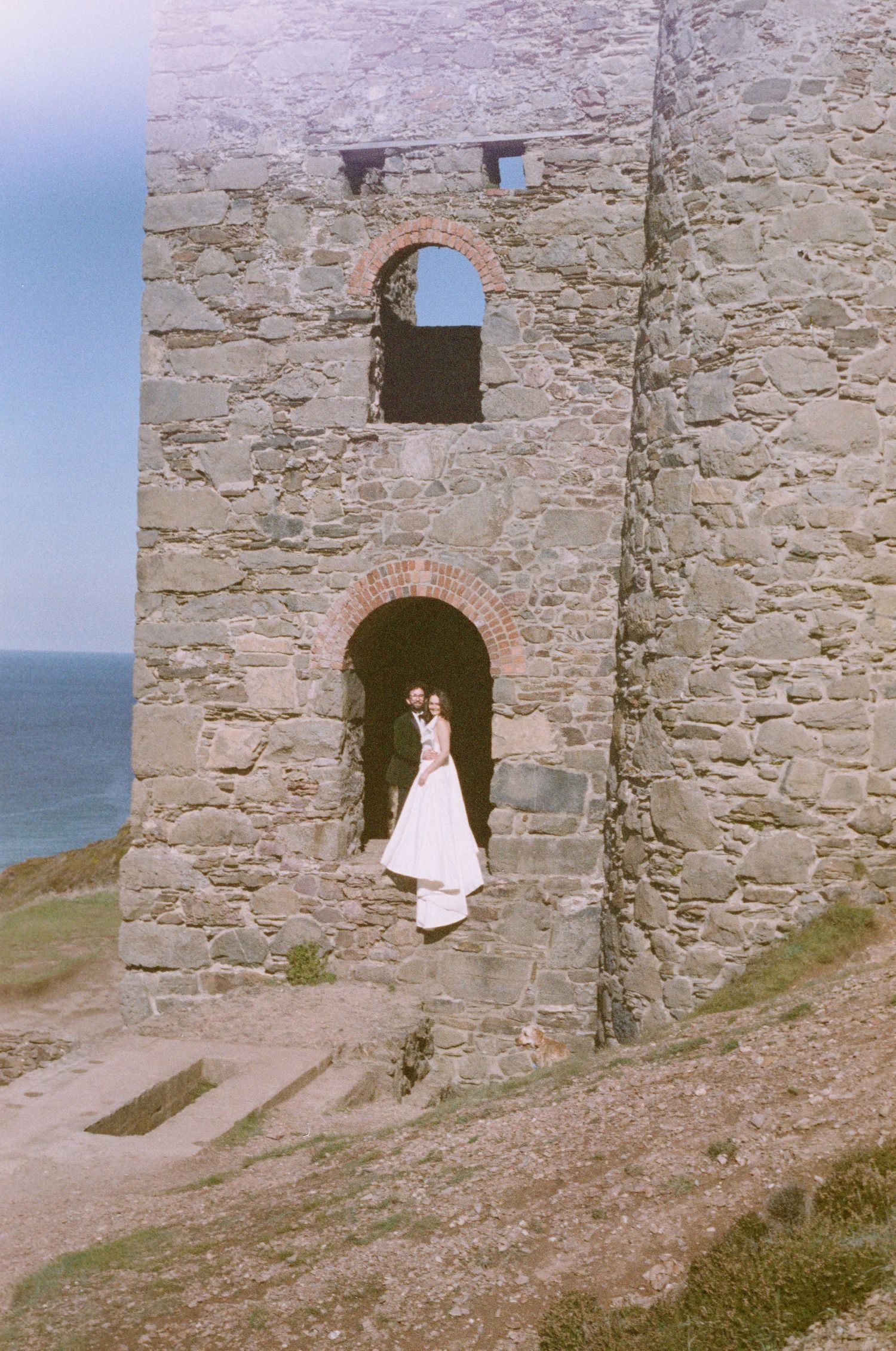
Film Adds Texture and Character
Film photographs often contain subtle grain, gentle contrast, and small imperfections that give them character. These qualities are part of what many people love about analogue photography. The images feel tactile and human rather than technically perfect. Where digital photography often prioritises precision, film tends to embrace variation. No two frames are identical, even when taken moments apart.
A Different Kind of Anticipation
With digital photography, images can be viewed instantly on the back of the camera. Film introduces a pause. After the wedding day the film is developed and scanned. The images appear later, sometimes days or weeks afterwards. Many
Film Works Beautifully Alongside Digital
Most photographers who offer analogue wedding photography also photograph digitally throughout the day. Digital coverage ensures every important moment is captured reliably. Film is then woven into the day for portraits, quiet moments, and scenes that benefit from its texture and colour. Together, the two formats create a gallery that combines reliability with atmosphere. If you are curious about the film formats often used at weddings.
Is Film Wedding Photography More Expensive?
Film photography can cost more than digital photography because the process involves additional materials and lab work. Each roll of film must be purchased, developed, and scanned by a professional laboratory. The cameras themselves are also slower to work with, which means film is often used selectively rather than continuously throughout a wedding. Because of this, many couples choose to include film as an addition to their digital coverage rather than replacing it entirely. Even a small number of film images can bring a different feeling to a wedding gallery.
A Slower Way of Seeing
Analogue photography encourages a slower way of observing a wedding day.
Moments are considered carefully. Frames are chosen deliberately. The final images often feel calm, natural, and enduring.
Film often pairs naturally with smaller, more intentional celebrations, especially within elopement photography in Norfolk, where atmosphere and presence shape the day.
When Couples Choose Film
Analogue photography often resonates with couples who appreciate craftsmanship, texture, and a timeless visual style.
• Outdoor ceremonies
• Coastal weddings
• Countryside venues
• Intimate elopements
• Editorial style portraits
Film does not need to dominate the day. Even a few rolls can add a distinctive layer to the final story.
Thinking About Including Film?
If you are curious about analogue photography for your wedding, we are always happy to talk through how it might fit naturally within your day. Some couples choose a full film experience. Others simply include a few rolls alongside digital coverage. Either approach keeps the focus where it belongs. On creating photographs that feel calm, honest, and lasting.