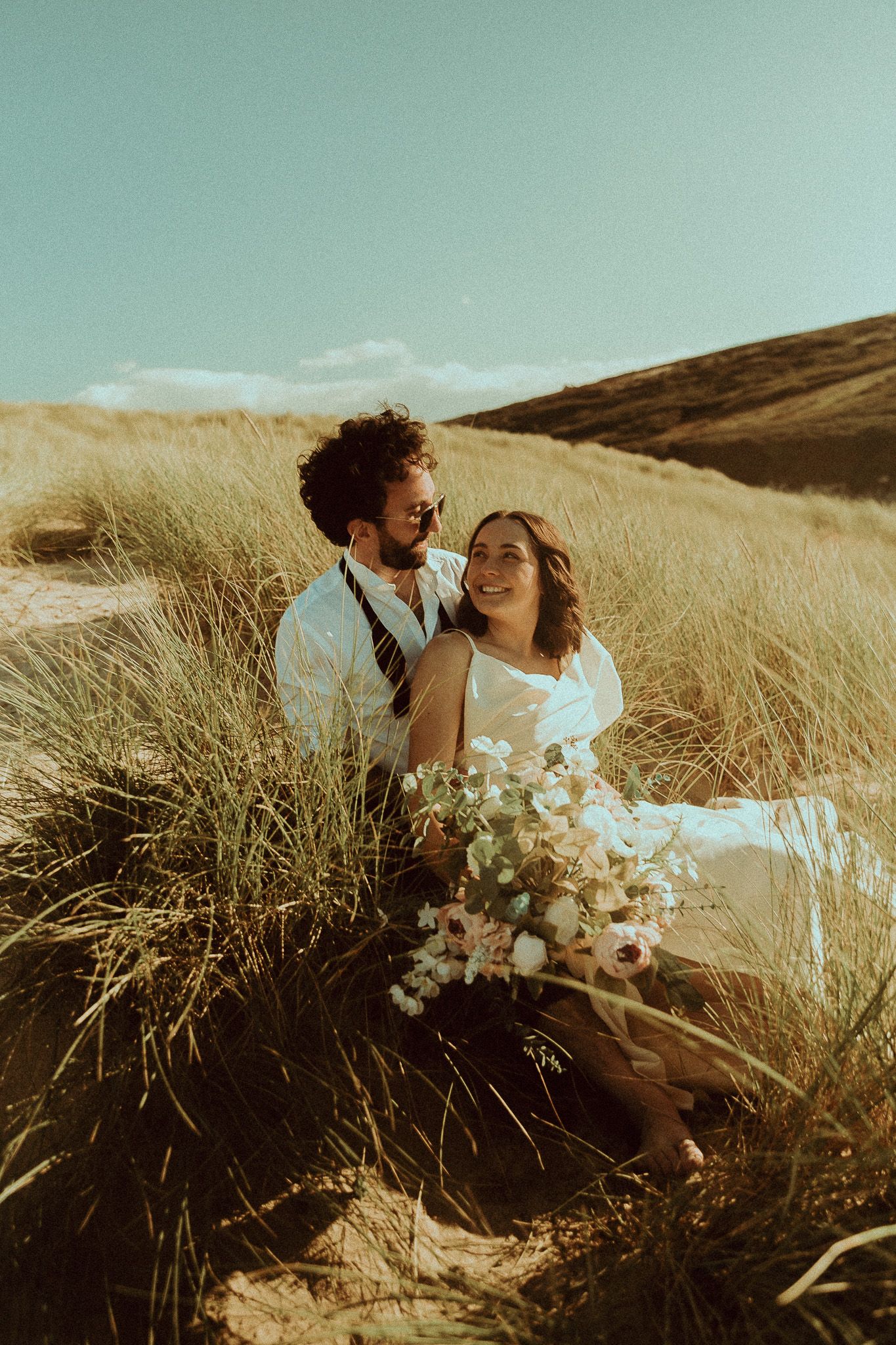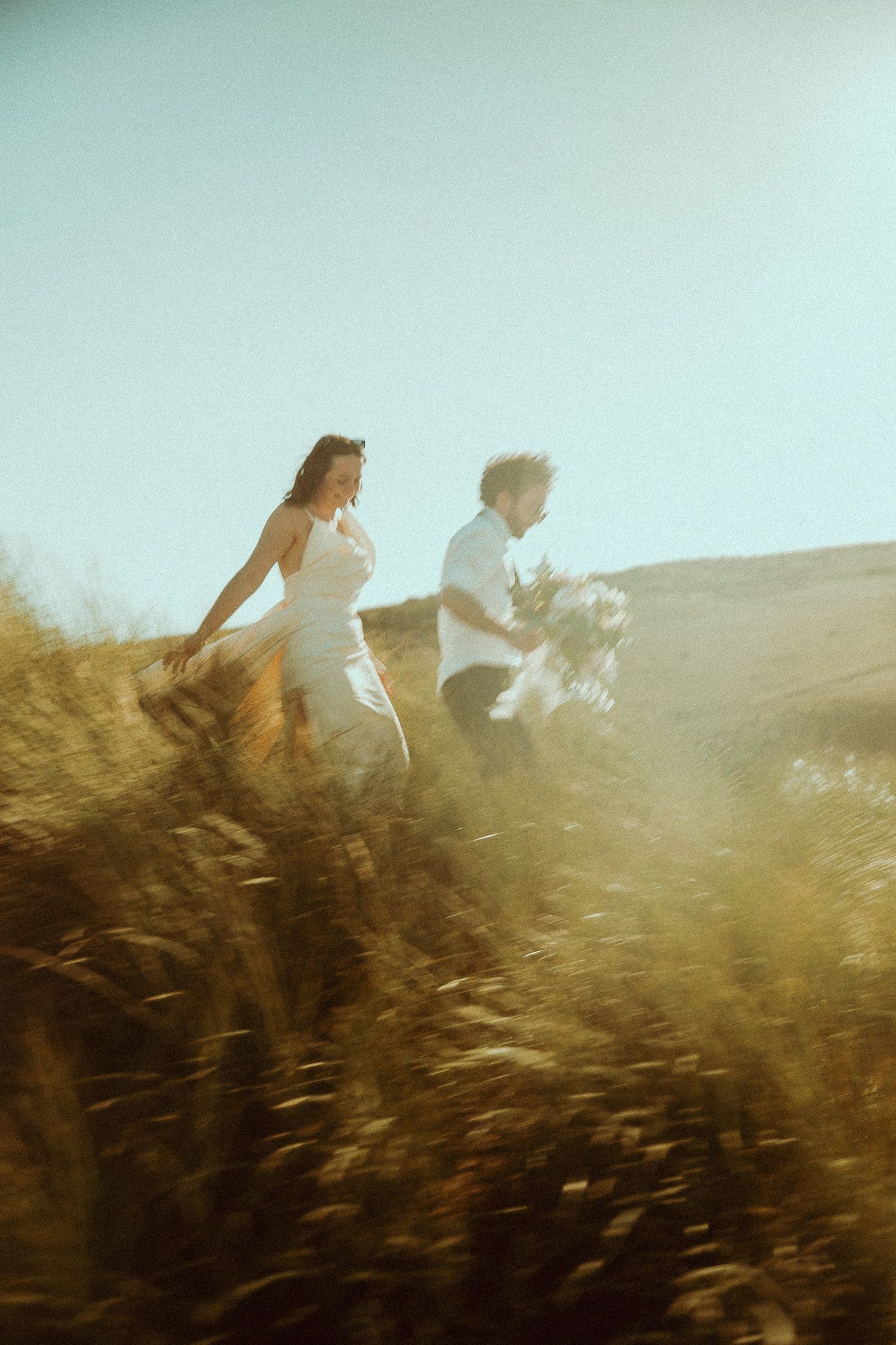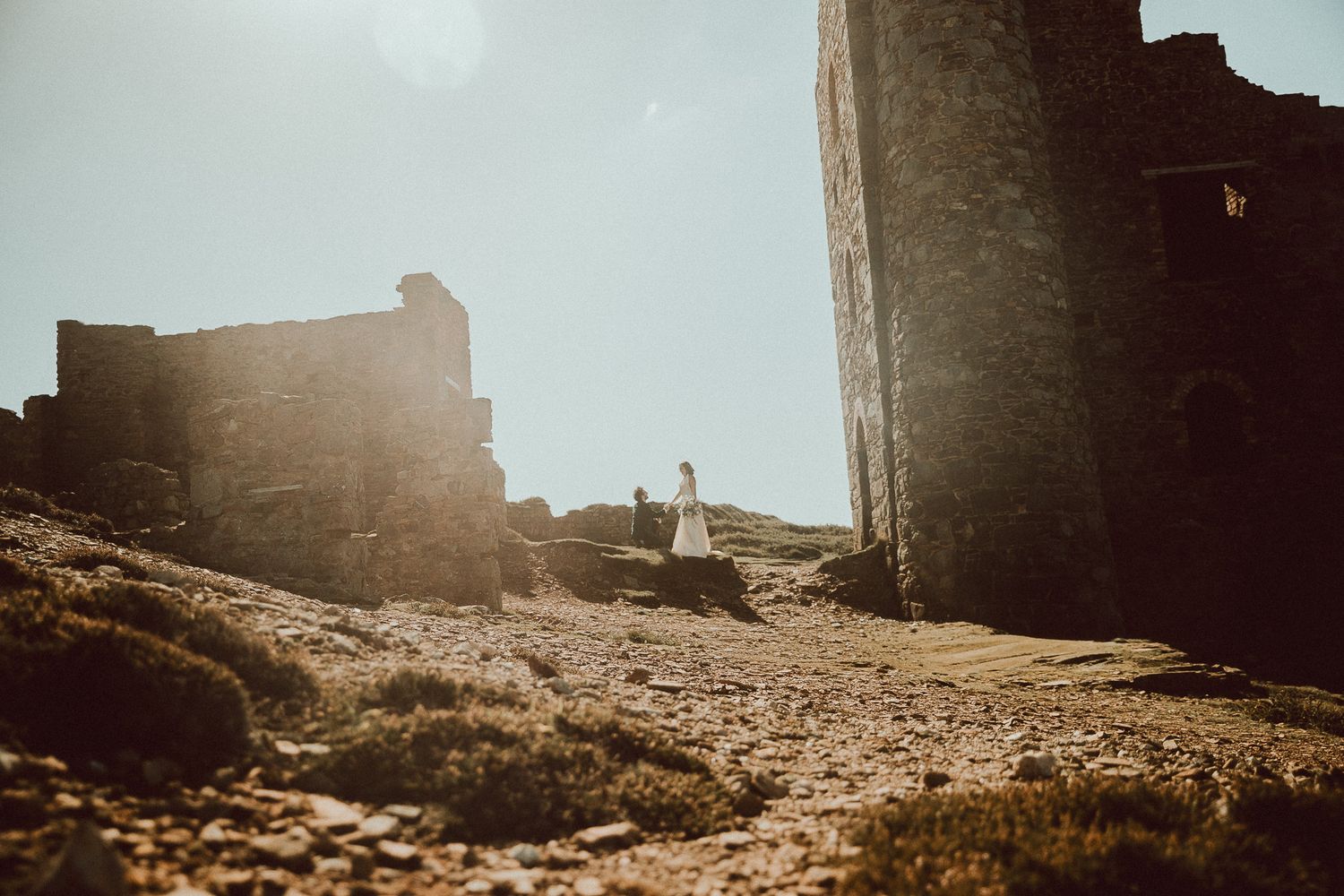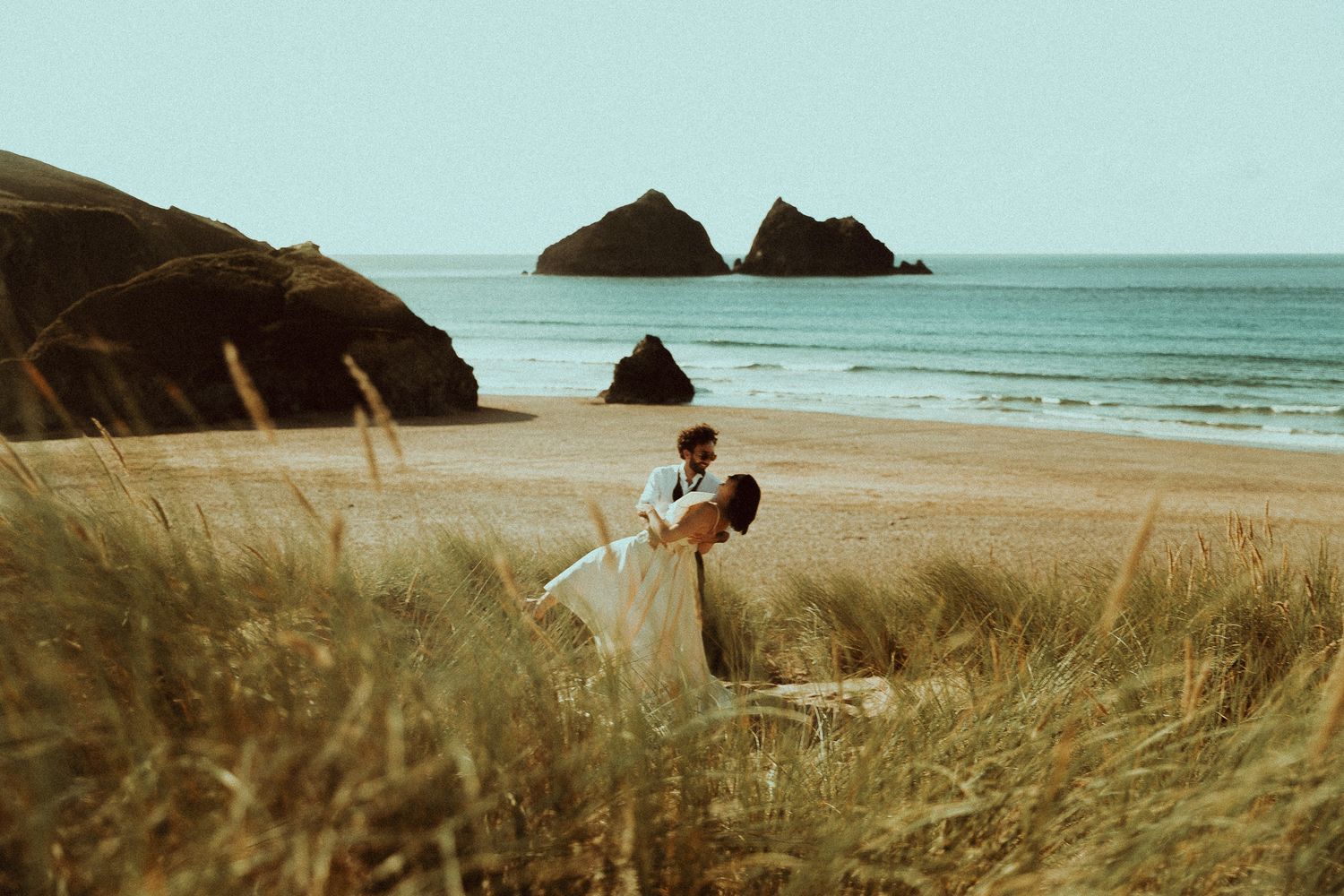
The word elopement means different things to different people. In the UK especially, it’s a word that still carries a lot of baggage. For some, it brings up ideas of secrecy, rushing away, or doing something impulsive without telling anyone. For others, it feels vague or ill-defined, something people talk about online without ever quite explaining what they mean. That uncertainty often shows up early on. Couples might know they don’t want a traditional wedding, but struggle to articulate what they do want instead. Elopement becomes the word they reach for, even if they’re not fully sure what it covers. In practice, what couples usually mean when they talk about eloping today is something far quieter and far more considered.
A modern elopement is an intentional way of getting married. It’s often smaller, sometimes just the two of you, and shaped around experience rather than tradition. Less about how a wedding is “supposed” to look, and more about how the day actually feels to live. It’s not about stripping things back for the sake of it. It’s about choosing what matters, and letting go of what doesn’t.
What an elopement actually looks like in the UK
There isn’t a single template for an elopement, and that flexibility is one of the reasons people are drawn to them in the first place. From what I see, elopements in the UK tend to take a few familiar shapes. They might look like:
• Just the couple, spending the day together in one meaningful place
• A very small group of close people, often immediate family or witnesses
• A quiet ceremony paired with time outdoors
• A day built around walking, talking, and being present rather than moving between venues
• A celebration that doesn’t follow a traditional wedding schedule
What ties all of these together isn’t guest numbers, location, or scale. Its intention.
An elopement is defined less by what’s included and more by what’s consciously left out. The decisions tend to be deliberate. Each part of the day is there because it serves a purpose, not because it’s expected.
For couples drawn to quiet, natural settings, our approach to elopement photography in Norfolk explores how these days can feel when shaped by place.
Why the word “elopement” feels confusing in the UK
Part of the confusion comes from how the word has been used historically. In the UK, eloping has often been associated with secrecy or rebellion. Running away. Avoiding family expectations. Doing something quietly and explaining it later. That legacy still lingers, even though it no longer reflects how most couples are approaching elopements today.
Modern elopements are usually thoughtful, discussed at length, and chosen deliberately. They’re often shared openly with friends and family, even if those people aren’t present on the day itself. For many couples, eloping isn’t about disappearing. It’s about redefining what a wedding can look like when external expectations are stripped away. The shift isn’t about hiding. It’s about prioritising experience over performance.
Once you understand what an elopement is, the next step is learning how to elope in the UK in a way that actually feels like you.
Why couples choose to elope
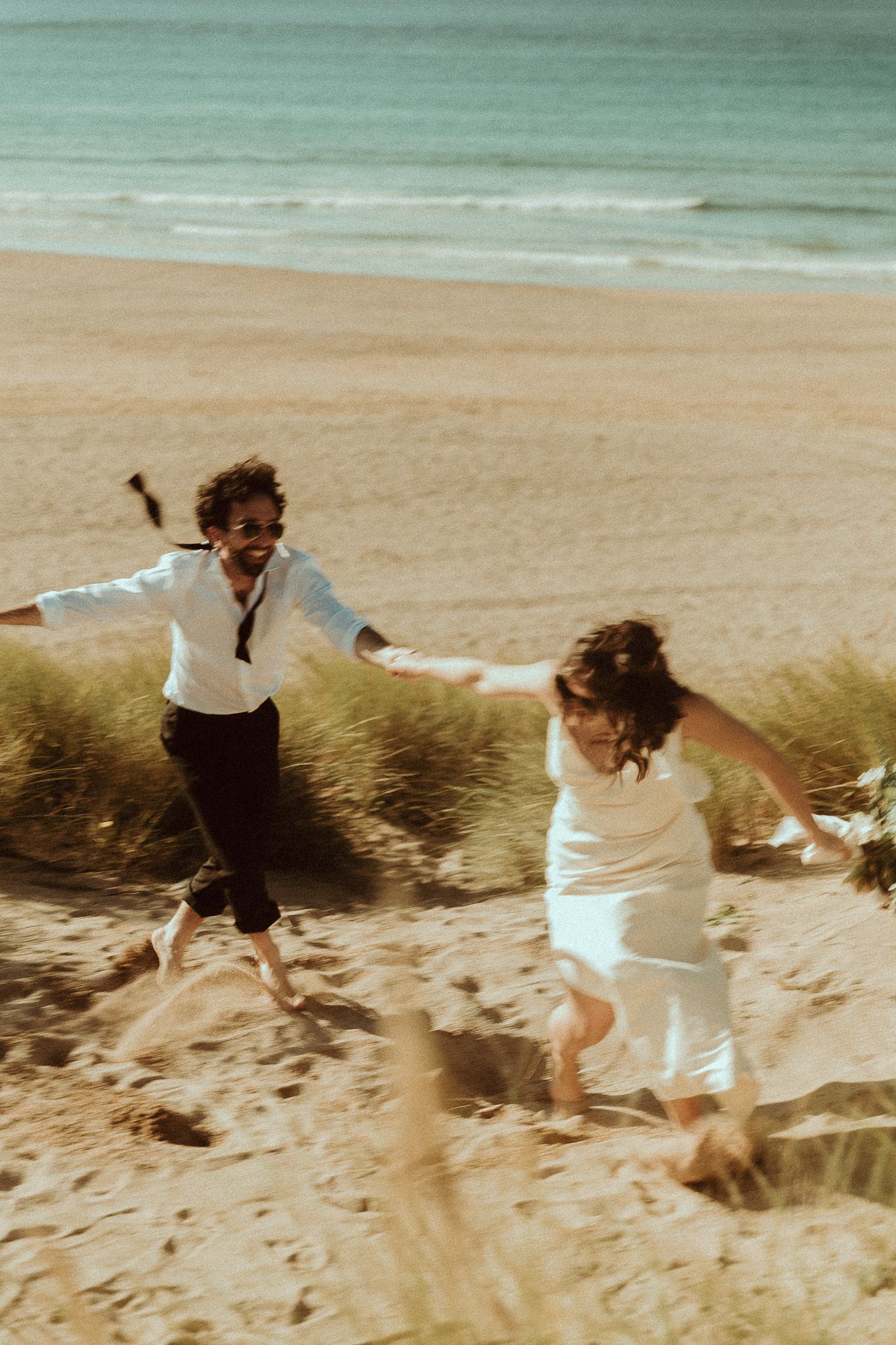
Most couples who choose to elope aren’t running away from something. They’re choosing something. Common reasons I hear include wanting a day that feels personal rather than performative, or feeling overwhelmed by the expectations that come with planning a traditional wedding. For some, it’s about prioritising time together. For others, it’s about choosing a place that feels meaningful rather than formal. Often, it’s a combination of things rather than one single motivation. Elopements permit couples to focus on the parts of the day that matter most to them, without feeling like they need to justify those choices to anyone else.
What an elopement day often feels like
One of the biggest differences with elopements isn’t how they look, but how they feel. Without a packed schedule, the day often has a gentler rhythm. There’s time to wake up slowly. Time to talk. Time to notice where you are and who you’re with. Moments don’t feel squeezed between obligations. They’re allowed to take up the space they need. For many couples, this creates a sense of calm and grounding that’s hard to replicate in a more structured setting. The day feels less like a performance and more like a shared experience.
How elopements are experienced and documented
Because elopements are usually less structured, they tend to be experienced differently, and documented differently too. Rather than directing the day, coverage often follows it. The focus shifts towards story, atmosphere, and the small moments that naturally unfold when people aren’t performing for an audience.
Final thoughts
An elopement isn’t about disappearing, rebelling, or doing things the “opposite” way. It’s about choosing a wedding day that feels grounded, intentional, and genuinely reflective of who you are. For many couples, that clarity is what makes eloping feel right.
If an elopement feels like it might be your kind of celebration, you can explore how I photograph UK elopements and small, intentional wedding days, or take a look through the Field Notes for planning guides and real examples from wild places around the UK.